
 English
 Deutsch
 Français
 Español
 Italiano
 Русский
 العربية
Table of contents
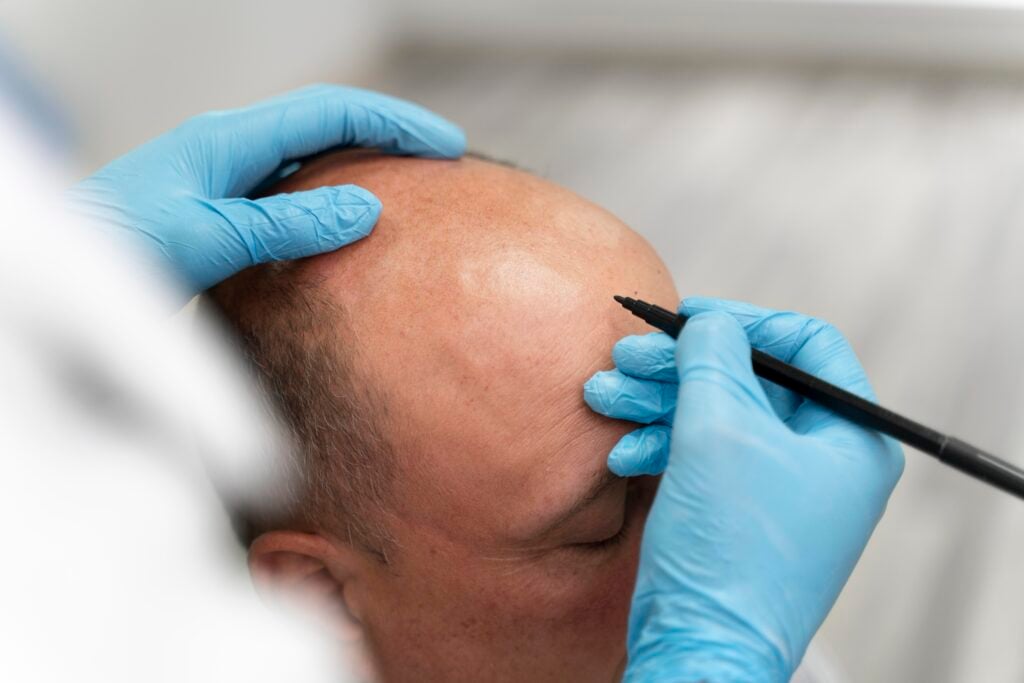
Choosing the right hair transplant technique can be overwhelming, especially with terms like DHI (Direct Hair Implantation) and FUE (Follicular Unit Extraction) frequently mentioned. While both methods aim to restore hair effectively, they differ in technique, cost, and patient experience. This guide will cover the differences between DHI and FUE, helping you decide which one may be the best hair transplant method for your needs.
DHI and FUE are the two most popular hair transplant methods. The main difference is that DHI uses direct implantation with a Choi pen, while FUE involves opening channels before implantation. DHI offers higher precision and density, while FUE is better for larger areas and is more cost-effective.
Understanding the difference between DHI vs FUE hair transplant is essential before choosing the right treatment.
Watch this DHI vs FUE hair transplant comparison video to see how both procedures are performed and understand the key differences between these techniques.
This DHI vs FUE hair transplant comparison helps patients understand which method is better before making a decision.
DHI vs FUE Hair Transplant: Key Differences
DHI and FUE are two of the most popular hair transplant methods available today. Understanding the difference between FUE and DHI hair transplant is essential when making a detailed FUE vs DHI comparison. Both techniques involve the extraction of hair follicles from a donor area of the scalp, typically at the back or sides of the head, and then implanting them into thinning or balding areas.
DHI (Direct Hair Implantation)
DHI is a refined method of hair transplantation where hair follicles are implanted directly into the recipient area without the need for making incisions. This is achieved using a specialized instrument known as the Choi pen. The main advantages of DHI include:
- Minimized trauma: The technique reduces the handling of grafts, leading to less damage and higher survival rates of transplanted follicles.
- Precision: The Choi pen allows for accurate depth and angle placement of the follicular units, which can improve aesthetic outcomes.
- No linear scarring: There is no need for a linear incision, making recovery visually more appealing.
FUE (Follicular Unit Extraction)
FUE involves extracting individual hair follicles from the donor site using a small punch tool. This method has been widely adopted due to its minimally invasive nature and offers several benefits:
- Less invasive: FUE is less traumatic compared to traditional strip harvesting methods and results in minimal scarring.
- Versatility: This technique can be used on various areas of the body, including eyebrows and beard.
- Established track record: FUE has been utilized for many years and is trusted by both patients and practitioners.
DHI vs FUE Hair Transplant: Which Method Is Better?
The decision between DHI and FUE ultimately depends on individual circumstances, preferences, and hair loss patterns. Many patients ask which hair transplant is better and whether DHI is better than FUE depending on their needs.
When comparing DHI vs FUE hair transplant, the best choice depends on your hair density, donor area, and desired results.
DHI vs FUE Hair Transplant Comparison Table
| Criteria | FUE Hair Transplant | DHI Hair Transplant |
|---|---|---|
| Implantation Method | Grafts are placed into pre-opened channels | Grafts are implanted directly using a Choi pen |
| Ideal Use Case | Best for covering larger balding areas | Best for increasing density and hairline design |
| Graft Handling | Extracted and implanted in separate steps | Simultaneous implantation reduces graft handling |
| Healing Process | Slightly longer due to channel creation | Faster healing with less tissue trauma |
| Shaving Requirement | Donor and recipient areas are usually shaved | Often possible with minimal or no shaving |
| Procedure Duration | Shorter for high graft sessions | More time-consuming due to precision work |
| Cost Range | More budget-friendly | Higher due to advanced technique |
Procedure Technique
While both methods involve the extraction of follicles, the implantation process is where they notably diverge. DHI allows for direct implantation with no prior incisions, while FUE includes an additional step of creating recipient sites before graft placement.
Recovery Time
Typically, both methods offer similar recovery times, but DHI may lead to a quicker healing period due to minimized trauma. Patients generally report faster recovery with the DHI method and a reduced risk for post-operative issues.
Cost Considerations
When comparing DHI vs FUE cost, many patients consider hair transplant cost in Turkey as a key factor due to its affordability and internationally accredited, high-quality clinics. Turkey has become a global hub for hair transplant procedures, attracting thousands of international patients every year.
Natural Clinic in Istanbul, stands out with its experienced medical team, advanced techniques, and personalized treatment approach, offering safe and natural-looking results.
Hair transplant costs vary depending on the number of grafts, the technique used (DHI or FUE), and the individual treatment plan designed for each patient.
Get your free personalized hair transplant quote today
Choosing the Best Hair Transplant Clinic
Choosing the best hair transplant clinic is just as important as selecting the method. The success of your procedure depends on:
- Surgeon experience
- Clinic standards
- Personalized treatment planning
Not sure whether DHI or FUE is right for you? At Natural Clinic in Istanbul, specialists analyze your hair loss pattern and recommend the most suitable technique for natural and long-lasting results.
Expert Insights
According to organizations like the International Society of Hair Restoration Surgery (ISHRS), both DHI and FUE techniques can provide natural results when performed by experienced surgeons.
Myths vs Facts
Understanding the common myths surrounding both methods can help clarify any misconceptions:
- Myth: DHI is always better than FUE.
- Fact: The effectiveness of each method can vary based on individual needs.
- Myth: FUE leaves large scars.
- Fact: FUE incisions are tiny and result in minimal scarring.
Frequently Asked Questions
1. What is the primary difference between DHI and FUE?
The key difference lies in the implantation process; DHI uses a pen for direct implantation, whereas FUE requires creating recipient sites first.
2. Which hair transplant method is more expensive?
DHI typically costs more due to the advanced technology and techniques used during the procedure.
3. How long does recovery take for each procedure?
Both methods have similar recovery times, but DHI often allows for quicker healing due to reduced trauma.
4. What kind of results can I expect from each method?
Both methods can achieve natural-looking results, but techniques may differ based on individual hair patterns and professional skill.
5. Are there any risks associated with DHI and FUE?
Both methods carry potential risks, including infection and scarring, but these are generally low when performed by experienced professionals.
6. How do I choose the best clinic?
Research clinics, read reviews, and consult with specialists to find a reputable facility that meets international standards and offers tailored treatment plans.
Conclusion
Choosing between DHI vs FUE hair transplant depends on your hair loss level, expectations, and budget. Both techniques offer excellent results when performed by experienced professionals.
If you’re looking for the best hair transplant clinic, choosing a trusted clinic in Istanbul can make a significant difference in achieving natural and long-lasting results.

Free Consultation
Are you ready to start your journey
to perfection today?
Red Carpet
Ready Every Time
See the journeys our favorite celebrities have experienced with Natural Clinic.


