
 English
 Italiano
 Español
 Français
 Deutsch
 Português
 Русский
 Български
-1280x854.webp?v=muo0ayym)
-1280x854.webp?v=munwltco)
-1280x854.webp?v=munxao8e)
-1280x854.webp?v=muwm06gh)
-1280x854.webp?v=munzr8yw)
-1280x854.webp?v=munu9oo2)
-1280x854.webp?v=munxa717)
-1280x854.webp?v=munuc3c5)
-1280x854.webp?v=munuecl1)






-1280x853.webp?v=mv1dw0ut)
-1280x853.webp?v=mv1dw31y)
-1280x720.webp?v=mv1dw5mi)
-1280x720.webp?v=mv1dw86j)
-1280x720.webp?v=mv1dwb0g)
-1280x720.webp?v=mv1dwvpw)

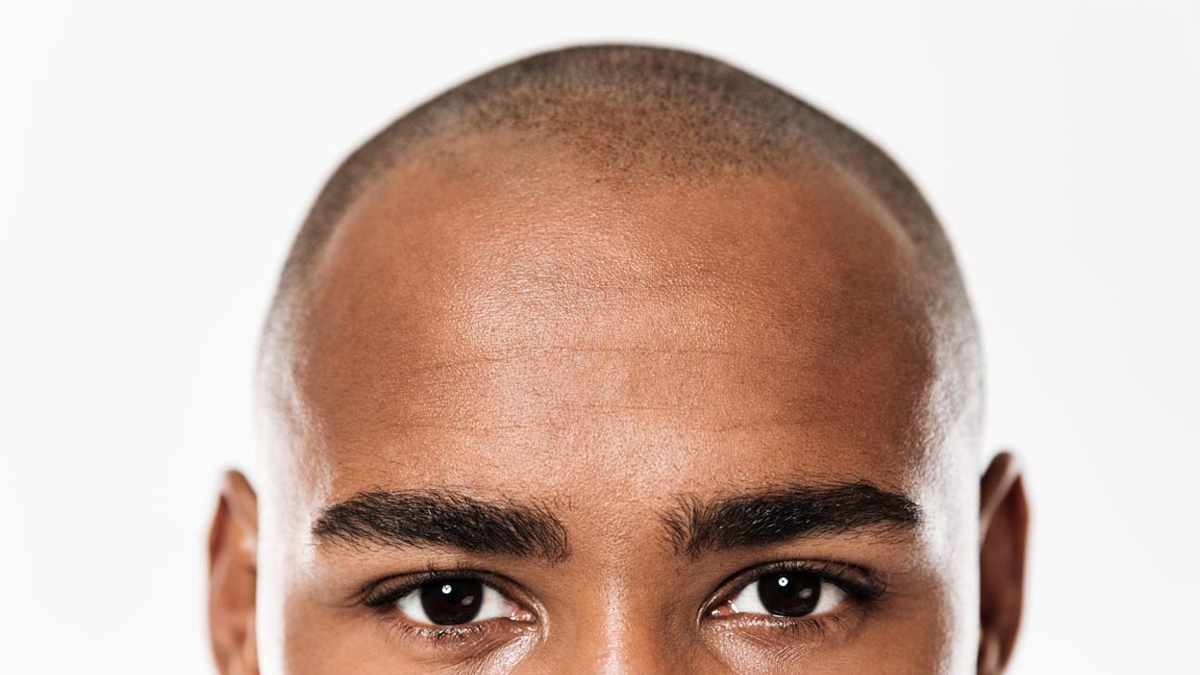
Somewhere in a drawer or on an old phone there's a photo of you from about ten years back. A wedding, a holiday, anything where your hair's visible from the front. Now hold it next to the mirror. That's the test printed under the page heading, and it's a better starting point for hair treatment in Turkey than any brochure.
Two things can have happened. Either the edge has moved, and your hairline sits further back than it did. Or the edge is roughly where it was and there's simply less hair behind it. Those two answers lead to very different treatments, and a surprising number of people book the wrong one because they never looked.
Moving hair, or helping the hair you've got
Our nine hair treatments fall into two groups, and the line between them matters more than any technique name.
Six of them move hair. They take follicles from the lower back and sides of your scalp, where they tend to hang on for life, and put them where you've lost them: on the top of your head, along the hairline, in a beard or along a brow. If a patch is properly bald, moving hair is the only way to fill it.
The other three, the injectables, don't move anything. They work on follicles that are still alive but struggling, trying to keep them going a bit longer. They can't grow hair on bare skin, however many sessions you pay for. Get that distinction right and most of the rest falls into place.
Where to start reading
Your mate's transplant isn't your transplant. Look at your own head first.
Corners going back, or a bald spot spreading at the crown? You're most likely heading for the hair transplant in Turkey guide. It covers how many grafts you'd need and how the six techniques differ, from FUE and sapphire FUE to DHI, FUT, hybrid and unshaven procedures.
A wider parting and a thinner ponytail? Women's hair loss has its own causes and its own checks, so start with our guide to female hair transplant before anything else. Tightly curled or coily hair needs a different extraction, which the afro hair transplant page explains.
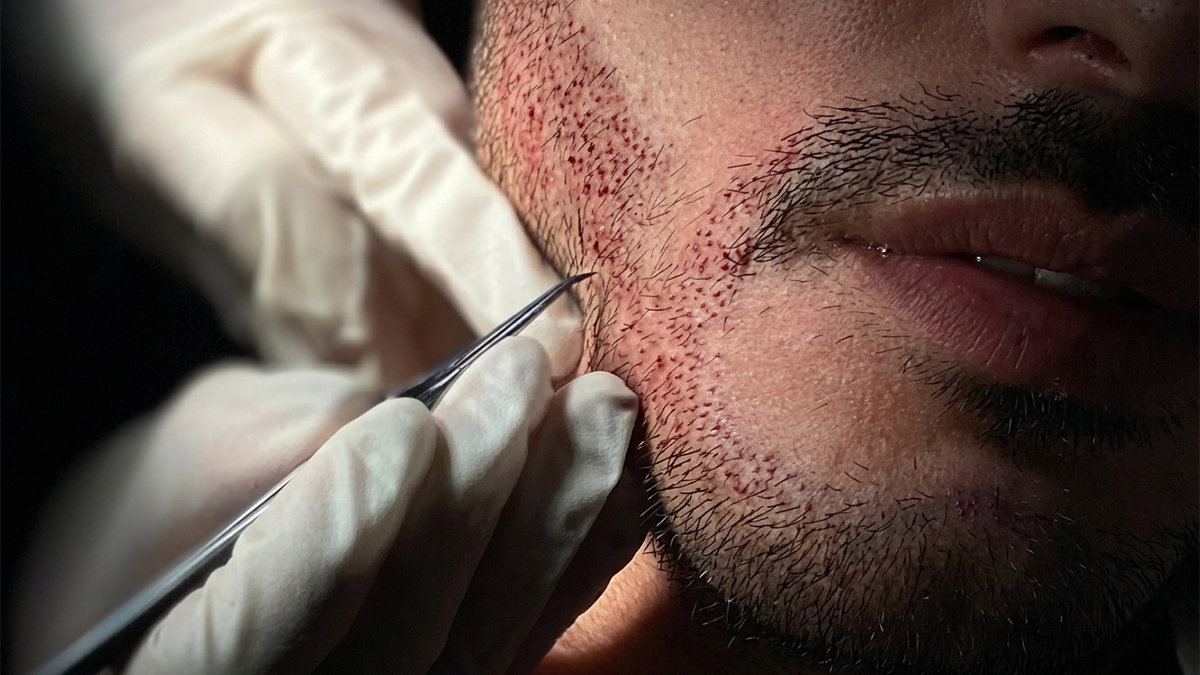
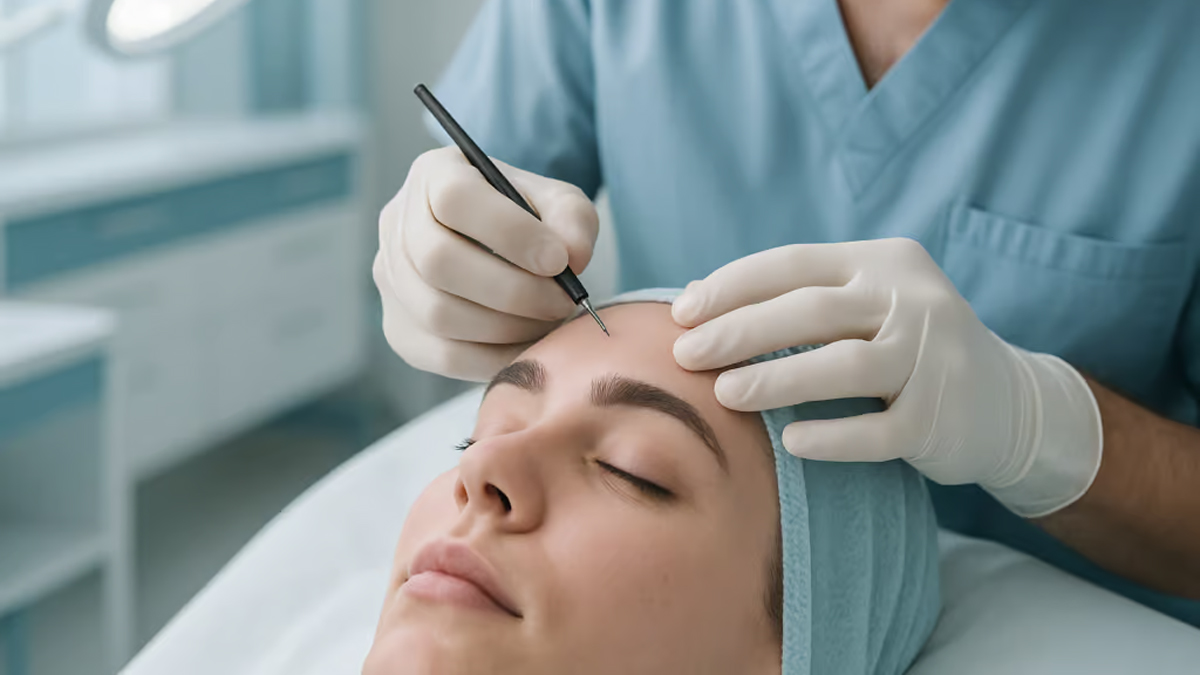
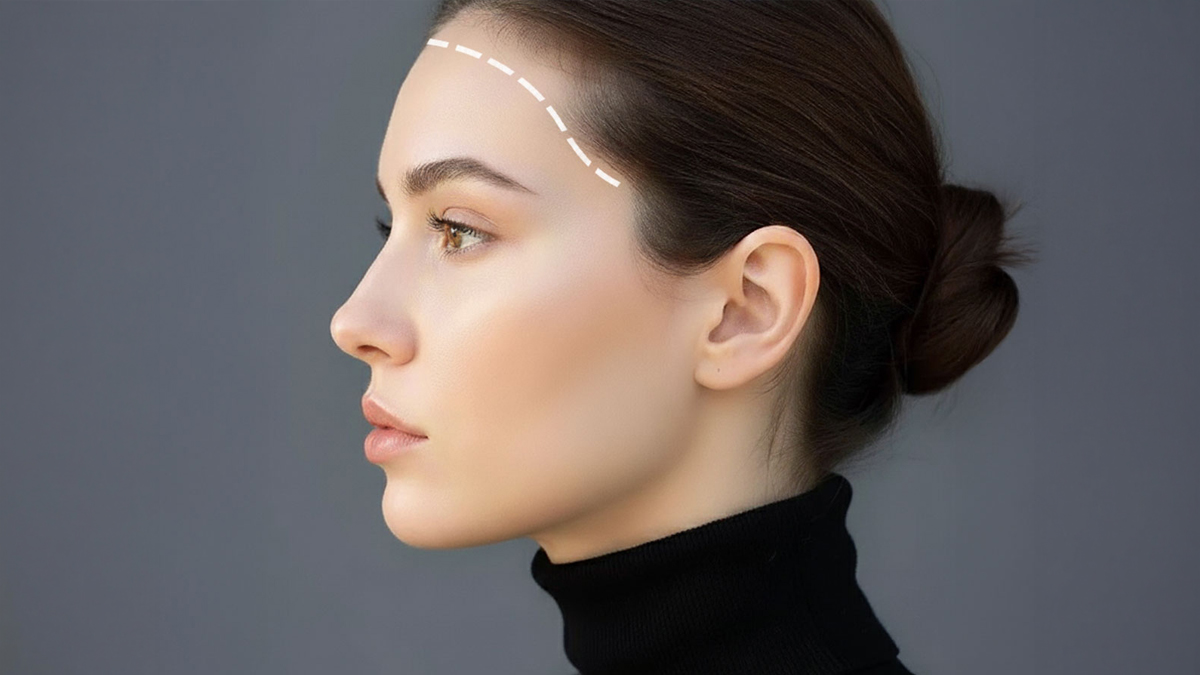
Cheeks that never filled in, or a goatee that stopped short? That's beard transplant territory. Brows that never recovered from the tweezers, or have a scar through them, are covered under eyebrow transplant. Always had a tall forehead, rather than one that's grown recently? Hairline lowering explains both ways of bringing it down, with surgery or with grafts.
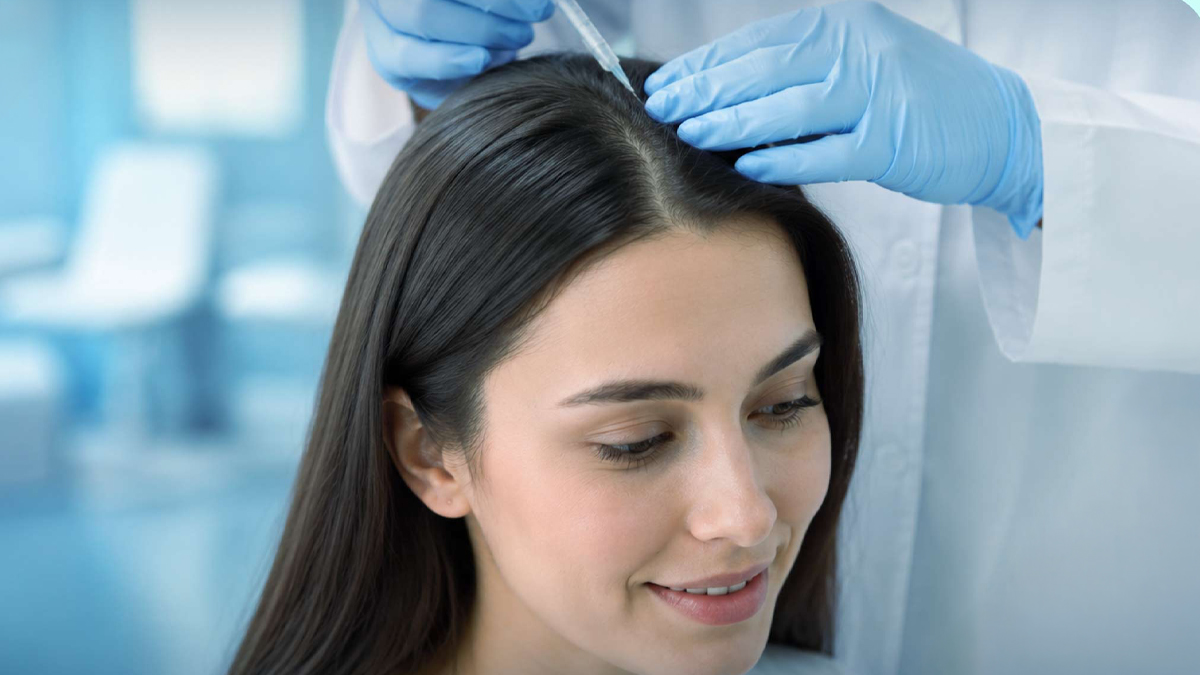
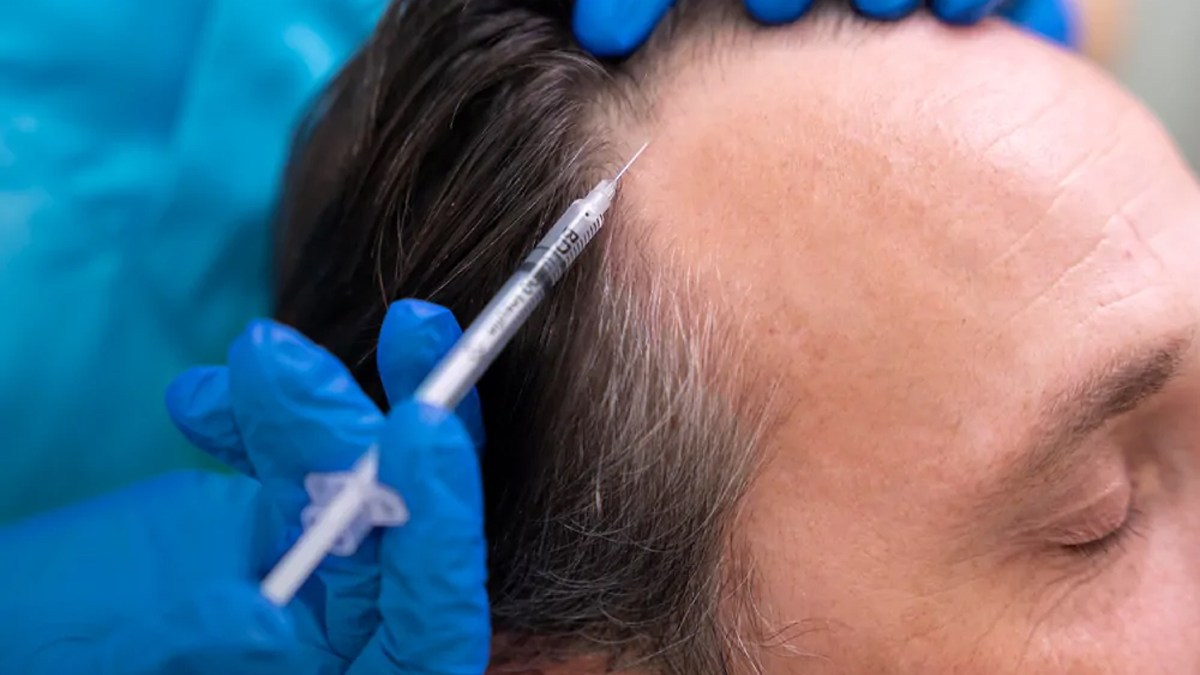
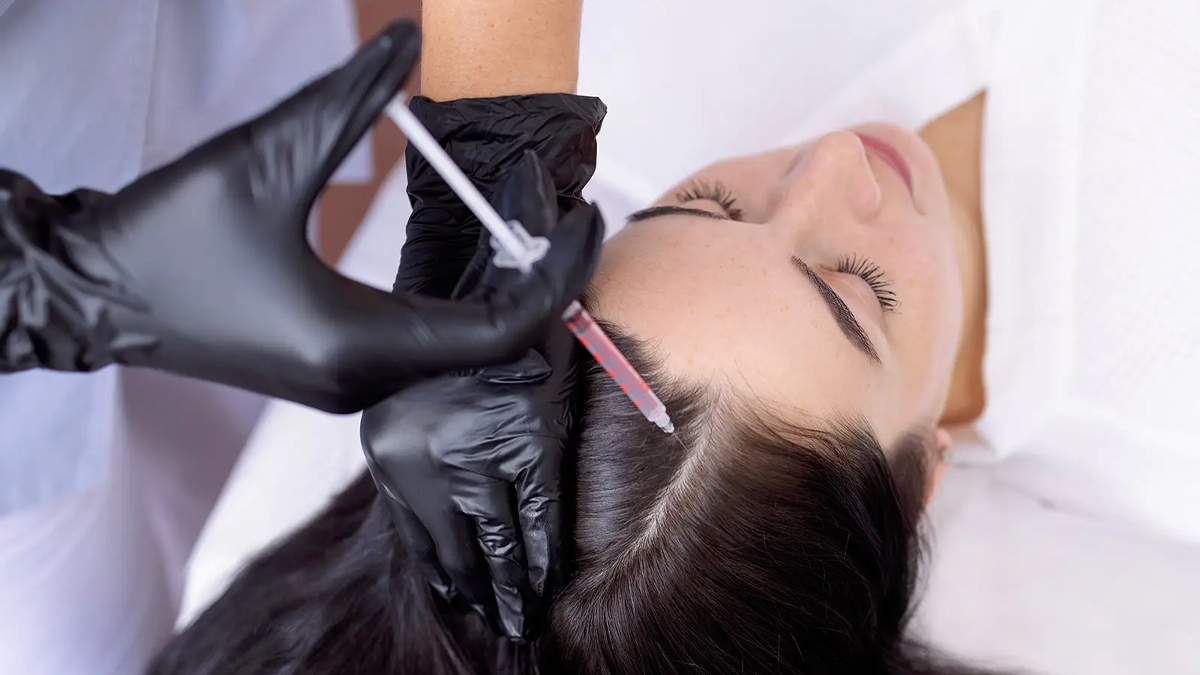
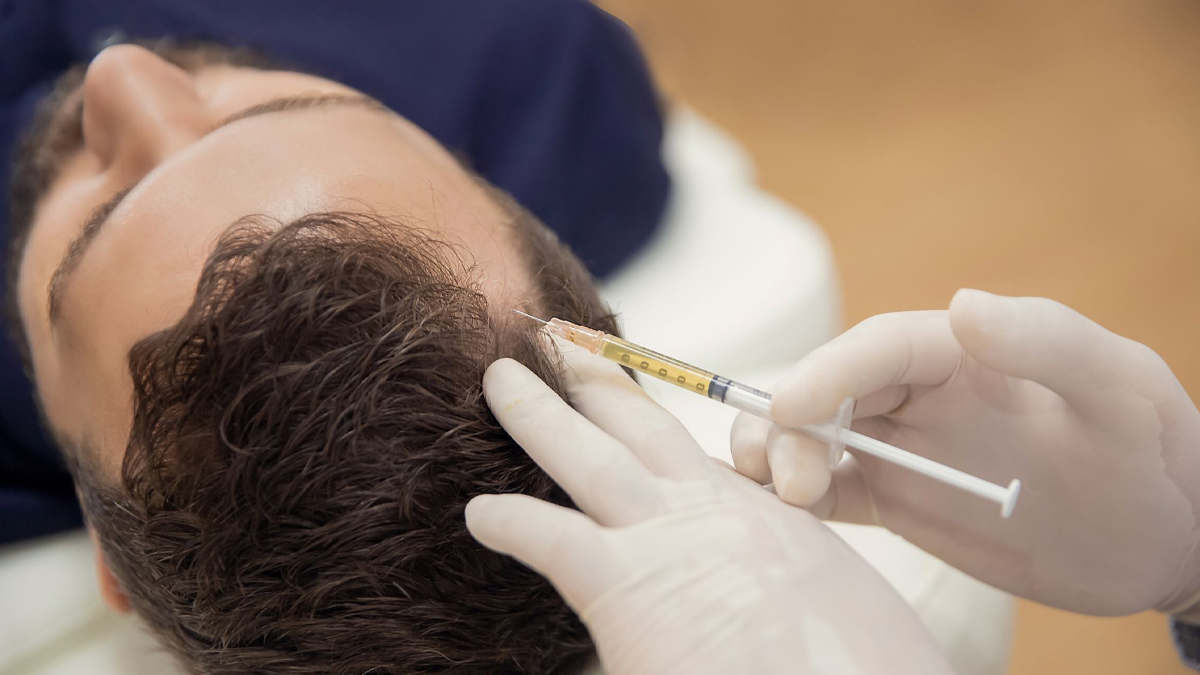
Thinning, but not bald? Then the injectables come in: PRP hair treatment made from your own blood, hair mesotherapy with a ready-made solution, and exosome hair therapy, the newest and least proven of the three.
Why hair falls out matters more than how to fix it
Most people come to us having already picked a treatment. We'd rather start a step earlier and ask why the hair is going.
Pattern loss, the inherited kind, is the most common reason by far, and it's what transplants and most injectables are designed around. But hair also falls out after a bad illness, a crash diet or a stressful few months. Low iron does it. So does a thyroid that's running too fast or too slow. Years of tight braids or extensions can pull it out along the edges. And a few conditions, such as alopecia areata or the scarring forms of alopecia, need a doctor rather than a surgeon.
That's why the pathway above asks for bloods when the pattern looks medical. It's not box-ticking. Sometimes the right treatment is iron tablets and six months' patience, and we'd rather tell you that than book you in.
Hair loss treatment in Turkey without surgery
Not everyone needs an operation. A good number of the people who write to us asking for one don't. For early thinning, the first line of hair loss treatment is usually medication prescribed by a doctor. It has the strongest evidence of anything here and costs least over a year. The injectables come after that, or alongside it, for follicles that are still hanging on.
What none of them can do is bring back hair that's gone completely. So a sensible non-surgical plan comes with a review date. Photos are taken before you start, under the same light you'll be photographed in later, and if the before and after show no change by that date, the plan changes. Hair loss treatment in Turkey works best when it's judged like that, honestly and on a deadline, rather than run on indefinitely in hope.
One donor area, shared by everything
Here's something that catches people out. Every surgical treatment on this page draws from the same place: the strip of hair that wraps round behind your head from ear to ear. A scalp transplant uses it. So does a beard. Brows take a little. A graft-built hairline takes some too.
And it doesn't grow back. Grafts spent on your cheeks at 28 are grafts you won't have for your crown at 45. So if you're thinking about more than one thing, say a beard now and maybe your hairline later, tell us at the start. The sensible plan looks at the whole budget before spending any of it.
Combining hair treatments
Some pairings genuinely work. Grafts go into the bald bits, and PRP or a prescription keeps the surrounding hair from thinning further. Beard plus a quick brow fix in one visit? Perfectly doable. People who've had a surgical hairline lowering sometimes come back for a sprinkle of grafts to soften the scar.
Then there's the bundle. Three injectables booked at once, all for the same thinning patch. It looks thorough. In practice it's rarely better than one good choice done properly, and when the hair does improve, nobody can tell you which of the three to thank. Seen a quote like that? Ask what each line is actually doing.
Is it worth travelling for hair treatment in Turkey?
For surgery, usually yes. Turkey, and Istanbul in particular, does a huge volume of hair transplants, and that experience is the honest reason to come, more than the price.
For the injectables on their own, mostly no. They're courses of repeat sessions, and PRP, mesotherapy and the like are offered in most cities. Flying in every few weeks rarely adds up. Where they do fit is alongside a transplant you're already travelling for, or to get a course started here with a written protocol your local clinic can follow. We'd rather say that up front than sell you flights.
Choosing a hair treatment clinic in Turkey
The name on the treatment tells you very little. Two clinics can both write "FUE" or "PRP" on a quote and be selling you different procedures. Push for detail instead. It works at any clinic, including this one.
What graft number have you got in mind for me, and how did you get to it? Which method, and whose hands will actually be doing the extracting and the placing? If it's an injectable, what's in the syringe, and how many sessions before we review it? And can I have all of that on paper, before any money changes hands? Clear answers to those usually mean the rest is done properly too.
Hair treatment before and after: what's worth looking at
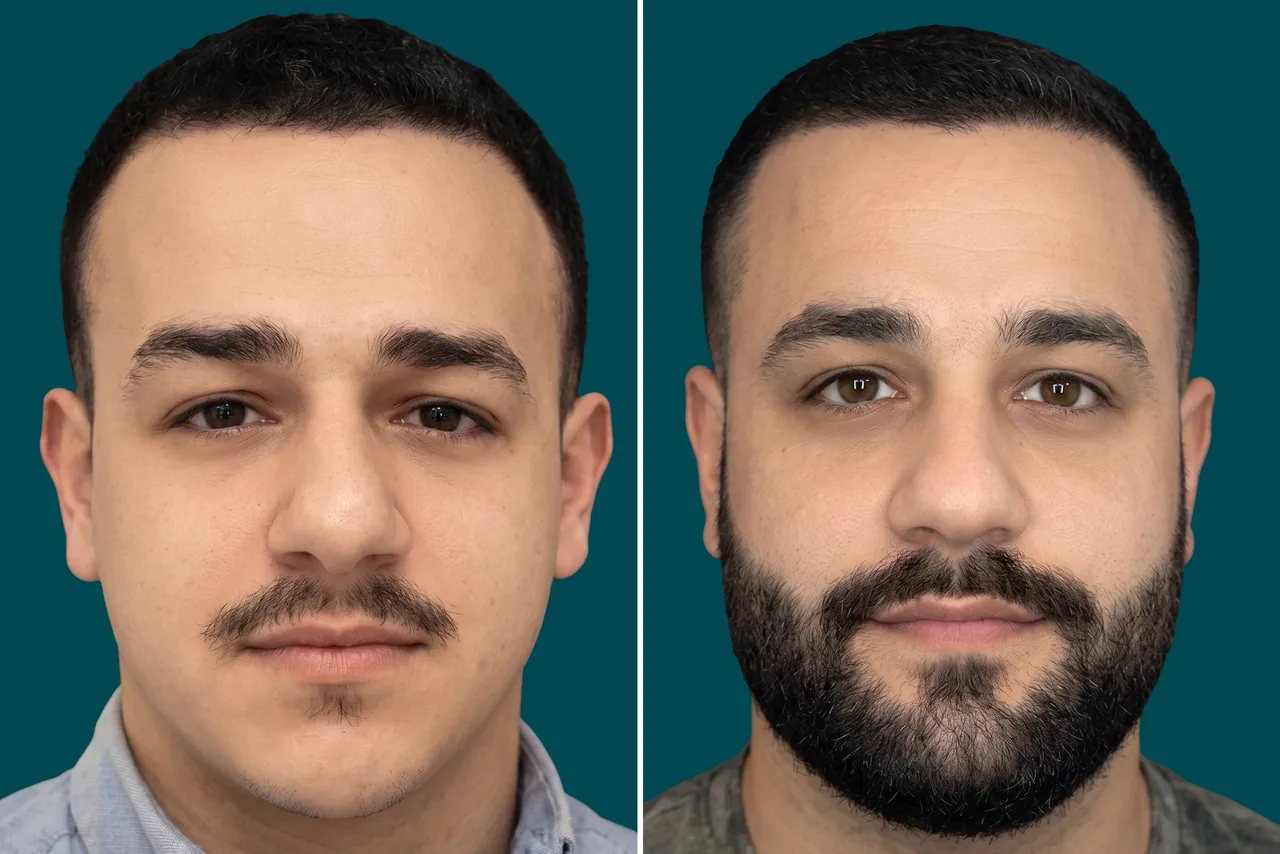
Every clinic has a gallery, including the one above, and the before and after photos are where most people make up their minds. A few habits help you read them properly.
Check the dates. A transplant "after" taken at three months is only a progress shot; the real result takes most of a year to show. Look for matching light and matching angles, because a brighter lamp or wet hair can fake density. With injectables, expect the changes to be subtle, so any hair treatment before and after showing a dramatic overnight difference should make you suspicious. And look at the donor area as well as the front.
Patient reviews and videos, like the stories above, are useful for something photos can't show: what the whole first year felt like, including the shedding at week three that nobody enjoys.
Hair treatment cost in Turkey
Have a look at the table above. A transplant, covering as many as 5,000 grafts, starts at €1,600. Hotel nights push that to €1,800, and if fibroblast therapy is added too, the figure is €2,100. PRP costs €100 per session. That's the hair treatment price in Turkey before anything optional is added. The others (beard, brows, hairline lowering, mesotherapy, exosomes) don't have a list price, since what you pay hangs on how many grafts or sessions you turn out to need.
Every transplant quote already bundles in the airport run, an interpreter, the anaesthetic and twelve months of aftercare. For context, the table also lists what Britain, Germany and America typically charge. Whatever the headline price, a good quote for hair treatment in Turkey lists exactly what you're getting: the number of grafts or sessions, the technique or product, and the total.
How long will you need in Istanbul?
For a scalp transplant, plan on three to four days, as the hair transplant card above says. The procedure itself is one day, and your first hair wash is done by our team before you fly. Surgical hairline lowering needs a little longer. Injectable sessions take under an hour each, but remember they're a course, not a single visit.
Whatever you have, the result takes far longer than the trip. A transplant settles over a year. Injectables are judged at a review date months down the line, against photos taken before you started.
After you fly home
The trip is short. The follow-up isn't. Every transplant here comes with twelve months of aftercare and a named contact you can message once you're back, whether it's a question about washing in week one or a worry about the shed in week three. Mostly it runs on photos. We'll ask for some at set points, and you can send more any time something looks off; we'll say whether it's normal. Carrying on an injectable course near home? Keep your protocol and your first photos in one folder, so the next clinic is working from the same starting line.
Your free assessment
Natural light, dry hair, and four shots: hairline, top, crown, back. Found that ten-year-old photo? Send it along too. Tell us roughly when things changed, what you've already tried, and whether you've had any blood tests. Our team in Istanbul will come back within a day with which group you're in, what's realistic, and what your hair treatment in Turkey would cost. And if the honest answer is "not yet" or "see your doctor first", you'll hear that too.