 English
 Italiano
 Español
 Français
 Deutsch
 Português
 Русский
 Български

-1-1280x720.webp?v=mv1dodem)
Where Volume Does and Does Not Transfer
Pocket dissection, implant handling and sterile discipline transfer from breast and buttock work. The calf itself does not.
Calf Implants in Istanbul · Quoted After Examination
Trained for years and your calves still won't grow?
Calf implants add shape and volume where genetics limit muscle growth, or correct a difference between the legs. Soft solid implants are placed through a small incision behind the knee. Size, number and which part of the muscle is enhanced determine the price confirmed after your examination.
Natural Clinic brings multiple fields of specialised healthcare together under one roof, combining medical expertise, advanced technology and patient-focused care. From hair transplantation and dentistry to facial, body and breast aesthetics, bariatric surgery and reconstructive treatments, every patient journey is managed by experienced medical teams working across disciplines.
Advanced treatments across multiple medical specialties
Experienced specialists working across disciplines
Consultation, treatment, recovery and aftercare coordinated under one roof
Large-scale medical infrastructure in Istanbul
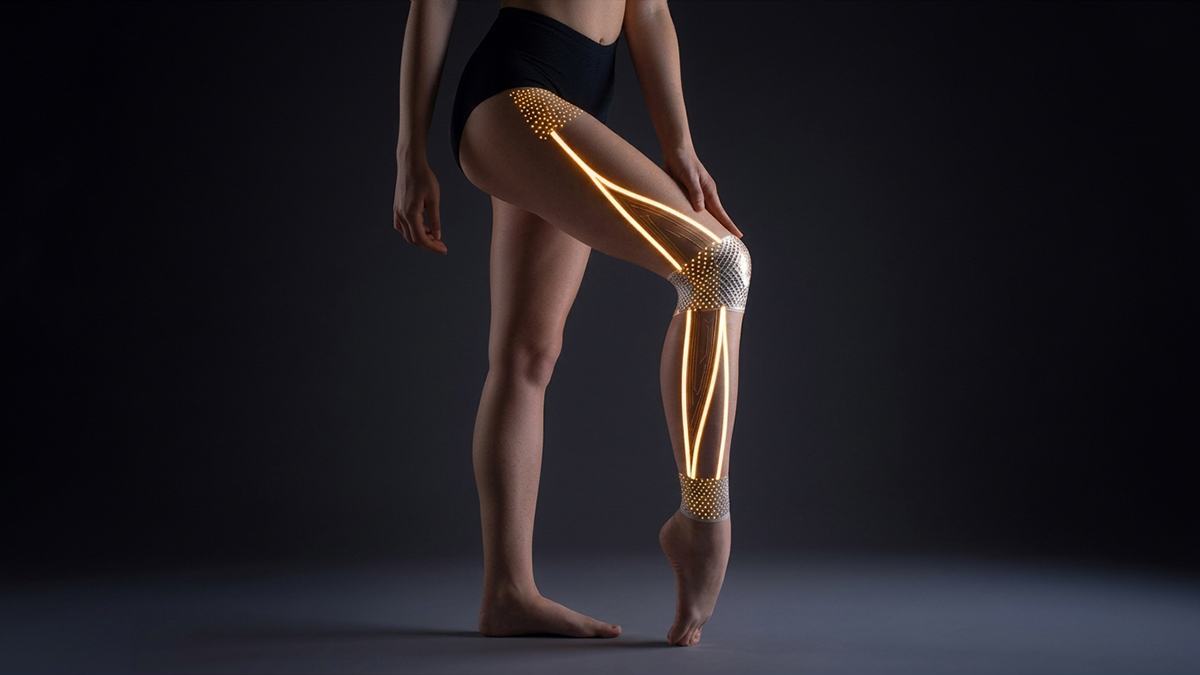
A solid silicone implant placed in the narrow space beneath the calf fascia, on top of the muscle. It adds contour where the calf is thin by build rather than by fat distribution — most reliably where one leg never developed and the other gives an objective target to measure against.
Quoted after examination
Outside is skin; the next line in is the fascia, the tough sheet that wraps the muscle. The implant goes beneath it, on top of the muscle belly. Under the skin instead would be quicker, and would give you a visible, palpable edge, poor coverage and a far higher chance of the implant moving.
A calf that is thin by build rather than by fat distribution, and above all one leg that never developed, with the other side to measure against.
A short operation, then a closely watched forty-eight hours. Walking is restricted in the first week and the leg is elevated at rest. Quoted after examination.
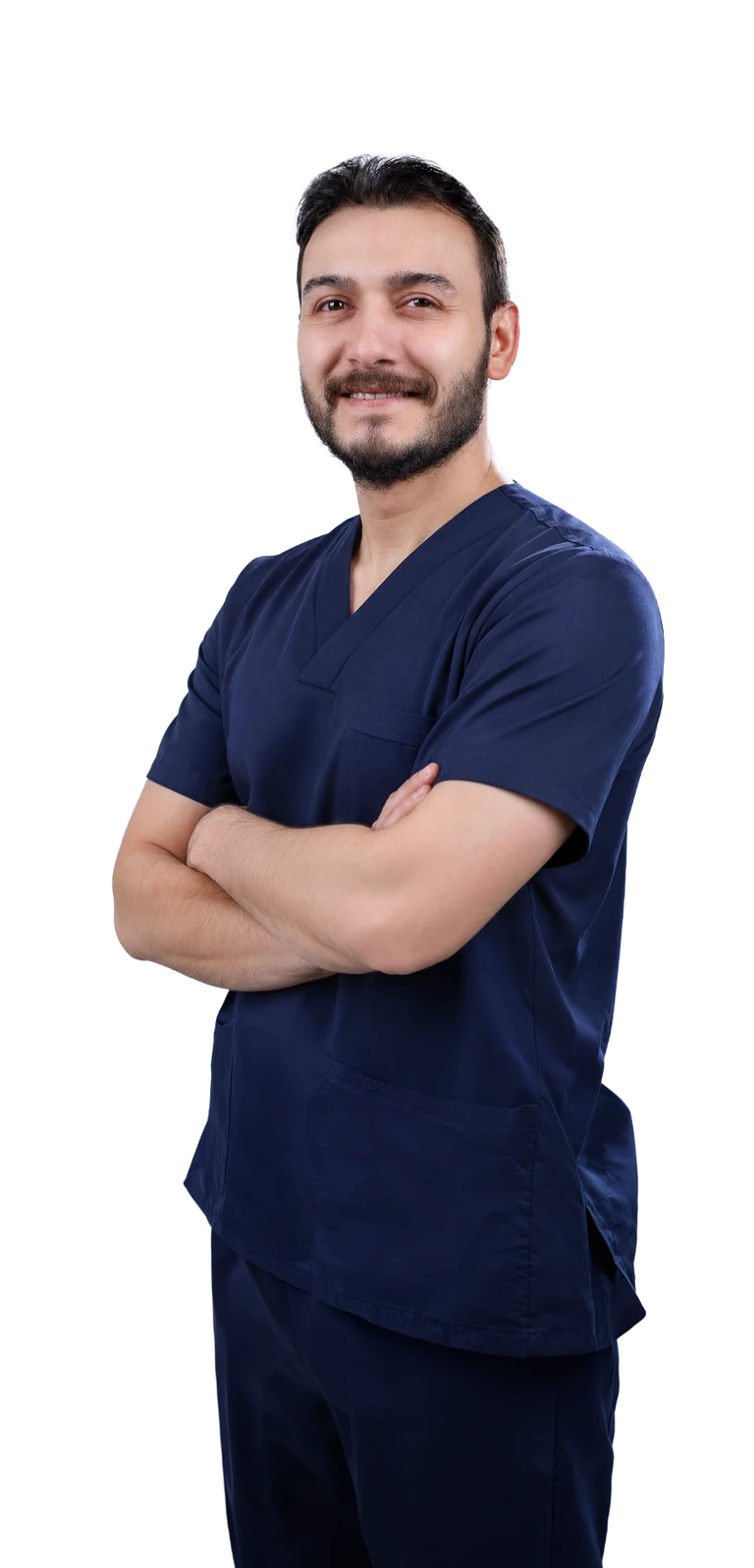
Plastic Aesthetic and Reconstructive Surgery
Dr Emre G. qualified in medicine at Uludağ University in 2007 and completed his specialist training in plastic, reconstructive and aesthetic surgery at Bezmialem Vakıf University between 2008 and 2014, with a research post at the University of Wisconsin School of Medicine and Public Health. He has worked in both public hospitals and private practice, and the reconstructive half of that training shows in how he plans an aesthetic case. He practises at Natural Clinic in Istanbul.
Education
Here the answer is more qualified. Turkey is a good place for common operations because they are performed constantly; this one is not common anywhere, so the argument rests on a specific surgeon's case count.
Pocket dissection, implant handling and sterile discipline transfer from breast and buttock work. The calf itself does not.
-1280x720.webp?v=mv1dxkcr)
Your plan states our case volume for calf implants specifically, as a figure, next to the price.
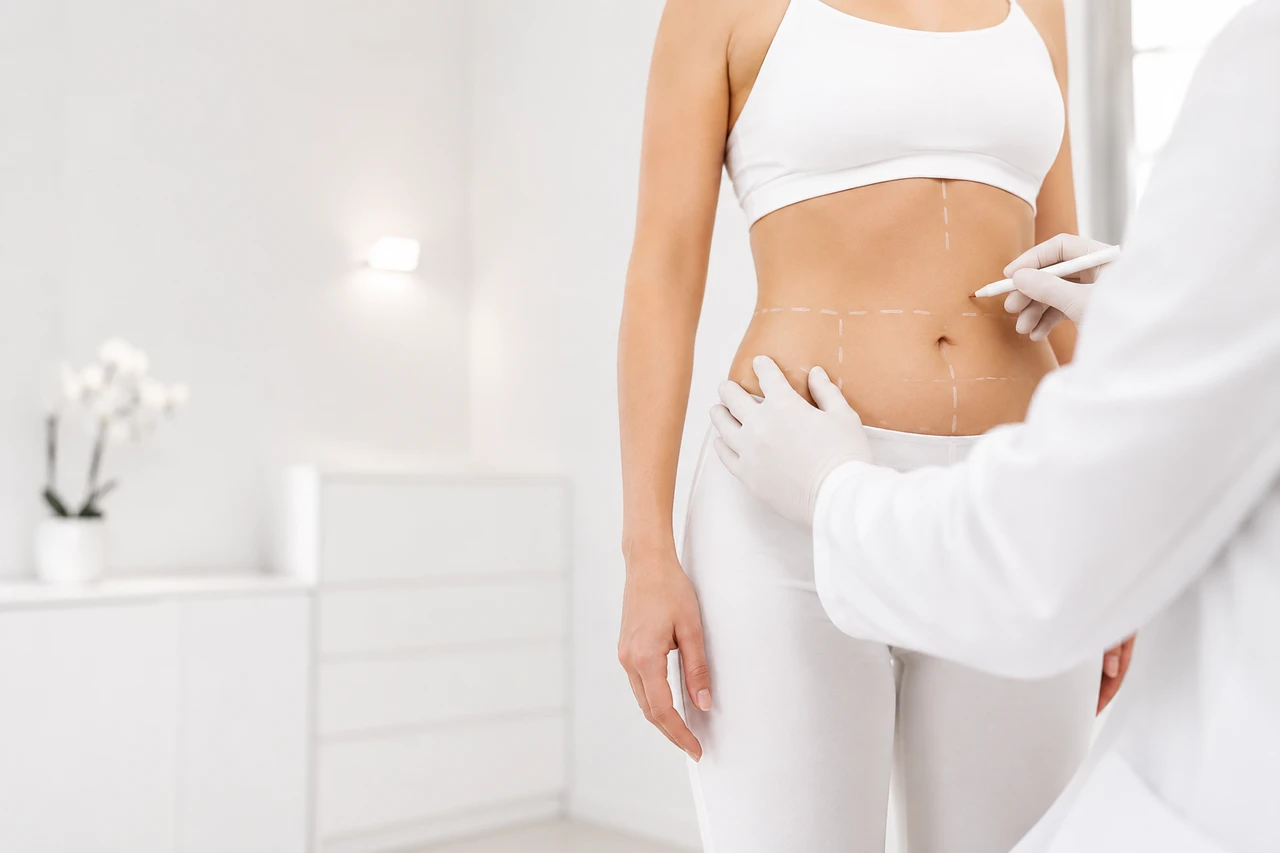
Lower operating costs and the exchange rate produce a real difference; on an uncommon operation, price signals less.
-1280x720.webp?v=mv1dxpnk)
Istanbul connects directly to hundreds of cities. Your stay is quoted after examination, and nobody flies early.
-1280x720.webp?v=mv1dxrzy)
Every appointment is coordinated in English, with Dutch on request, and your interpreter is free throughout.
-1280x720.webp?v=mv1dxuk2)
Ministry of Health licence, board registration, logged sterilisation cycles and an independent anaesthesia review, documented beforehand.
Calf implants are quoted after examination and sized to your leg rather than chosen from a catalogue.
Thin calves, one-sided difference and post-injury loss each change the implant choice.
Calf circumference and length guide the implant's size and shape.
A short cut in the popliteal crease lets the surgeon create a pocket along the calf muscle and slide each implant in.
Calves feel stiff as muscles adjust; gentle walking, compression and elevation help.
When exercise can't add calf volume, calf implants can. Here is what to know.
Calf implants are soft, solid silicone implants placed in the lower legs to add volume and improve the shape of the calves. They are used when calf muscles remain thin or uneven despite exercise, or to restore symmetry after injury or illness.
Calf implants may suit people with naturally slim calves that do not respond to training, noticeable asymmetry between the legs, or volume loss from conditions such as clubfoot or polio. Candidates should be in good general health with healthy circulation.
Implant size and shape are chosen by measuring the length and circumference of your calves and considering your overall leg proportions. The goal is a balanced, natural-looking result that suits your body rather than an exaggerated shape. Photographs of your legs from several angles help with planning.
Calf augmentation is priced only after your legs have been examined, since the implant type and the number needed differ from person to person. As a reference point, UK clinics usually start at around €8,950. Your written plan then confirms the full price, including implants, before you book travel.
The price of calf implants depends on the number and type of implants needed, whether one or both calves are treated and the complexity of placement. Assessing these factors first allows an accurate quote rather than a generic price. This avoids quoting a figure that might change after examination.
A calf implant quote lists the implants themselves, the surgeon and anaesthesia, the time you spend under observation after surgery and the compression garments for your legs. Transfers, an interpreter and follow-up reviews are included, and hotel nights are arranged separately so the total is transparent before you travel.
Calf implants are placed through a small incision in the natural crease behind the knee. This location helps hide the scar, and the implant is positioned in a pocket created along the calf muscle. Keeping the knee crease clean and dry supports healing.
Risks include swelling, infection, implant shifting, asymmetry, visible implant edges and irritation of nerves. A rare but serious risk is excessive pressure within the muscle compartment, which is why post-operative monitoring is important. Any unusual pain, tightness or numbness should be reported promptly.
Calf implant surgery is usually performed under general anaesthesia, which allows the surgeon to create the implant pockets and position the implants precisely while you are fully asleep. Your medical history is reviewed beforehand, and you are observed after surgery before moving to your hotel.
Gentle walking usually begins soon after calf implant surgery to support circulation, although the calves may feel tight and sore. Elevating the legs when resting and wearing compression garments help manage swelling during the first weeks. Short, regular walks are better than long periods of standing.
The number of nights after calf implants is set in your plan and gives the team time to watch for swelling and compartment pressure, check the knee incisions and make sure you can walk comfortably. Your flight is only confirmed once mobility and clot risk have been reviewed.
Running, jumping and intense leg workouts should be avoided for several weeks after calf implants. Your surgeon advises when to gradually return to exercise, as the muscles need time to adapt to the implants. Low-impact activities such as walking are usually reintroduced first.
The calf muscles need time to stretch and adapt around the new implants, which can cause a tight or cramping sensation, especially when walking or climbing stairs. This usually improves steadily over the following weeks. Gentle stretching, when advised, can ease the sensation.
Calf swelling tends to settle over several months, partly because the legs are affected by gravity throughout the day. As the muscles adapt around the implants and fluid clears, the calves take on a more natural shape, and the final contour is usually judged once this process is complete.
Calf implants are made from solid silicone and are designed to remain in place long term. They do not rupture like gel-filled implants, although revision may occasionally be needed if the implant shifts or complications occur. Follow-up reviews check that the implants remain in the correct position.
The first link is the one cheaper option that occasionally is the right answer: refining the ankle and lower leg changes how a calf reads, without adding volume. The rest are the other body procedures patients ask about in the same consultation, each with its own printed price.
Personalised Care, Just for You
Send photographs of both calves from behind, standing, and one on tiptoe. A body surgeon replies with whether this is asymmetry or aesthetics, the approach, the implant size range, the monitoring protocol, the earliest flight date, and our case volume for this operation as a number. If the honest answer is a year of training first, the plan says that. No obligation, no pressure, no cost.
Get My Free Surgical Plan100% Confidential & Secure
Reply Within 24 Hours
Reviewed by Board-Certified Surgeons
Two things make this page different. There is no calf implant price on our list, so the operation is quoted after examination rather than printed in advance. And this is the one part of the body where training is a real alternative to surgery, so that section comes near the top rather than buried at the bottom.
We don't perform calf implants every week, and when people do ask, they usually come for one of two reasons. For some, one calf has never matched the other, often since early childhood. For others, both calves have always been slim, whatever they do in the gym. Both groups can do well with calf implants in Turkey, but the conversation we have with each is quite different, so this page follows them separately before getting to the operation, the cost and the recovery.
Implants help most in this group. Polio, clubfoot, nerve damage, a fracture or surgery as a child can all leave one calf underdeveloped, and sometimes there's no clear cause at all. The result is the same: thinner muscle on one side, and a difference that's obvious in shorts or a skirt.
Exercise seldom evens things out, as the affected leg usually can't put on muscle like the healthy one. That's frustrating for people who have tried hard for years, and it isn't a sign they did anything wrong. An implant, on the other hand, can close the gap. The big advantage here is that the healthy leg gives us something precise to aim for. We measure its width and shape at several points and choose an implant that brings the smaller calf as close to it as we can.
An inner implant usually does the job here, since that's the side others see first. Occasionally an outer one goes in too. Either way, the goal isn't a dramatic calf. It's two legs that look like a pair.
It's a small operation with a big effect on how people dress. Shorts and dresses come back into the wardrobe.
The second group usually has two healthy legs with calves that simply look slim compared with the thighs. What they're after differs. A lot of men would like a bigger inner calf that shows from the front, while many women are hoping for a gentler line running down towards the ankle.
Before planning anything, we ask a straightforward question. Have you really trained your calves? Calf muscle can grow with heavy, regular work, and plenty of people who say they've tried have only done a few sets at the end of a leg day. A year of proper calf training, twice a week, is a fair test. Some people find it changes enough that they no longer want surgery. If nothing much changes, at least you'll know surgery is the sensible next step, and your expectations will be more grounded.
We don't have a healthy leg to copy in this group, so we go by your build. Height matters. So does the length of your shins, and the shape of your thighs. Most people simply want a calf that looks fuller and suits them, nothing showy, and modest changes like that tend to age well.
It's made of silicone that's soft to press but solid right through. Nothing inside can leak. Breast implants are often replaced after many years; a calf implant normally isn't. Lengths and widths vary, and we match one to your leg.
The fascia is a thin, firm covering over the muscle. Your implant goes under it. That's slower than placing it just under the skin, but it stops the edges showing and keeps the implant from moving.
The cut is made in the fold behind the knee and is only a few centimetres long. Being above the calf, it isn't pulled on with every step. A few months later it's hard to spot.
The calf has two main muscle bellies. The inner one gives the curve you see from the front and is where most implants go. The outer one adds width, seen from behind or in profile. Adding an outer implant means a second pocket inside a fairly tight space, so we suggest it only when measurements show a clear need.
Most people looking into calf implants in Turkey start with photos and a video call, so we can tell early on whether implants make sense. If they do, you'll get a written plan and quote before you book anything. In Istanbul, the first appointment is an examination. The surgeon measures both calves, standing and on tiptoe, and talks through the implant size and shape with you, using calf implants before and after photos from similar cases. Markings are drawn on your legs before you go to theatre, and the operation itself is done under general anaesthetic. You'll wake up with light dressings and a compression garment on both lower legs.
Bigger isn't better with calves. An implant that's too large stretches the fascia tightly, raises the pressure in the calf and can look obviously artificial. We'd rather choose a size that fills the calf naturally and keeps the muscle moving freely. For one smaller calf, the healthy leg sets the target. For two thin calves, we bring sample implants to the consultation so you can see and feel the options before deciding.
Using your own fat sounds appealing, and on our list it costs less: €2,000 for limited areas, €2,500 for bigger ones. The trouble is that the calf is one of the worst places for transferred fat to survive. There's little room under the skin, and the muscle beneath never stops moving, so much of the fat is lost within months. For calves, an implant gives a far more reliable result, even though it costs more.
There isn't a single fixed price for calf implants on our list, because the plans vary so much. The cost depends on whether one leg or both are treated, whether one or two implants go into each calf, and which sizes are needed. We quote after seeing your photos and confirm the figure once we've examined you. When both legs are treated, they're done in the same session.
Other solid implants on our list give a sense of scale: €4,000 for a buttock lift, €8,000 for the same lift with a silicone implant, €3,000 for silicone cheek implants. Your quote will name everything that's included, from the surgeon, anaesthetist and hospital stay to the interpreter, airport transfers and a year of check-ups. We book the hotel too, shown as a separate line. Most solid implant operations on our list don't carry a combination discount.
Elsewhere, calf implants start at around €8,950 in the UK, cost €5,900 to €7,200 in Germany and range from €6,450 to €18,550 in the US. Prices are spread so widely because few surgeons anywhere do this operation often. That's why the more useful question, wherever you go, is how many calf implants the surgeon has done in the last couple of years.
Because the fascia doesn't stretch, the space around the calf muscle is fairly closed. If swelling builds up inside it, the pressure can rise enough to press on blood vessels and nerves. This is called compartment syndrome. It's rare, but it needs treatment within hours.
For those two days you're watched carefully. A nurse comes round every few hours to ask about pain and tightness, check that your toes have normal feeling and feel for the pulse at your ankle. Only when that's over, and the surgeon and anaesthetist are both happy, can you book the flight.
Plan on about six nights in Istanbul, with the first one spent in hospital. Most of week one is rest with your legs up and short walks around the room. Stairs, tiptoeing and driving are off until you're cleared, and walking will feel stiff for a while.
Most people are walking normally by three to four weeks and back to most daily activities by six to eight weeks. Hold off on calf exercises for roughly three months. Working the muscle too early can push the implant out of position.
Infection is the other main risk. It usually means taking the implant out, letting the leg heal and talking about a new one later. Numbness, tightness or small differences between the calves are more common, and they usually go away by themselves. Smoking holds healing back, so we'll ask you to give it up several weeks beforehand.
The calf looks swollen for the first few weeks, so the early shape isn't the final one. By around three months you'll see most of the change, and we look at the implant's position again after a year. Your calf may feel firm for a few months. That's normal. If you ever decide to have the implant taken out or changed, it's usually done through the original cut.
When you look at calf implants before and after photos, make sure there are shots from behind, both flat-footed and on tiptoe. On tiptoe the muscle contracts, and that's when any lumpiness around an implant appears. With one-sided cases, the two legs should be shown side by side, since the treated calf on its own doesn't tell you much. The most reliable reviews are those posted once a full year has passed.
Calf implants aren't suitable for everyone. We don't operate on people with poor circulation in the lower legs, those who have had compartment syndrome before, or legs with heavy scarring inside the calf from earlier injuries. If the issue is fat around the ankle or lower leg rather than a lack of muscle, our leg liposuction page may be more relevant.
Some patients combine calf implants with buttock shaping through a Brazilian butt lift, and others come to us after facial implants such as a chin implant. The full range of operations is on our body surgery page. For the right patient, calf implants in Turkey can give legs that finally look balanced, in a way training alone couldn't.
© 2026 Natural Clinic. All rights reserved.