 English
 Italiano
 Español
 Français
 Deutsch
 Português
 Русский
 Български
Ear Surgery
Ear Surgery in Istanbul · From €2,200
Always wearing your hair down to hide your ears?
Otoplasty sets prominent ears closer to the head and reshapes the folds through an incision hidden behind the ear. It costs €2,200 under local anaesthesia or €2,300 under general anaesthesia.
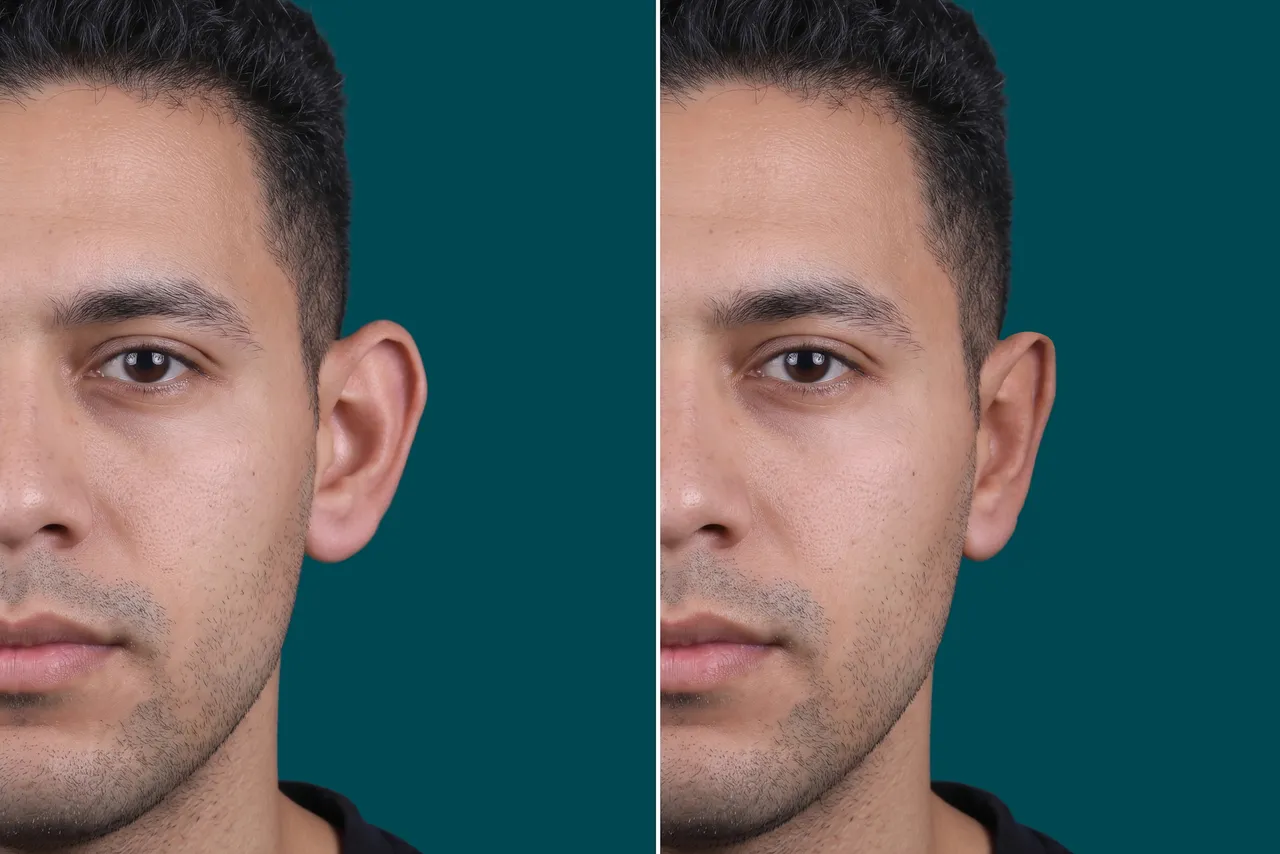
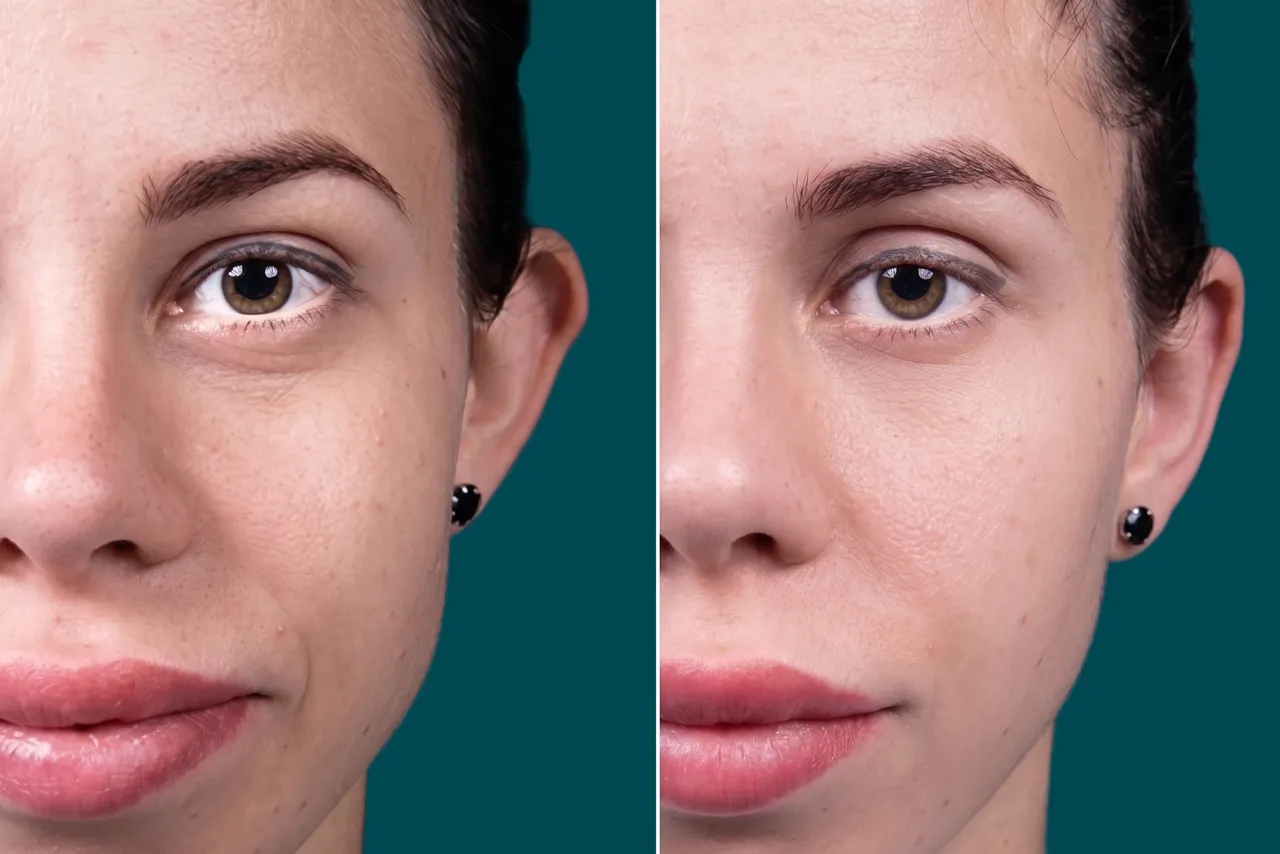
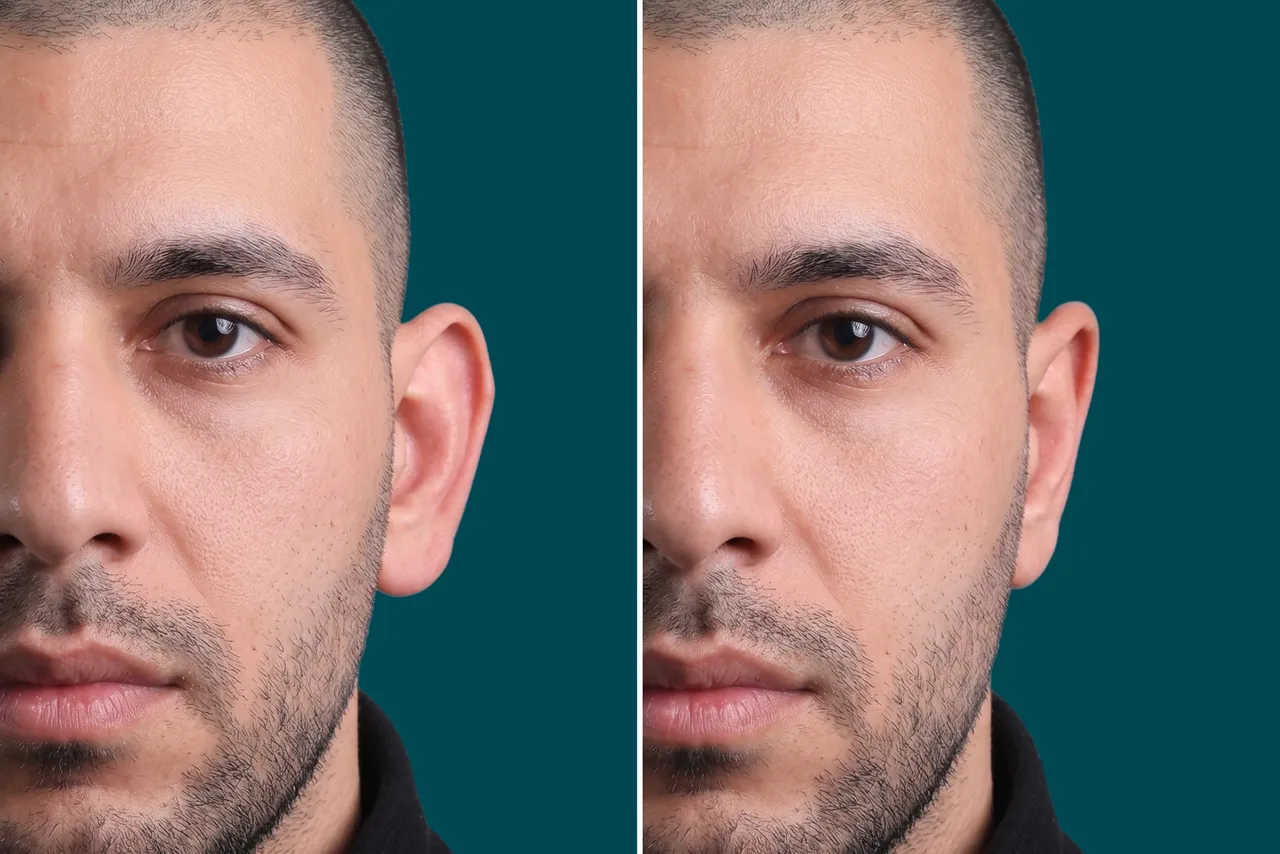
Viewed from the front and from behind, the ears in our otoplasty before and after series sit closer to the head with more natural folds. Their final position settles over several weeks.
Ear Surgery
Ear Surgery
Ear Surgery
Natural Clinic has treated more than 100,000 patients from over 80 countries, and its facial surgery team operates on children as well as adults. That matters on this page specifically, because it is the only procedure here where the patient may be seven years old: the consultation, the consent and the anaesthesia review all have to work for a child, not just for an adult. Accredited theatres and a dedicated anaesthesiology department sit in the same building.
1200+ — Advanced treatments across multiple medical specialties
50+ — Experienced specialists working across disciplines
360° — Consultation, treatment, recovery and aftercare coordinated under one roof
150+ — Large-scale medical infrastructure in Istanbul
The complaint is a distance: how far the rim of each ear sits from the side of the head. It is measured at three heights on both ears, six numbers rather than an impression, and the cartilage is folded or scored until both sides reach the figures set before theatre.
.jpg?v=mu2s1hau)
€2,300 general, €2,200 local — both ears either way
Through an incision in the crease behind each ear, permanent internal sutures fold the cartilage into a new shape without removing any of it. Cartilage too stiff to fold is scored on its front surface first and then held with the same sutures. Nothing is cut on the surface people see.
Prominent ears in an adult, or in a child from around age five once the ear is close to adult size. The local-anaesthetic pathway is for adults only.
One night in hospital under general anaesthesia, half a night under local; six nights in Istanbul. Headband continuously for one to two weeks.
Yes, and for a child there is an extra thing to verify. Otoplasty is mature and well established, so ask about process: how many points they measure, and who they talk to.
-1-1280x720.webp?v=mv1dodem)
A child explains the operation back in their own words. Where they cannot, we say wait.
-1280x720.webp?v=mv1dxkcr)
Head to rim at three heights on each ear. Both sides move toward the same target.
-1280x720.webp?v=mv1dxmxq)
From €2,200 against €2,900–€5,500 in Britain. It says nothing about who measured the second ear.
-1280x720.webp?v=mv1dxpnk)
Examination, surgery, the first dressing change and a pre-flight check at about day six or seven.
-1280x720.webp?v=mv1dxrzy)
An international patient team coordinates every appointment in English. Your interpreter is free and stays with you.
-1280x720.webp?v=mv1dxuk2)
Ministry of Health licence, board registration, logged sterilisation cycles, independent anaesthesia review.
The scar is behind the ear; the part to plan around is the headband.
Photos from behind and the side show how far each ear stands out and which natural fold is missing.
Anaesthesia and recovery are planned for age, and children are accompanied by a parent throughout.
Through a cut behind each ear, cartilage is reshaped and held with permanent sutures.
The padded dressing comes off after a few days, and a soft headband takes its place.
Wearing the band at night protects the new shape while the cartilage heals.
How ear surgery sets prominent ears closer to the head, and how the headband protects the result.
Ear surgery, known as otoplasty, reshapes the cartilage of the outer ear to set prominent ears closer to the head or to correct their shape. The cartilage is folded or reduced and held in position with permanent internal stitches, creating a more natural contour without changing hearing.
Ear surgery suits adults and children whose ears have reached near-adult size and who are bothered by ears that stick out, have an unusual shape or differ from each other. For children, the procedure is planned with a parent involved throughout, and the child's own wishes are considered.
Yes. If only one ear is prominent or misshapen, ear surgery can be performed on that side alone. The surgeon plans the correction so the treated ear matches the natural position and shape of the other ear as closely as possible.
Otoplasty pricing reflects how many ears need correcting and how much cartilage reshaping is planned, since recreating a missing fold and reducing an oversized bowl are different tasks. Once your photographs have been reviewed, the confirmed figure, including anaesthesia, dressings and follow-up, is set out in writing before you book.
Your written plan states whether one or both ears are being corrected and gives a single confirmed total. Treating both ears in one session usually means one anaesthetic and one recovery, which is more practical than operating on each side separately.
The ear surgery price typically covers the surgeon's fee, anaesthesia, the procedure, the protective head dressing, the headband used during healing, airport transfers, an interpreter and follow-up appointments. Hotel accommodation is arranged separately. Any additional procedure is listed separately so the total stays clear.
The incision for ear surgery is usually made in the natural crease behind the ear, where the ear meets the head. This placement means the scar is hidden from view in everyday life and becomes less noticeable as it matures.
Otoplasty itself is carried out under anaesthesia. What patients notice afterwards is usually a throbbing or aching sensation for several days, particularly at night when the ears touch the pillow, so sleeping on your back with the head raised and taking prescribed pain relief makes the first nights easier.
In some cases, the ears can gradually move slightly back towards their original position, particularly if the cartilage is strong and springy. Permanent internal stitches and wearing the headband as advised help reduce this risk, and small corrections are possible if needed.
No, otoplasty needs one of the shorter stays among facial procedures. A few days are usually enough for the protective head dressing to be removed, the ears checked for swelling or bleeding and a soft headband fitted, after which most patients are cleared to fly home.
A padded head dressing is applied at the end of ear surgery to protect the ears and control swelling. It is usually removed after a few days in Istanbul, when the surgeon checks the result and replaces it with a lighter headband.
Children can have ear surgery at Natural Clinic when accompanied by a parent or legal guardian, who is involved in the consultation, consent and aftercare. The anaesthesia plan and recovery schedule are adapted to the child's age and needs. Children are also given age-appropriate aftercare instructions.
A soft headband is usually worn continuously for the first period after the dressing is removed, then at night for several weeks. It protects the ears from being bent forward during sleep, which helps the reshaped cartilage settle in its new position.
The ears look closer to the head immediately, but swelling and bruising can make them appear uneven at first. Most swelling settles within a few weeks, and the final position and shape are usually assessed after a few months. Asymmetry in the early weeks is usually due to uneven swelling.
The reshaped cartilage is held by permanent stitches, so the new position generally remains stable as you get older. A minor degree of relapse can occur in a small number of patients, usually within the first months, which is why follow-up checks are part of the aftercare plan.
Otoplasty is usually a standalone operation, and for children it always is. For adults combining it with something else is straightforward, and rhinoplasty is the commonest pairing — so that is the first link.
Personalised Care, Just for You
Send a photograph straight on and one from directly behind the head — the one from behind is what shows the projection. A facial surgeon reviews the case and replies with a realistic, itemised plan: which technique the cartilage looks likely to need, how the two sides will be matched, which anaesthetic, what it costs with free transfers and the hotel arranged, and how many nights in Istanbul. If the patient is a child, tell us their age and whether the idea came from them. No obligation, no pressure, no cost.
Get My Free Surgical Plan100% Confidential & Secure
Reply Within 24 Hours
Reviewed by Board-Certified Surgeons
This is the only operation on the site we regularly perform on children, and the only one where the person who has to be convinced may be seven years old. The technique is mature; what varies between clinics is how carefully both sides are measured and who is actually being asked.

If the person who wants their ears pinned back is seven years old, the hardest part of otoplasty isn't the surgery. It's making sure the idea really is theirs. That's the first thing we look at with children, and it's why this page finishes with them.
For adults the question is simpler. Many tell us they wanted this as children and were never offered it, and they've spent years wearing their hair down or angling their head in photos. Otoplasty in Turkey (you'll also see ear pinning or ear correction) brings those ears in closer, working through a small cut tucked behind each one. Surgeons have been doing it well for decades. What differs between clinics is how carefully both ears are measured.
Seen from above, prominent ears come down to a distance: how far the outer rim of each ear sits from the side of the head. We measure that at the top, the middle and the bottom of both ears, which gives six numbers instead of one general impression. The plan is built from those figures, so both ears are moved towards the same target rather than "a bit closer".
Sometimes the problem is mainly a missing fold in the upper part of the ear, which makes it look flat and open. Sometimes the bowl of the ear is deep and pushes the whole thing outwards. Often it's a bit of both, and the photos from behind usually show which.
They're all the same thing, and the names depend mostly on where you grew up. "Bat ears" is common in Britain and often what children are called at school. Doctors tend to say prominent ears. Whatever the term, otoplasty in Turkey treats the same problem the same way: by moving the ear closer to the head and restoring the fold that's missing.
Only in the very young. A newborn's cartilage is soft enough that a little splint worn for the first few weeks can mould it. After that window closes, the cartilage firms up and no tape, clip or splint will change its shape for good. For children over five and for adults, surgery is the only lasting option, which is why so many adults come to us having tried everything else first.
Think of folding a piece of card and taping the crease, and you're not far off. From behind the ear, the cartilage is bent into the fold it was missing and held with permanent stitches; in most ears nothing is cut away. Where the cartilage is stiff, as it tends to be in adults, its front surface is lightly scored first so it bends more easily and holds the fold. The skin on the front of the ear isn't cut at all, so there's nothing to see from the front.
Otoplasty in Turkey appears on our list twice. Under local anaesthetic it's €2,200, as a day case, with a short ward stay of around half a night and no general anaesthetic. Under general it's €2,300, with a night in hospital. There's only a hundred euros in it, which suits us fine, since we've no reason to steer you. Children are always put to sleep. Adults can choose, with the surgeon's view in mind.
Whichever you choose, both ears are included. That covers the surgeon, anaesthesia, the theatre, the hospital stay where needed, and the headband and dressings. Airport transfers and a translator are thrown in, and we follow up for a full year, with written notes for your GP or paediatrician. Children are priced the same as adults, and a combination discount applies if ear surgery is paired with another facial procedure, most often rhinoplasty.
Elsewhere it's dearer: the table above lists €3,900 to €5,500 in Britain, €3,800 to €5,100 in Germany and €4,950 to €7,200 in America. If you're comparing an otoplasty price, check it covers both ears.
If only one ear sticks out, it can be corrected on its own. Ears are almost never identical to begin with, though, and fixing the prominent side without measuring the other can leave you with a new mismatch. That's why both ears are measured every time, and in many cases both are adjusted, even if one needs much less. The price on our list covers both ears either way.
The overcorrection specific to this operation has a name. Picture an old phone handset. That's the shape you get when the middle of the ear is tucked in hard but the top and bottom aren't. It tends to happen when only the worst-looking part gets fixed. Moving all three measured heights by planned amounts is how it's avoided.
It's worth finding out how many points on each ear the surgeon measures and when those numbers are decided, along with what they do to avoid telephone ear and whether the price is for both ears. For a child, the key question is whether the surgeon will speak to your child directly, and what would make them say "wait". A surgeon for otoplasty in Istanbul who's comfortable with all of that is worth trusting.
A front-on photo flatters almost any ear result, because from the front you can't really see how far the ear stands out. That's why every ear we treat is photographed from directly behind as well, before surgery and again at follow-up. The six measurements show up best from that angle, and so does telephone ear, if a surgeon has pulled the middle in too far.
When you scroll through the otoplasty before and after cases in our gallery, the back views are the ones to linger on. Both ears should sit at a similar distance from the head along their whole length, top to bottom. Your own before and after is photographed the same way, which makes each check-in a fair comparison.
We need two pictures: one straight on, and one taken from directly behind the head, which is the one that really shows how far the ears stand out. We hang on to both for comparison later. Tell us the age if it's a child, and whether the idea was theirs, and our face surgery team will come back to you with a plan.
It's in the fold behind the ear, so the ear itself covers it. Most people forget about it within months, unless they go looking with the ear bent forward.
The first couple of days, a padded dressing covers both ears. Then a soft headband goes on. It stays on round the clock at first, usually for a week or two, and after that only in bed for a while longer, so the new fold can set. Expect the ears to ache and feel tight, maybe a little numb; ordinary painkillers are usually plenty.
Plan on six nights in Istanbul. We change the first dressing and check everything before your flight, somewhere around day six or seven, and most children are back at school (or adults at work) a few days after that. Swimming waits three to four weeks, and contact sport four to six.
Lying face-up, head a little raised, is easiest for the first couple of weeks. Lying on the side presses on the ears and is uncomfortable, and it's exactly what the headband is there to guard against. Children sometimes wriggle out of the band at night, so a parent checking it in the early hours helps.
Adult cartilage is firmer, which changes the technique a little but not the result. Many adults have the operation under local anaesthetic as a day case, awake but comfortable, and some prefer to be asleep. Either way the plan is the same. Adults having otoplasty in Turkey often say the change feels bigger than they expected, simply because they've been hiding their ears for so long.
An ear that's largely missing or badly malformed needs reconstruction, which is a separate field of surgery. It isn't otoplasty, it isn't on our price list, and we refer those cases to a specialist reconstructive unit. Earlobe problems, such as stretched or torn lobes, are also a separate matter; ask if that's what you're after.
In nearly every case, yes. The cartilage has been reshaped, not just held, so the fold stays. Once in a long while a stitch gives way years down the line and a bit of the old stick-out returns. It's uncommon, usually partial, and can be corrected with a smaller second operation.
Child or adult, the right candidate has an ear concern that holds up on examination, is well, and doesn't have an ear or skin infection at the time. Adults need to avoid smoking around the operation. The goal is a close match between the two ears, not two identical ones, since nobody has those naturally.
We usually operate from about five to seven years of age, once the ear has reached close to its adult size. Earlier than that, the ear is still growing and the result is less predictable.
Age is only half of it. We'll chat with your child ourselves, in plain words, and ask what they'd like changed and why. If the answers only ever come from a parent, we'll say the timing isn't right yet. That isn't us being difficult. A child who wanted the operation copes with the headband and the first week far better than one who didn't, and is much happier with the result.
Children are always asleep for it, with a parent close by the whole time. If school teasing is behind the request, tell us. It often is, and booking around a school holiday makes the recovery much easier. Parents often tell us the before and after photos surprised them more than their child, who had simply stopped thinking about their ears.
If your child is the one asking, we'd genuinely like to hear it from them. A short video call, with you in the room, is often enough to know whether now is the right time or whether a year's wait would serve them better.

© 2026 Natural Clinic. All rights reserved.