
 English
 Italiano
 Español
 Français

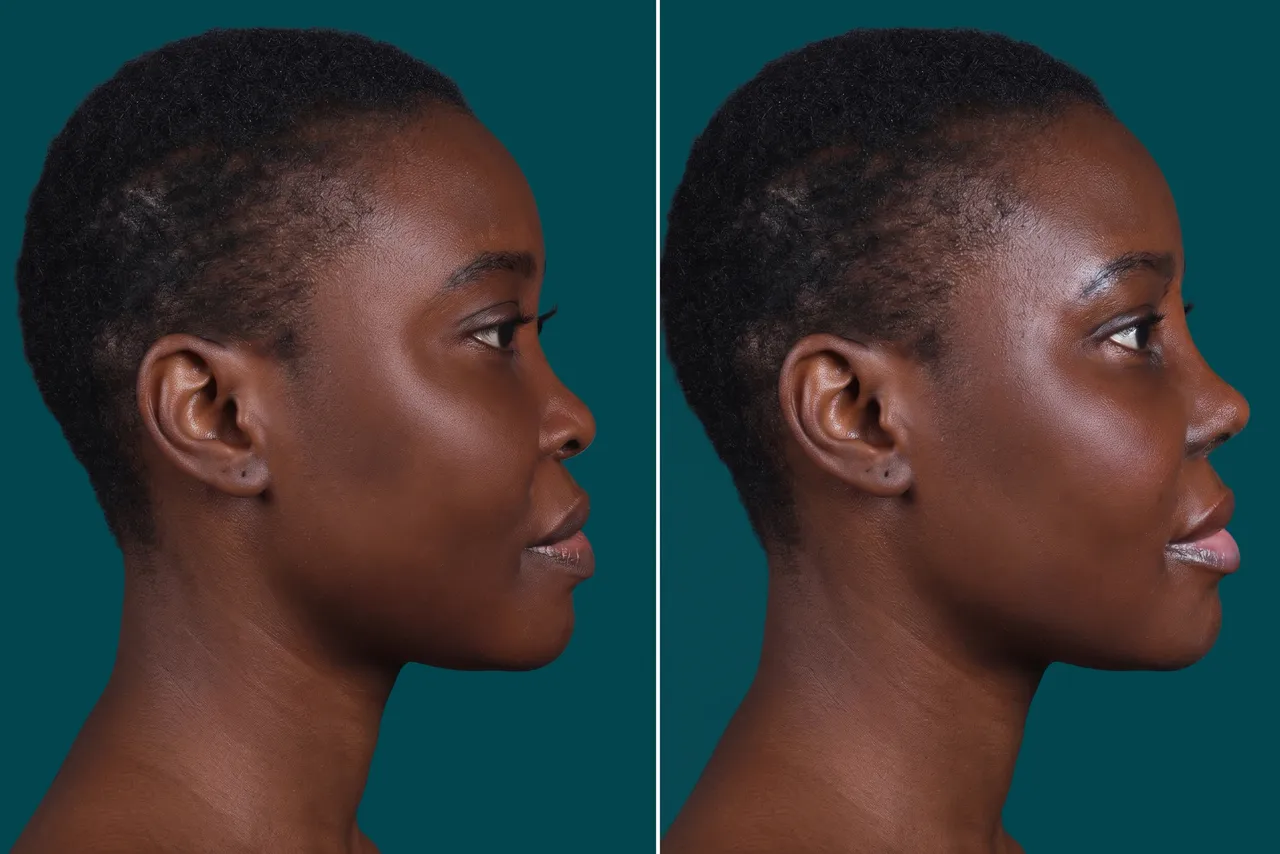
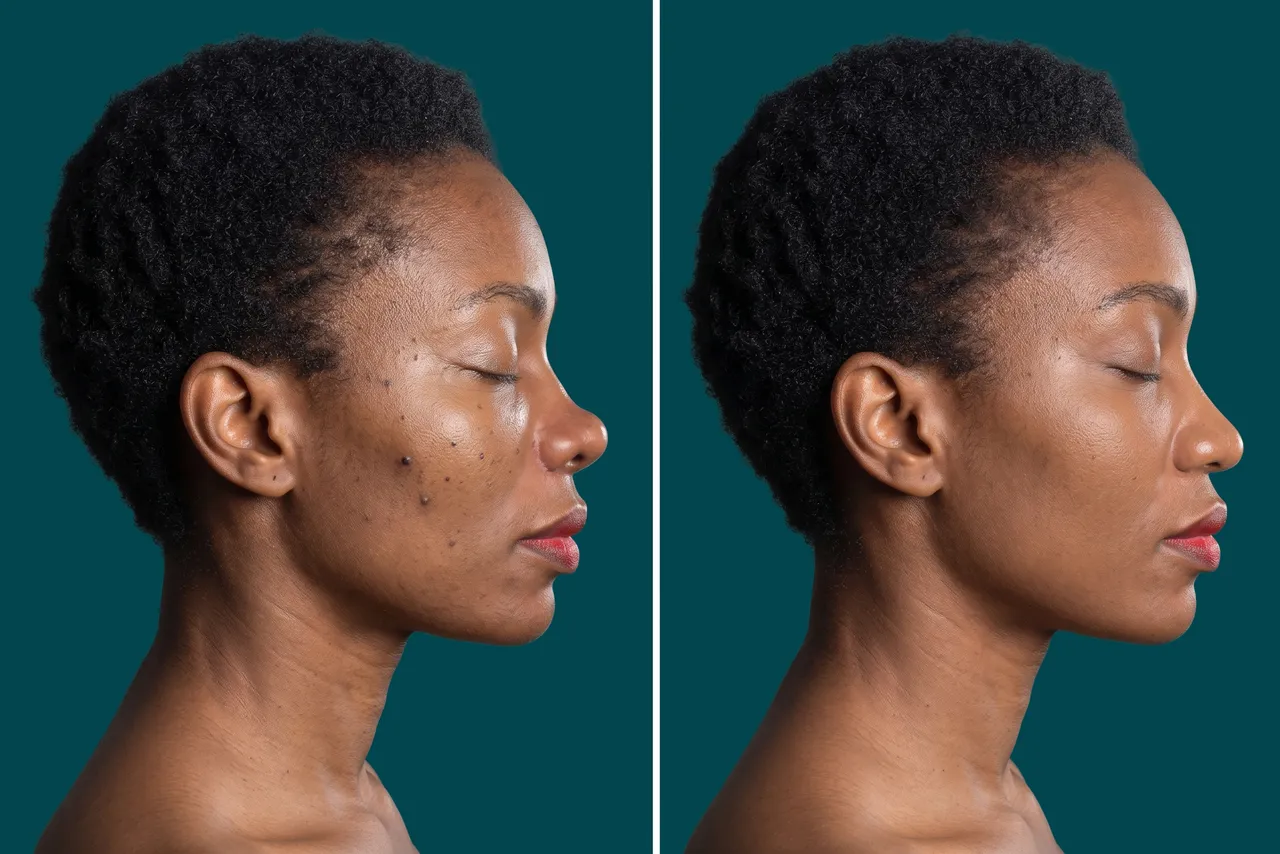



"I don't want to look like someone else" turns up in a lot of the messages we get about ethnic rhinoplasty in Turkey, sometimes word for word. People want a change. They just don't want it to cost them their grandmother's eyes looking back at them from a stranger's face.
They're right to worry. For a long time, a lot of noses were nudged towards one narrow, Western ideal, whatever face they sat on. We start somewhere else, with what you want to keep, and the main rhinoplasty page has the general background if you need it.
What "ethnic rhinoplasty" really means
The name's a bit clumsy, to be fair, since everybody has an ethnicity. We use it anyway, partly because it's what people type into Google, and partly because thick skin and soft cartilage really do change how a nose has to be operated on.
African and Afro-Caribbean noses
Height is the usual request, often a few millimetres more along a bridge that sits low between the eyes. The tip frequently wants some shape as well. If the nostrils flare a lot, narrowing them slightly may go into the plan, and "not too much" is the line we hear more than any other.
Soft cartilage tends to sag back once it's reshaped, so the work leans on adding cartilage for support.
Asian rhinoplasty
Is the bridge low between the eyes? Is the nose short, with a tip that sits close to the face? For many East and South-East Asian patients, yes, and Asian rhinoplasty is mostly a question of adding height and length. A slightly stronger tip often completes the change.
In parts of Asia that's routinely done with a silicone implant. We'd rather use your own cartilage. It heals into the nose and stays put, where an implant can move, show through the skin at the tip or get infected, sometimes a decade later.
Middle Eastern and Persian noses
Here it's often the opposite story. Plenty of Arab, Persian and Turkish patients come in with a strong bridge, a hump and a tip that hangs a little, all under thick skin. A Persian nose job or a Middle Eastern rhinoplasty therefore tends to take a little height off and lift the tip.
What it shouldn't do is chase a tiny nose. Thick skin won't drape over one convincingly. Men from these backgrounds usually want straightness without losing strength, which our male rhinoplasty page talks about.
Turkish noses and the diaspora
We see a lot of Turkish noses here, which isn't surprising, and quite a few patients fly in from the Turkish communities in Germany, the Netherlands and the UK. Typically the bridge is high with a hump on it, the tip drops a bit when they smile, and the skin is fairly thick. With a Turkish nose job we'd normally soften the hump and lift the tip slightly, and leave the overall size more or less alone.
Patients often bring a parent along. That's welcome. Family can be the best judge of whether the plan still looks like "one of us".
Hispanic and Latino noses
There's no single one, really. Latin America has European, Indigenous and African roots, and the noses vary accordingly, from a small hump over a broad tip to a lower bridge that's closer to a Caribbean shape. So with Hispanic rhinoplasty the first job is working out which kind of nose we're dealing with (photos from every angle help a lot). A slightly lifted tip is a common request too, and that needs support rather than trimming.
Raising a low bridge with rib cartilage
The septum rarely holds enough cartilage to build a bridge. Rib usually does. A small piece is taken from the lower chest; in women the cut is normally tucked under the breast crease. It's then shaped into a strip, or diced very finely and wrapped, and laid along the top of the nose.
The scar is small, but it's there for good. There's also a slight risk to the lining of the lung when the cartilage is taken, something experienced surgeons rarely run into. What recovering from it feels like is covered further down.
Implants or your own cartilage?
We touched on this above, and it deserves a few more lines. A synthetic implant saves time in theatre and spares you a second wound. It also stays foreign to your body for as long as it's there.
Using your own cartilage takes the surgeon longer, and if it comes from the rib you'll have a scar on your chest. Once it's healed in, though, it behaves like the rest of your nose. For most ethnic rhinoplasty in Turkey we'd use your own tissue, unless there's a specific reason to do otherwise.
Does it need open surgery?
Most of the time. Grafts that build a bridge have to sit exactly right, and that's far easier when the surgeon can see everything, which is the whole idea behind open rhinoplasty. The little scar under the tip usually fades well. It doesn't change the price.
Breathing comes first
Here's something people don't expect. Slim a broad nose too much from the outside and you can pinch the airway inside. A lot of patients also turn out to have a crooked septum that nobody has ever checked. We look at breathing first, before shape, and any septum work goes into the same operation without changing the price.
Narrowing wide nostrils
Alar base reduction is the name for it. Small wedges come out where each nostril joins the cheek, and the scars hide in that crease. On darker skin they can take longer to fade.
Our rule here is simple: take too little rather than too much. Nostrils narrowed too far look pinched and can change a face more than anything else we do. A little more can always come out later.
Thick skin and a longer wait
If there's one thing to know before ethnic rhinoplasty, it's this. Thick skin holds swelling for a long time, and it softens fine detail. A year is normal for most noses to settle. With very thick skin, the tip may not show its final shape for eighteen months, sometimes two years.
It takes patience. Taping the nose can help, and so can looking after the skin; occasionally we'll use a small injection for swelling that won't go down. Follow-up carries on until the nose has settled, however long that takes.
How much should change?
Usually less than people expect. A difference of two or three millimetres on a nose is quite a lot, and even a small change to the bridge alters how the face looks overall. We'd generally go for the smaller change, because a conservative result can be refined later while an over-done one is much harder to put right. Your before and after should still clearly look like you.
Will it still look like me?
It should. Before anything is planned we ask which features you want to keep, and the plan follows from that. How much changes is up to you. If something you ask for would take the nose too far from your face, we'll tell you. Photos of a parent or a brother or sister are useful when you're keen to keep a family likeness, and so is a line about what you like in your own nose.
If you've already had surgery somewhere else that went too far, it can often be rebuilt; see revision rhinoplasty.
Women and ethnic rhinoplasty
Lots of the women who write to us want their nose softened while keeping the shape their mothers and sisters have. A small change to the tip and bridge usually does it. Our female rhinoplasty page covers the proportions women most often ask about.
Why patients come to Istanbul for it
Istanbul sits where Europe, Asia, Africa and the Middle East meet, and patients arrive from all four. Surgeons here see a huge variety of noses as a result. When you're choosing someone for ethnic rhinoplasty in Turkey, that variety counts. It's fair to ask a surgeon how many patients with a background like yours they've operated on, and to see some of their results.
How to judge ethnic rhinoplasty before and after photos
When you look through the ethnic rhinoplasty before and after results in the gallery above, the first thing to ask is whether the person still looks like themselves, because if they don't, the rest hardly matters. Then look at the height of the bridge from the side and at the nostrils from below.
Check the dates as well. With thick skin the tip is still swollen at three or four months, so a before and after taken a year later is much more useful. Reviews from patients with a similar background can tell you how long their swelling actually lasted.
Recovery after rib cartilage
If rib was used, your chest is the part you'll notice most in the first days, more than your nose. It pulls when you cough or laugh. Sleeping a little propped up helps the chest and the nose at the same time. The ache tends to ease over two or three weeks, and the dressing on the chest is a small one.
Most people book seven to ten nights for ethnic rhinoplasty in Istanbul. The first is spent in hospital. About a week later the nose splint comes off, and we check the chest wound in the same appointment, so you leave with both looked at. Flying home is usually fine around day ten. Heavy lifting and hard workouts wait until the chest has properly settled, which tends to take a few weeks longer than the nose.
Ethnic rhinoplasty cost in Turkey
Ethnic rhinoplasty in Turkey costs €4,000 with us, since building a bridge or supporting a soft tip usually needs extra cartilage. Rib grafting, if needed, is already in that €4,000 price, along with your hospital night, airport pick-ups, an interpreter and follow-up until you've settled.
The table above shows how that compares abroad. One thing it can't show: at some clinics, harvesting rib is billed on top of the quoted ethnic rhinoplasty price. Ask before you compare.