 English
 Italiano
 Español
 Français
 Deutsch
 Português
 Русский
 Български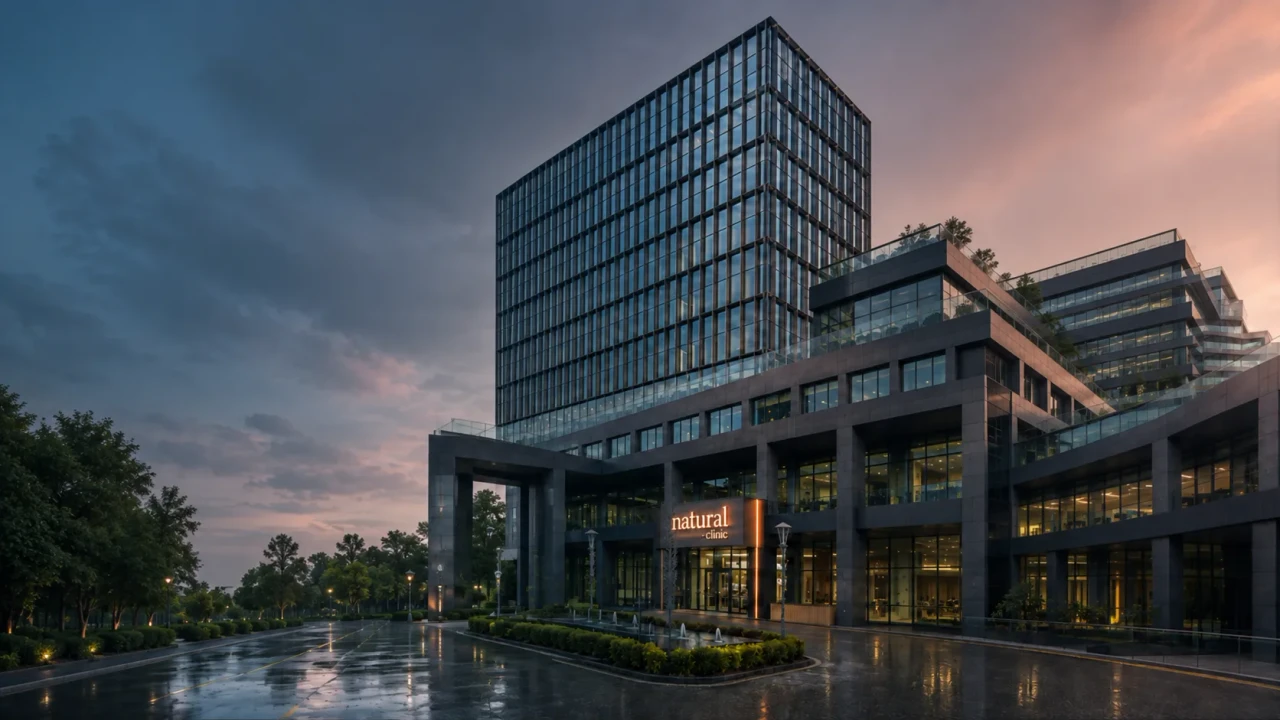
Tummy Tuck
Tummy Tuck in Istanbul · From €4,000
Stomach still sticking out after pregnancy, despite all the crunches?
A tummy tuck removes loose lower-belly skin and tightens separated abdominal muscles, which exercise cannot repair. A full abdominoplasty is €4,000, or €5,000 with three areas of VASER liposuction.
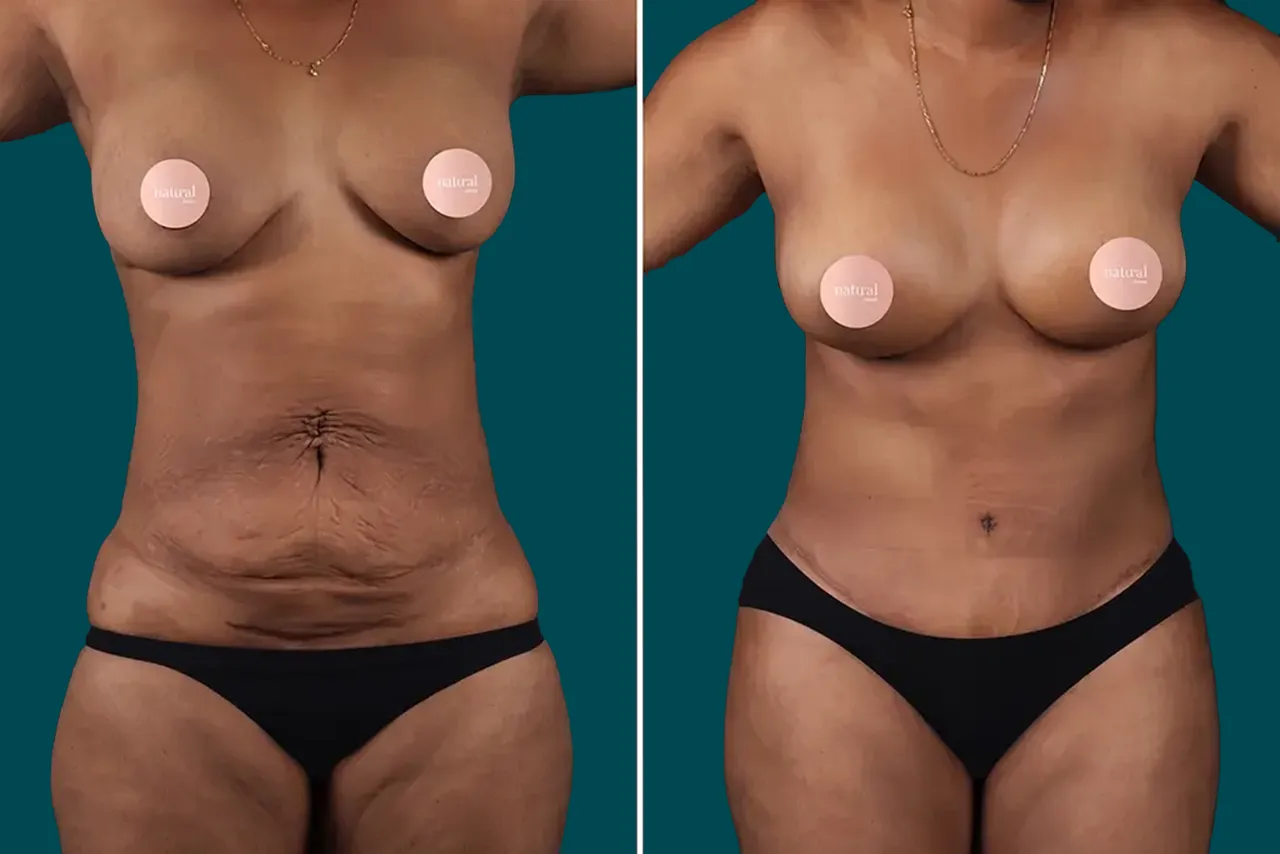
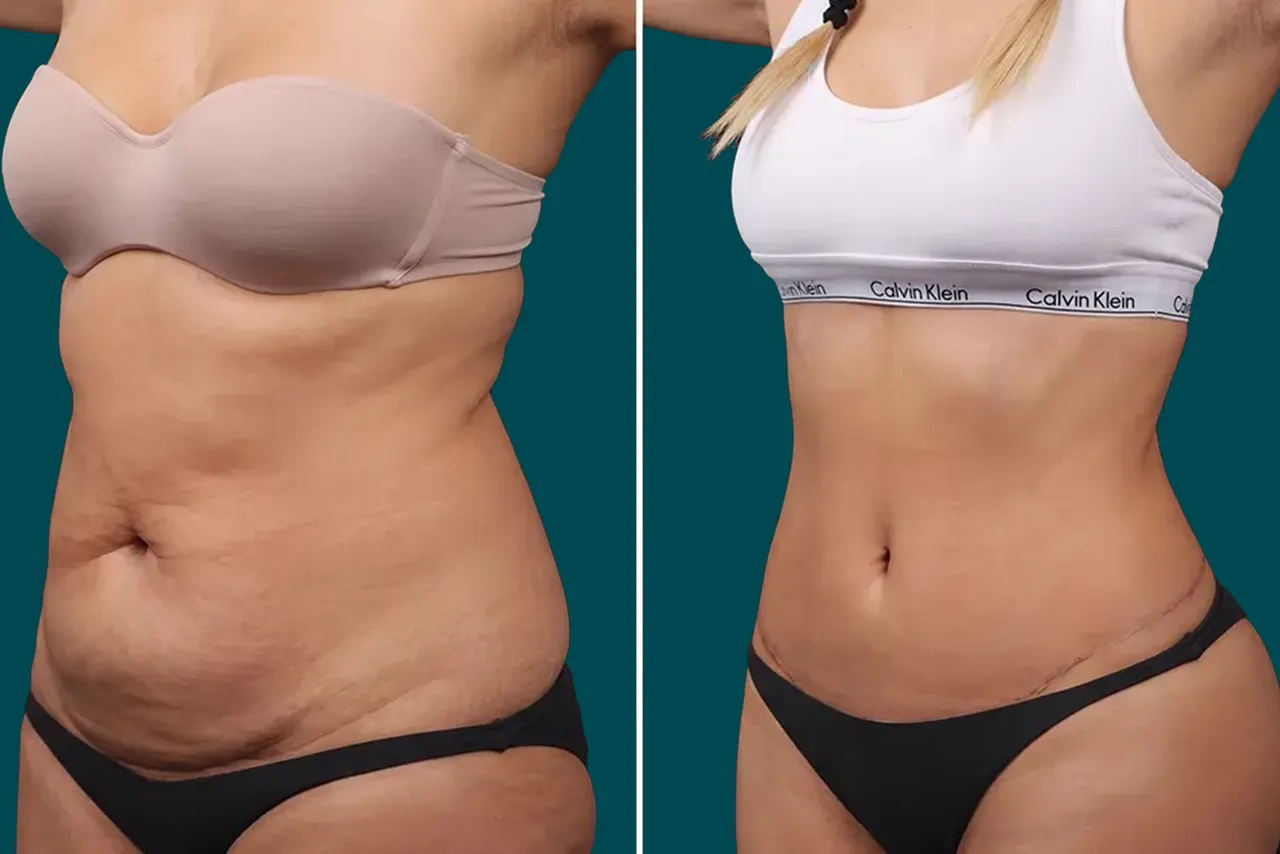
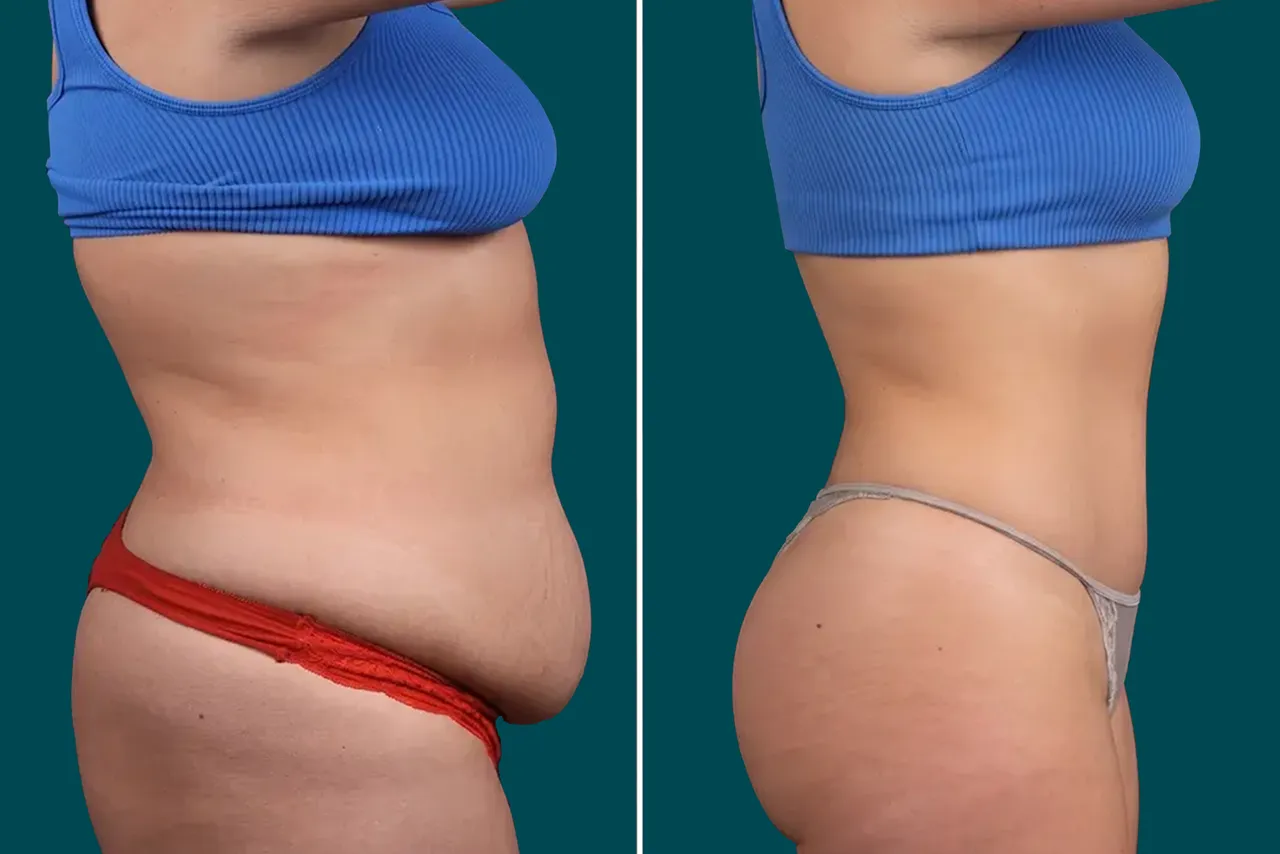
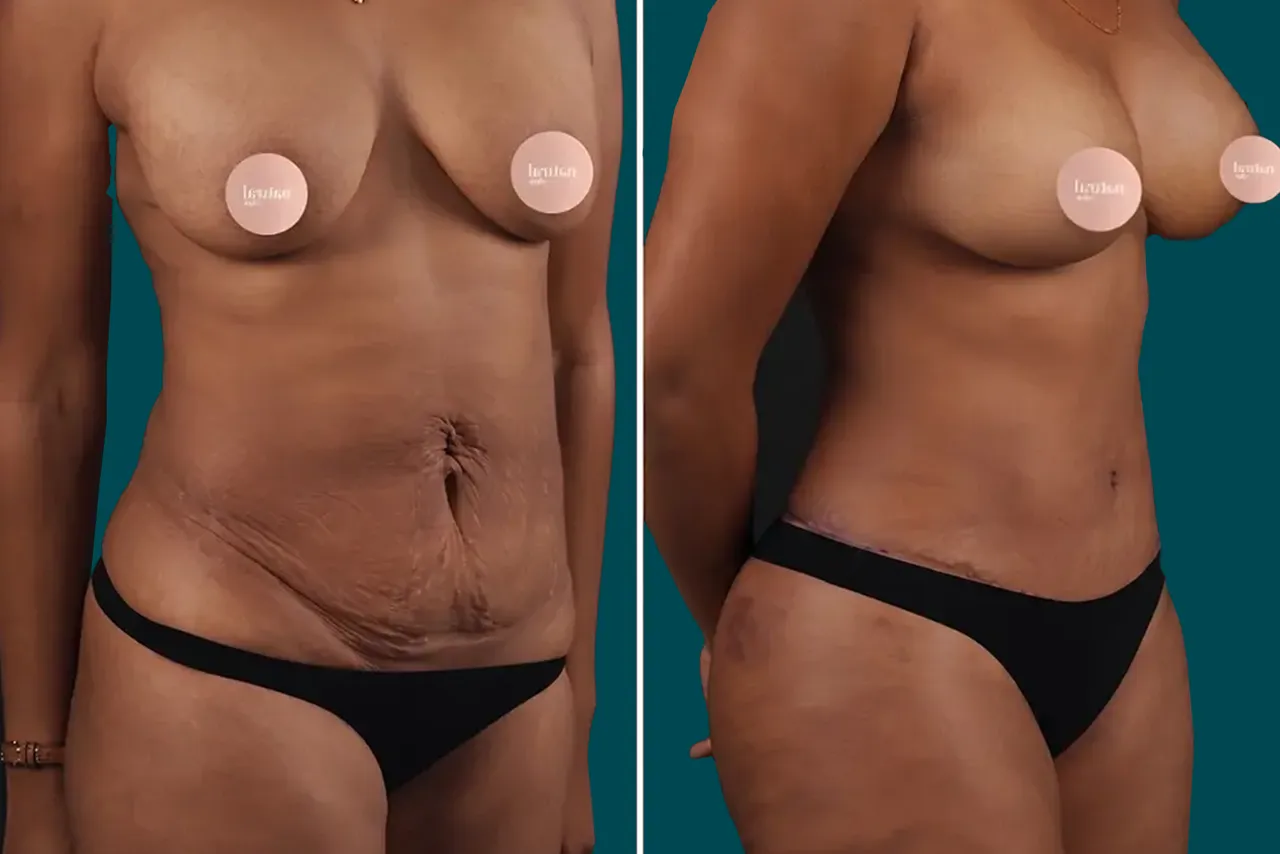
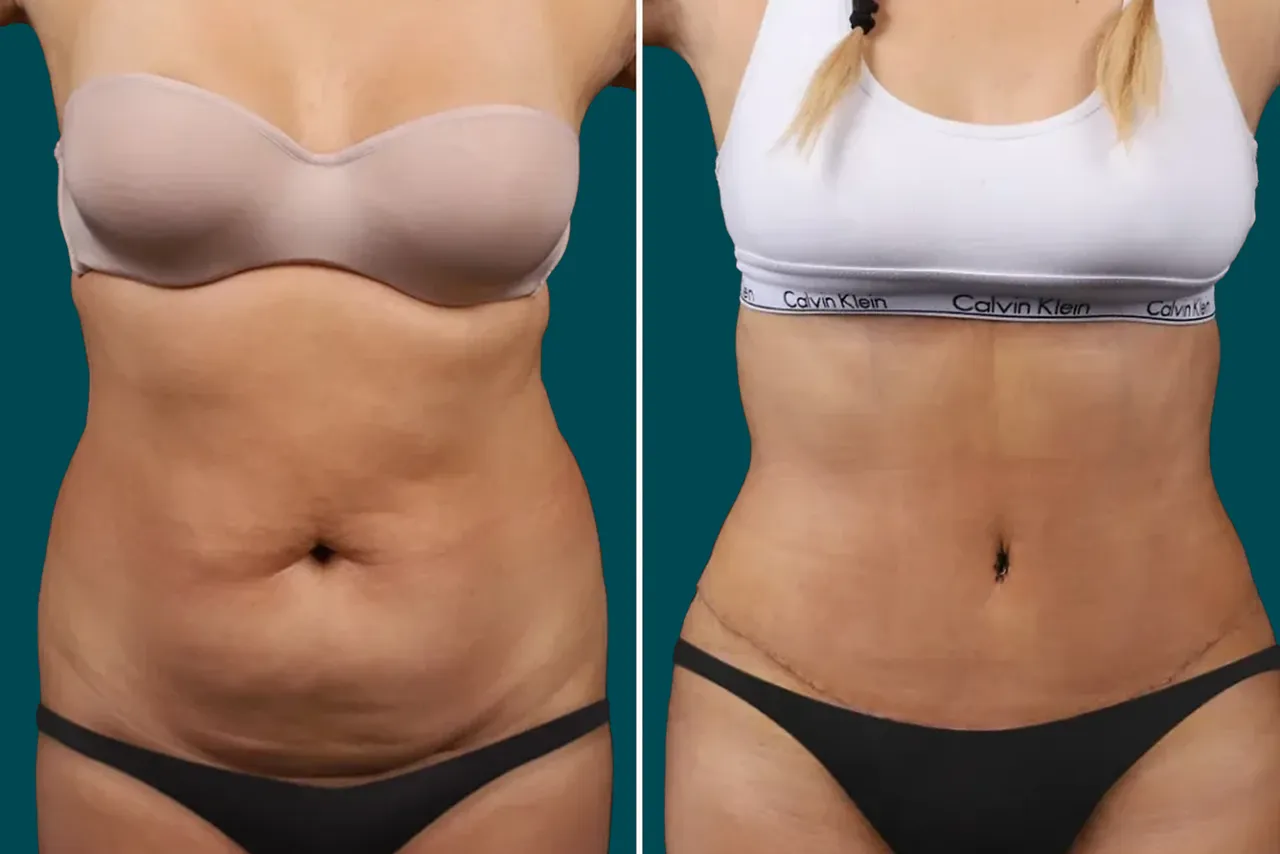
A flatter profile and a scar placed low enough for underwear are the two things to check in tummy tuck before and after images. Muscle repair improves the waist too, although swelling lingers for months.
Tummy Tuck
Tummy Tuck
Tummy Tuck
Natural Clinic brings multiple fields of specialised healthcare together under one roof, combining medical expertise, advanced technology and patient-focused care. From hair transplantation and dentistry to facial, body and breast aesthetics, bariatric surgery and reconstructive treatments, every patient journey is managed by experienced medical teams working across disciplines.
Advanced treatments across multiple medical specialties
Experienced specialists working across disciplines
Consultation, treatment, recovery and aftercare coordinated under one roof
Large-scale medical infrastructure in Istanbul
Two things at once: the loose skin comes off, and the fibrous seam between the abdominal muscles is closed with sutures. Neither exercise nor a cannula closes that seam. What varies is how far the excess runs — and that is measured on you standing, not read from a photograph.
€4,000, muscle repair included
The incision runs low, hip to hip. The abdominal skin is lifted as a single flap to the ribs so the muscle seam can be closed along its whole length, then drawn down and the excess removed. Because the navel stays attached to the wall, it is brought out through a new opening.
Loose skin above and below the navel with a separated muscle wall, commonly after pregnancy or large weight loss.
One night in hospital, six nights in Istanbul. Desk work at two to three weeks; the scar matures across a year.
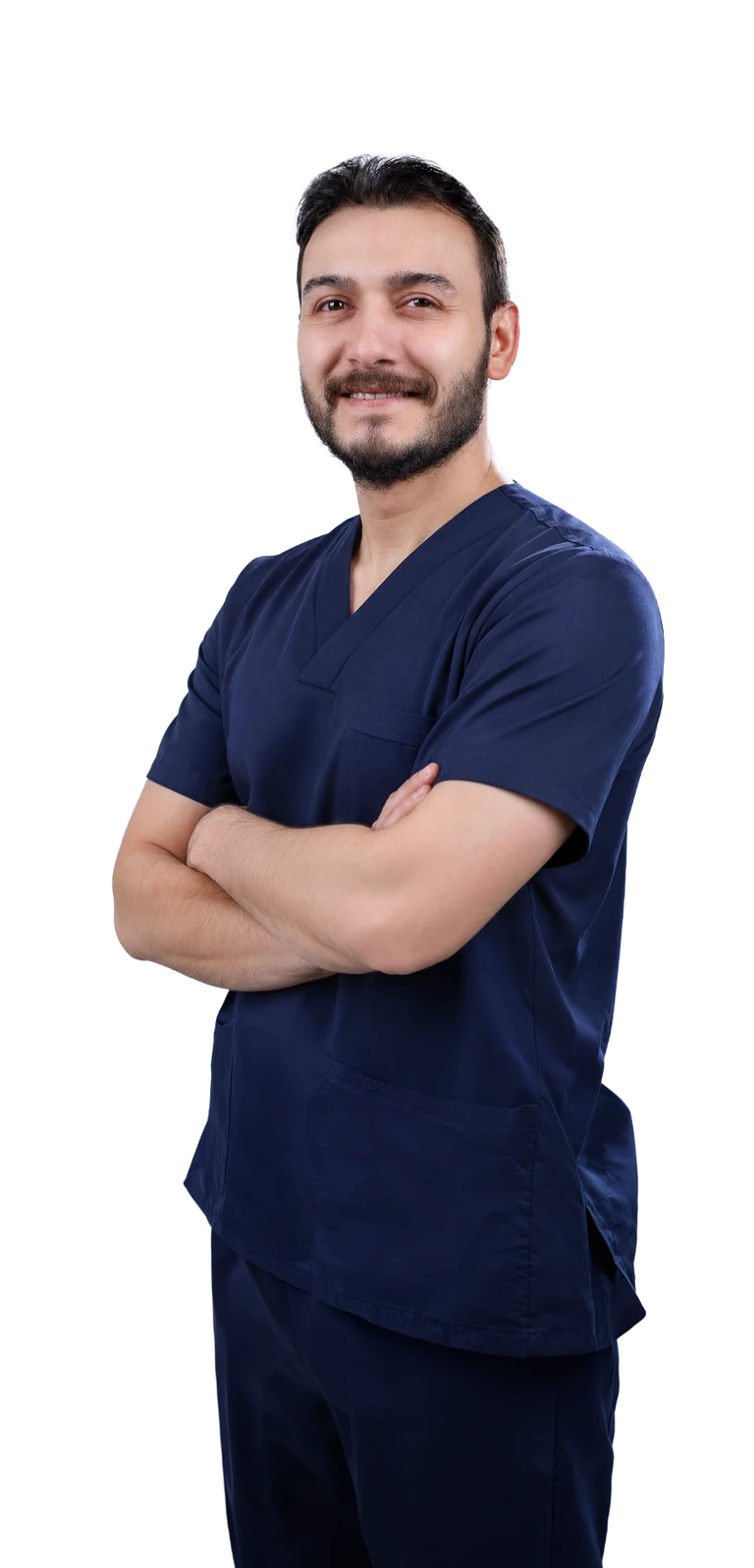
Plastic Aesthetic and Reconstructive Surgery
Dr Emre G. qualified in medicine at Uludağ University in 2007 and completed his specialist training in plastic, reconstructive and aesthetic surgery at Bezmialem Vakıf University between 2008 and 2014, with a research post at the University of Wisconsin School of Medicine and Public Health. He has worked in both public hospitals and private practice, and the reconstructive half of that training shows in how he plans an aesthetic case. He practises at Natural Clinic in Istanbul.
Education
Yes, and what to verify has nothing to do with geography. Three questions do the work: what is my diastasis measurement as a number, which zones would any liposuction cover, and what is your clot-prevention protocol?
-1-1280x720.webp?v=mv1dodem)
High case volume shows in the details that decide the result: how the repair is tensioned, where the incision sits, how the navel opening is shaped.
-1280x720.webp?v=mv1dxkcr)
The diastasis measurement in centimetres, the technique it calls for, and any liposuction zones named individually — in writing, before you fly.
Lower operating costs and the exchange rate produce a real difference, without a shorter stay or a repair that was assumed rather than measured.
-1280x720.webp?v=mv1dxpnk)
Istanbul connects directly to hundreds of cities. Six nights here, one of them in hospital — two where liposuction is added. Nobody flies until the surgeon and the anaesthesiologist both clear it.
-1280x720.webp?v=mv1dxrzy)
Every appointment is coordinated in English and your interpreter is free from consultation to discharge.
-1280x720.webp?v=mv1dxuk2)
Ministry of Health licence, board registration, logged sterilisation cycles and an independent anaesthesia review — all documented before you travel.
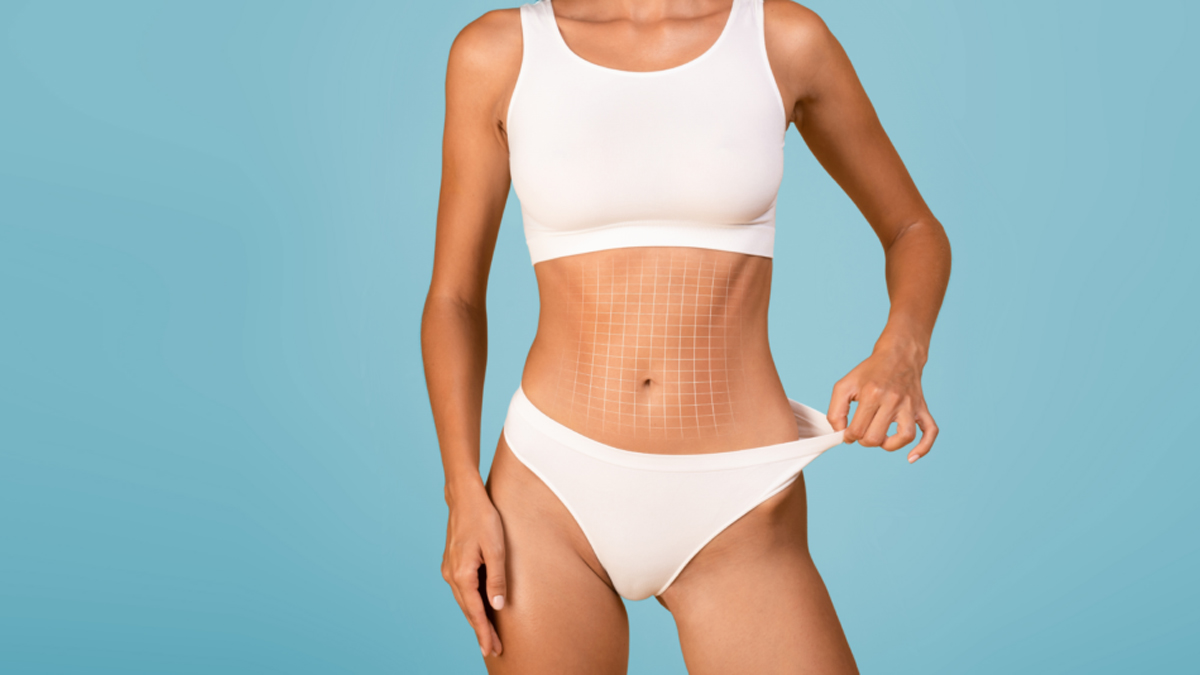
A €4,000 abdominoplasty treats what liposuction can't: loose skin and a gap between the abdominal muscles.
These details help predict loose skin and muscle separation before the examination confirms them.
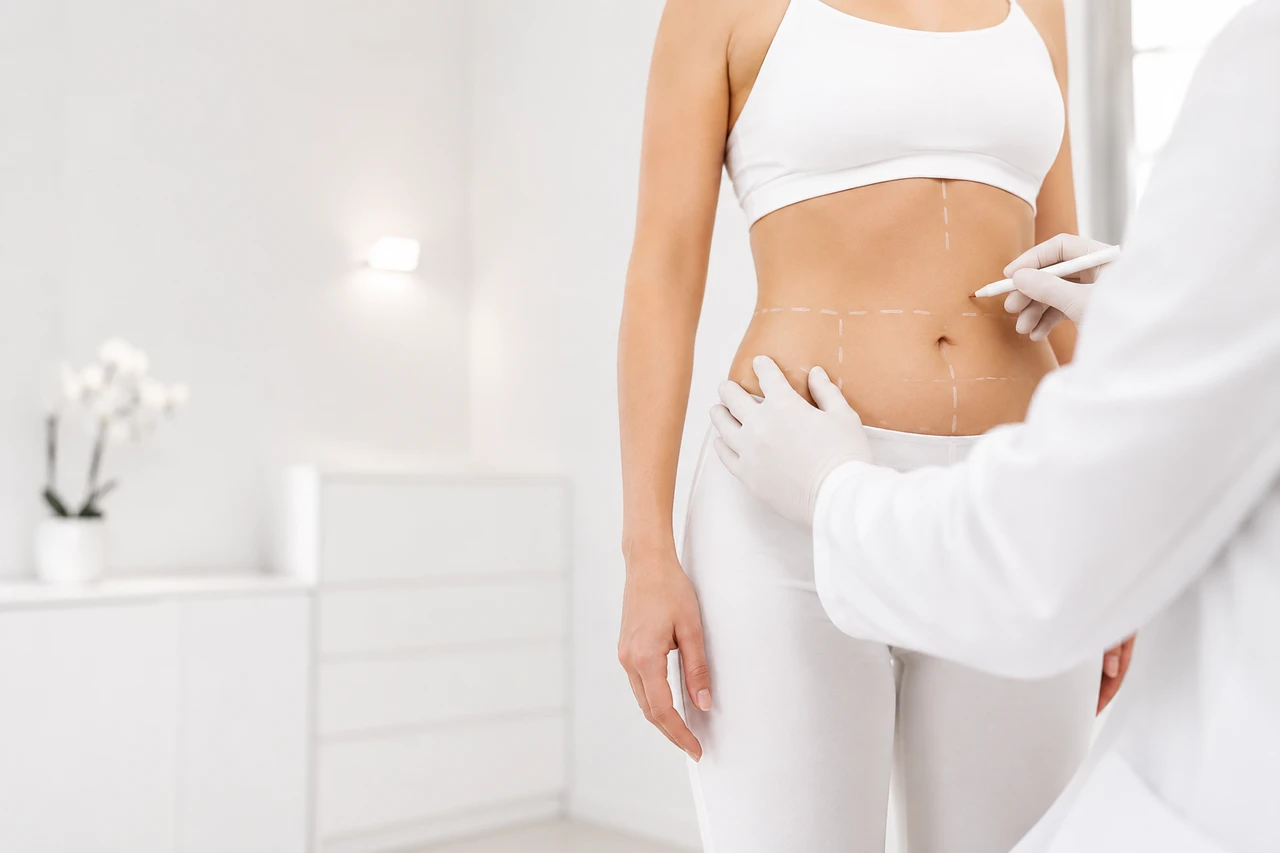
The transverse line is drawn to sit beneath most underwear and swimwear.
Separated muscles are stitched together and the navel is brought out through the tightened skin.
A mild stoop protects the incision in the first days; one ward night, then five in the hotel.
Most people return to office work between two and three weeks; heavy lifting waits longer.
How a tummy tuck repairs loose skin and separated muscles, and what recovery involves.
A tummy tuck, or abdominoplasty, removes loose skin and excess fat from the abdomen and tightens separated abdominal muscles. It creates a flatter, firmer stomach and is often chosen after pregnancy or significant weight loss, when diet and exercise cannot restore the abdominal wall.
A tummy tuck suits people with loose abdominal skin, a protruding abdomen caused by separated muscles, or stretch marks below the belly button, who are at a stable weight. It is best considered once you have finished having children. Your surgeon also reviews any previous abdominal surgery.
A tummy tuck removes the skin below the belly button, so stretch marks in that area are removed along with it. Stretch marks higher on the abdomen may be pulled lower and remain visible, although they often appear less prominent.
Abdominoplasty at Natural Clinic costs €4,000. UK hospitals typically charge between €8,172 and €13,076, so the Istanbul price is roughly half or less. It includes general anaesthesia, the overnight ward stay, your abdominal garment, transfers, an interpreter and twelve months of follow-up.
Yes, by €300 when compared with four abdominal liposuction zones at €4,300. More importantly, liposuction cannot remove loose skin or repair separated muscles, so when either is present the tummy tuck is the operation that actually addresses the problem, at a lower price.
Yes. Natural Clinic's mommy makeover, priced at €7,900, includes a tummy tuck, three liposuction zones and breast augmentation. It is designed for women whose abdomen and breasts have both changed after pregnancy. It combines several procedures in one anaesthetic and one recovery period.
The tummy tuck scar runs horizontally across the lower abdomen, usually from hip to hip, and is placed low so it can be hidden by most underwear and swimwear. There is also a small scar around the belly button, which is repositioned during surgery.
Risks include blood clots, fluid collection, wound-healing problems, infection, numbness of the lower abdomen and visible scarring. Smoking significantly increases wound complications, so stopping beforehand is essential. Calf compression and early walking help reduce clot risk. Wearing the garment and following aftercare instructions also help prevent fluid build-up.
During a tummy tuck, separated abdominal muscles, a condition called diastasis recti, are stitched back together in the midline. This tightens the abdominal wall, flattens the stomach and can improve core support that exercise alone often cannot restore. Many patients notice a flatter profile even when standing relaxed.
Tummy tuck patients usually stay six nights in Istanbul, including one night in hospital. The stay allows the team to check the incision, garment and any drains, and to confirm that you are walking comfortably before your flight. You are encouraged to walk short distances from the first day.
After a tummy tuck, the abdominal skin is tighter, so standing fully upright can strain the incision in the first days. Walking slightly bent at the waist protects the wound, and posture gradually returns to normal as the skin relaxes.
Most people return to desk work around two to three weeks after a tummy tuck. Jobs that involve lifting or physical activity require longer, and heavy lifting and core exercises should wait until your surgeon confirms healing. Driving usually waits until you can move comfortably and brake suddenly without pain.
The abdominal binder is part of tummy tuck recovery for several weeks. Worn day and night at first, it supports the muscle repair, reduces swelling and helps the lifted skin settle smoothly onto the abdominal wall. Your surgeon tells you when you can reduce the hours you wear it.
The low abdominal scar is usually pink and firm for several months, then gradually flattens and lightens over about a year. Because it sits where underwear rests, it is normally hidden. Silicone scar products, avoiding tight waistbands early on and sun protection help it heal well.
Yes. A future pregnancy can stretch the abdominal skin again and separate the repaired muscles, reversing much of the tummy tuck result. It is generally recommended to wait until you have completed your family before having a tummy tuck. Discussing your family plans with your surgeon helps with timing.
The first link is the operation we send people to when the skin still retracts and the seam is intact — fat only, no scar, considerably cheaper. The next two cover what to read if your finding is bigger than one abdomen, and the rest are what a tummy tuck is most often combined with.
Personalised Care, Just for You
Send a photograph standing straight on, one in profile, and one lying flat with your head lifted slightly — that last one is the diastasis test. A body surgeon replies with the measurement in centimetres, the technique it calls for, whether liposuction is indicated and in which named zones, and a fixed price. If the finding is a firm abdomen with nothing to pinch, the plan says no operation. No obligation, no pressure, no cost.
Get My Free Surgical Plan100% Confidential & Secure
Reply Within 24 Hours
Reviewed by Board-Certified Surgeons
The muscle repair is what separates a tummy tuck from liposuction, and it should be measured rather than assumed. The liposuction add-on costs a quarter of its standalone price here — which is exactly why it needs a stated rule.
A stomach that won't flatten can have three different causes, and from the mirror alone you often can't tell which. The skin may have stretched past recovering, the muscles may have parted, or there may simply be fat left over. A tummy tuck fixes the first two. It doesn't really fix the third.
So this page starts where our consultations start, with three simple checks. From there it goes through the operation, the first weeks at home, the scar, the tummy tuck cost in Turkey compared with prices abroad, and how to judge tummy tuck before and after photos.
The first check is a pinch. Below your navel, the surgeon gathers a fold of skin and releases it. If it settles back smoothly, there's still some give in it. If it stays wrinkled, or drops into an apron as you bend forward, it won't tighten again by itself.
Next comes the side view. Plenty of slim women have a lower tummy that still bulges in profile, and that's usually the muscles, not fat. Fat on its own rarely produces that rounded, pushed-out look on an otherwise lean body.
The third is done lying down. You raise your head from the pillow as if starting a sit-up, and the surgeon feels along the middle of your stomach. If the muscles have drifted apart, there's a soft gap between them, often wide enough to fit two or three fingers. That width, in centimetres, is written into your plan.
Almost every later decision comes back to what these three checks find.
In women who've had children, we most often find the same combination: a low fold of skin, muscles a few centimetres apart and a belly button that's grown wider. If there's been a caesarean, there's often a little overhang of skin sitting on the scar. Stretch marks below the navel usually go with the skin that's cut away, while those higher up move lower and often look fainter.
This is the classic case for a full tummy tuck. Exercise can make the muscles stronger, but it won't pull them back together once the band between them has stretched. Planks and crunches can even push the bulge out further. Small umbilical hernias turn up often in this group as well, and the surgeon can usually close one during the tummy tuck.
After a gastric sleeve, a bypass or dieting off a lot of weight, the pinch test usually shows a lot more loose skin, sometimes hanging well below the waistband. Muscle separation varies. Plenty of men end up in this group too after slimming down, and the operation is no different for them, with the scar drawn to sit under an ordinary pair of trunks.
If the loose skin carries on round the hips and over the back, a tummy tuck will only fix the front. In that case a body lift may suit you better, and we'll say so at the start.
Two findings point away from surgery on the skin. If your skin springs back well and the problem is mostly fat, belly liposuction is usually the better operation, with much smaller scars. And if your stomach is firm and round with almost nothing to pinch, the fat is probably deep inside the abdomen, around the organs. No operation on the outside will flatten that. Weight loss is the only thing that helps.
It's worth knowing this before you travel. We'd much rather tell you a tummy tuck in Turkey isn't right for you than have you make the trip for an operation that won't give you what you want.
A mini tummy tuck removes a strip of skin below the navel through a shorter scar. The navel isn't moved, and the muscles are usually left alone. It works well for a small pouch of loose skin sitting low down, which is less common than most people hope.
A full tummy tuck is what the large majority of our patients have. The skin under the navel comes away, the skin above is pulled down to replace it, and the muscles are sewn together along their whole length, ribs to pubic bone. The navel then gets a new opening.
When the loose skin wraps round onto the hips, an extended tummy tuck takes the cut further round to catch it. After very large weight loss, a vertical incision is occasionally added down the middle as well, known as a fleur-de-lis. Because that second scar can show above a waistband, we only suggest it when there's no better option.
It surprises a lot of people, but the belly button is rebuilt. As the surrounding skin is pulled down, the navel stays fixed to the muscle beneath. So a fresh hole is made in the new skin and the navel is stitched into it.
This is a detail worth asking about, because a navel that's too big, too round or obviously stitched is often what gives the operation away. Our surgeons aim for a small, slightly hooded shape, with the scar tucked inside the rim.
On the day of your tummy tuck in Turkey, the surgeon marks the incision while you're standing. We ask you to bring the underwear or bikini bottoms you usually wear, so the scar can be drawn to sit inside them. Any old caesarean scar is normally removed within the same strip of skin.
The operation is done under general anaesthetic. If you have fuller flanks or a roll on the lower back, VASER liposuction can be added to three zones around the waist at the same time. We keep liposuction away from the central abdomen, though, because the lifted skin depends on a reduced blood supply for the first weeks and suction there can damage it. More detail on that technique is on our VASER liposuction page.
You'll wake up wearing a compression garment, usually with two small drains to remove fluid, and you'll spend the first night on the ward. With liposuction added, it's two nights.
During week one you'll walk every day but slightly bent forward, because standing fully upright pulls on the muscle repair. It feels tight and sore more than truly painful. Sleeping propped up on pillows, with a cushion under your knees, takes the strain off the stitches. The drains usually come out after about a week to ten days, and you'll have a final check around day seven before flying home.
After a tummy tuck, blood clots are our main safety concern. It's a fairly long operation, and a tight stomach makes you breathe less deeply and move less for a while, so calf pumps are used during surgery and walking starts on the first day.
Between weeks two and three, most people with office jobs go back to work. The compression garment stays on for about six weeks. Lifting a toddler should wait around six weeks, and anything that works the stomach muscles waits eight to ten. The skin between the navel and the scar is usually numb for some months, with feeling returning gradually.
For about three months the scar looks pink and feels firm and a little raised. It then flattens and pales slowly. Most have become a thin, light line low on the abdomen by twelve to eighteen months. The line never disappears completely. Shielding it from strong sunshine in those twelve months and using silicone sheets once the wound has healed both help.
The best way to judge tummy tuck results is from the side. A stomach that's flat in profile shows that the muscles were repaired as well as the skin. From the front, look at how low the scar sits and whether the navel looks natural.
The same applies to tummy tuck before and after photos from any clinic, ours included. Photos taken in the first few weeks still show swelling, so pictures at six months or later are more honest. Reviews from patients a year after surgery tell you the most, because by then the scar has settled too.
If your weight holds and there's no further pregnancy, the result lasts. Removed skin doesn't grow back, and a muscle repair that has healed properly stays closed.
A full tummy tuck costs €4,000 with us, including the muscle repair. With VASER liposuction to three zones on the flanks and back, it's €5,000, compared with €3,700 plus a €500 VASER fee if those zones were done on their own. That figure includes the surgical team and hospital stay, your compression garments, transfers to and from the airport, an interpreter, and check-ups for twelve months afterwards. Hotels are arranged through us and itemised on their own. Most patients stay six nights in Istanbul in total. Mini and extended versions are priced once we've seen your photos.
After pregnancy, many women combine a tummy tuck with breast surgery in a mommy makeover, which has its own package price.
Abroad, a full tummy tuck costs considerably more: the comparison table shows €8,172 to €13,076 in Britain, €6,902 to €11,648 in America and €6,000 to €8,000 in German clinics.
A few things are worth settling first. If you might want more children, it's usually best to wait, because a later pregnancy can separate the muscles again. We ask for a stable weight over at least the previous six months. If you smoke, you'll need to stop several weeks beforehand. Nicotine makes a long wound like this heal more slowly.
Wherever you go, get three things in writing: your muscle gap in centimetres, which type of tummy tuck is being recommended and why, and exactly what the price covers. With those on paper, comparing a tummy tuck in Turkey with a quote at home becomes straightforward.

© 2026 Natural Clinic. All rights reserved.