
 English
 Italiano
 Español
 Français


Volume, and What It Actually Buys You
High case volume shows in judgement: recognising the leg that needs assessing rather than aspirating.
Leg Liposuction in Istanbul · €3,100 for Four Areas
Thighs rubbing together even when the scale says you're fine?
Leg liposuction reshapes the inner and outer thighs, knees or calves where fat stays regardless of training. Walking starts early, and a compression garment is worn for several weeks.
Natural Clinic brings multiple fields of specialised healthcare together under one roof, combining medical expertise, advanced technology and patient-focused care. From hair transplantation and dentistry to facial, body and breast aesthetics, bariatric surgery and reconstructive treatments, every patient journey is managed by experienced medical teams working across disciplines.
1200+ — Advanced treatments across multiple medical specialties
50+ — Experienced specialists working across disciplines
360° — Consultation, treatment, recovery and aftercare coordinated under one roof
150+ — Large-scale medical infrastructure in Istanbul
The outer thigh, the inner thigh, the knee, and the calf with the ankle are counted separately, so a leg plan is usually two or three zones rather than one. The word "legs" on a quotation does not say which of them, and the count is what sets the price.
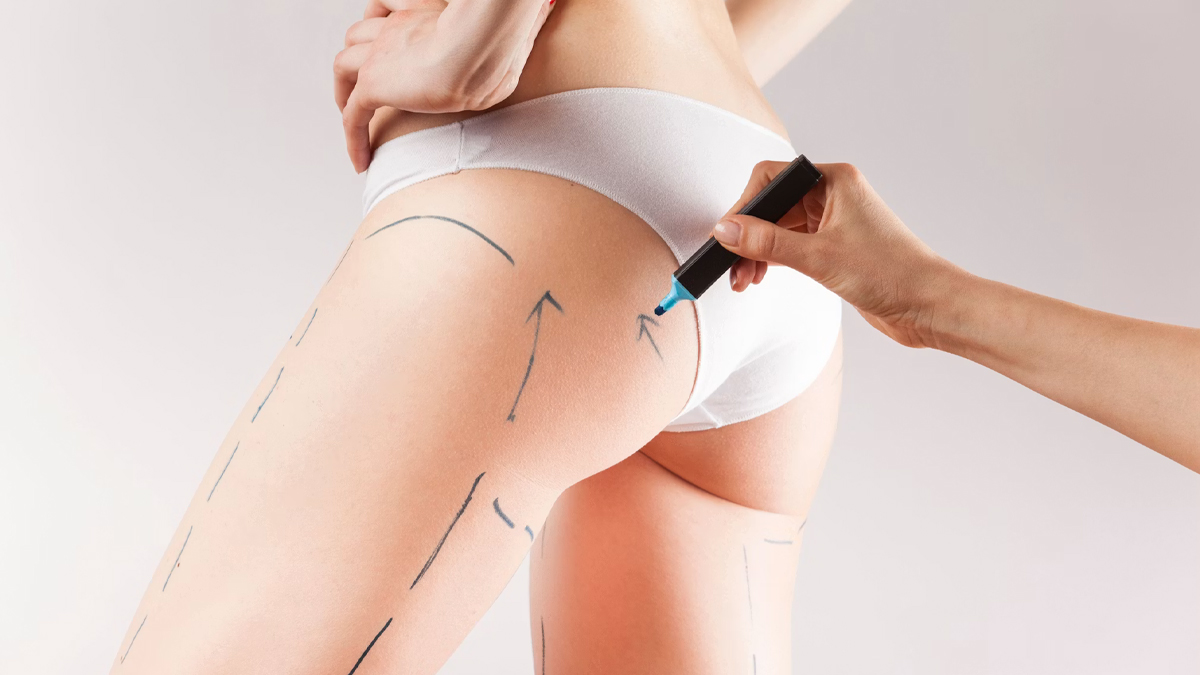
Two or three zones, usually
Fat is removed zone by zone through small access points, and what you are quoted depends on how many. Swelling below the knee settles more slowly than in the trunk, because the leg is a dependent limb with a long drainage route, so the shape takes longer to read here than anywhere else.
Localised leg fat with skin that recoils. Lipoedema is a different condition and is assessed as one, not priced as a zone count.
One night in hospital, four nights in Istanbul up to four zones. Stockings for six to eight weeks; walking from the first day.
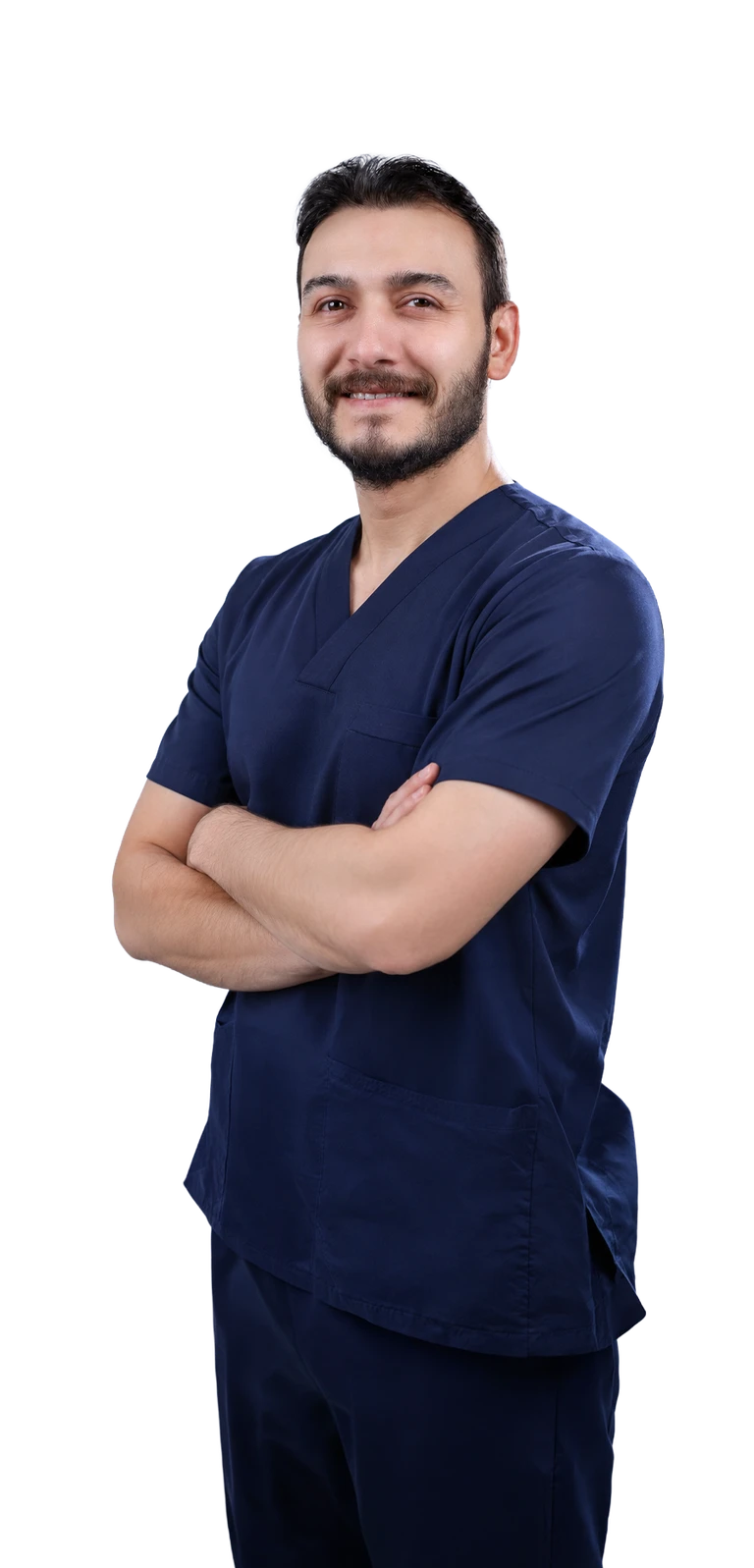
Plastic Aesthetic and Reconstructive Surgery
Dr Emre G. qualified in medicine at Uludağ University in 2007 and completed his specialist training in plastic, reconstructive and aesthetic surgery at Bezmialem Vakıf University between 2008 and 2014, with a research post at the University of Wisconsin School of Medicine and Public Health. He has worked in both public hospitals and private practice, and the reconstructive half of that training shows in how he plans an aesthetic case. He practises at Natural Clinic in Istanbul.
Education
Yes, unless the honest answer is a diagnosis rather than an operation. Two questions do the work: which zones exactly are you treating, and is this ordinary fat or is it lipoedema?
High case volume shows in judgement: recognising the leg that needs assessing rather than aspirating.

Each zone named and counted, the pinch test at each, and the price that count lands on.
Lower operating costs and the exchange rate produce a real difference, with the zone count stated openly.

Istanbul connects directly to hundreds of cities. Four nights here, one of them in hospital.

Every appointment is coordinated in English, with Dutch on request, and your interpreter is free throughout.

Ministry of Health licence, board registration, logged sterilisation cycles and an independent anaesthesia review.
Inner thighs are where liposuction most often disappoints — which is why the pinch test is decisive here.
If inner-thigh skin no longer springs back, a €3,200 thigh lift will do more than €4,300 of four-zone liposuction.
Zones are drawn so each flows into the next rather than leaving a step between them.
Thin leg skin shows irregularities easily, so narrower instruments and slower passes are used.
Walking immediately helps drain swelling and lowers clot risk.
Fluid pools in the lower limbs, so ankles and knees stay swollen after the torso would have settled; judge the legs at about half a year.
Thin leg skin makes the pinch test especially important before leg liposuction.
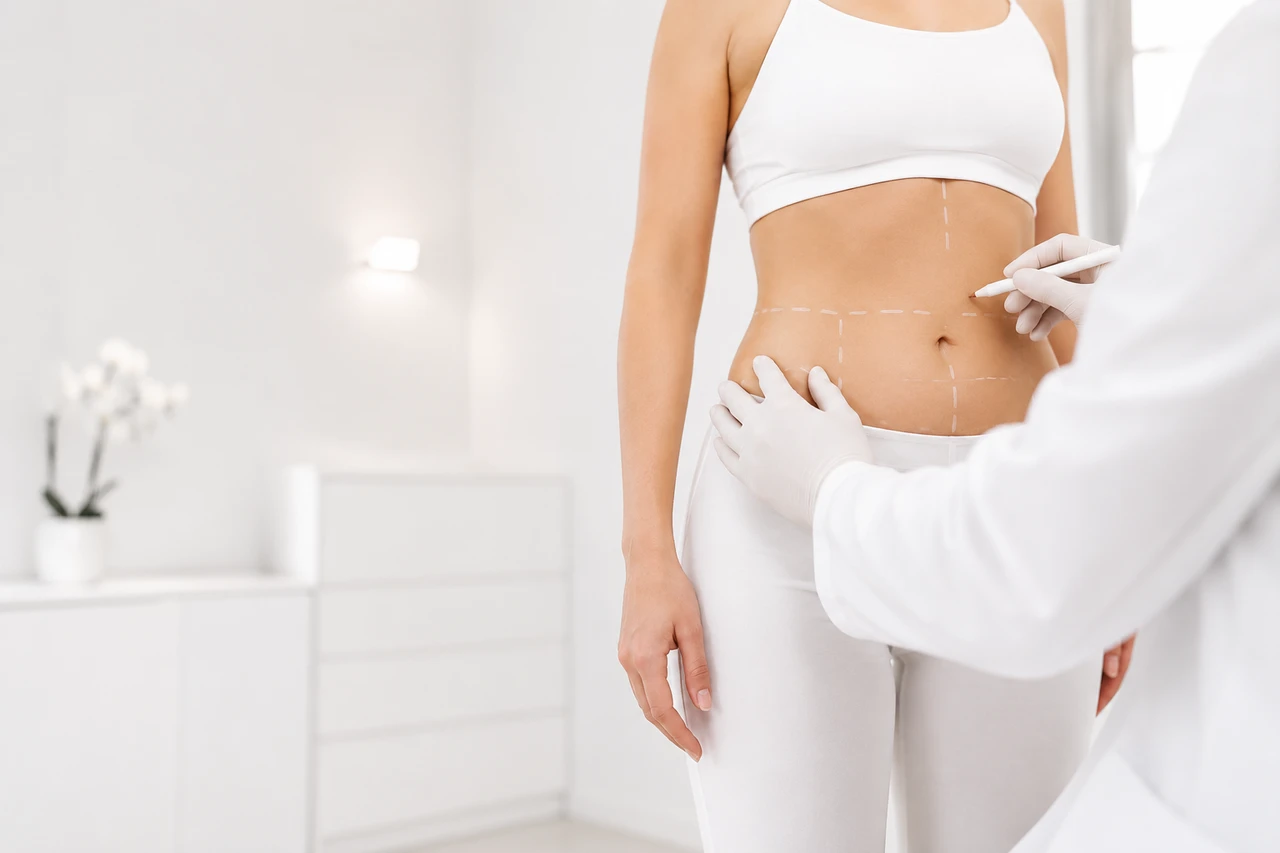
Leg liposuction removes stubborn fat from areas of the legs such as the inner and outer thighs, knees and calves. It aims to create smoother, more proportionate contours, particularly where fat persists despite exercise and a healthy diet. Each treated area is planned so it blends smoothly into the next.
Leg liposuction can treat the inner thighs, outer thighs, front and back of the thighs, the area around the knees and the calves and ankles. Each area counts as a zone, and the combination chosen depends on your anatomy and goals.
Inner thigh skin is often thinner and less elastic than skin elsewhere. If it does not spring back when pinched, removing fat alone may leave it looser, and a thigh lift may give a better result than leg liposuction. Your surgeon tests skin recoil during the consultation.
Legs are priced zone by zone, so treating only the outer thighs costs less than combining inner thighs, knees and calves. As a reference, four thigh zones are €4,300 at Natural Clinic. Each leg area you choose is named in the written plan along with the resulting tier, before you book travel.
Not always. At Natural Clinic, a thigh lift costs €3,200, while treating four thigh zones with liposuction costs €4,300. When inner thigh skin is loose, the thigh lift may be both more effective and less expensive. Your surgeon explains which option suits your skin quality.
VASER can be added to leg liposuction for €500 when the surgeon judges that ultrasound loosening will help, for example around fibrous outer-thigh fat. It is shown as its own line in your plan, and it is one of the items excluded from combination discounts.
The skin on the legs, especially the inner thighs, is relatively thin, so irregularities can show more easily if fat is removed unevenly. Surgeons use finer cannulas and careful technique to reduce this risk and achieve smooth contours. Extra care is taken around the inner thighs and knees.
Because the legs are where clots most often form, prevention is built into leg liposuction: inflatable calf sleeves work throughout the operation, you are helped to stand and walk the same day, and compression garments keep blood moving afterwards. For the flight home, stockings and regular movement are advised.
Swelling, bruising, a heavy or tight feeling in the legs and temporary numbness are common after leg liposuction. These usually improve over the following weeks as the tissues heal and fluid is absorbed. Elevating your legs when resting can help reduce discomfort.
Yes. Walking is encouraged from the day of leg liposuction, as it helps reduce swelling and lowers the risk of blood clots. Strenuous exercise, running and heavy leg workouts should wait until your surgeon confirms it is safe. Short, frequent walks are more helpful than long periods of standing.
Compression garments that cover the treated leg areas are worn after leg liposuction, usually continuously for the first weeks. They help manage swelling, which tends to settle more slowly in the legs, and support smooth skin retraction. Your surgeon advises how long to continue wearing them.
Your flight date is set by the surgical team after reviewing swelling, mobility and clot risk. Wearing compression garments, staying hydrated and moving your legs regularly during the flight are recommended to support circulation. Choosing an aisle seat makes it easier to stretch your legs.
Gravity causes fluid to collect in the lower limbs, so swelling after leg liposuction, particularly around the knees and ankles, often lasts longer than after torso procedures. Elevating your legs and wearing compression help it resolve. This is a normal part of recovery and not a sign of a problem.
Because swelling settles slowly in the legs, the final result of leg liposuction is usually assessed around six months after surgery. Contours continue to refine gradually during this period as the tissues adapt. Patience is needed before judging the final shape.
The fat cells removed from the thighs, knees or calves do not return, so the slimmer contour is long-lasting. The cells that remain can still grow with significant weight gain, which may soften the result, so a stable weight and regular activity help preserve the shape of your legs.
The thigh lift is the operation this page sends people to most often, so it is first. Liposuction itself sets out the full eight-step zone ladder if legs are one of several regions you are weighing up.
Personalised Care, Just for You
Send photographs of both legs standing — front, side and back — and one of your feet and ankles. A body surgeon replies with the zones he would treat, the count, the price, the inner-thigh pinch-test finding and whether the calf is muscle or fat. Where the pattern fits a condition, the reply names it and recommends assessment instead, which costs you nothing and earns us nothing. No obligation, no pressure, no cost.
Get My Free Surgical Plan100% Confidential & Secure
Reply Within 24 Hours
Reviewed by Board-Certified Surgeons
Four zones, €3,100 to €4,300, and a thigh lift at €3,200. Then the part that makes this region different: the fat itself can be a condition, and the drainage of the lower limb rather than the skin can set the limit.
One person tells us her thighs rub raw on hot days. Another can't find jeans that fit both waist and hips. A third has run for ten years and still has the same soft patch above each knee. Most of them are a perfectly healthy weight, which only adds to the frustration.
Leg liposuction in Turkey can solve a lot of this. The leg is also, though, where liposuction gets misused most often. That's why we've organised this page as a walk down the leg, starting at the hip and finishing at the ankle, with a straight answer for each stop along the way.
Saddlebags sit on the outer thigh, just under the hip bone. Plenty of very fit women have them. The good news is that they usually do well with liposuction. The outer-thigh skin tends to be thick and springy, and after the fat comes out it pulls in tidily.
Take them away and trousers and skirts hang differently, once the swelling has gone. We often treat them together with the hips and flanks, since from waist to thigh the eye reads one continuous curve.
Inner thighs come up more than any other leg area, and usually the complaint is chafing. When the thighs rub with every step, summer gets uncomfortable and clothes wear through at the seam.
They're also where the leg is least forgiving. Inner-thigh skin is thin to start with. Weight loss and age take its spring away earlier than they do elsewhere on the body. If the pinch test shows the skin won't tighten, removing fat leaves it hanging and creased. In that case a thigh lift at €3,200 does more for you than four zones of liposuction at €4,300.
Many people mention wanting a "thigh gap". Whether you have one depends heavily on the width of your pelvis and how your hips are set, not just on fat. Liposuction can reduce rubbing a lot. It can't change your bone structure.
The front of the thigh is usually treated lightly, if at all. The fat layer is thinner and irregularities show more easily. Occasionally there's a soft bulge just above the kneecap, and we treat that as part of the knee.
At the back, the tricky spot is where the thigh joins the buttock. Just below the buttock crease there's a band of fat, sometimes called the banana roll, that helps support the buttock. Remove too much from that spot and the buttock can drop and the crease can double, which is very hard to correct. A careful surgeon treats this area sparingly or leaves it alone. If you want more shape at the buttocks themselves, a Brazilian butt lift adds it rather than taking anything away.
Fat on the inner side of the knee is a common complaint. On an otherwise slim leg, that little pad still softens the outline between thigh and calf. It's a quick operation through a couple of tiny cuts, and people are often surprised how much better their legs look in skirts and shorts afterwards.
Skin around the knee is thin, so less is taken and the work is done with fine instruments. Swelling here takes longer than you might expect to go down.
Calves and ankles are the most declined requests on our list, and it's worth explaining why. Most of the width of a calf is muscle, not fat, and liposuction can't make muscle smaller. What fat there is over the muscle is often only a thin layer, and the skin is tight.
The lower leg also has the slowest drainage in the body. Swelling after calf or ankle liposuction can last for many months, and in some people the lymph drainage doesn't fully recover. So we only operate where there's a clear layer of fat that the examination can feel. Where the calf is mostly muscle, we'll tell you so, and surgery isn't the answer.
Lipoedema is a condition of fat tissue that affects mainly women, and it often goes undiagnosed for years. The pattern is distinctive. Both legs are affected evenly. The fat is tender when pressed and bruises easily. It doesn't shrink with diet even when the upper body slims down. And it ends sharply just above the ankle, leaving the feet normal, which can give a "cuff" appearance.
Recognise yourself in that description? Then a diagnosis should come before any cosmetic quote. Treating lipoedema with liposuction is, in practice, a different undertaking. More volume is usually removed, the technique has to protect the lymph vessels, and several sessions are common. It's typically done alongside compression and other treatment managed by a specialist.
We assess for lipoedema when you send photos, and the photo of your feet and ankles is a big part of that. If the pattern fits, we'll say so and explain what we'd recommend, which may well be assessment at home first.
Those who get the best results usually have one or two well-defined pockets, say saddlebags or inner knees, that haven't budged in years at a steady weight. When pinched, their skin snaps back. They aren't prone to bruising, and pressing on the fat doesn't hurt. They want a better outline rather than smaller legs overall.
The people who are disappointed tend to fall into one of the groups described above. Their thigh skin is already loose, their calves are mostly muscle, or their legs have the pattern of lipoedema. Some are still losing weight and hope surgery will finish the job. None of those is a good reason for leg liposuction in Turkey, or anywhere else, and we'd rather tell you than take your booking.
Hardly anyone comes in about their legs alone. Where there are saddlebags there are often fuller hips and flanks too, and treating them in the same session gives a cleaner line from waist to knee. Every extra area adds a zone, so a plan that includes hips, flanks and two leg areas might be five or six zones, which also changes the stay to six nights.
That's still one operation, priced on our published list, but the anaesthetist reviews the total before anything is confirmed. If the plan is too big for one session, we'll split it, usually doing the trunk first and the legs on a second visit. Combined trips need a little more planning, because the legs need compression stockings while the trunk needs a garment of its own.
Cellulite is the most common disappointment. The dimpling comes from fibrous bands tethering the skin, and liposuction doesn't treat it. In some cases, removing fat beneath cellulite can make it look a little more obvious.
Liposuction also can't reduce muscle anywhere on the leg, and it can't tighten skin that has lost its spring. Those three limits explain most of the unhappy leg results we see from elsewhere.
Recovery after leg liposuction is slower than after the trunk, mainly because of gravity. Your legs are the lowest part of your body, so fluid collects there for longer.
Expect to live in full-length compression stockings, or a leg garment, for six to eight weeks; they come off only for the shower. On the day of surgery itself, the nurses will have you walking. That matters more for legs than for any other area, as the legs are where clots usually start, and it's also why calf pumps are on throughout the operation.
For several weeks your ankles and lower legs will probably puff up by the evening, more so if the knees or calves were treated. Put your feet up whenever you sit. Desk work is usually possible after about a week. Running and leg-heavy exercise wait around six weeks. The thighs settle over three to four months, but below the knee it can take six months before the result is worth judging.
Take photos of both legs while standing, from the front, from one side and from behind, plus one of your feet and ankles. Let us know what you weigh, whether that's changed lately, and whether your legs feel tender or bruise easily. From Istanbul, a surgeon will point out the zones that would help, the price, whether a thigh lift would serve you better, and whether there's any sign of lipoedema. For how liposuction works in general, see our liposuction page, and for the details of each step of leg liposuction in Turkey, we're happy to talk you through it.
Men ask about their legs much less often, and when they do it's usually the outer or inner thighs. Male thigh fat tends to be firmer, and occasionally the ultrasound of VASER liposuction helps. The same honesty about muscle applies: a muscular calf or thigh won't get smaller with liposuction.
On our list the leg is split into four zones: outer thigh, inner thigh, knee, and the calf and ankle together. Both legs are treated together, so one zone means that area on both sides. Two zones are €3,100, three are €3,700 and four are €4,300, and that's the full cost, with anaesthesia, the hospital night and stockings included.
For up to four zones you'll be with us in Istanbul for four nights. The first night after surgery is spent in hospital. UK clinics typically quote €3,200 to €7,000 for this, and American ones €2,600 to €6,900, going by the comparison table. Make sure any quote names the zones. "Legs" on its own can mean one area or four.
When you look at leg liposuction before and after photos, don't just look at the front. Turn to the rear views, and study the places where one area runs into the next. A good result flows from hip to thigh to knee without steps or hollows. Pay attention to how long after surgery the photos were taken. Legs photographed at six weeks will still be swollen, especially around the knees and ankles.
Reviews written at four to six months are the most useful for the same reason. They also tend to be honest about how long the swelling lasted.
© 2026 Natural Clinic. All rights reserved.