
 English
 Italiano
 Español
 Français
 Deutsch
 Português
 Русский
 Български



-1280x720.webp?v=mtmvgmzu)
-1280x720.webp?v=mtmvgz2q)
-1280x853.webp?v=mtmvh8v4)
-1280x720.webp?v=mtmvlhny)
-1280x720.webp?v=mtmvlray)
-1280x720.webp?v=mtmvm5fp)

Most people researching a gastric sleeve in Turkey have already done the diets. Plural. The weight came off, came back, and brought friends. If that's you, here's something our surgeons tell everyone at the first meeting. The operation takes an afternoon. Whether it works gets decided over the next couple of years, and mostly not in a hospital. It gets decided in your kitchen.
The section above explains what the surgeon removes and why your appetite drops. This part is about the rest of it. Who the sleeve suits and who might do better with something else, what happens before you fly, how the gastric sleeve diet moves from liquids to real food, and what gastric sleeve before and after photos can and can't tell you. Then the price, and what's in it.
Gastric sleeve BMI requirements
On paper you need a BMI of 35 or more. Between 30 and 35 you can still qualify, if your weight has brought on something like type 2 diabetes or high blood pressure. Not sure of your BMI? An online calculator will tell you in ten seconds. Doing it by hand means dividing your weight in kilos by your height in metres times itself, which is fiddlier than it sounds.
Hitting the number doesn't make the decision, though. The number is where the conversation starts. Then we get nosy. We'll ask when the weight first crept on, and which diets came after. The one from your twenties counts. So does whatever you tried last spring. We'll go through any tablets or injections you take as well, since some affect weight and some affect surgery. And what does an ordinary Tuesday of eating look like? If most of your calories come from fizzy drinks or picking all day, be honest about it, because a sleeve won't help as much as you'd expect. It shrinks the space. It doesn't stop you sipping calories all afternoon.
Why some people get a bypass instead of a gastric sleeve
People often hope we'll just name the better one. We can't, not without knowing you. It depends on your body, and on what's going on inside it.
Of the two, the sleeve is the more straightforward operation. Your intestines are left alone, so food goes the way it always has and you absorb it the same way. A gastric bypass changes that path. Two things often push us towards the bypass instead. One is a very high BMI. The other is reflux. A sleeve can make existing heartburn worse, and in some people it starts reflux that wasn't there before. That's why the camera test before surgery matters so much.
If your BMI sits below the surgical range, or you'd rather not have an operation at all, a gastric balloon is a temporary option to talk through. Our weight loss surgery page compares all four side by side.
Before your gastric sleeve surgery in Istanbul
Planning starts with your health. The date comes later. We'll ask for your medical history, the medicines you take, any previous operations and recent blood results. You'll also tell us honestly how you eat. Nobody's judging. It helps the dietitian plan.
Most people also have an endoscopy. You're usually sedated for it. A flexible camera, not much thicker than a pen, goes down your throat so the team can see your gullet and stomach first. Occasionally they find a hiatus hernia. Sometimes there's damage from acid that's been washing up for years. Either finding can change the plan, and occasionally the sleeve becomes a bypass.
Before the operation you'll sit down with your surgeon and your dietitian. This is the time for the awkward questions, about risks and about what else you could do instead. Bring a list if it helps. You may also be put on a strict diet for a short spell beforehand. It shrinks the liver, which lies right on top of the stomach and gets in the surgeon's way if it's large. If that applies to you, you'll know in advance.
Had weight loss surgery before? Then it's a different conversation. Revision cases are assessed on their own.
Is a gastric sleeve in Turkey safe? The risks to know
It's major surgery, and it carries the risks that come with that, including bleeding, infection and blood clots. Then there are the ones specific to the sleeve. The long staple line can leak, which is rare but serious, and it's the reason you're watched closely on the ward. Narrowing of the new tube can happen. Reflux, as above, is the most common long-term complaint.
We'd rather you heard all this from us than found it on a forum at 2am. None of it is meant to put you off. Knowing what's normal and what isn't is how problems get caught early.
Gastric sleeve recovery
Gastric sleeve recovery starts on the ward. You'll be up and walking the same day or the next morning. That's on purpose, because moving early helps prevent clots. Two nights on the ward come first. For most people the first two weeks are more about tiredness than pain. The four little cuts on your tummy heal fast. What takes getting used to is how little you can drink in one go.
Sipping becomes a skill. Some people mark times on the side of a water bottle so they don't fall behind, and it's a good trick, because dehydration is a common reason people end up back at a doctor in the early weeks. If you work at a desk, you'll probably be back within two weeks or so. Lifting is another matter. Your surgeon will tell you when.
What you'll eat after a gastric sleeve
Your stomach needs time to heal around that staple line. So food comes back slowly, over several weeks.
The first days are clear liquids. Mostly water. A cup of clear broth helps when you're sick of the taste of nothing. Shakes and runny yoghurt are allowed a little later. Then purée. Imagine baby food, honestly, because that's about the texture. After that comes soft food you could squash with a fork. It takes several weeks to reach normal food, which is the final step of the gastric sleeve diet.
People tend to slip up in one predictable way. They feel great, so they skip ahead. Someone always tries toast in week two. It rarely ends well. Your dietitian sets the pace and adjusts it to how you're coping, and you'll be in touch with them for twelve months.
Some rules stay with you for good. Our dietitians repeat one more than any other: eat the protein before anything else on the plate. Then there's speed. Wolfing food down worked with a full-size stomach. With a sleeve it doesn't, so plenty of our patients eat with a teaspoon for the first while, or set a timer on their phone. When you've had enough you'll feel a light pressure under the ribs. It's easy to miss, and it's your cue to stop. Drinks get their own slot, away from food. Wash a meal down and it slides through faster, and you'll be hungry again sooner than you'd like.
Vitamins, blood tests and other things nobody mentions
Supplements aren't optional after a sleeve. Vitamins and minerals become a daily thing, for life, and a blood test every so often shows whether your levels are right. Deficiencies are sneaky. By the time you're exhausted or your fingers start tingling, one has usually been building for months.
Some hair shedding in the first months is common. It tends to start around month three or four, which catches people off guard because by then they're feeling great. In most cases it grows back. Keeping your protein up and not skipping supplements gives it the best chance.
Alcohol is worth a word. It gets into your blood much faster after a sleeve, so a single glass of wine can hit like three. Go easy. If a baby is part of your plans, mention it early. The usual advice is to hold off until your weight has levelled out. For most people that's at least a year.
Gastric sleeve weight loss: what's realistic
On average, around 20 kilos over six to eight months, as the page says. That's an average across a lot of very different people, though. Where you start matters. So does how closely you stick to the eating plan. None of it is guaranteed.
Gastric sleeve results usually show fastest in the early months. After that it slows, and the scale can stall for a week or two even when you're doing everything right. Stalls are normal. Panicking and cutting food further usually isn't the answer, so speak to your dietitian.
Weight regain after a gastric sleeve
Appetite comes back. It always does, usually from the second year. The stomach can stretch a little over time too, and old habits drift back in when life gets busy.
That's why the follow-up exists. Regain is much easier to turn around when you catch it at three kilos than at fifteen. If a sleeve stops working well in the long run, it can sometimes be converted to a bypass. It can't be reversed, though. The removed stomach is gone for good.
Gastric sleeve before and after photos
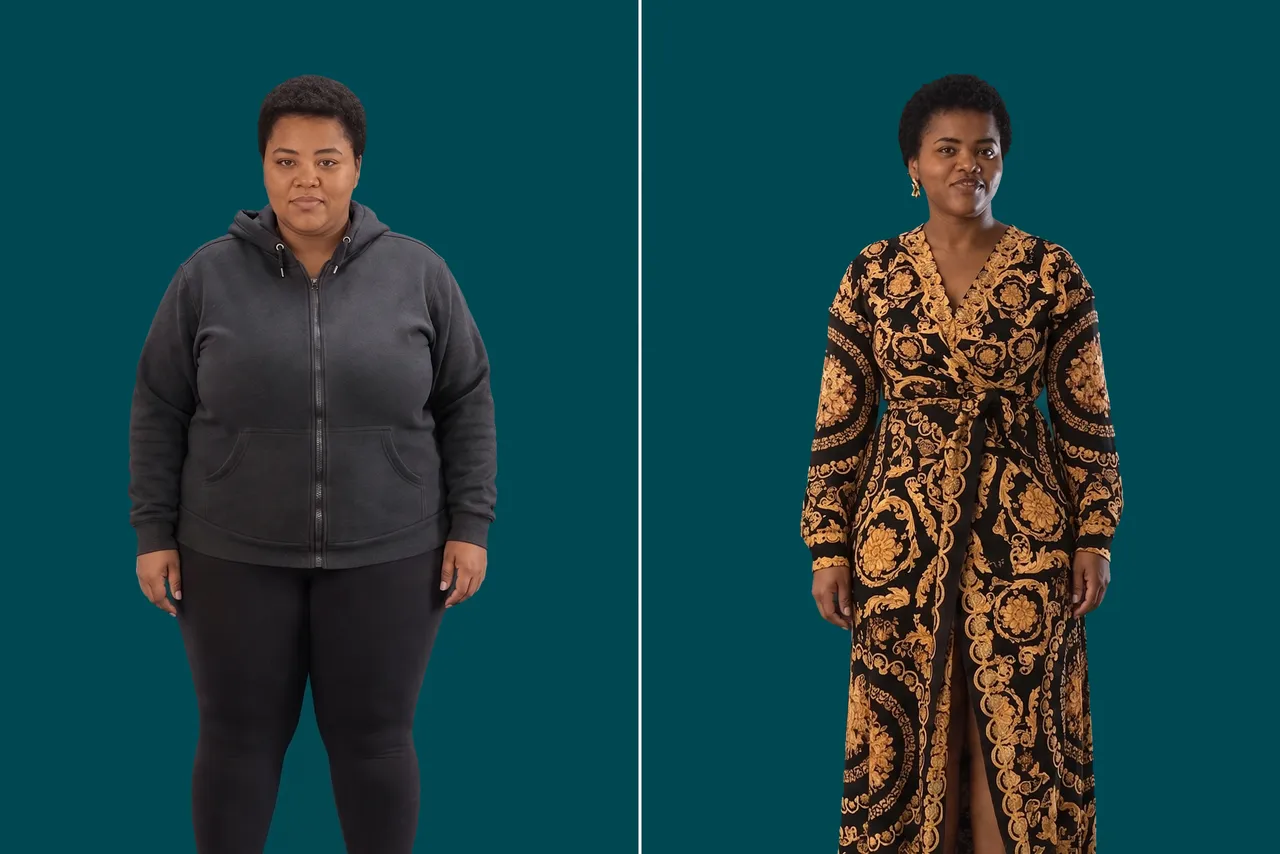
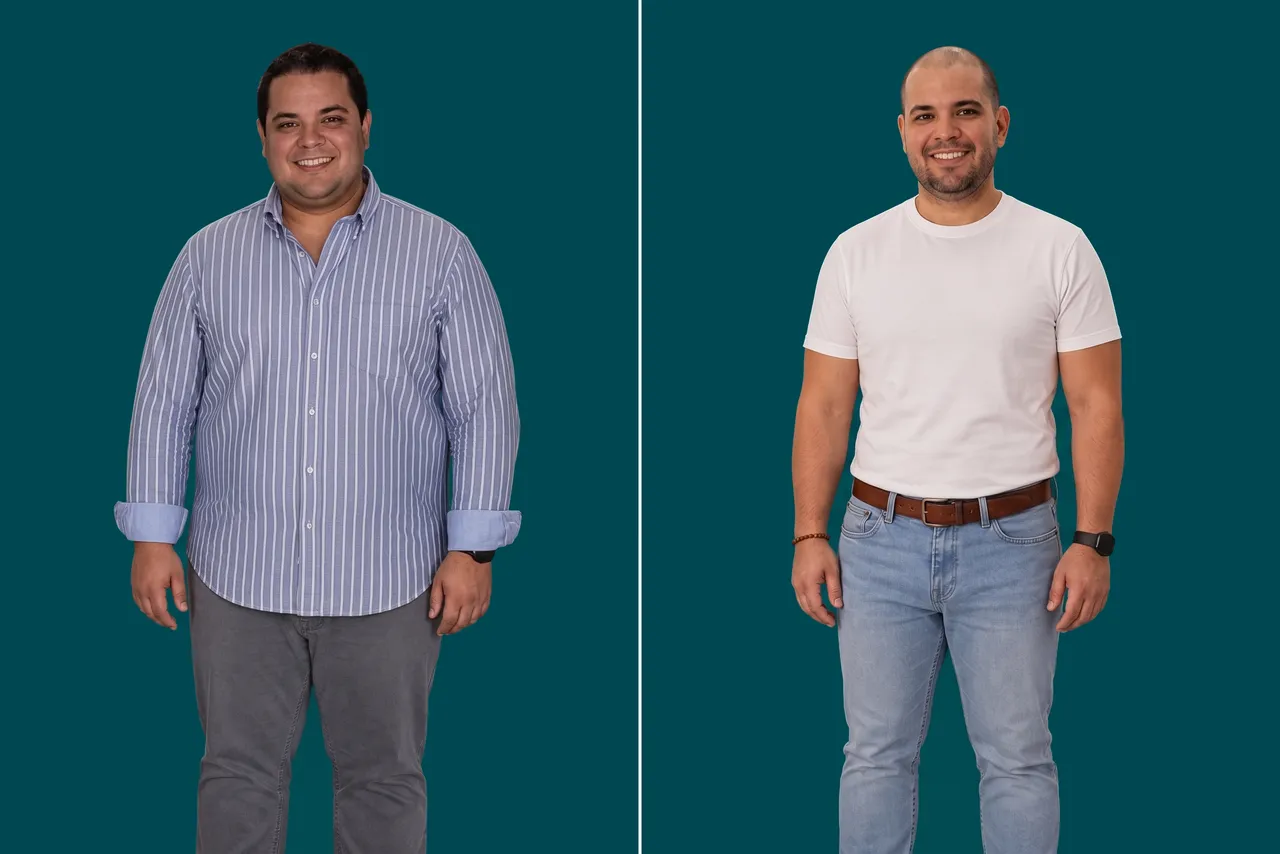
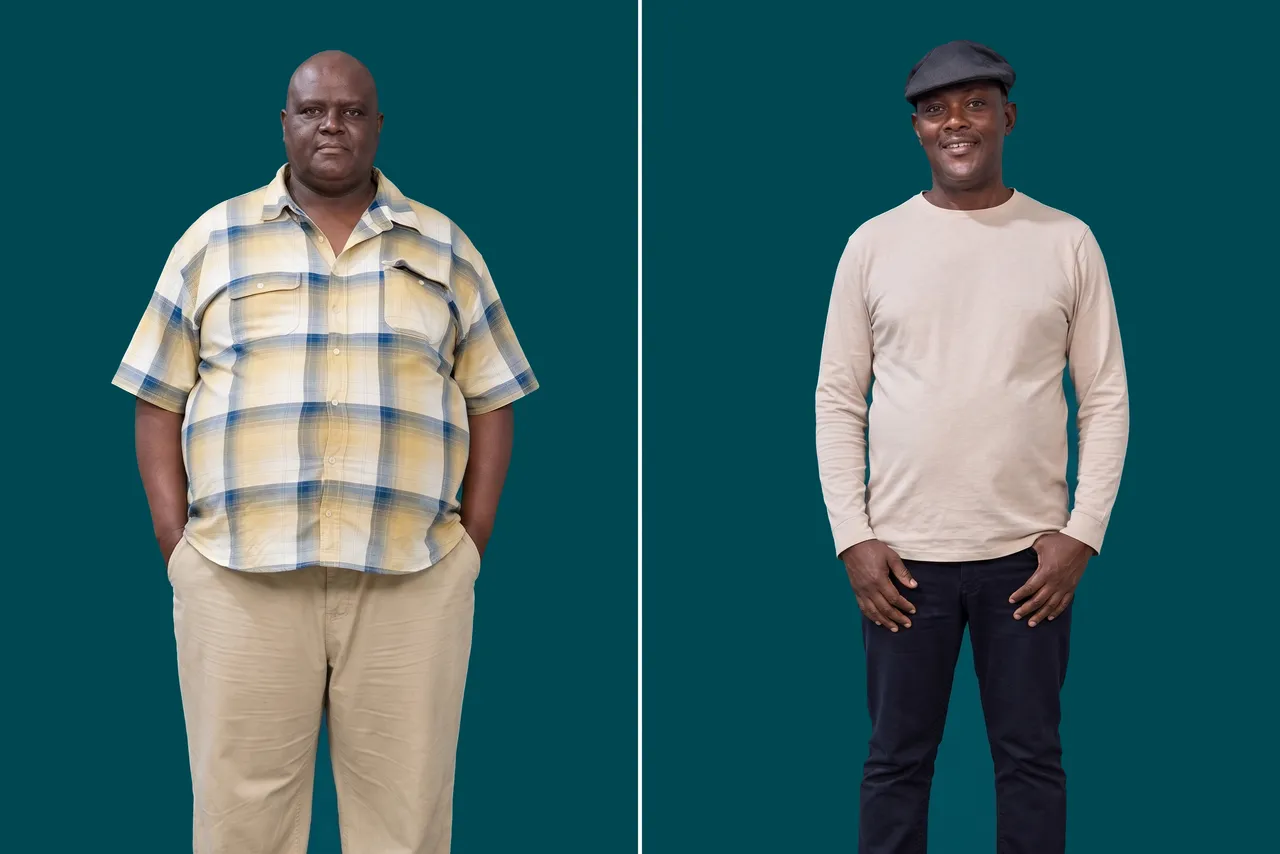
Look closely at our gastric sleeve before and after gallery and you'll notice something unusual. Some photos are labelled at 12 or 24 months. Others are labelled weight regained. That's deliberate. A wall of only the best cases would be a sales brochure.
So look at the date on any gastric sleeve before and after results you're shown, wherever they come from. A photo at six months tells you almost nothing about year three. Did the person keep coming to follow-up? Ask. And read gastric sleeve reviews from people a year or more down the line. The first-month ones are mostly about the hotel.
Loose skin is the other thing photos rarely show well. After a large loss, it's common on the stomach, arms and thighs. Some people decide to deal with it later through body contouring such as a tummy tuck, usually once their weight has been stable for a while.
Gastric sleeve cost and price in Turkey
Our gastric sleeve price in Turkey is €2,600, as shown above. That covers the keyhole surgery, the anaesthetic and your hospital stay. Transfers, an interpreter and twelve months of dietitian follow-up are included at no extra charge. The hotel is separate. Protein shakes and early-weeks vitamins can be added for €100.
UK prices for the same operation are several times higher, as the table shows, so the gastric sleeve cost in Turkey is hard to ignore. Before you book anywhere, though, line up every gastric sleeve cost you've been quoted and check what's behind it. Find out the surgeon's name, and how many sleeves they do in a typical month. Check the number of nights on the ward. When does the follow-up stop? Then ask who you'll call at month nine, when the appetite comes back. That last answer tells you more than the price does.
Getting a gastric sleeve quote
Tell us your height and weight, and a bit about your health and the diets you've already been through. If you get heartburn, say so. Same for any medication. Our Istanbul team will come back with an honest view on whether a gastric sleeve in Turkey makes sense for you, or whether a bypass, or something else entirely, would suit you better.