
 English
 Italiano
 Español
 Français
 Deutsch
 Português
 Русский
 Български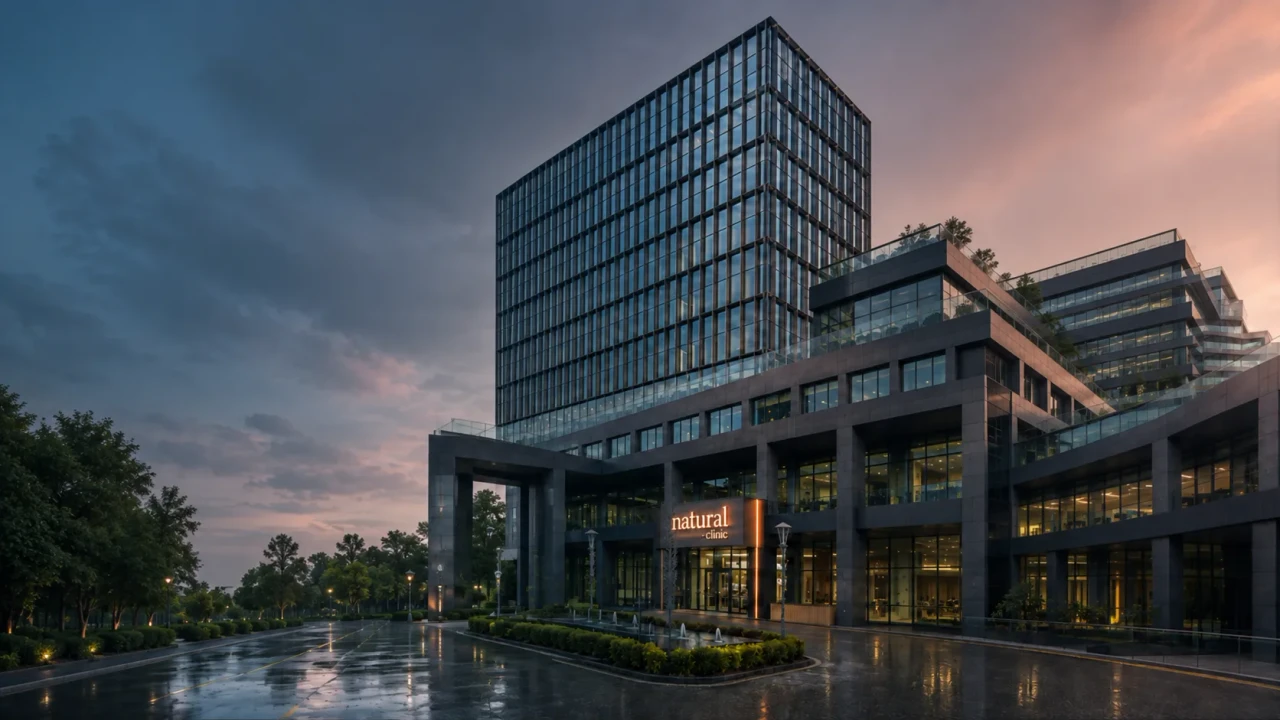



-1280x853.webp?v=mv1dw0ut)
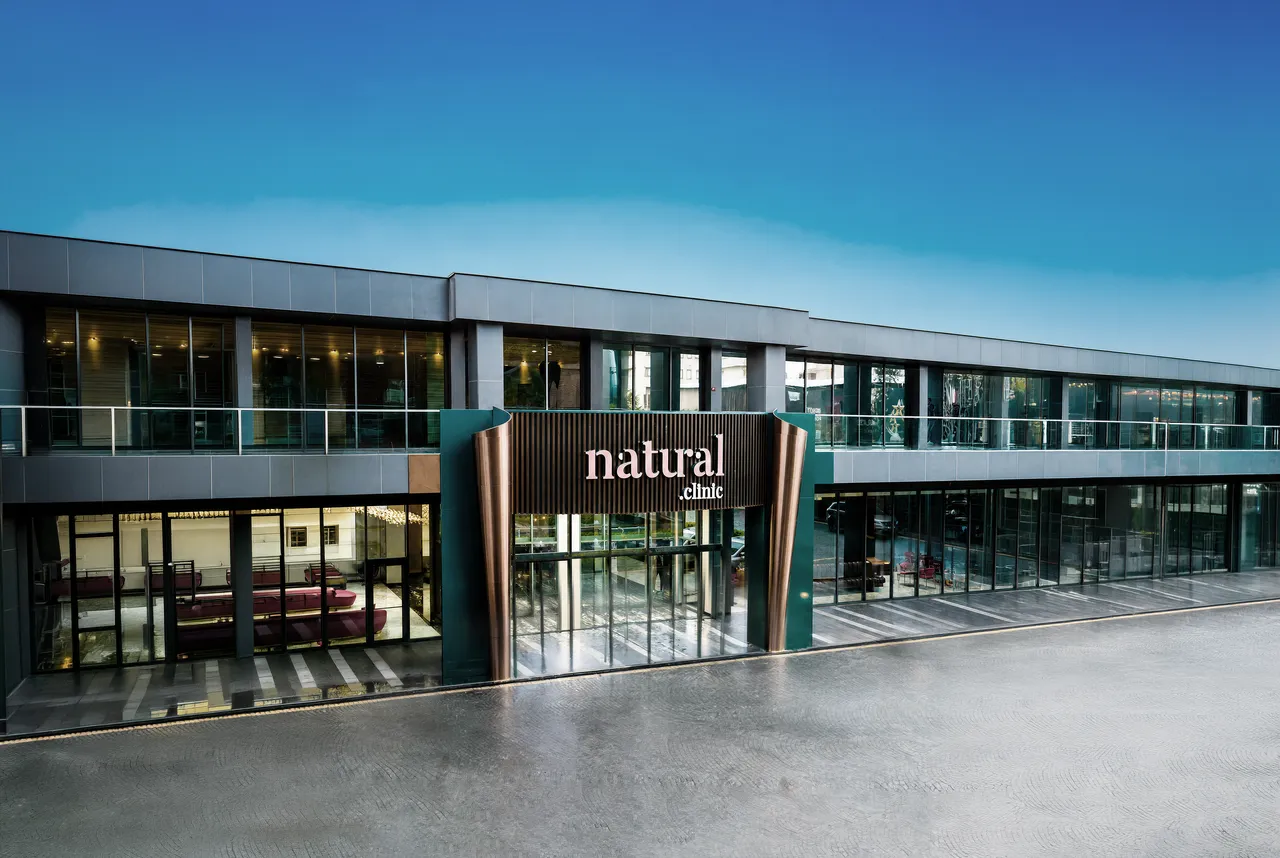
Everything On One Site
Theatres, recovery and aftercare in the same building, not a subcontracted hospital.
PRP Hair Treatment in Istanbul · €100 Per Session
Your own blood may help your hair hold on longer.
PRP concentrates platelets from a small blood sample and injects them into the scalp to support thinning follicles. Each session is €100, is not included in transplant packages, and is usually repeated as a short course. Many patients pair it with a transplant to support healing.
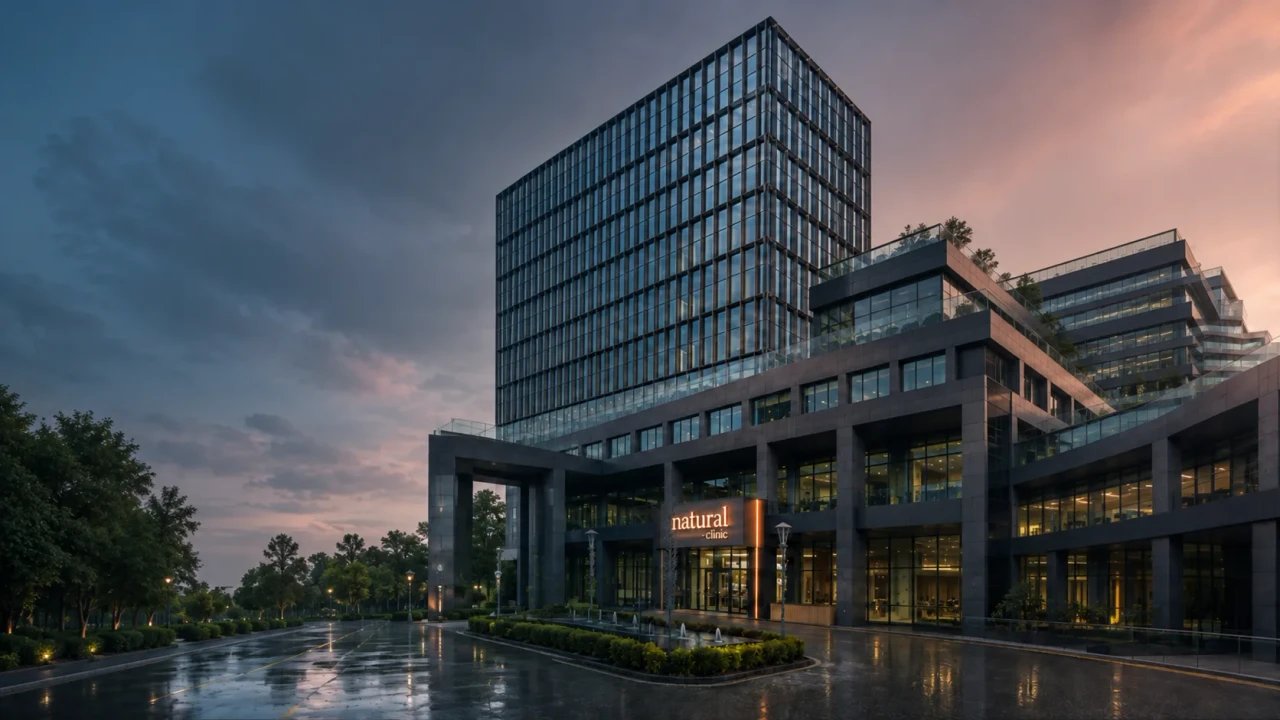
Natural Clinic brings several specialist fields together under one roof: hair transplantation, dentistry, facial, body and breast aesthetics, bariatric surgery and reconstructive treatments. Cross-disciplinary medical teams, multilingual coordination and internationally recognised safety standards carry each patient from consultation and treatment planning through to recovery and aftercare.
Advanced treatments across multiple medical specialties
Experienced specialists working across disciplines
Consultation, treatment, recovery and aftercare coordinated under one roof
Large-scale medical infrastructure in Istanbul
PRP is not a product. It is a procedure with you inside it: out of the arm, into the machine, into the scalp, and back on the street within the hour. Nothing added, nothing stored, nothing that can be rejected. Everything that separates a result from a wasted afternoon happens in the centrifuge.
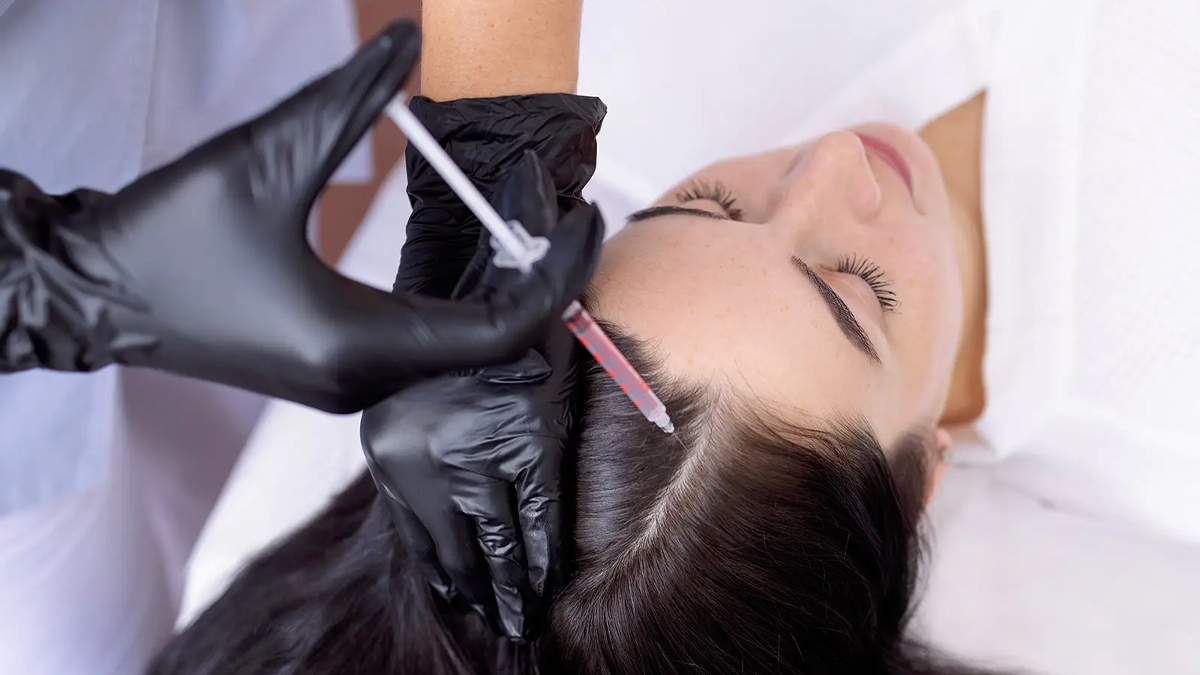
Autologous · drawn and spun on site · no downtime
One tube of blood, drawn the way any blood test is drawn. Minutes of spinning, and density does the sorting on its own: red cells sink, plasma rises, and a thin platelet layer sits between them. That thin layer is the treatment. It goes back across the mapped area at follicle depth, in a grid rather than a spray. Brief stings, topical anaesthetic if you want it, and a tender scalp for the evening. No dressing, no downtime, and nothing anyone will notice.
Follicles in the area are miniaturising rather than gone, and pattern loss is the diagnosis. PRP acts on living follicles; where the follicle has died there is no target.
The preparation. Spin protocol, resulting platelet concentration, volume injected, whether the plasma is activated, and injection depth. The cause and a blood count. Anaemia, low platelets, thyroid and iron problems change both whether PRP is appropriate and what your own blood can supply.
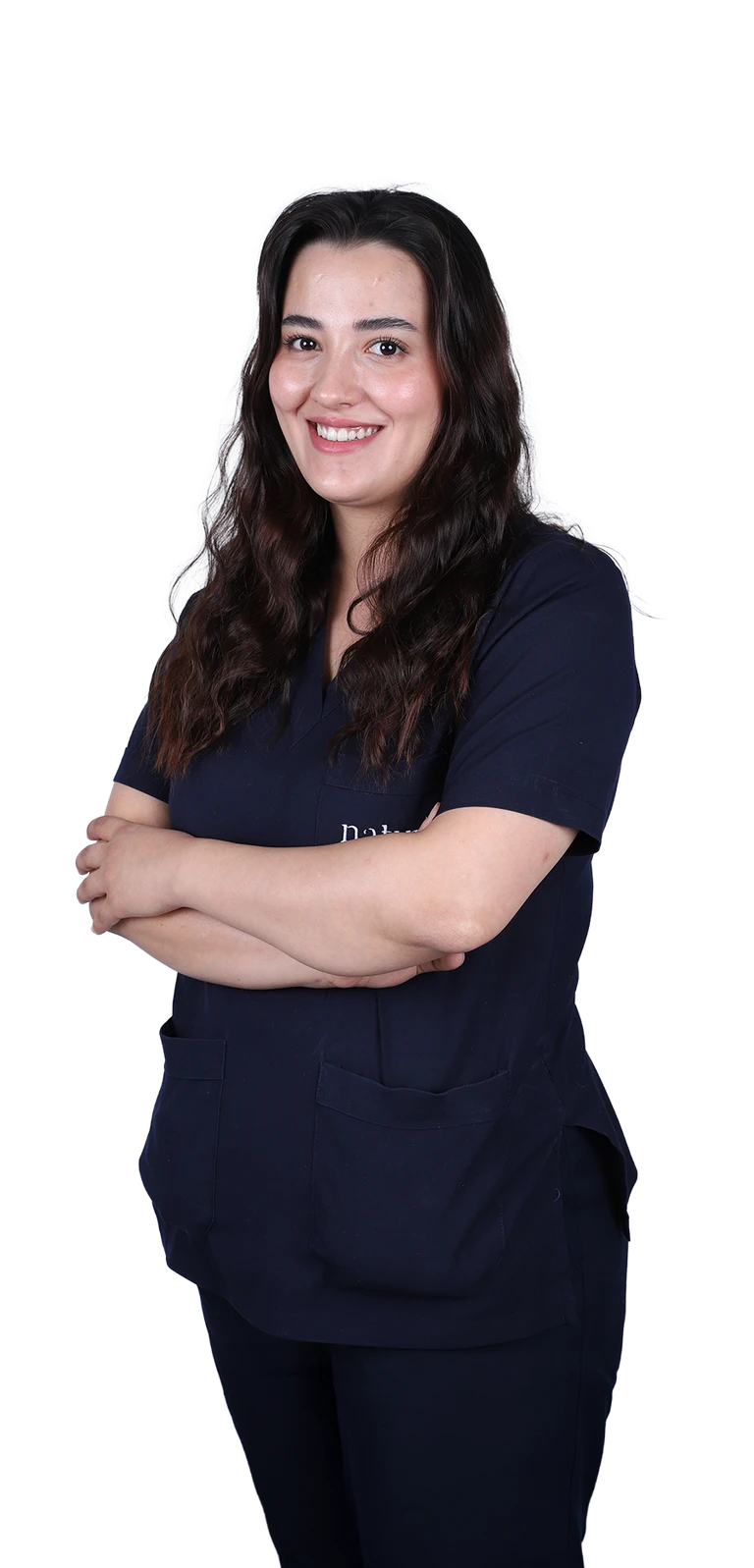
Hair Transplant Specialist
Sefa Yaşar graduated from the First and Emergency Aid (Paramedic) Program at Beykent University. He began his healthcare career as an emergency department nurse and has been working in the field of hair transplantation since 2018. He has experience in pre-operative preparation, hair transplant procedures, and patient follow-up.
Education
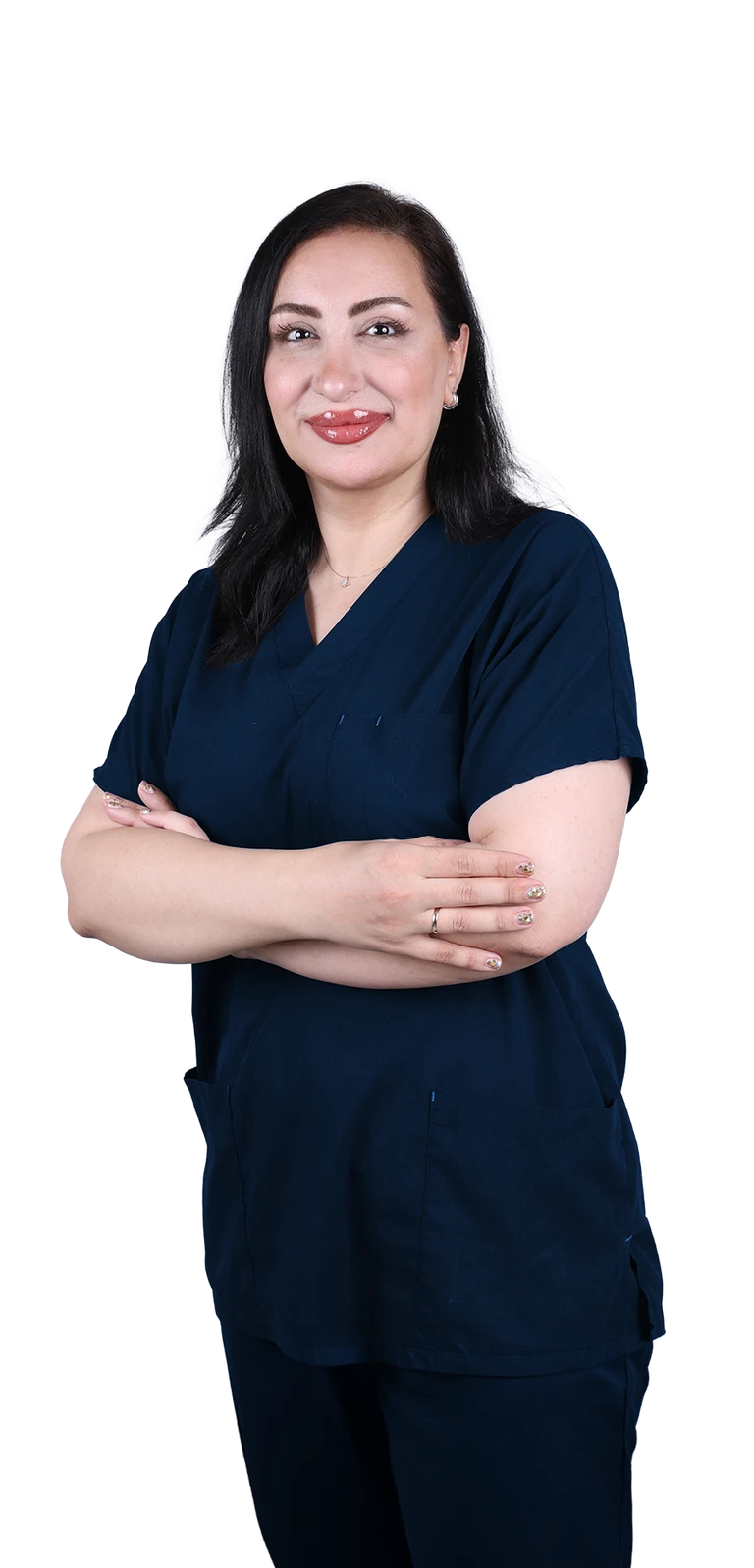
Hair Transplant Specialist
Ayşegül Köşgen has been working at Natural Clinic since 2017. She has experience in patient follow-up, clinic organization, and physician assistance, providing patient-focused care with strong teamwork and communication skills.
Education
Hair Transplant Anesthesia Technician
Burcu Güler graduated from the Anesthesia Technician Program at Üsküdar University. After gaining experience in various healthcare institutions, she joined the Hair Transplant Team at Natural Clinic in 2025. She is committed to continuous professional development in the healthcare field.
Education
Hair Transplant Anesthesia Technician
Ayşe Begüm Öztürk graduated from the Anesthesia Technician Program at Istanbul Yeni Yüzyıl University. She is committed to professional development in healthcare and currently works as a member of the Hair Transplant Team at Natural Clinic.
Education
Hair Transplant Anesthesia Technician
Didem Nur Yayman studied Anesthesia and Social Services and has worked in several private healthcare institutions. She has experience in anesthesia procedures, operating room processes, patient preparation, and patient safety, and currently works at Natural Clinic.
Education
Hair Transplant Anesthesia Technician
İlayda Taşel graduated from the Anesthesia Technician Program at Demiroğlu Bilim University. She is committed to continuous professional development in healthcare and has been a member of the Hair Transplant Team at Natural Clinic since 2026.
Education
Hair Transplant Anesthesia Technician
Hanife Eraslan graduated from the Anesthesia Technician Program at Altınbaş University. She is committed to professional development in healthcare and currently works as a member of the Hair Transplant Team at Natural Clinic.
Education
For PRP alone, rarely — it is available in every city and the plasma is yours wherever it is spun. Where travelling makes sense is when PRP is part of a transplant plan, or when what you actually want is an assessment by people who will write the protocol down. Compare clinics on the protocol and the review , not on the flight.
Theatres, recovery and aftercare in the same building, not a subcontracted hospital.
-1280x853.webp?v=mv1dw31y)
1,020,000 international operations were performed in Turkey in 2023. That volume belongs to surgery. PRP borrows none of it.
-1280x720.webp?v=mv1dw5mi)
Lower operating costs, not lower standards — though for PRP the saving matters far less than the protocol does.
-1280x720.webp?v=mv1dw86j)
We will send you for bloods first where the cause looks treatable. Some patients never come back, and that is correct.
-1280x720.webp?v=mv1dwb0g)
English, Italian, Spanish and French. The plan and the aftercare explained in your own language.
-1280x720.webp?v=mv1dwvpw)
Ask for the spin, the concentration and the volume in writing. Ask us too. It is the only comparison that means anything.
PRP is your own blood, spun and injected in one visit. What matters is the protocol.
PRP needs living follicles; bare scalp has nothing for it to act on.
Anaemia or low platelets change what can be prepared.
All four are written before booking, with the course total.
Under an hour, no downtime, never stored between sessions.
Photos at the agreed date decide whether to continue.
PRP uses your own blood, but not every PRP is the same. These answers explain what to ask for and what to expect.
PRP (platelet-rich plasma) hair treatment uses your own blood. A small sample is drawn, spun in a centrifuge so it separates by density, and the thin platelet-rich layer is injected into the scalp at follicle level in the same appointment. Nothing is added to the preparation and nothing is stored between sessions.
Controlled studies in pattern hair loss report improved density and reduced shedding, which gives PRP a stronger evidence base than several treatments offered alongside it. Results vary widely, mainly because clinics use different spin protocols, platelet concentrations, volumes and session counts, so your own before-and-after photographs are the real measure.
No. Growth factors in PRP act on follicles that are still alive but struggling; they cannot create a follicle where one has been lost. If the area that concerns you is completely bald, a hair transplant is the relevant option rather than injections.
Each PRP session costs €100 on Natural Clinic's price list, and PRP is billed separately from the hair transplant packages. Elsewhere, a single session commonly costs €700 to €759 in the UK, €500 to €1,000 in Germany and €259 to €1,000 in the US. Your full course total is agreed in writing before the first session.
The total is the €100 session price multiplied by the number of sessions in your protocol. Natural Clinic writes down the session count, interval, review date and total cost before you book, so you know the full commitment rather than only a per-session figure.
PRP is not a standardised product. Clinics differ in whether they spin once or twice, the resulting platelet concentration, the volume injected and whether the plasma is activated, so two sessions at the same price can be very different treatments. Ask for the protocol in writing before comparing prices.
PRP uses only your own blood, so rejection and allergic reactions to the injected material do not occur. The main handling risk is sample mix-up, which is prevented by labelling and preparing your blood in the treatment room. Local infection is uncommon.
PRP is not suitable for people with low platelet counts or platelet dysfunction, significant anaemia, active blood cancers, anticoagulant or antiplatelet therapy that has not been reviewed, active scalp infection, pregnancy or breastfeeding. A blood count is part of the assessment because it affects what can be prepared.
The blood draw feels like a routine blood test. The scalp injections cause brief stinging over a few minutes, which most people describe as uncomfortable rather than painful. Topical anaesthetic is available, and the scalp may stay tender for a few hours afterwards.
For PRP alone, travelling is rarely necessary, because the treatment is available in most cities and requires repeated sessions. It makes more sense as part of a hair transplant plan, or as an initial course in Istanbul that is continued at home using a written protocol.
A PRP appointment usually takes less than an hour. Drawing blood takes a minute, the centrifuge runs for several minutes, and the injections take a few more. The first visit is longer because baseline photographs are taken and the written protocol is explained.
Clinics commonly advise avoiding alcohol, non-steroidal anti-inflammatory painkillers and strenuous exercise around the session, as these can affect platelets and bruising. A short interval before washing your hair is also specified in the aftercare instructions. If you take regular medication, check with the clinic before stopping anything.
No. There is no dressing, wound or recovery period, and you can return to normal activity immediately. Scalp tenderness for a few hours, slight redness, pinpoint bruising at injection or blood-draw sites and a mild headache are the effects most commonly reported.
Any response develops over months rather than weeks. Reduced shedding usually appears before any visible change in density, so a course that has slowed shedding is not necessarily failing. Results are judged by comparing standardised photographs at a review date agreed before the first session.
PRP does not change the underlying cause of pattern hair loss, so any benefit lasts only while maintenance sessions continue and fades over the months after they stop. It is best viewed as an ongoing treatment rather than a one-off course with a permanent result.
If the honest answer for your case is surgery, or one of the other injectables this gets confused with, those pages are below.
Personalised Care, Just for You
Send us the front, top and crown, and tell us what has already been investigated. A clinician replies with our spin protocol and injected volume, whether PRP has a role in your case, how many sessions at what interval, what the whole block costs, and the date we would put your photographs side by side. Including the answers nobody wants to give: that there is no viable follicle left, or that medication is the treatment and this is not. No obligation, no cost.
Ask Us for the ProtocolPlatelet-rich plasma therapy is the injection of an autologous platelet concentrate, prepared by centrifugation of the patient’s own blood, into the scalp at follicular level. It is adjunctive, applied to follicles that remain viable, and does not restore hair where the follicle is no longer present.
"Your own blood may help your hair hold on longer." Note the word may. We chose it on purpose, because PRP for hair loss sits in an odd place: better studied than a lot of what's sold next to it, and still nowhere near a guaranteed fix.
If you're weighing up PRP hair treatment in Turkey, or PRP for hair loss anywhere, here's the honest version. What happens in the room. Why two clinics can both say "PRP" and mean quite different things. Who it's worth trying for, who it isn't, and what it costs here at €100 a session.
You sit down in our Istanbul clinic, a nurse finds a vein in your arm, and a tube of blood is drawn exactly like any routine blood test. Labelled in front of you. Then it goes into a centrifuge in the same room and whirls round for several minutes.
Out it comes, sorted by weight. Red cells settle at the bottom. Clear, straw-coloured plasma floats on top. And between them sits a thin, slightly cloudy band, rich in platelets. That band is what you're paying for.
It's drawn off and injected back into the thinning parts of your scalp, a little at a time, in a grid pattern close to the follicles. The whole thing, from needle in your arm to walking out of the door, usually fits inside an hour. Nothing gets added. Nothing gets kept for next time.
Here's the bit most people never hear. There's no single recipe for PRP.
One clinic spins once, another spins twice. Speeds and times differ. So does the platelet concentration you end up with compared with your own normal blood level, the volume that goes back into your scalp, whether anything is added to "activate" the platelets, and how deep the injections go. Change those and you've changed the treatment. Two tubes with the same label can differ several times over in platelet content.
So don't compare on the word. Compare on the protocol, and get it in writing. We give ours to anyone who asks, before they book.
For pattern thinning, there's genuine research behind it. Controlled studies have reported better density and less shedding, which is more than can be said for some injectables marketed in the same breath.
The results do vary a lot from study to study, though, and the main reason is that recipe problem above. Different protocols, different outcomes. When it does help, it's slow. Shedding usually eases first, over a few months. Any gain in density, if it comes, comes after that.
There's a catch, too. The benefit hangs around only as long as you keep going. Drop the sessions and, over time, things tend to slide back. It's more like going to the gym than having a tooth fixed.
It works on follicles that are still there but struggling: hairs getting finer, a parting widening, a crown that's thinning rather than shiny. That's the sweet spot for PRP hair treatment in Turkey, or anywhere else.
It can't do anything for skin that's been bald for years. There's no follicle left to respond. If that's your situation, look at a hair transplant instead of injections.
PRP is made from your blood, so your blood has to be up to the job. If you're anaemic, or your platelets are low or don't work properly, what we can prepare is limited, and sometimes PRP isn't sensible at all. Blood thinners need reviewing with your doctor. Pregnancy, breastfeeding, an active scalp infection or a serious illness that isn't under control are reasons to wait.
Then there's the cause of the thinning itself. Low iron and an underactive thyroid both make hair fall, and both are treatable. If one of those turns up, we'd rather you sort that first. Some people never come back for PRP afterwards, and that's fine.
Mildly. You'll feel a series of quick, sharp pricks across the scalp. Numbing cream helps, and plenty of people skip it after their first session once they know what to expect. Your scalp may be tender for the rest of the day. A headache isn't unusual. By the next morning most people have forgotten about it.
Usually a short course rather than a one-off, with a set gap between visits, followed by occasional top-ups if it's working. The exact number and spacing are set by your protocol and written down before your first appointment in Istanbul, along with the total for the whole course, not just the per-session price.
That's also where the review date goes. Photos are taken at the start, under the same fixed lighting we'll use later. Review day, out come the pictures, next to each other on a screen. Those two images are your before and after, and nobody gets to argue with them. No measurable change means we stop there. Doing the identical thing again and crossing our fingers isn't something we'll sell you.
Let's be straight about the pecking order. For pattern loss, tablets and lotions from a doctor have more evidence behind them, and over a year they cost a fraction of what injections do. So in our book PRP isn't a swap for medication. It's something to add on top, or an option for people who can't tolerate the pills, to give struggling follicles a bit more of a nudge. That's where PRP hair treatment in Turkey makes the most sense.
Already taking something? Tell us the name and roughly when you started. Otherwise, when the review photos look better, nobody can say whether to thank the PRP or the prescription.
Before your first appointment you'll get one page. It lists the spin protocol, the platelet concentration we aim for, the volume we inject, whether anything is used to activate the plasma, how many sessions, how far apart, the total cost and the review date. That's it. If a clinic offering PRP injections for hair can't put those on a single sheet for you, keep looking.
It's your own plasma going back in, so there's nothing in there for your immune system to object to. What you'll probably notice: a sore, warmish scalp that evening, a few pink blotches, perhaps a tiny bruise where the needle went into your arm, and once in a while a dull headache. Any injection carries a small infection risk, so redness that spreads or pain that's out of proportion means a call to us.
One thing PRP doesn't cause is a shed. If your hair keeps falling during a course, that's the underlying problem, and it's a reason to look at the diagnosis again.
There's a short wait before your first hair wash; we'll give you the exact time. Around the session, it's usually wise to skip hard exercise and alcohol, and to avoid anti-inflammatory painkillers like ibuprofen, since they can dampen the very platelet activity you're paying for.
Many women with diffuse thinning or a widening parting find PRP appealing because there's no surgery and no shaving. It can be a reasonable option, but only once the cause is clear. Female hair loss has a long list of possible triggers, and hormones, iron and thyroid all need checking first. The female hair transplant page goes through that investigation step by step.
Plenty of patients pair PRP with surgery, mostly to support their own hair around the transplanted area. That's a sensible use. What isn't backed by good evidence is the claim that PRP makes more grafts survive, or that it lets you get away with a smaller graft plan. If you'd like both, the timing is agreed with the surgical team in advance.
People often weigh the two against each other. PRP is yours, made fresh while you wait. Exosome hair therapy works with a manufactured product grown from donor or plant cells, costs considerably more and has a thinner evidence base so far. For most people, PRP is the more sensible one to try first.
Most PRP hair before and after photos you'll find online are close to useless. Different lighting, wet hair in one shot and dry in the other, a new haircut, or a camera held at a slightly different height can all fake a "difference".
Day one is when the real comparison gets set up. Same lights, fixed in place. Same angles, marked. A review date in the diary before you've had a single injection. When the time comes, look closely at the parting and the crown. Don't go by a general feeling that it looks better. Expect the plughole to change before the mirror does, which is exactly what patient reviews of PRP tend to describe. Judging a stranger's PRP before and after online? Find out what else they were doing at the time. A lot of them are on medication too.
Here it's €100 a session, the figure you'll see in the price table above, billed separately from the hair transplant packages. Your course total is set out in writing before you book, based on the number of sessions your protocol needs.
For comparison, that table puts a single session at €700 to €759 in Britain, between €259 and €1,000 in America, and €500 to €1,000 in Germany. A cheap PRP hair treatment price doesn't mean much by itself. Ask what's in the tube.
Honestly? Not often. Most cities have someone who does PRP, and your plasma is your plasma wherever the centrifuge is. A trip earns its keep when PRP rides along with a transplant, or when what you're after is a thorough assessment and a protocol on paper that a clinic near home can pick up. Starting PRP hair treatment in Turkey and finishing it elsewhere? Pack the protocol so whoever carries on can match it.
Three daylight shots: hairline, crown, and one straight down on top with your usual parting. Tell us too what's been tested so far (bloods, iron, thyroid) and anything you've tried. We'll reply with the spin protocol and injected volume we'd use, whether PRP genuinely fits your case, how many sessions, and the total. And if what you really need is medication rather than PRP, we'll tell you that instead.

© 2026 Natural Clinic. All rights reserved.