 English
 Italiano
 Español
 Français
 Deutsch
 Português
 Русский
 Български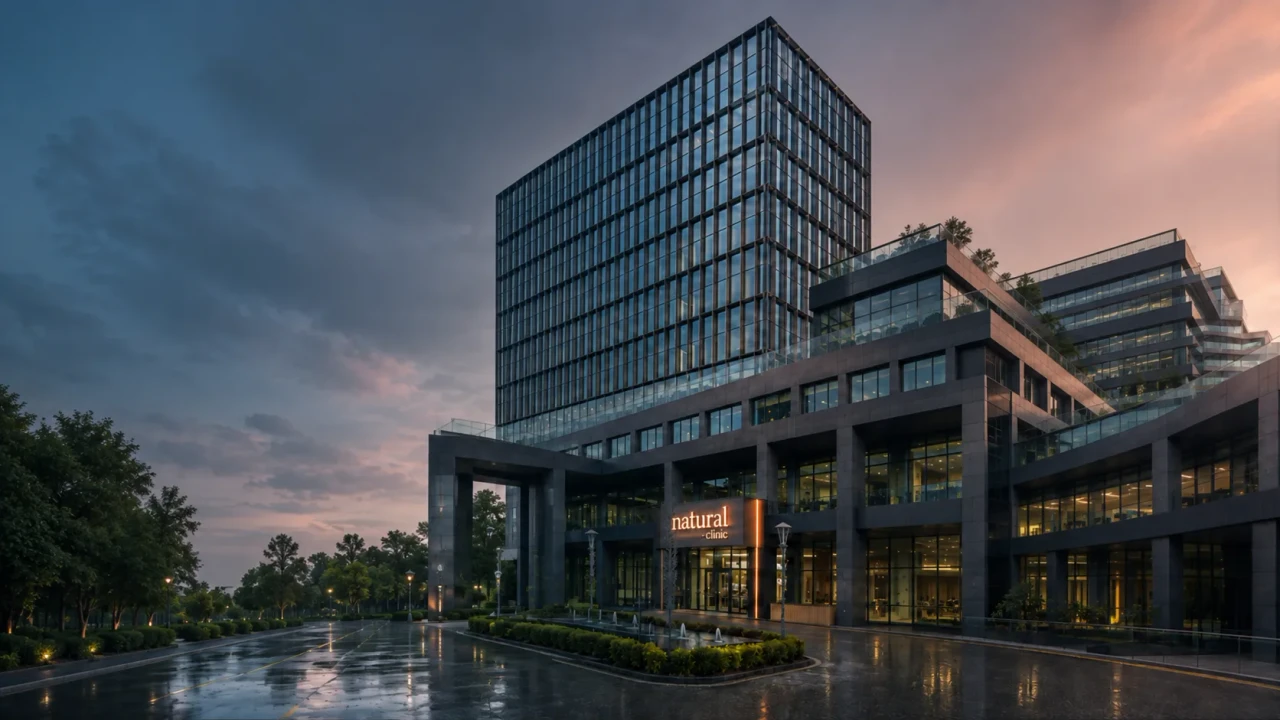
Mini Facelift
Mini Facelift in Istanbul · €5,000
Jawline softening, but the rest of your face still looks like you?
A mini facelift targets early jowling and lower-face laxity through shorter incisions, with recovery of four to six weeks and results lasting five to seven years. At €5,000, a temporal lift comes bundled in.
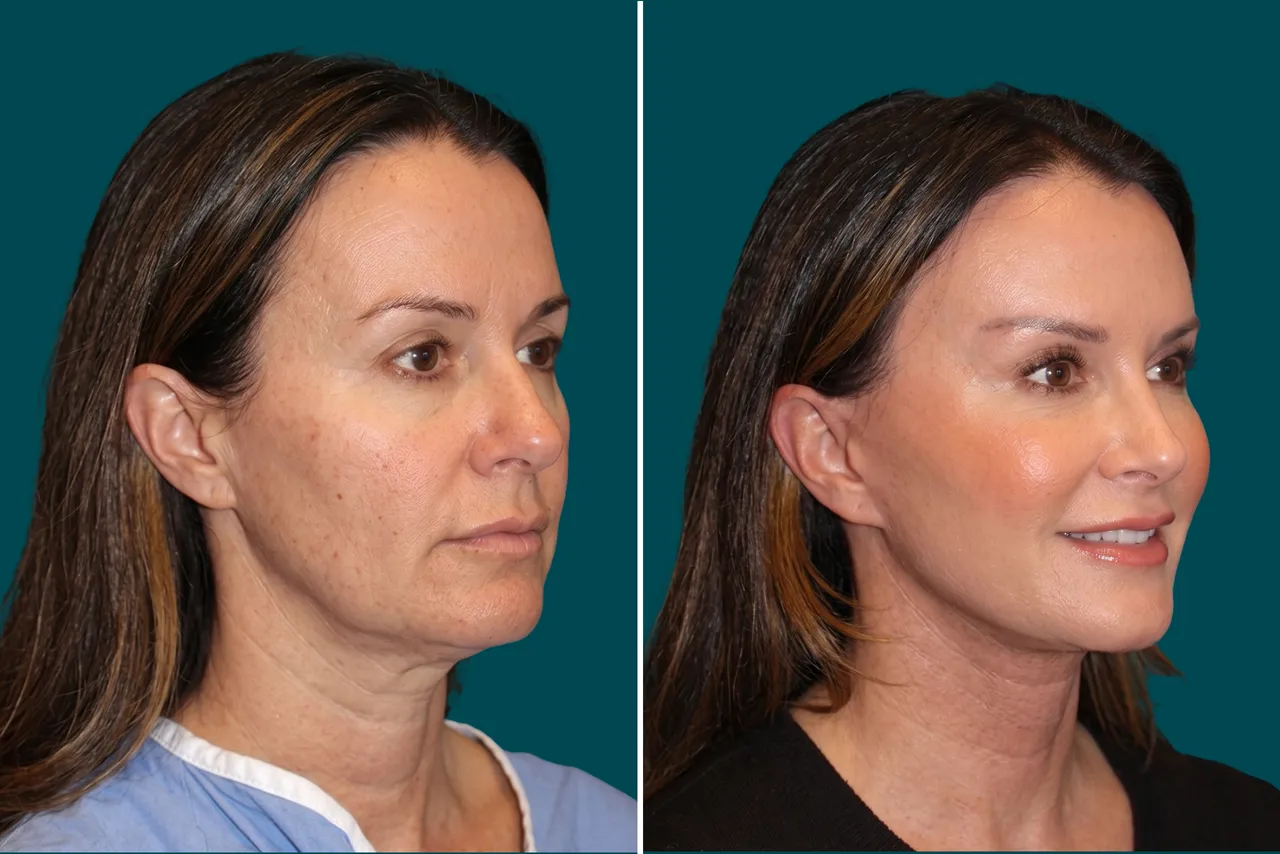
Early jowling is the main target in mini facelift before and after cases. A sharper jaw in profile is the clue to look for, typically four to six weeks after surgery.
Mini Facelift
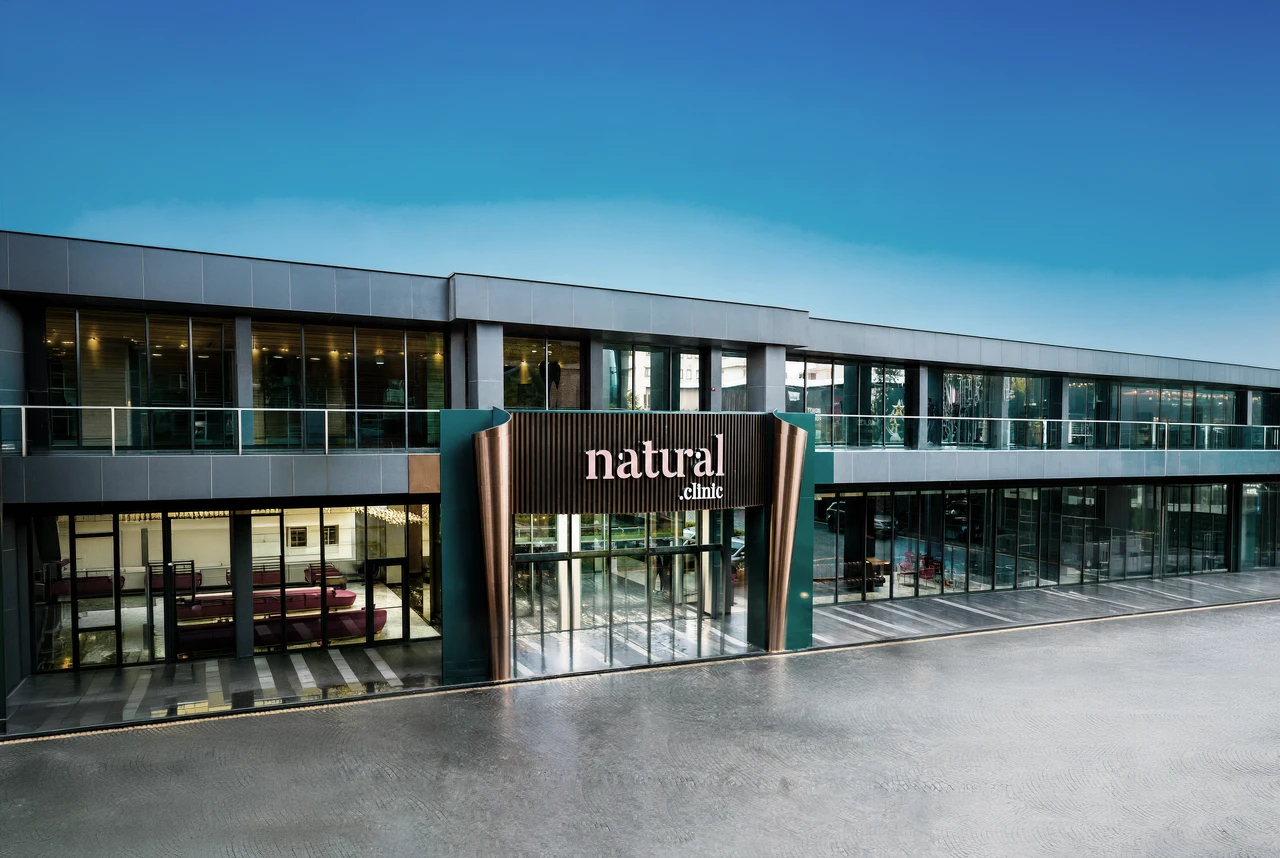
Natural Clinic brings multiple fields of specialised healthcare together under one roof, combining medical expertise, advanced technology and patient-focused care. From hair transplantation and dentistry to facial, body and breast aesthetics, bariatric surgery and reconstructive treatments, every patient journey is managed by experienced medical teams working across disciplines.
1200+ — Advanced treatments across multiple medical specialties
50+ — Experienced specialists working across disciplines
360° — Consultation, treatment, recovery and aftercare coordinated under one roof
150+ — Large-scale medical infrastructure in Istanbul
Everything appealing about a mini facelift — shorter incisions, a shorter operation, often sedation rather than general anaesthesia, and back to normal in about two weeks — is exactly why people choose it for sagging it cannot reach. It has one job and it does that job well. The only question worth answering is whether your face is still describing that job.
-1.jpg?v=mu2thn3t)
The narrow scope is the feature, not the compromise
Early, mild jowl and lower-face laxity — typically patients in their forties to early fifties — without significant midface volume loss and without neck laxity. The jawline has started to soften but the cheek is still where it was, and the neck angle is intact. Here a short, confined correction genuinely matches the concern, and the faster recovery costs you nothing in result.
Early, mild jowl and lower-face sagging with the cheek and neck unaffected.
From €5,000 — the same figure as SMAS or deep plane. Two to three hours of surgery, often local anaesthesia with light sedation, no hospital night.
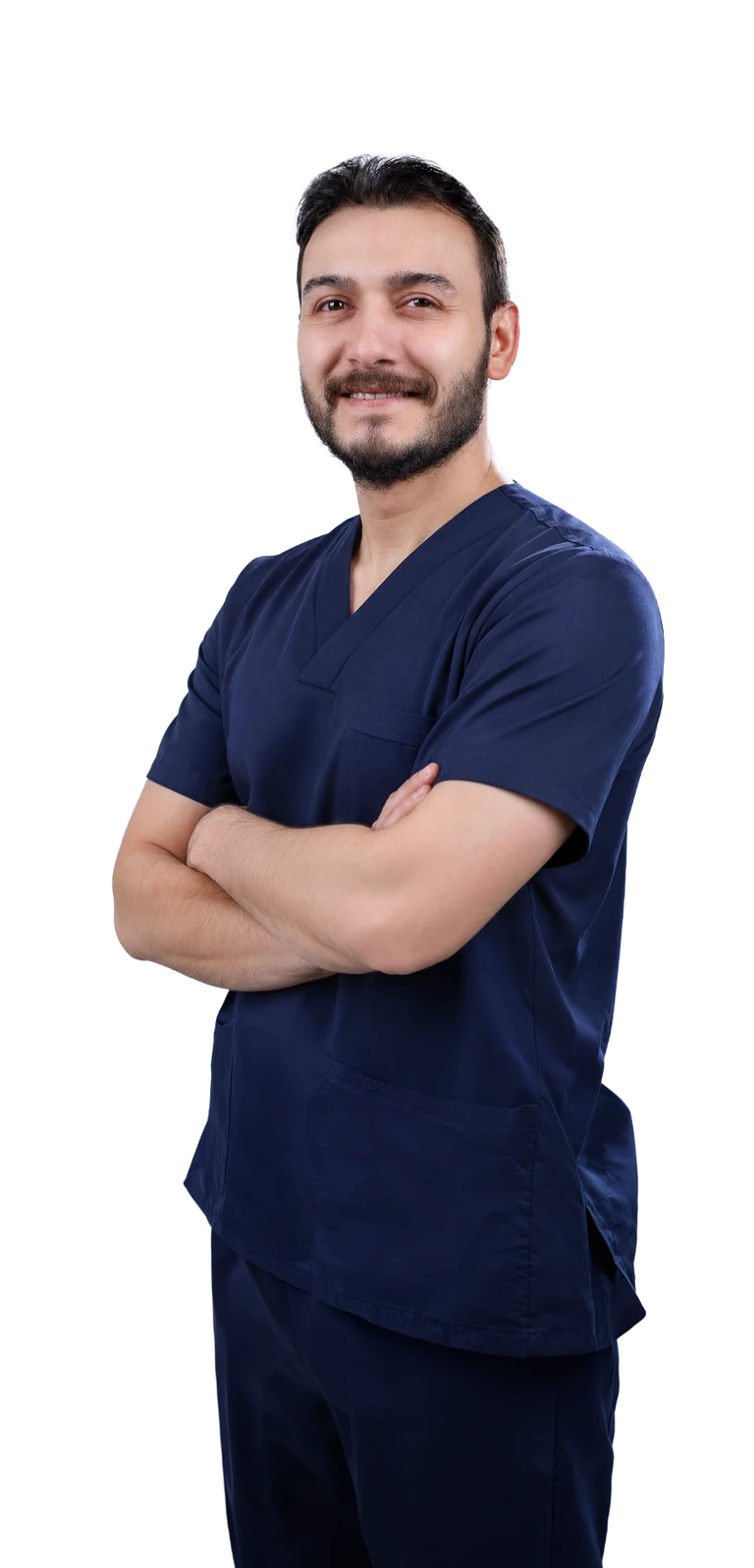
Plastic Aesthetic and Reconstructive Surgery
Dr Emre G. qualified in medicine at Uludağ University in 2007 and completed his specialist training in plastic, reconstructive and aesthetic surgery at Bezmialem Vakıf University between 2008 and 2014, with a research post at the University of Wisconsin School of Medicine and Public Health. He has worked in both public hospitals and private practice, and the reconstructive half of that training shows in how he plans an aesthetic case. He practises at Natural Clinic in Istanbul.
Education
Short answer: yes, on one condition — that the clinic will tell you when a mini facelift is not enough. For a five-to-seven-day trip and a two-week recovery the travel maths is easy; the part worth checking is whether anyone is willing to talk you out of it.
-1-1280x720.webp?v=mv1dodem)
A clinic that only performs mini facelifts has a reason to find you suitable for one. Here the mini, SMAS and deep plane caseloads sit with named surgeons in the same building, at the same price.
-1280x720.webp?v=mv1dxkcr)
Direct examination of the jowl, the cheek and the neck settles whether the sagging is still inside a mini facelift's reach.
-1280x720.webp?v=mv1dxmxq)
Lower operating, staffing and facility costs plus the exchange rate produce a real difference against the €7,000–€12,500 this procedure commands elsewhere.
-1280x720.webp?v=mv1dxpnk)
A mini facelift needs the shortest trip of the three techniques: five to seven days covering surgery, initial healing and a pre-flight check.
-1280x720.webp?v=mv1dxrzy)
Every appointment coordinated in English, with Dutch on request, and your interpreter free from consultation to discharge.
-1280x720.webp?v=mv1dxuk2)
Ministry of Health licence, board registration, logged sterilisation cycles and an independent anaesthesia review.
A mini facelift is the shortest of the three lifts. The steps below show why — and what it deliberately leaves untouched.
A mini lift works on the jawline only. If cheek fat has already descended, it would underdeliver, and the surgeon says so from your photos rather than after surgery.
The markings stay tight around the ear instead of running deep into the hairline — one of the practical advantages of the lighter technique.
Theatre time is short: a light tightening beneath the skin along the jawline, the excess trimmed near the ear, and an overnight stay for observation.
Because the dissection is limited, most mini patients handle screen work and short walks inside the first week, and the surgeon signs off travel close to day ten.
Expect to feel fully yourself within a month or so; the jawline typically stays sharper for half a decade or more before a bigger lift is considered.
What a mini facelift can and cannot reach, and how quickly you recover.
Designed for early ageing, a mini facelift tightens the lower face and jawline through short incisions that stay close to the ear. Only a limited area of supporting tissue is lifted and a small amount of skin removed, which is why it is the lightest and quickest-healing of the three facelift techniques.
A mini facelift generally suits people in their forties or early fifties who have early jowling and mild to moderate loosening along the jawline, but whose cheeks have not yet descended. Good skin elasticity and realistic expectations about a subtle improvement also make someone a suitable candidate.
Because a mini facelift works mainly on the jawline, it does not reposition descended cheek fat or treat significant neck laxity. If your midface has already dropped, a mini lift would underdeliver, and your surgeon will recommend a SMAS or deep plane facelift instead.
A mini facelift at Natural Clinic costs €5,000, the same as the SMAS and deep plane techniques, and it includes a temporal lift. In the UK, a mini facelift typically costs around €7,600 to €9,900, often without the hospital stay and follow-up included in the Istanbul price.
Not at Natural Clinic. All three facelift techniques are priced at €5,000, so choosing a mini facelift does not save money. It is recommended only when your sagging is limited enough for the lighter technique to deliver a meaningful, lasting result.
It can be, provided your sagging is mild. A mini facelift typically lasts five to seven years with a recovery of four to six weeks, whereas deeper techniques last longer but need more downtime. Because the price is identical, the decision rests on which technique suits your face rather than on cost per year.
A mini facelift involves shorter incisions and less extensive dissection than SMAS or deep plane techniques, which generally means less swelling and a shorter recovery. It is still surgery under general anaesthesia, so health checks and aftercare instructions remain just as important.
Mini facelift incisions are kept close to the ear, following its natural contours, and do not extend as far into the hairline as those of deeper techniques. This helps keep scars discreet, which is one of the practical advantages of the lighter approach.
Swelling and bruising along the jaw and cheeks are expected. Less common complications include hematoma, temporary numbness around the ears, and, rarely, temporary facial nerve weakness. Keeping your head elevated and avoiding strain in the first days reduces these risks.
A mini facelift is the quickest of the three techniques, taking roughly two to three hours, because dissection is limited to the jawline area near the ears. The shorter operating time generally means less swelling in the first days, although you still stay overnight on the ward for observation.
Although the operation is lighter, stitches around the ears still need to be checked and removed, and early swelling should settle before a long flight. Planning roughly ten days lets these appointments and the pre-flight review happen in Istanbul, so you travel home with the first phase of healing complete.
Many people return to light activities and desk work around seven to ten days after a mini facelift, once bruising has faded enough to be covered. Strenuous exercise and heavy lifting should wait until your surgeon confirms it is safe.
Bruising along the jaw usually fades within two weeks, and many patients feel ready for desk work after seven to ten days. Tightness around the ears and mild numbness can linger through weeks three and four, and most people consider themselves fully recovered at four to six weeks.
Most mini facelift results remain visible for around five to seven years. Because only the lower face is lifted, the jawline is where the gradual return of laxity is noticed first; sun protection, a stable weight and not smoking help the improvement last towards the upper end of that range.
Yes. Many people who have a mini facelift later choose a SMAS or deep plane facelift as their sagging progresses. A previous mini lift does not prevent a more comprehensive procedure in the future, and it is often seen as a natural next step.
If your sagging has passed what a mini facelift reaches, these are the pages you actually want — same price, more operation. The brow and eyelids are separate decisions that often belong in the same session.
Personalised Care, Just for You
Send front, side and three-quarter photographs in even light. A facelift surgeon reviews your case and replies with a realistic, itemised plan — whether your sagging is still inside a mini facelift's reach or has passed it, which technique applies if it has, whether eyelid surgery or a brow lift belongs in the same session, what it costs with free transfers and the hotel arranged, and how many nights you'll be in Istanbul. No obligation, no pressure, no cost.
Get My Free Surgical Plan100% Confidential & Secure
Reply Within 24 Hours
Reviewed by Board-Certified Surgeons
A mini facelift is a short procedure, a fast recovery and often sedation rather than a general anaesthetic. That appeal is exactly why patients with more advanced sagging choose it anyway. This section sets out what it can and cannot reach, so you can tell which group you are in before you book anything.
The question under our heading describes a very particular face. The jawline has gone a bit soft. There's the first hint of a jowl when you look down at your phone. And yet, from the cheekbones up, you still recognise yourself. If that's you, a mini facelift in Turkey might be exactly the right size of operation, and a surprisingly modest one.
If it isn't quite you, this page should help you work that out too. A mini lift is brilliant at one job. Most of the unhappy mini-lift stories we hear began with someone asking it to do a bigger job.
Picture where the back of an earring sits. The cut starts just above that, in the crease in front of your ear, curls round under the lobe and usually stops right behind it. It doesn't wander up into the temple hair or down the back of the neck the way a full lift's incision can.
Working through that small opening, the surgeon hitches up a modest patch of the firmer tissue along the jaw, stitches it tighter, then snips off whatever skin is left over. There's no deep release, no work on the cheek, and very little in the neck. Theatre time is around two to three hours.
And that's the whole operation. Small, tidy, focused on one area. That's grand when the problem lives there. If it lives in your cheeks or neck, it's a waste of an anaesthetic.
Grab a mirror. Three things to check before you bother sending us photos.
First, your profile. Has the jaw lost its edge a little, with a soft lump just forward of the angle? That's mini territory. Now look at your cheeks straight on. Are they still sitting high, or have they slid down towards your mouth? If they've slid, a mini won't follow them. Finally, tip your chin down and then up. A neck that only creases when you look down is normal. One with loose skin or bands that hang even when you're looking straight ahead needs more than a mini can give.
People who pass all three, and who usually do well with a mini facelift in Turkey, are typically somewhere in their forties or early fifties, with decent skin elasticity. People who fail one or two are better served by a SMAS facelift or a deep plane facelift, and our facelift in Turkey guide explains how the three compare.
The honest difference is reach. A full lift, whichever depth, works over a larger area and moves more tissue. A mini is confined to the lower face and jaw.
In a lot of countries that difference is reflected in the price, and people pick the mini because it's cheaper. Here it isn't. All three techniques cost the same, so if our advice is that a mini will do, we're not saving you anything, and if it's that a mini won't, we're not earning more. That frees the conversation up to be about your face.
Less than most people expect. The worst moment for many is the local anaesthetic going in at the start. Afterwards the face feels tight, a bit hot and swollen, and the area in front of the ears can be tender for a few days. Ordinary painkillers, as prescribed, usually cover it. What people mention most isn't pain at all. It's the week of sleeping flat on your back, head up on a pile of pillows. Side sleepers find that the hardest part by a mile.
We see this a lot now. Someone loses a big chunk of weight, by diet, surgery or one of the weight-loss injections, and the lower face ends up looser than the rest of them. The internet calls it "Ozempic face". Can a mini fix it? If the loss was modest and the skin still springs back when you pinch it, possibly. Lose a great deal and the looseness tends to spread into the cheeks and down the neck, well outside a mini's reach. For those faces, a SMAS facelift or a neck lift is usually the better bet. Whichever it is, wait until your weight has held steady for several months. A face that's still shrinking won't hold a lift.
You'll see mini facelifts advertised as weekend lifts or lunchtime lifts. It's a nice line. It isn't true.
An incision is an incision. You'll have stitches, puffiness and bruises, and the same early bleeding risk as any lift. Yes, you recover faster than after a bigger operation. But faster here means a week or two sooner, not a day. If someone promises you'll be at a dinner party that evening, they're describing a different procedure.
Not necessarily. With a lift this size, local anaesthetic plus a light sedative is often enough. You're drifty and relaxed, maybe vaguely aware of voices, but not of the surgery.
That's not decided by you or the surgeon on a whim, though. Our anaesthetist reviews your health separately and chooses what's safest for you. Some people are better off under a general even for a short operation, and if that's the advice, we follow it.
Shorter isn't invisible. You'll have a fine line in the crease in front of each ear and a short one under or just behind the lobe. Because it doesn't need to climb into the temple or the back hairline, it's often easier to hide for people with thin hair or a habit of wearing it up.
Expect the lines to look pink and slightly raised for the first couple of months, then gradually pale. By around a year most people have to point them out for anyone to notice. Any clinic that promises a "scarless" mini lift is describing an advert rather than an operation.
This is the bit people like most about a mini lift, and fair enough.
Days one and two: puffy, propped up on pillows, and we're watching your blood pressure like hawks, since that's the window when bleeding under the skin tends to happen. Day five or six: bored. Plenty of people are on a laptop by then, or out for a gentle walk. Bruises go from purple to yellow over a week or two, and a dab of concealer handles the yellow.
Two weeks in, life mostly feels normal again. Give it four to six weeks to feel completely recovered, and about three months before the face has quite finished settling.
Book five to seven days. That's enough for the assessment, the operation, the touchy first couple of days and a final check before you fly; of the three lifts, a mini facelift in Turkey is the shortest trip. The exact number of nights goes in your written plan. Stitches are checked, and usually removed, before you fly home.
Threads are a halfway house. The surgeon passes dissolving sutures beneath the skin and draws them up slightly. You get a gentle lift and you're back at work almost straight away. For some, that buys a year or so before surgery. Once the threads dissolve, usually inside two years, the lift goes with them.
Filler is a different tool altogether: it adds volume, it doesn't lift. A shallow fold or a slightly sunken cheek can look better for it. A dropped jowl won't budge. Some people have a little filler after a mini to finish things off, and that can work well. Loading filler into a face that actually needs lifting usually just makes the lower half look heavy.
A crisp new jawline can make tired eyes or a heavy brow stand out more. That's why eyelid surgery, at €2,900 for upper and lower lids, and a brow lift, at €2,300, are common additions to a mini lift.
The neck is a different story. If your main issue is loose neck skin, adding a neck lift to a mini is rarely the right answer. Usually, that's our cue that a bigger facelift, or a proper neck lift, was the right call in the first place.
Five to seven years is the usual run. Less than a SMAS or deep plane lift, yes, but that's the trade for a smaller operation and a quicker recovery, and most people choosing a mini know it. The face carries on ageing from its tidier starting point. When the jowls creep back, plenty of people move on to a SMAS or deep plane lift, and a previous mini rarely gets in the way.
A mini facelift before and after shouldn't shout. The change is quiet, and honest photos look that way. Look at the profile: the jawline should be cleaner, with the small jowl bulge gone. Look at the cheeks: they shouldn't look any different, because a mini doesn't touch them. And look at the ear, where the lobe should hang naturally rather than looking tugged.
As the gallery above notes, the change usually becomes clear at about four to six weeks. Before and after shots taken any earlier are mostly showing swelling. Reviews from patients who've had a mini facelift in Istanbul tend to talk about how fast the recovery felt, which is worth reading if that's your main reason for choosing it.
On our list, the mini facelift price is €5,000, the same line as SMAS and deep plane, with a temple lift included. Included in that: the surgeon's fee, the anaesthetic, the accredited theatre, airport pick-ups, someone to translate, and twelve months of us checking in. If you're curious, the table shows the same operation at €7,600 to €9,900 in Britain and in Germany, and roughly €10,300 on average in America.
A lower mini facelift cost elsewhere only makes sense if a mini is genuinely what your face needs. If it isn't, a cheaper mini simply brings your next operation forward.
The page above names the surgeon, Dr Emre Gönenç, and his background in plastic, reconstructive and aesthetic surgery. Whoever operates on you, it's worth asking them one thing directly: would you tell me if a mini isn't enough? A clinic that only offers mini lifts has every reason to find you suitable. One that does all three at the same price doesn't.
Find some daylight and a friend with a steady hand. No make-up, hair back. We want your face from the front, from each side and from both three-quarter angles, plus one side-on with your chin dipped a little, which is where an early jowl gives itself away. Then the dull bit: how old you are, anything you've had done (surgery or filler), what tablets you're on, and whether you smoke. Those shots also become the starting point of your own mini before and after comparison. Our reply will cover whether a mini facelift in Turkey really fits your face, or whether something deeper would serve you better, and what it costs either way.
© 2026 Natural Clinic. All rights reserved.