
 English
 Italiano
 Español
 Français
 Deutsch
 Português
 Русский
 Български
 العربية
 فارسی
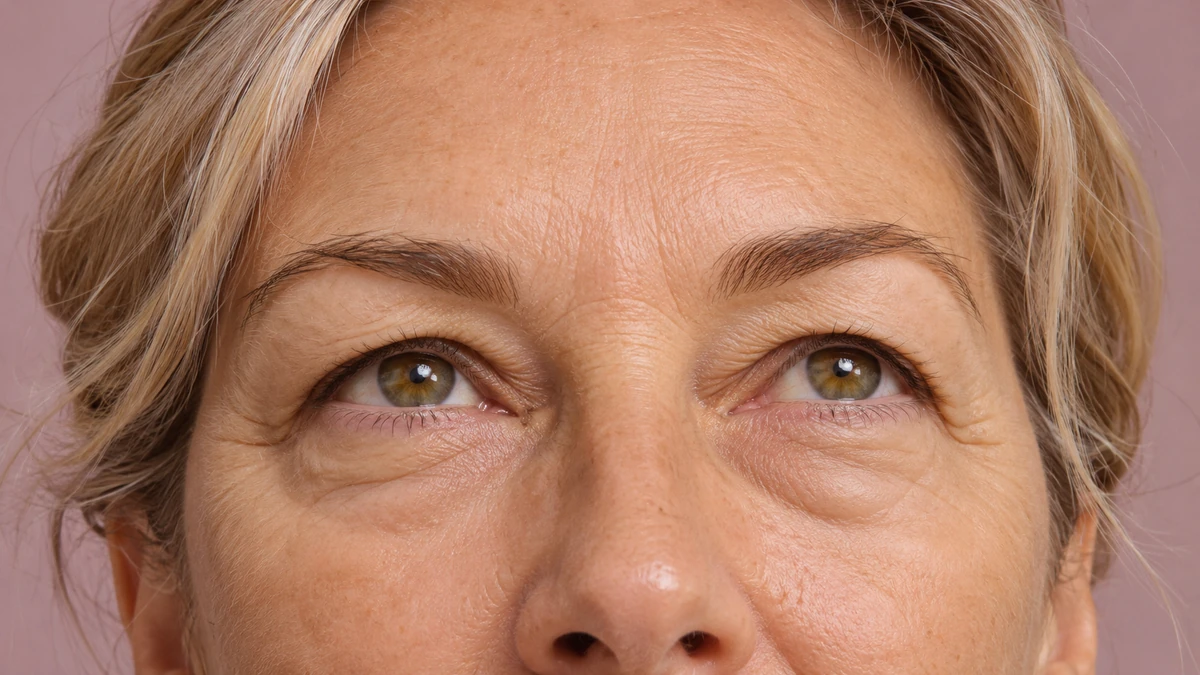
Hardly anyone walks into a consultation asking for "a blepharoplasty". What we usually hear is "people keep asking if I'm tired" or "my eyeshadow's gone by lunch". Nobody uses the word, and honestly, who'd blame them? It's a clumsy name for what are really two separate operations.
One deals with the upper lids. The other deals with the area under your eyes. Working out which one matches what's bothering you saves a lot of back and forth, so that's what this guide is for.
The Quick Version
Is the problem above your eye? Think upper. If your lids feel heavy, there's a fold of skin sitting on your lashes, or make-up keeps smudging into the crease, you're looking at upper blepharoplasty.
Below the eye? Think lower. Bags, a dark hollow running down towards the cheek, thin crinkly skin? That's a job for lower blepharoplasty.
Lots of people tick boxes on both lists. We'll come to that.
What Upper Blepharoplasty Actually Does
Upper lid skin is some of the thinnest on your body, and it's one of the first places to give way with age. Bit by bit it starts folding over the crease. In some people it hangs low enough to rest on the lashes, or even block part of their vision at the sides. There's often a small pad of fat bulging near the inner corner, too.
Upper blepharoplasty removes that extra skin, plus a little fat where needed. The surgeon hides the incision in the fold of your lid. Once it's healed, you'd struggle to find it with your eyes open.
It's usually done under local anaesthetic, often with sedation, and takes around an hour. Our upper blepharoplasty page goes into more detail.
When It Isn't Really the Eyelid
This is where a good consultation earns its keep. Two other things can pass for hooded lids:
- A dropped brow. When the eyebrows sink, they push skin down onto the lid. Trimming skin from the lid won't sort that out, and can even drag the brow lower. A brow lift, sometimes combined with an upper blepharoplasty, is often the better choice.
- Ptosis. The lid droops because the small muscle that raises it has gone slack. That needs a different repair altogether.
A decent surgeon rules both out before suggesting surgery. Want a rough idea yourself? Look in the mirror and push your eyebrows up a little with two fingers. Hooding mostly gone? Then your brow is involved.
Lower Blepharoplasty: What It Fixes
Under the eye, bags are the usual complaint. What you're seeing is fat. It's meant to stay behind a thin wall of tissue, but that wall gets weaker over the years and lets it bulge out. Throw in a bit of slack skin and a groove where lid meets cheek, and you can look exhausted after a full eight hours.
The operation takes out or rearranges that fat. If the skin is loose, it gets tightened or trimmed too. Surgeons get in one of two ways:
- From the inside of the lid (transconjunctival). There's no visible scar at all. Good if it's mainly fat you're dealing with and your skin is still fairly firm, which tends to mean younger patients.
- Through the skin. The cut runs right under the lash line and usually fades well. This is the route when there's skin to remove or the lid has gone lax.
These days a lot of surgeons don't just remove the fat. They slide some of it lower, into the hollow. That smooths the step between lid and cheek and stops the area looking sunken a few years later. It's a slightly longer operation than the upper one. Our lower blepharoplasty page explains the options.
What Neither Operation Will Fix
We'd rather say this now than have you find out afterwards. Eyelid surgery won't help with:
- dark circles that come from pigment, or from veins showing through thin skin
- crow's feet (injectables usually work better there)
- morning puffiness from hay fever, a salty takeaway or a late night
- a dropped brow or ptosis, as above
Upper vs Lower Blepharoplasty Side by Side
Upper blepharoplasty | Lower blepharoplasty | |
Treats | Hooded, heavy upper lids | Under-eye bags, hollows, loose skin |
Where the scar goes | In the natural lid crease | Inside the lid (no scar) or just below the lashes |
Anaesthetic | Usually local with sedation | Sedation or general |
Time in theatre | Around 1 hour | Around 1 to 2 hours |
Bruising and swelling | Mostly settled in 1 to 2 weeks | Mostly settled in about 2 weeks |
Main risks | Dry or gritty eyes, trouble closing fully for a while, asymmetry | Lower lid pulling down, dry eyes, asymmetry |
Having Both Done Together
Got hooding and bags? The two can be done in the same session, which you'll sometimes see called a quad or four-lid blepharoplasty. That means one anaesthetic and one recovery, and most people would rather get it all over with at once. Healing takes a little longer than either operation on its own, mostly because there's more swelling to settle. Some people add a brow lift to the same day as well.
Recovery, Week by Week
- Days 1 to 3: you'll look like you've been in a scrap. Swollen, bruised, tight. Cold packs help, and so does sleeping on an extra pillow. Watery or gritty eyes are normal.
- End of week one: stitches come out. By now the bruises are going yellowish.
- Week two: you can probably face the shops, maybe in sunglasses.
- Months one to three: the last of the swelling goes down slowly and the scars soften.
At three months, what you see is pretty much what you'll get. The scars keep fading for a year or so after that. No heavy lifting and no contact lenses until you've had the all-clear.
Will the Results Last?
Fat taken out of the lower lids doesn't grow back, so the bags are normally gone for good. Your face keeps ageing, of course, and the skin will carry on loosening slowly. Upper lids hold up well for years. The odd patient comes back a decade or so later for a small tidy-up.
Before You Go Ahead
Your surgeon will want to know about:
- dry eye, glaucoma or any other eye condition
- thyroid eye disease
- any eye surgery you've had, even laser correction
- anything that thins your blood, raises your blood pressure or slows healing
- smoking, which slows healing down
Dry eyes already? Get them looked at first.
What We'd Ask If We Were You
- Is it my lids, my brows, or both?
- Upper, lower, or the lot?
- Which way in for my lower lids, and why that one?
- Will you take fat out or move it?
- Will I be awake, sedated or fully under?
- How many of these operations do you do?
Blepharoplasty FAQs
Does upper or lower blepharoplasty hurt more?
Honestly, neither hurts much. Most people describe tightness and soreness rather than real pain, and simple painkillers usually do the job. Lower lids are usually the sorer of the two, simply because they swell more.
Will blepharoplasty sort out my dark circles?
Only when the shadow comes from bags or a hollow. Dark circles caused by pigment need a different approach.
Will my eyes look a different shape?
They shouldn't. A good result looks like you after a really good holiday, not like a different face.
When is it OK to fly home?
Your surgeon will tell you, but most like to see you again when the stitches come out. Plan on five to seven days.
How long before I can wear make-up?
Give it a fortnight, until everything has healed, and get the OK from your surgeon.
Can't Tell Which One You Need?
It mostly comes down to where the problem starts. Above the eye, it's usually the upper lid (or the brow). Below it, the lower lid. If you genuinely can't tell, that's exactly what a consultation is for.
Send us a few clear photos of your eyes, straight on and from the side, with your face relaxed, and we'll give you our honest view as part of a free consultation.