 English
 Italiano
 Español
 Français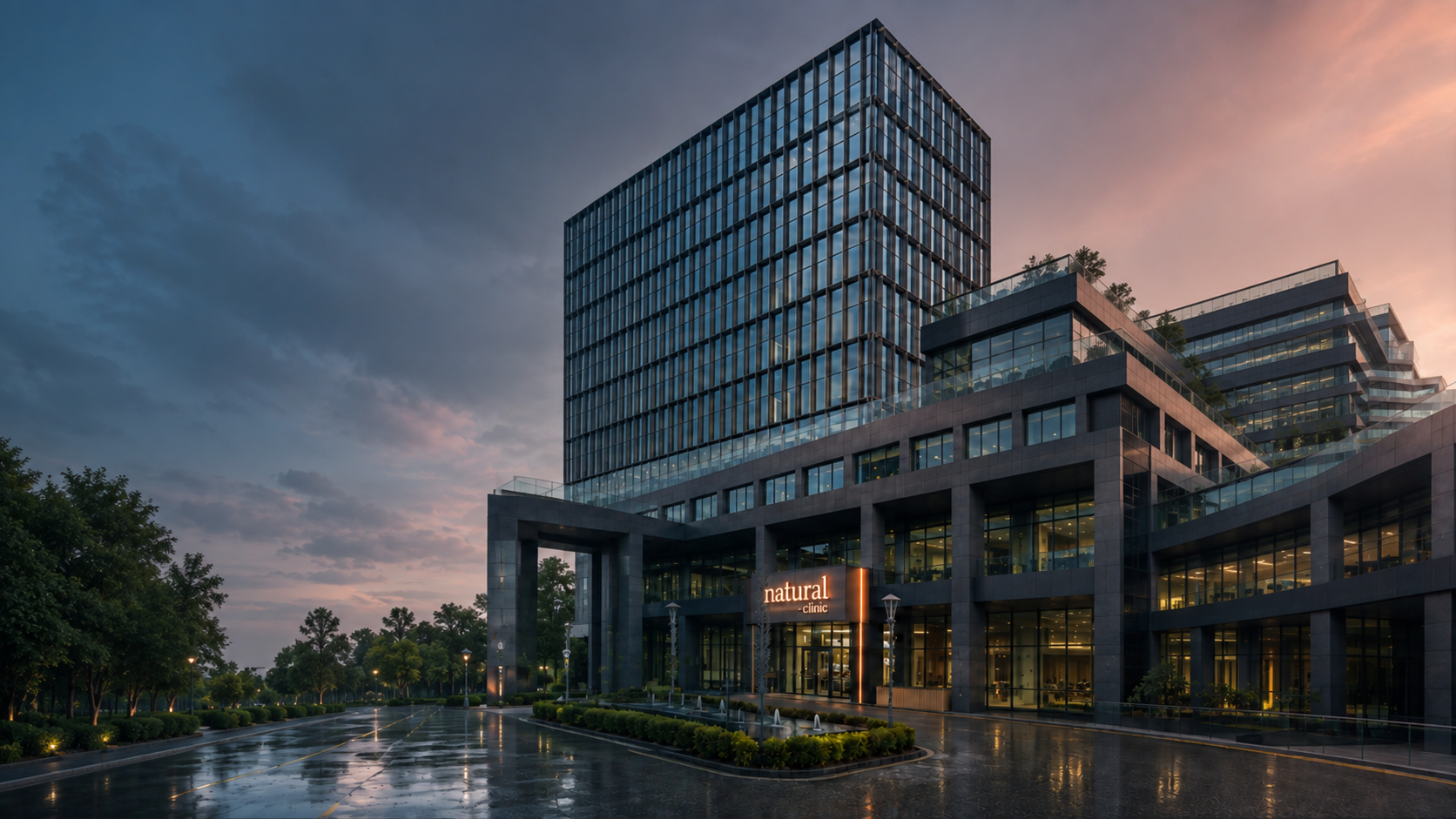
.webp?v=mumcymz7)
Single Dental Implant
Dental Treatment in Istanbul · Veneers from €130
Count the teeth you hide when you smile. That number shapes your whole treatment plan.
Some patients need one implant, others a new smile or two full jaws, and the right plan starts with a scan rather than a sales pitch. Implants begin at €230, veneers at €130 and whitening at €160, with the brand named in your quote.
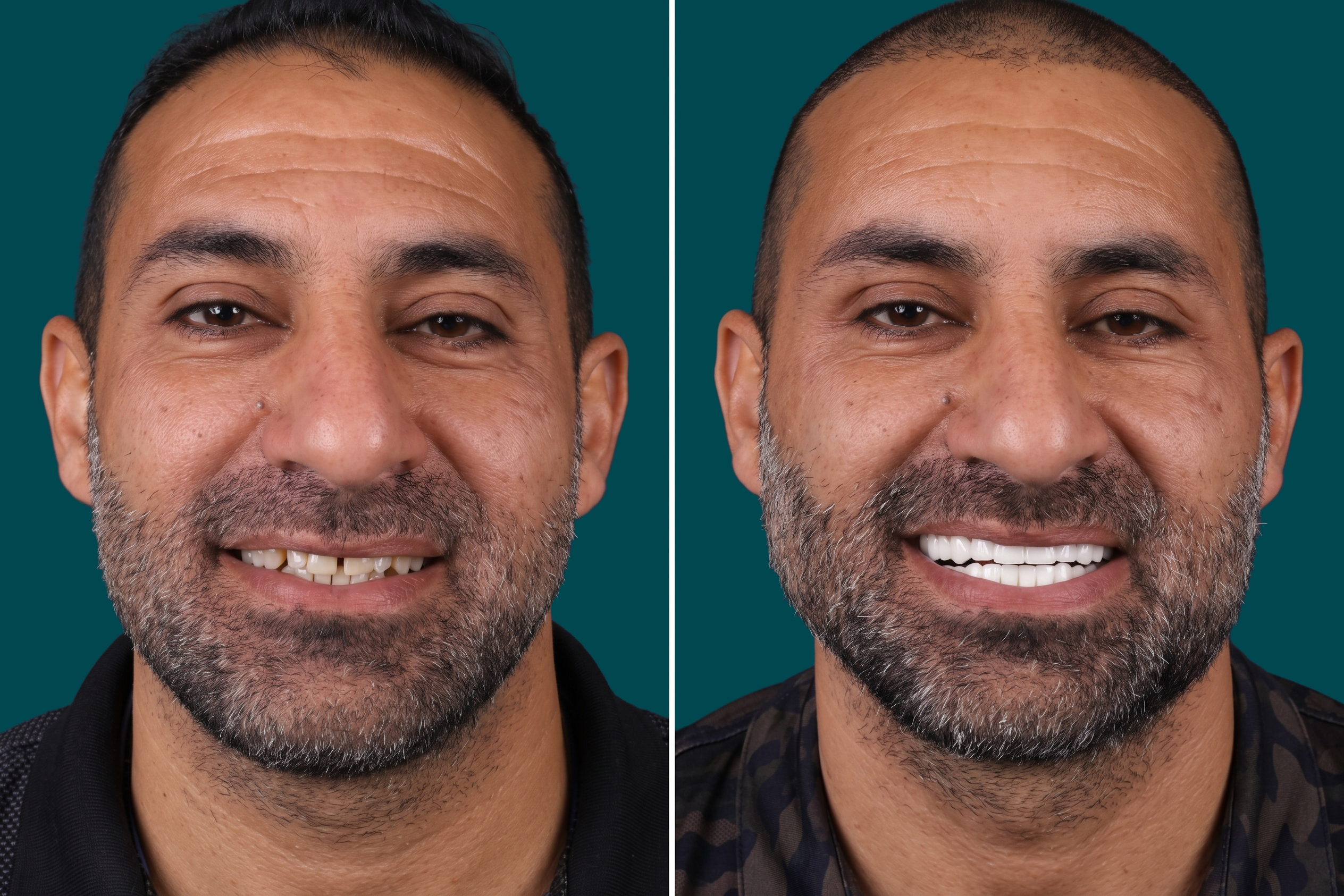
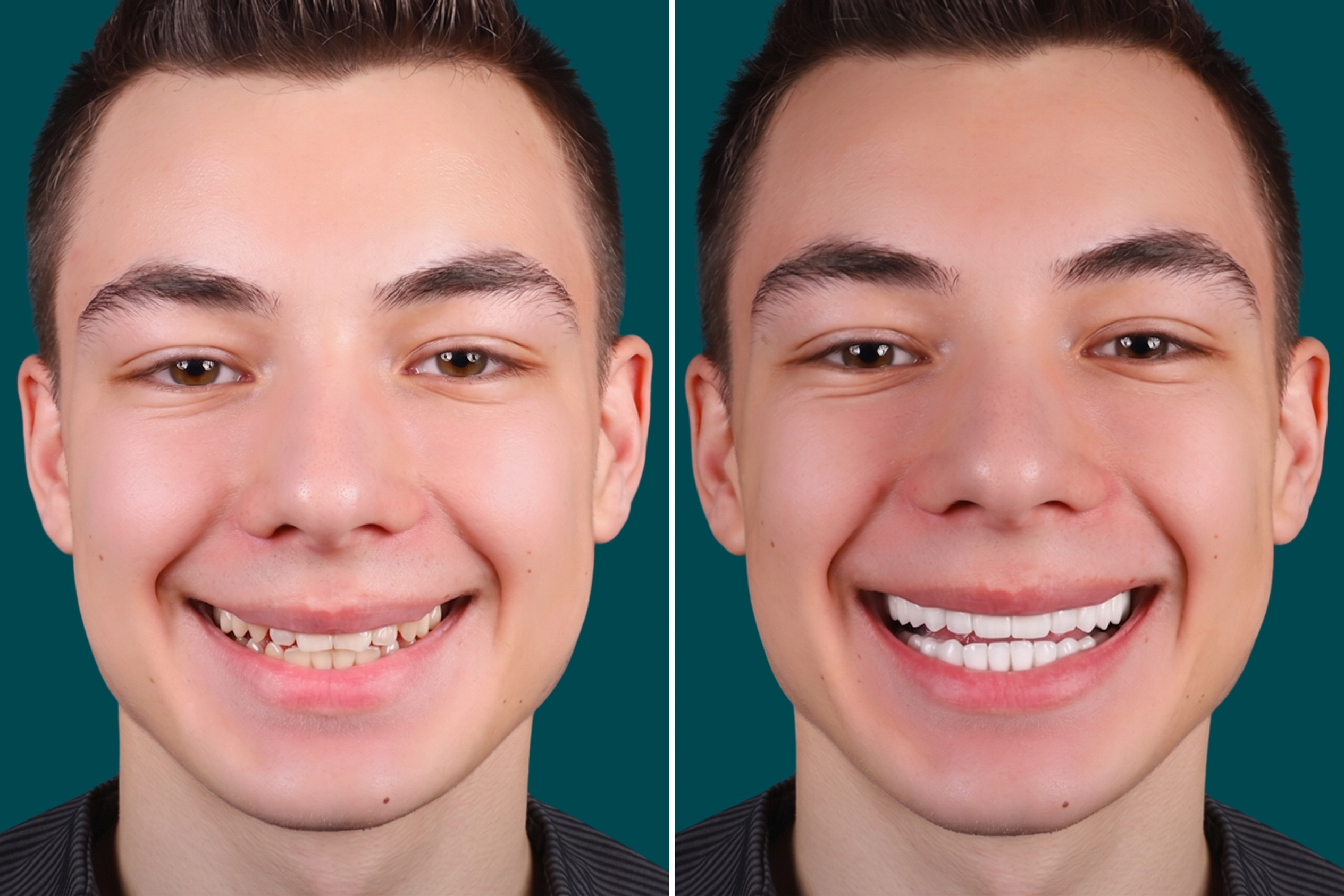
These dental before and after photos cover implants, veneers, crowns and whitening at our Istanbul clinic. Compare shade, gum line and tooth proportion rather than brightness alone, because no two mouths start from the same point.
.webp?v=mumg206h)
Dental Veneers
-1.webp?v=mumd4iph)
Porcelain Crowns
.webp?v=mumd5dzg)
Hollywood Smile
Implants, veneers, crowns and whitening: our dental patients explain why they chose Natural Clinic and how their plan took shape once the scans were read. Each of them began by sending a few smile photos.
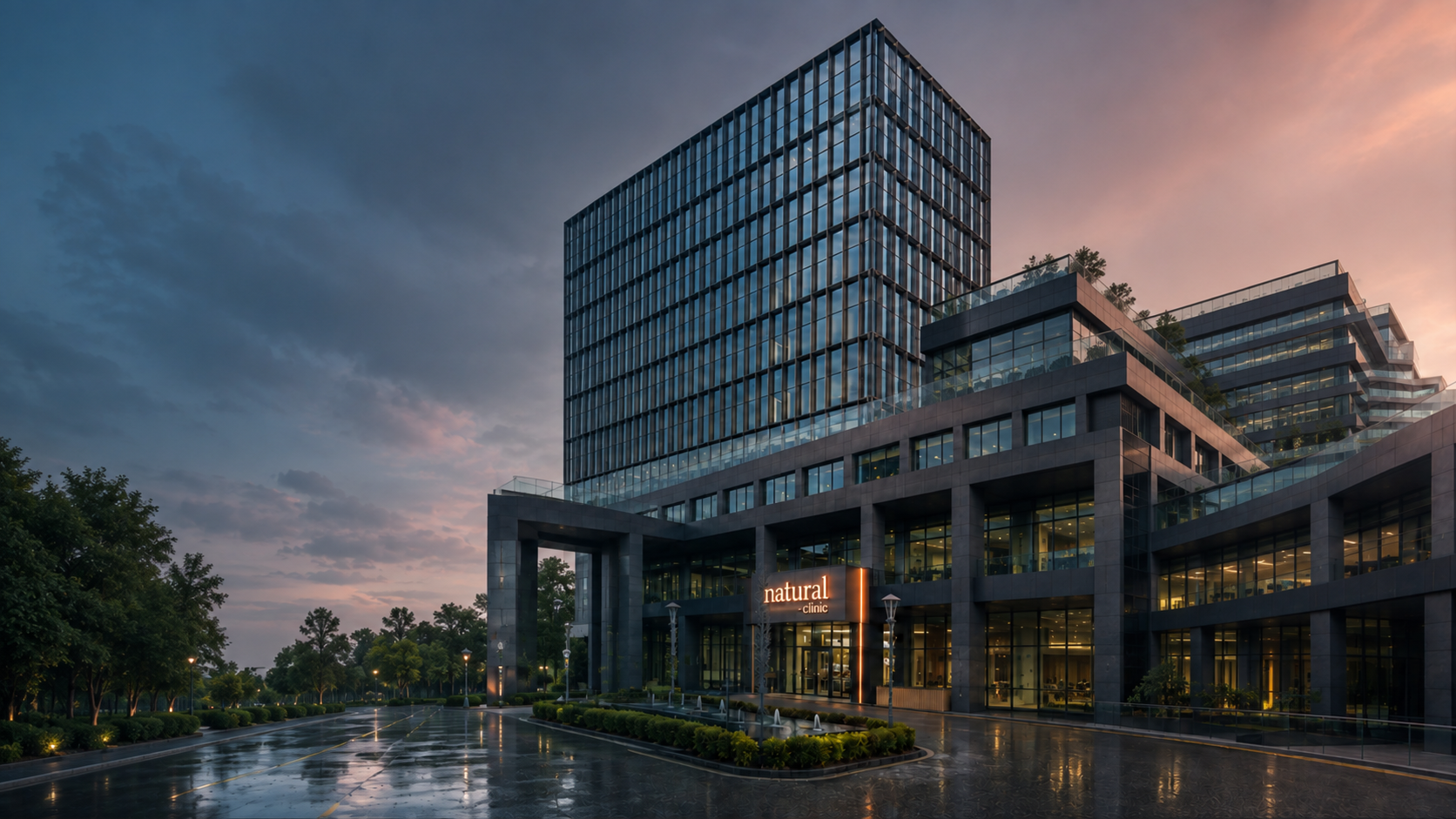
Natural Clinic brings several specialist fields together under one roof: hair transplantation, dentistry, facial, body and breast aesthetics, bariatric surgery and reconstructive treatments. Cross-disciplinary medical teams, multilingual coordination and internationally recognised safety standards carry each patient from consultation and treatment planning through to recovery and aftercare.
Advanced treatments across multiple medical specialties
Experienced specialists working across disciplines
Consultation, treatment, recovery and aftercare coordinated under one roof
A large-scale medical infrastructure in Istanbul
Most people arrive asking for one treatment and leave with a different, simpler plan. Whitening before veneers. A bridge instead of three implants. Below is what each one does — and one of our dentists will tell you which applies to you, free of charge, before you travel.
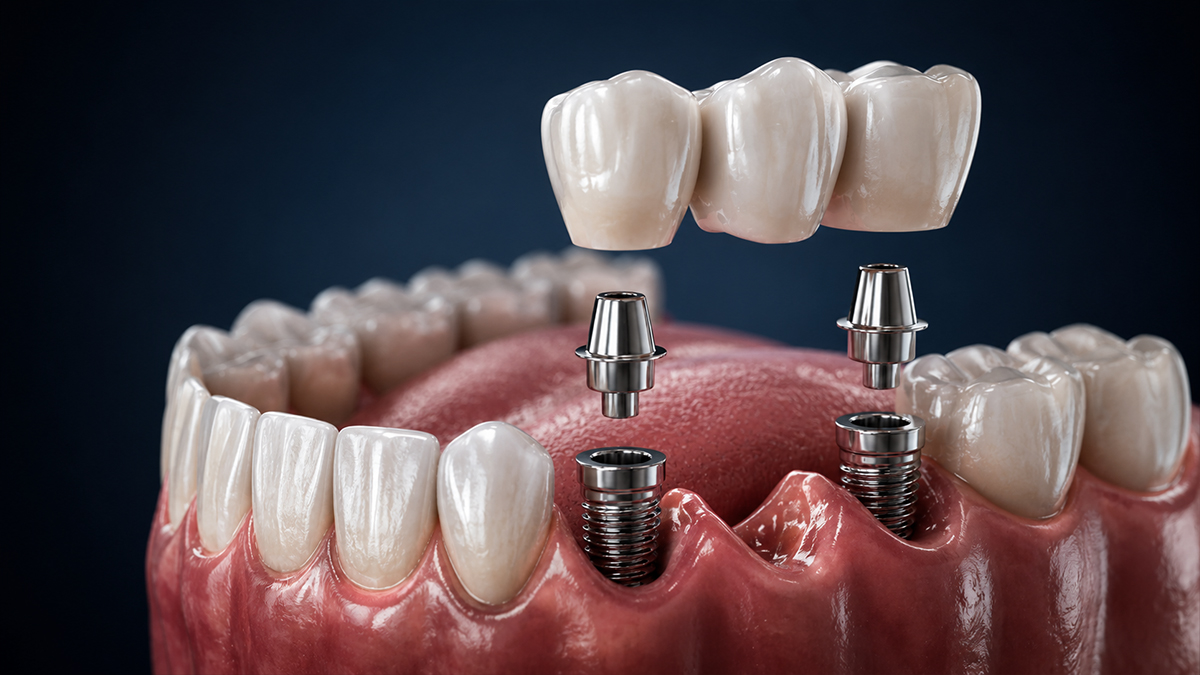
Missing teeth
A titanium post replaces the root of a missing tooth, then carries a crown, bridge or a full arch. It is the only treatment that replaces the root itself, so the jawbone keeps being loaded and the teeth either side are left completely untouched.
One or more missing teeth — or a jaw with none left.
Two visits: 3–5 days, then 4–5 days after 3–6 months of integration.
Damaged teeth
A crown caps a tooth that is cracked, heavily filled or root-treated, restoring its shape, strength and appearance. Milled in our in-house laboratory from zirconia, E.max, porcelain or ceramic, and shade-matched to the teeth beside it.
Cracked, worn, discoloured or root-treated teeth that still have a root.
One visit, 3–4 days in Istanbul.
Cosmetic front teeth
Thin, custom-made shells bonded to the front surface of the teeth to change shape, shade and alignment. Far less tooth is removed than for a crown, which is why veneers suit teeth that are structurally sound but cosmetically not.
Healthy front teeth with discolouration, small gaps, chips or mild misalignment.
3 days of treatment, 5–7 days in Istanbul.
Full smile redesign
Not one treatment but a plan: veneers, crowns, implants and whitening combined to redesign the whole visible smile. Tooth shape, shade, midline and lip support are decided together with digital planning before a single tooth is prepared.
Anyone who wants the entire visible smile changed rather than one tooth repaired.
3 days of treatment, about 7 days in Istanbul.
Shade only
Professional bleaching lifts the shade of your own enamel without removing any tooth structure. It is the most conservative cosmetic option there is — and the right first step before deciding whether you need veneers at all.
Healthy, well-aligned teeth that are simply darker than you want them.
One appointment, usually under two hours.
Saving a tooth
When the pulp inside a tooth is infected, root canal treatment removes it, disinfects the canals and seals them — so the tooth stays in your mouth instead of being extracted. A crown usually follows to protect what is left of it.
A painful, abscessed or previously traumatised tooth that is still restorable.
One or two appointments, then a crown.
A gap between teeth
A bridge spans a gap by anchoring to the teeth either side, or to implants. It is faster and cheaper than implant treatment, but a conventional bridge means preparing two healthy teeth — and that trade-off is worth understanding before you choose.
One or two missing teeth with strong, healthy teeth on both sides.
One visit, 3–5 days in Istanbul.
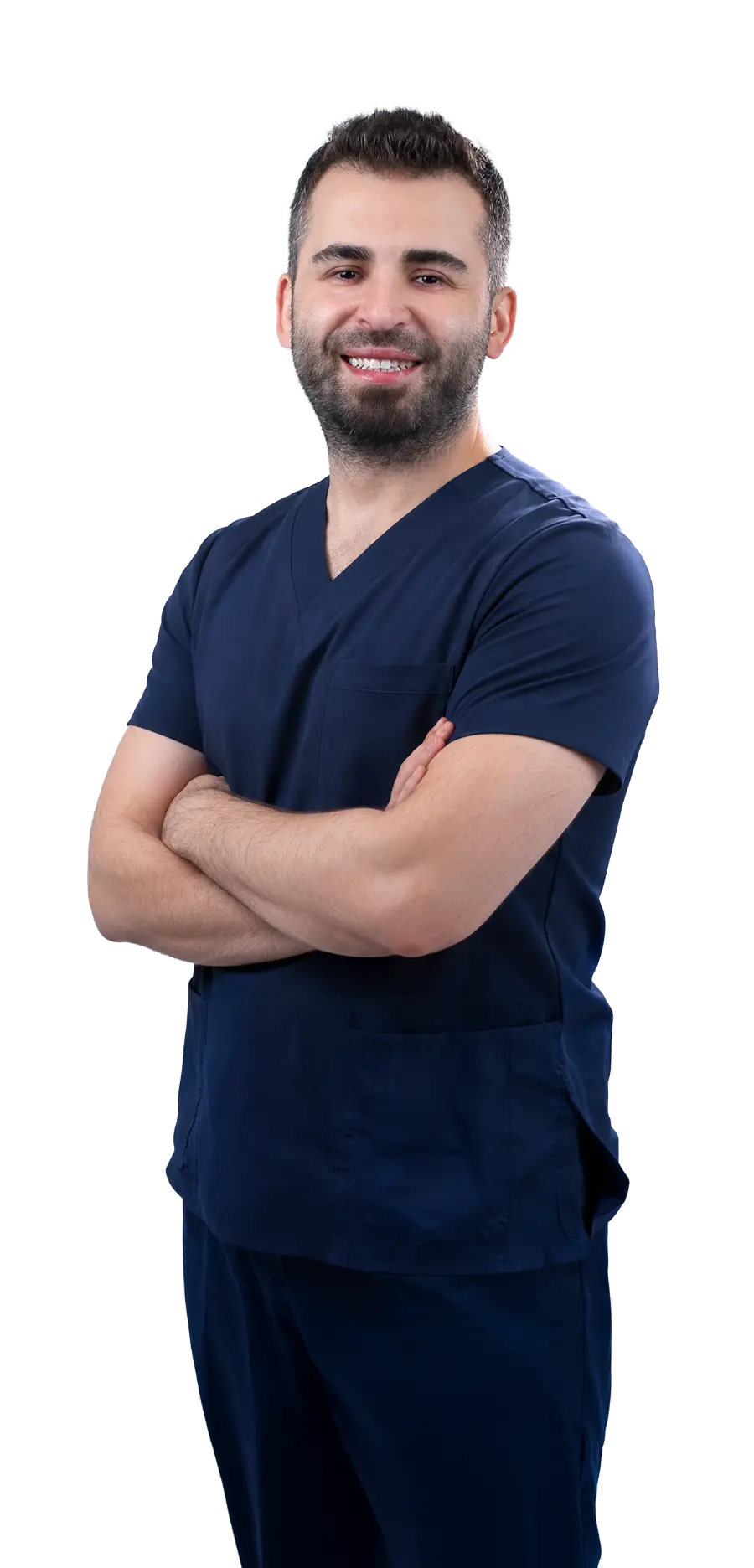
Oral Surgery & Implantology
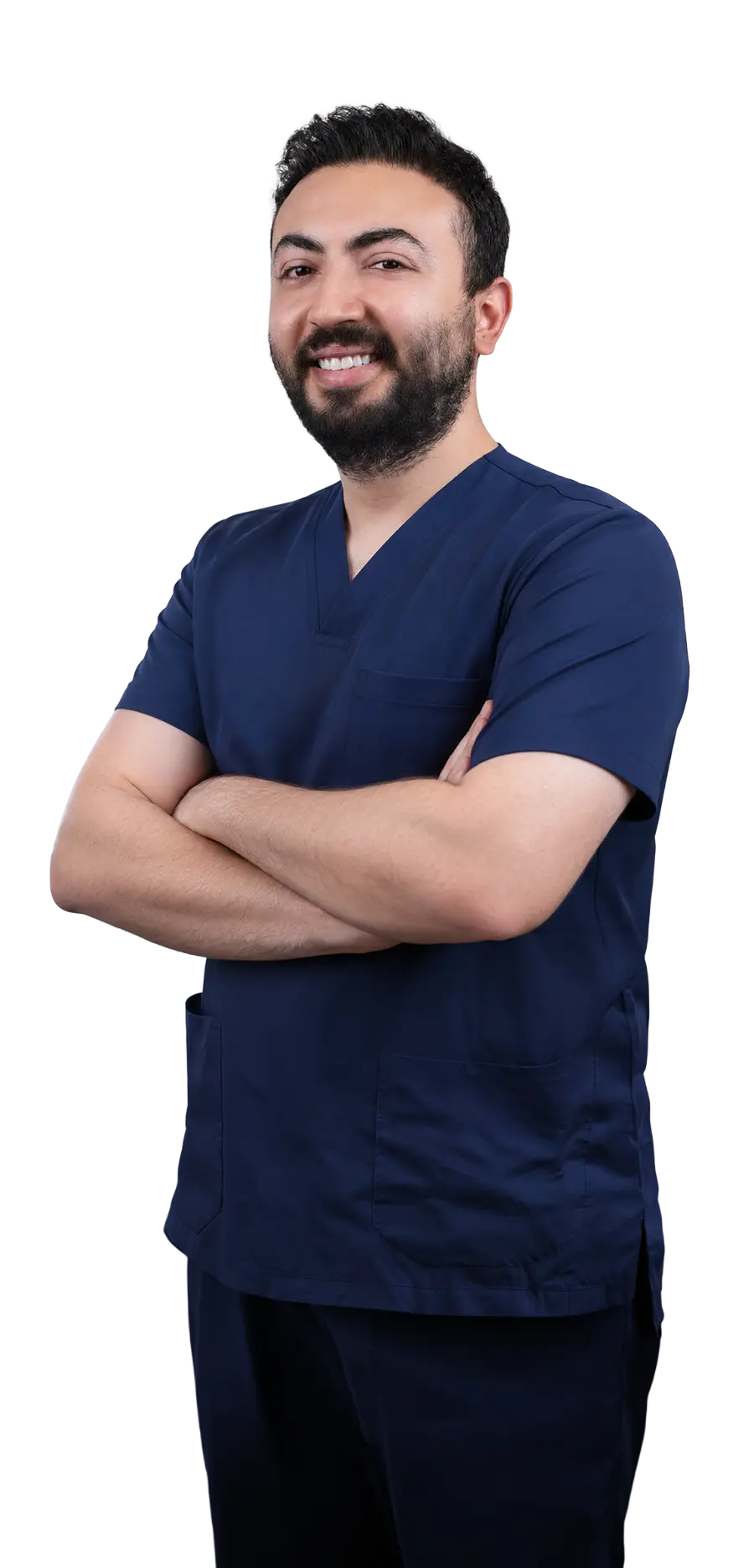
Spec. Dr. Oğuzhan Sunar is a Periodontology Specialist and implant surgeon with over a decade of clinical practice. A graduate of the Hacettepe University Faculty of Dentistry, he completed his specialization at Ordu University, publishing in national and international journals and developing the "Discision" technique. He specializes in advanced and zygomatic implant surgery and lectures at professional courses. Since 2023, he has served as the Head of Dental Surgery at Natural Medical Center.
Clinical Expertise
Implant Dentistry
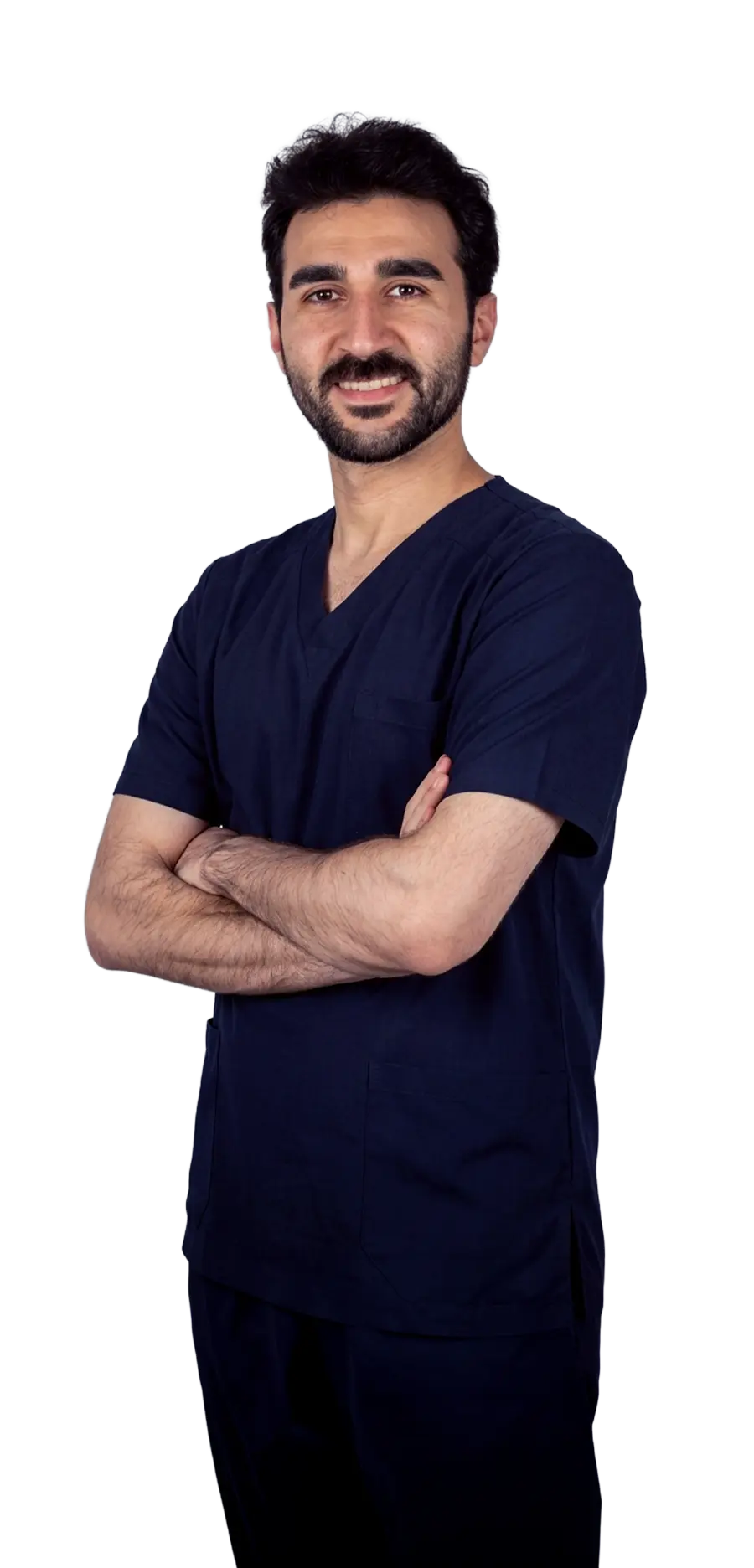
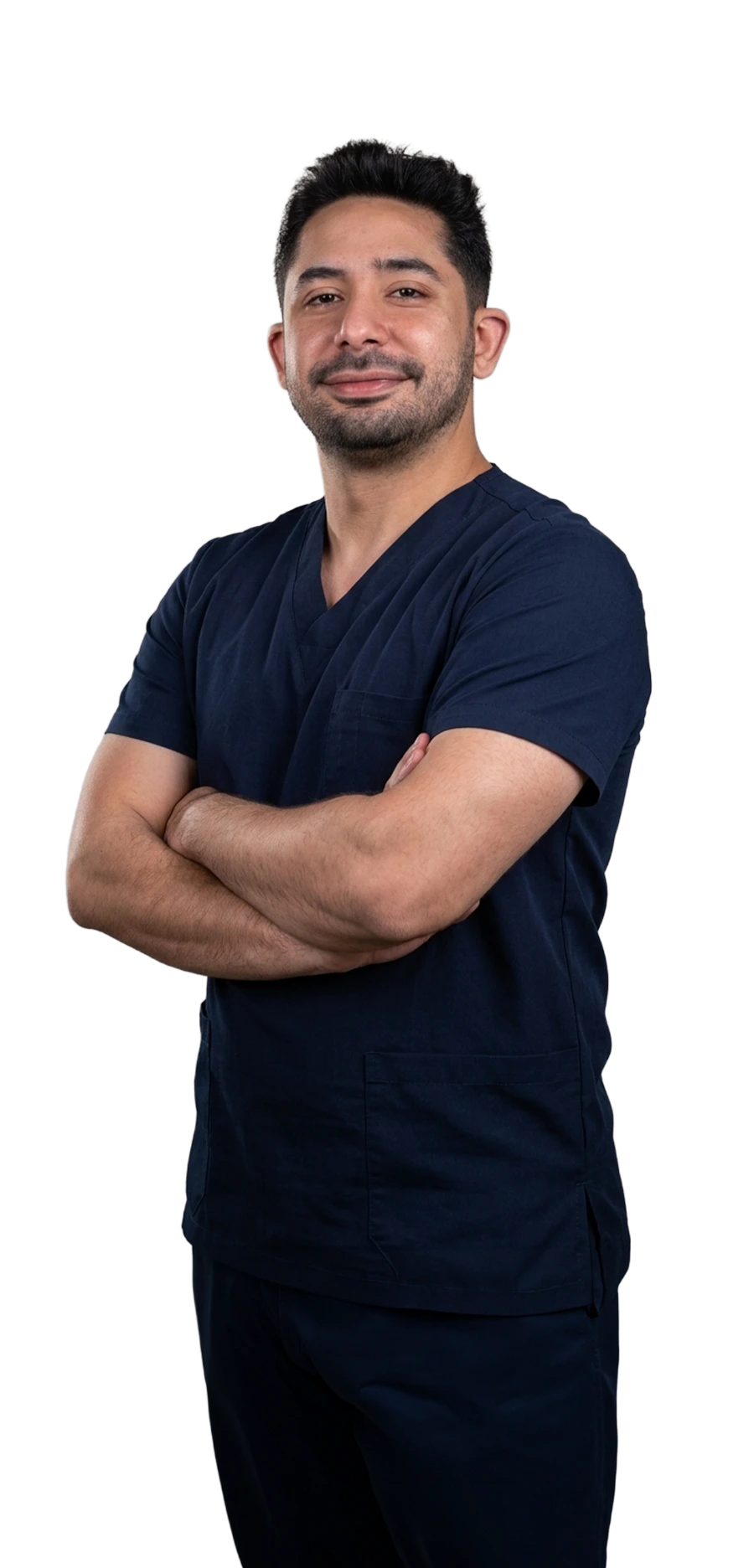
Born in Bandırma in 1995, Dr Ömer Reşat Gültek studied at İnegöl Mediha Hayri Çelik Science High School before turning to dentistry — and he still thinks like a materials scientist. Which ceramic, which technique, which protocol for this particular tooth: those are the questions he takes seriously, and they are why his root canal treatments hold. What patients mention, though, is the manner. He explains as he works, he does not rush, and a single filling gets the same attention as a full arch.
Certificates
Prosthetic Dentistry
After successfully completing her primary and secondary education, Özaydın studied at Bezmialem Vakıf University and then at Istanbul University Faculty of Dentistry, Department of Prosthetics. She has worked in the field of prosthetics at various important institutions. In addition to her professional career, Dr. Özaydın has also made various contributions to academic literature and has been working as a Dental Prosthetics Specialist at the Natural Medical Center Dental Department for a long.
Certificates
General Dentistry
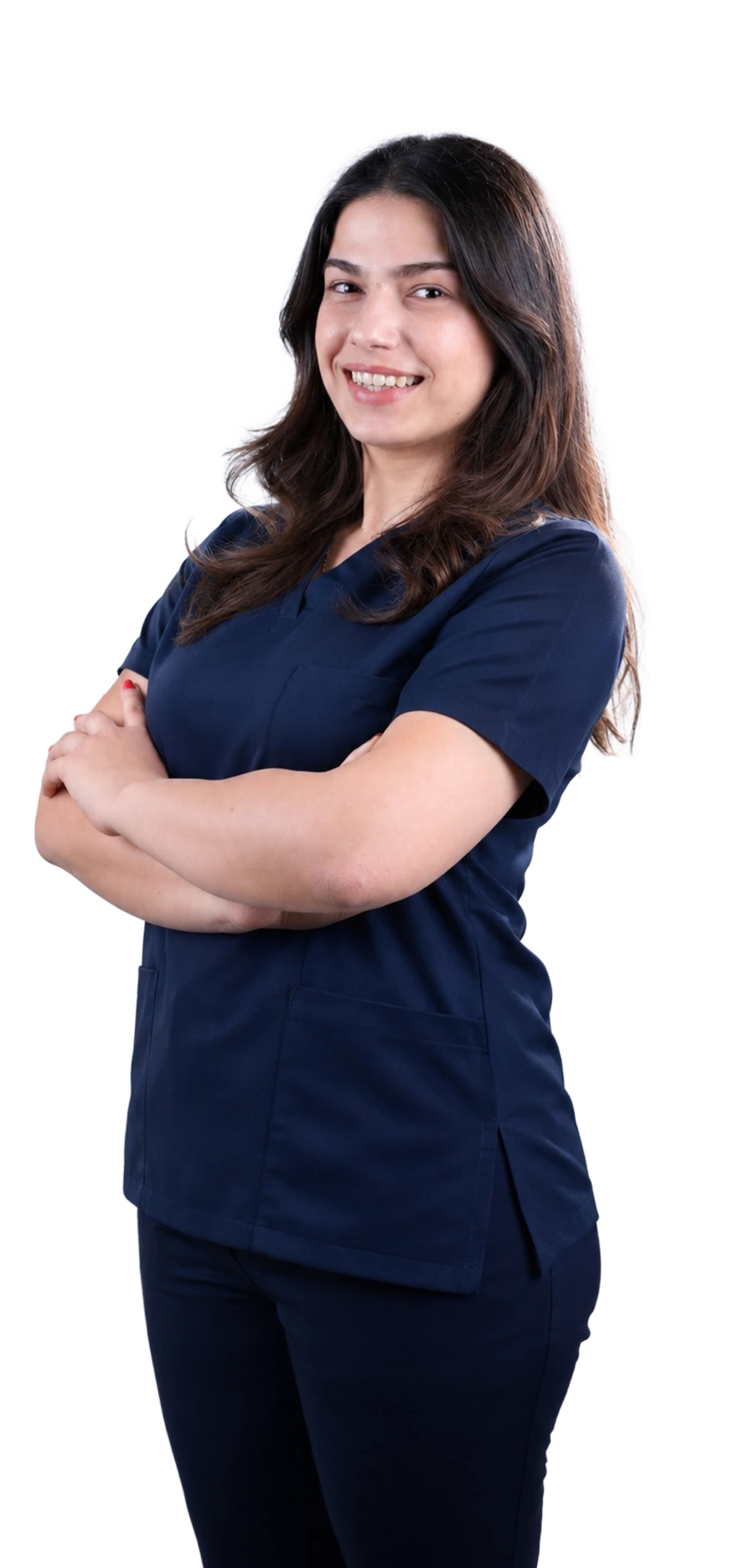
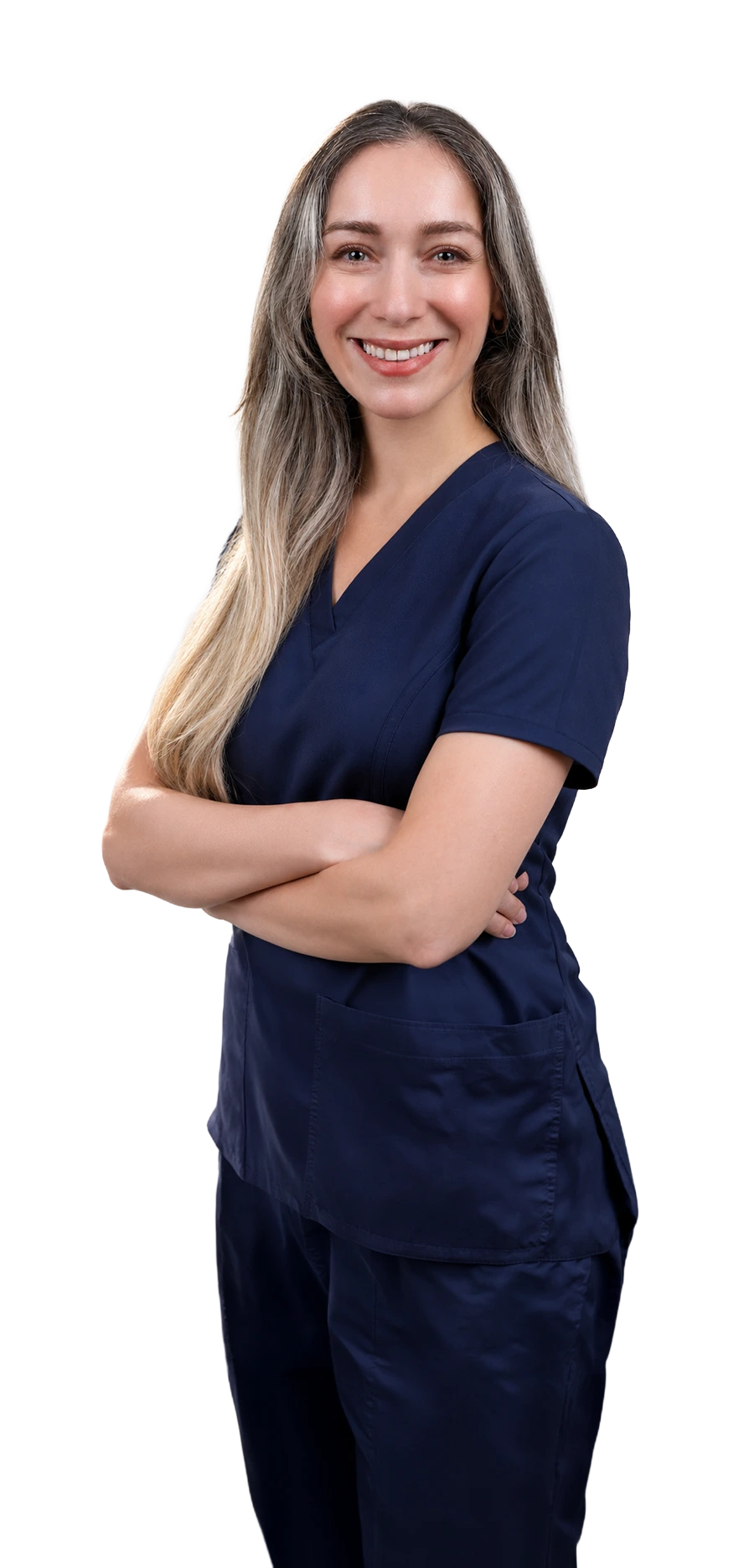
Dr Nur Karakaya graduated from Istanbul University Faculty of Dentistry in 2025 — which means she was taught the current protocols, not the ones that were current twenty years ago, and that she works inside a team of specialists rather than alone. Patients tend to remark on how much she explains: what she found, what she recommends, and what she would leave alone. She reads the new literature because she is still close enough to it to know how fast it moves.
Seminars and Trainings:
Prosthetic Dental Treatments
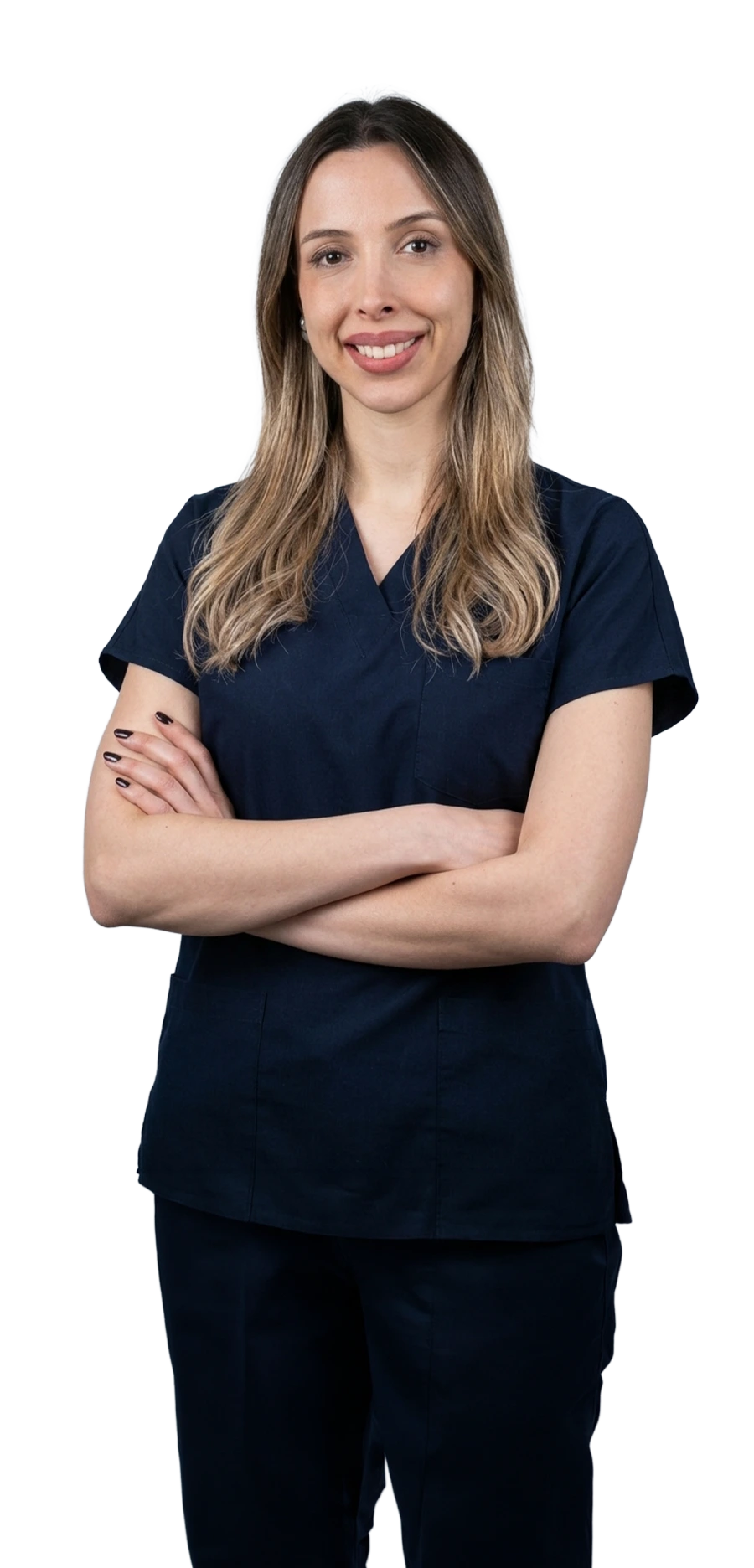
Dr Helin Ağırtıcı trained in International Dentistry at Medipol University and works in prosthetic and aesthetic restorative dentistry, planning cases digitally rather than by impression alone. For patients travelling from abroad she is often the one who reads the photographs, builds the plan and answers the questions before the flight is booked — in English, which is why the plan you receive and the treatment you get are the same thing. She has been at Natural Clinic since 2024.
Seminars and Trainings:
General Dentist
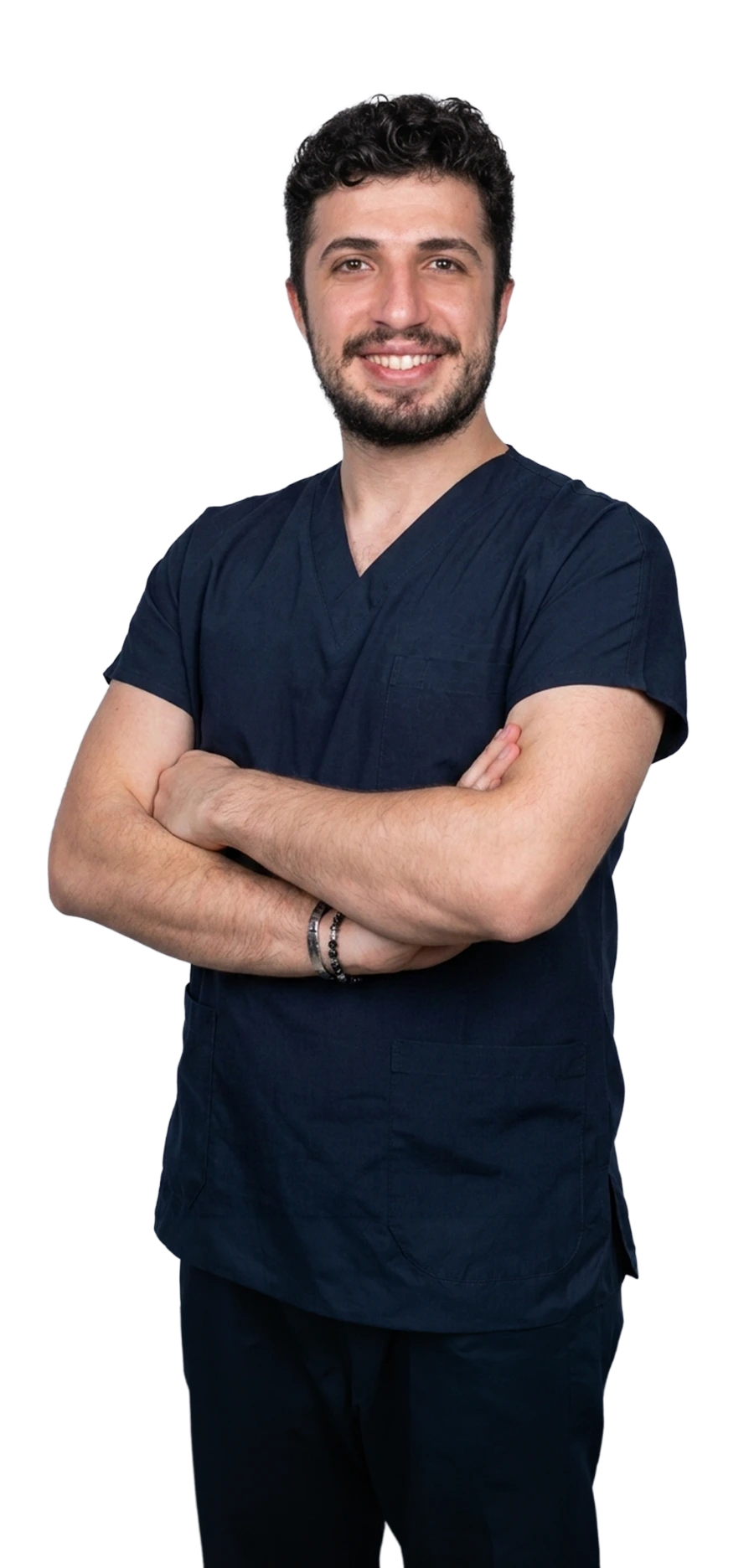
Born in 1999, Dr Enes Tuluk graduated from Istanbul University Faculty of Dentistry in 2023 and went straight into aesthetic work: Hollywood Smile cases, laminate veneers, E.max and zirconia crowns, implant-supported prostheses. What he watches for is what patients notice a year later rather than on the day — how the ceramic meets the gum, how the shade holds, whether the smile still looks like yours. He plans tooth by tooth, and will tell you which teeth to leave alone.
Seminars and Trainings:
Prosthetic Dentistry.
Dr. Diler Özkan İrem graduated from Istanbul University Faculty of Dentistry in 2014 and stayed for a doctorate in prosthodontics, earning her PhD in 2020 with a thesis on how all-ceramic bridges fit and where they fracture. It is an unusually specific question, and the useful kind: knowing why ceramic fails is what stops it failing. At Natural Clinic since 2020, she works on crowns, bridges and full smile design — the aesthetic side, decided on functional grounds.
Seminars and Trainings:
Aesthetic Dentistry and Implantology
Dr Ali Haydar Çapuk graduated from Ege University Faculty of Dentistry in 2012 and spent the years since in private practice, training in aesthetic dentistry, implantology and smile design in Turkey and abroad. Thirteen years of that work is a long time to watch restorations age, and it shows in what he recommends: implants where a tooth is gone, veneers where the tooth is sound, whitening where nothing needs covering at all. He joined Natural Clinic in 2025.
Seminars and Trainings:
Oral, Dental and Maxillofacial Surgery
Born in Çanakkale on July 14, 1995, she graduated from Near East University Faculty of Dentistry in 2021. Immediately after graduation, she began working intensely at a private clinic in Çanakkale with a high patient potential. During this time, she increased her clinical experience and knowledge. After working there for about two years, she decided to pursue a doctorate in Oral and Maxillofacial Surgery at Istanbul Aydın University.
General Dentistry
Dr Beliz Kerime Dede studied at Bahçeşehir University Faculty of Dentistry, graduating in 2025 from its fully English-taught programme — which is why she reads the international literature first-hand and why patients from abroad talk to her without an interpreter in the room. Her clinical focus is restorative work, endodontics and prosthetics, with congress and workshop training in implantology and aesthetic restorations. She works within a team of specialists, and says so plainly.
Seminars and Trainings:
Prosthetic Dentistry
Dr Aslı Betim Şahin graduated from Ankara University Faculty of Dentistry in 2014 and began a PhD in prosthodontics at Istanbul University in 2016 — the discipline that decides how a restoration meets the gum, the bite and the face. She has practised across several institutions and presented at national and international meetings, and she has been at Natural Clinic since 2020. Consultations are held in English, so the plan you agree to is the one you discussed.
Seminars and Trainings:
Endodontist
Endodontics is where Dr Salih Muhammed does most of his work — root canals, including the ones another clinic has already attempted. Urgent cases are the real test: a tooth that hurts today cannot wait for a plan next week, and knowing which of those teeth can still be saved is judgement built case by case. He treats local and international patients alike, works to the clock without rushing the tooth, and will say when an extraction is the honest answer.
Certificates
Specialist Prosthodontist
Dr Mehmet Anıl Tütüncüler works in prosthodontics — the discipline that decides how a restoration meets the gum, the bite and the face. His cases are planned digitally and judged against the evidence rather than the trend: a design is only worth approving if the result can be predicted, and only worth fitting if it will still be working in ten years. Appearance matters, but it is the second question. The first is whether the mouth will function.
Certificates
Short answer: yes — and not because it is cheap. Turkish dental teams treat more international cases than almost anyone in Europe, using the same materials, the same German and Swiss technology and the same digital protocols, and backing the work with a written guarantee.
High case volume means dental teams refine crown, veneer, implant and full-arch protocols at scale, not occasionally.
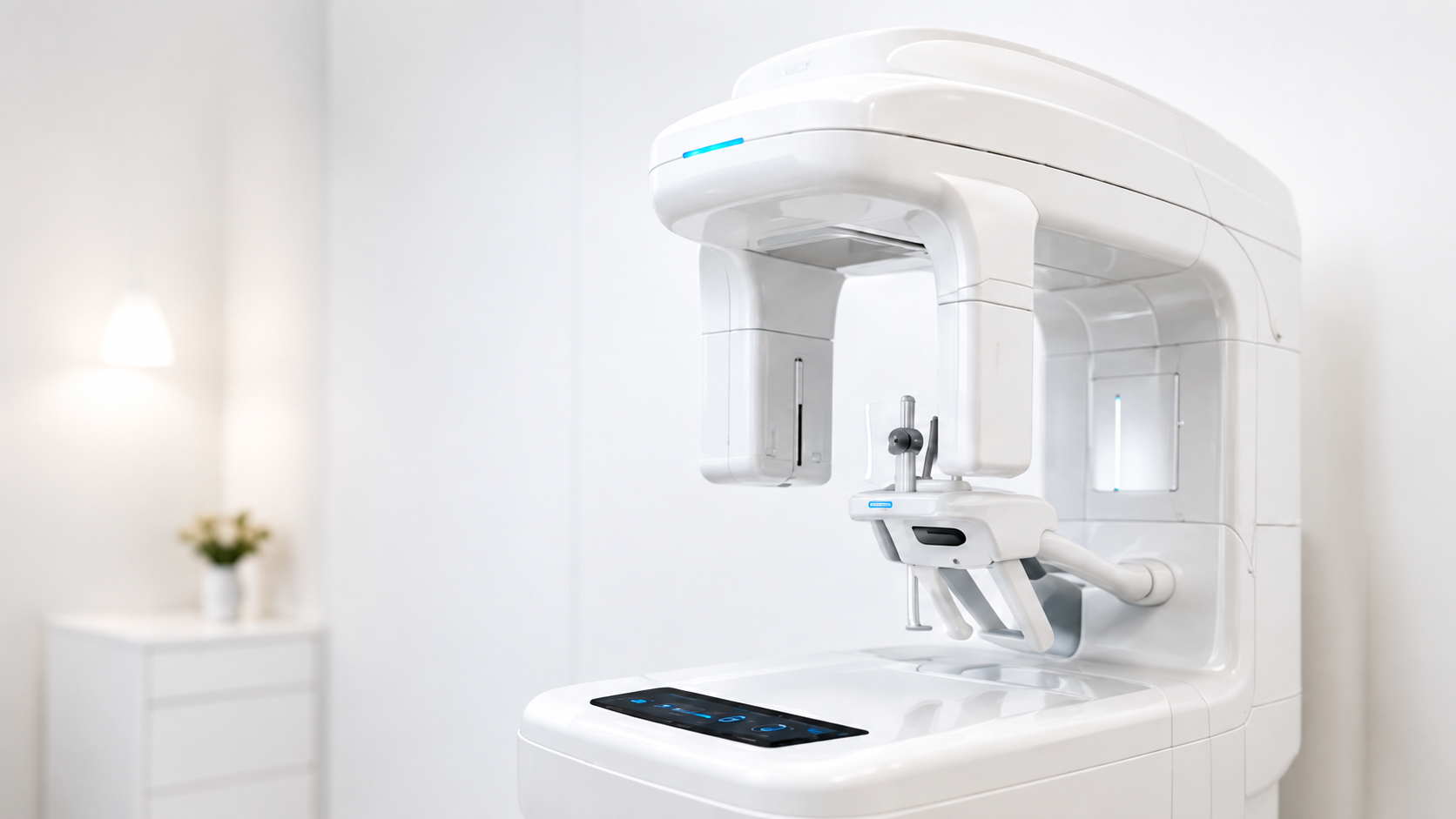
CBCT scanning, intraoral scanning and in-house CAD/CAM milling are standard tools here, not premium extras.
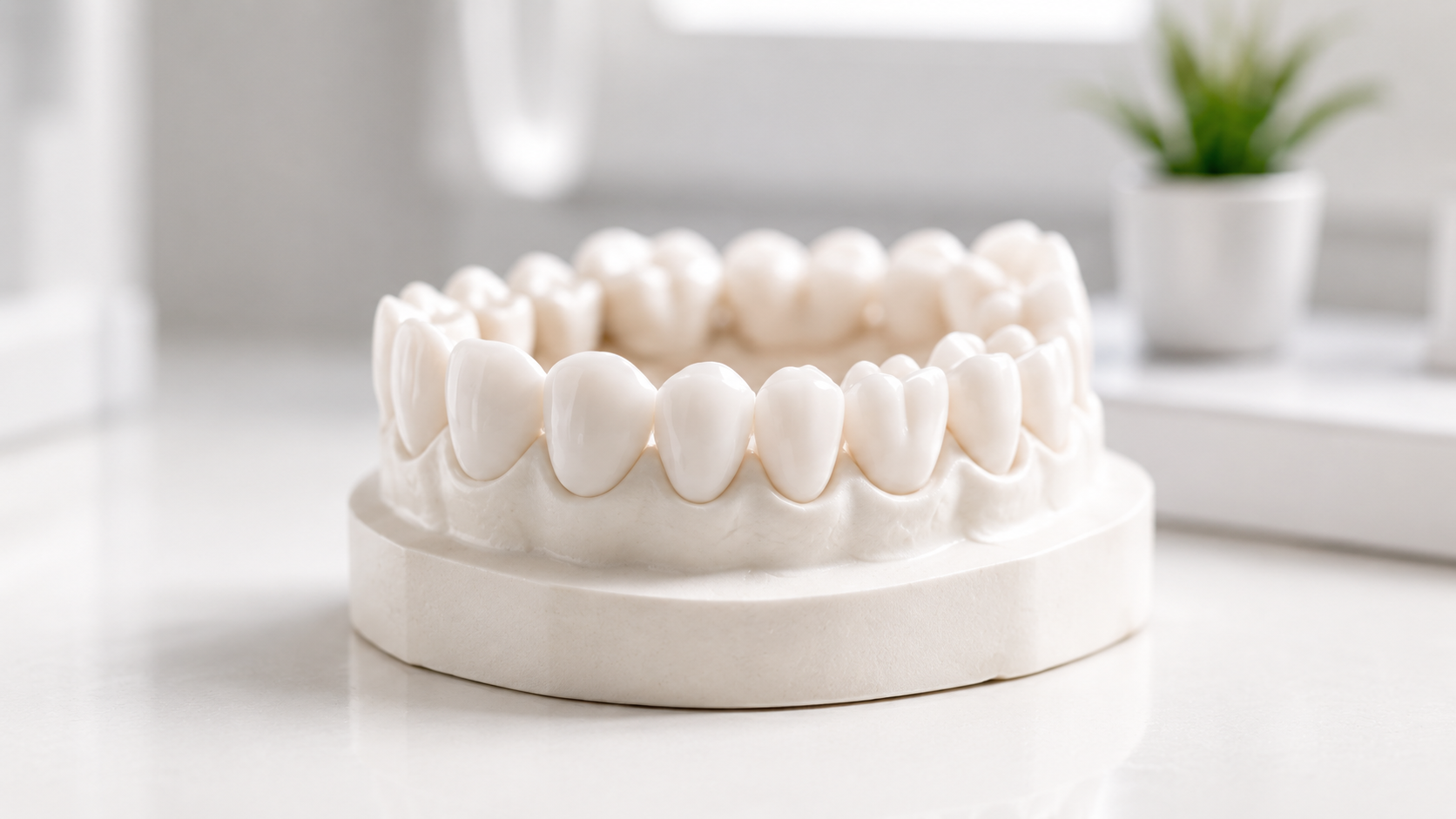
Lower laboratory, property and staffing costs reduce the price without requiring lower-grade materials.

Istanbul is connected to hundreds of international destinations, which makes a two-visit plan easy to schedule.
An interpreter and a dedicated coordinator handle communication, planning and aftercare from the first message to the final check.
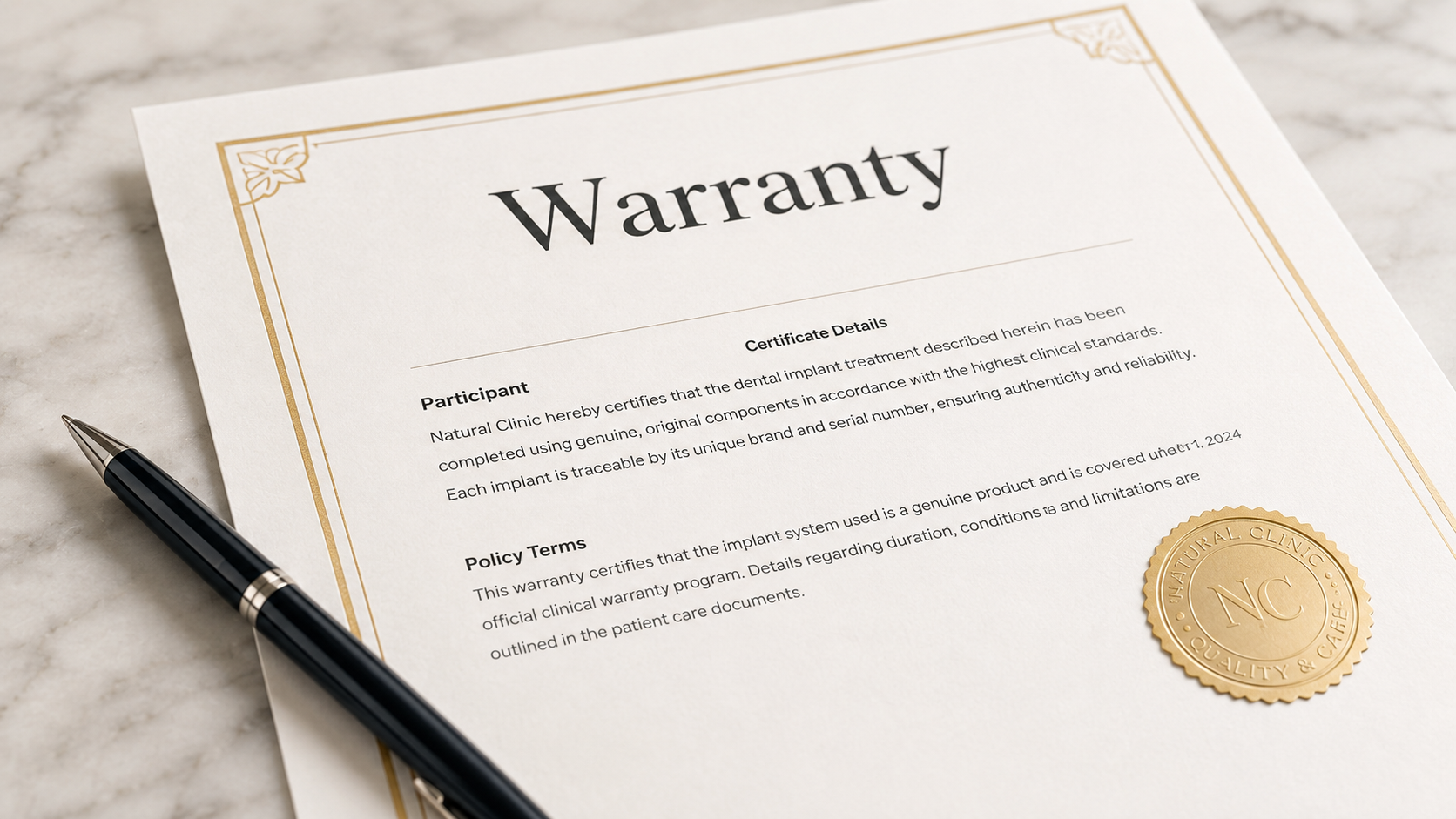
Reputable dental clinics in Turkey issue a written certificate; ours runs 15 years and names every material used.
Cosmetic work fits one stay; anything that needs bone to heal is split across two. The pathway shows how that is worked out.
Smile photos plus any existing X-rays let a dentist separate what must be treated, what is optional and what should be left alone.
Veneers, crowns and whitening finish within about a week. Implants need three to six months of bone healing, so they take two visits.
Panoramic or CBCT imaging, gum checks and bite analysis come first, and the plan is confirmed only after them.
Crowns, veneers and bridges are produced in the building, so a shade or length change takes hours rather than a return flight.
Eligible work carries a 15-year written guarantee, with the materials listed so any future dentist knows what's in your mouth.
Implants, veneers, crowns and more — how dental treatment in Istanbul is planned, priced and guaranteed.
Natural Clinic in Istanbul provides dental implants, including All-on-4, All-on-6, full mouth and zygomatic implants, as well as porcelain, E.max, laminate, zirconium and composite veneers, dental crowns, bridges, smile makeovers, teeth whitening and root canal treatment. A dentist recommends treatment after reviewing your photographs and any existing X-rays.
Planning starts with photographs and any X-rays you already have, followed by a full examination, X-rays or a 3D CBCT scan, and a gum and bite check when you arrive. The dentist then separates treatment that is necessary from treatment that is optional, and identifies teeth that are better left untouched.
Natural Clinic uses implant systems including Straumann, Nobel Biocare, Medentika, Osstem and Hiossen, and designs and manufactures veneers and crowns in its own laboratory. The materials used for each tooth are named on your written plan and on the guarantee certificate you receive at the end of treatment.
At Natural Clinic, dental implants start from €230 per implant, porcelain, E.max, laminate and zirconium veneers are €200 per unit, and composite veneers are €130. Full-arch options start from €3,250 for All-on-4 and €3,700 for All-on-6 per arch. Every item is confirmed in an itemised written plan before travel.
Lower operating costs and an in-house laboratory reduce overheads, so savings do not depend on using lower-grade materials. The same implant brands and ceramics used across Europe are available, with dental implants in Istanbul costing up to 70% less than comparable treatment in the UK.
Your itemised plan covers the treatment itself, and the clinic arranges hotel accommodation, private airport transfers and a personal interpreter. Additional procedures such as bone grafting, whitening, gum work or root canal treatment are charged only when an examination shows they are clinically needed.
Safety depends on the clinic's planning and standards. At Natural Clinic, treatment is based on digital scans and X-rays, implants are placed using guided surgery, and restorations are made in an in-house laboratory, all within a hospital-grade facility using internationally recognised implant systems and ceramics.
Procedures are carried out under local anaesthetic, so most patients feel little during treatment. Veneers and crowns may cause temporary sensitivity, while implant surgery can bring mild swelling and tenderness for two to three days, usually managed with prescribed or over-the-counter painkillers.
Eligible implants and restorations are covered by a 15-year written guarantee. You receive a certificate naming the materials used, which is also useful for any dentist who treats you in future. Regular check-ups and good oral hygiene are important to keep the work, and the guarantee, in good condition.
Stay length varies with the treatment. Ceramic veneers, crowns and whitening usually fit into a single stay of about five to seven days. Implant treatment is split into two visits: one for placing the implants and a second, months later, for the permanent teeth, which takes about four to five days.
After placement, an implant needs time to fuse with the jawbone, a process called osseointegration. This takes around three to four months where bone quality is good, and six to nine months if bone grafting was needed, so the final crowns or bridges are fitted on a second visit once integration is confirmed.
Yes, in most cases. Veneers and crowns do not require a healing period, so digital design, a trial mock-up, tooth preparation, laboratory work, try-in and bonding can all be completed within five to seven days. Composite veneers are even quicker, often taking one or two days.
Cosmetic treatments such as whitening and veneers involve very little recovery, though some temporary sensitivity is possible. After implant surgery, mild swelling and tenderness usually last two to three days. Written aftercare instructions and video check-ins support you once you return home.
You keep a named coordinator after leaving Istanbul, with video check-ins and written instructions for your recovery. For implant patients, check-ins are scheduled during the healing months, and regular visits to your local dentist help maintain both the work and the written guarantee.
Longevity depends on the treatment and on care. Well-maintained dental implants can last for decades, porcelain and E.max veneers typically last 10 to 15 years or longer, and composite veneers around four to eight years. A night guard is often recommended to protect ceramic work from grinding.
Every treatment has its own page, with the materials, the timeline and the price set out in full. Read as much as you like — or skip it and let one of our dentists tell you which one you actually need.
Personalised Care, Just for You
Send a few photos of your teeth, plus any X-ray you already have. One of our dentists reviews your case and replies with a realistic, itemised plan — which treatment you actually need, how many units, which material, what it costs with hotel and transfers included, and how many days you’ll be in Istanbul. No obligation, no pressure, no cost.
Get My Free Treatment PlanDental treatment in Turkey includes a wide range of cosmetic, restorative, implant and surgical dental procedures designed to address different oral health and aesthetic needs. Depending on the patient's condition, treatment may involve a single procedure or a combination of treatments planned as part of a broader dental rehabilitation.
Try the little exercise in the header before you read anything else. Smile at a mirror and count the teeth you'd rather hide. One? Four? Most of the top row? Now ask yourself why each one bothers you. Colour, a chip, a gap, a crown that's gone grey at the edge. Your answers will tell you more about the treatment you need than any brochure.
Dental treatment in Turkey runs from a single whitening appointment to two brand-new jaws on implants, and most people land somewhere in between. Think of this page as the map. It points you to the right section below, then covers the things every patient travelling to Istanbul ends up asking about, whatever they're having done.
Start with the problem rather than the treatment name.
If teeth are missing, begin with dental implants, and look at the dental bridge page too if the teeth beside the gap already have large fillings or crowns.
If a tooth is broken, heavily filled or has had a root canal, the dental crowns section explains how much of it can be saved and what should cover it.
If a tooth aches, throbs or has been condemned by another dentist, read root canal treatment before agreeing to an extraction.
If it's mainly colour that bothers you, go to teeth whitening first. It may be all you need.
If the shape, length or evenness of healthy front teeth is the issue, the dental veneers section compares the materials.
Got a bit of everything? Then the smile makeover section is where the pieces get put in order.
The pathway above describes a first opinion that separates what must be treated, what's optional and what should be left alone. That third category deserves more attention than it usually gets.
Every mouth has teeth that could be treated and don't need to be. A slightly darker tooth that whitening will bring into line. An old filling that's still sealing perfectly. A crooked lower tooth nobody sees. Leaving those alone keeps healthy tooth structure, keeps the plan shorter and keeps the cost down. A plan that treats every tooth the same way, whatever its condition, deserves a second look.
The must-do list is the opposite. Nobody gets to skip it. Put a beautiful crown on top of hidden decay or angry gums and it won't last, so the boring jobs go first: a clean, the odd filling, sometimes a root canal. Don't be surprised to see those at the top of your plan, above anything cosmetic.
The rule of thumb on the pathway above is simple enough. If bone has to heal, you'll come twice. If it doesn't, one visit usually covers it. So veneers, crowns, bridges, whitening and root canals tend to be done inside a week, while implants mean a second visit once the bone has had a few months to heal.
A few practical points help when you're planning around work and family. Don't book flights until the plan is confirmed after your photos and X-rays have been reviewed, because the number of days can change. Build in one quiet day before you fly. If your bite feels slightly off after fitting, you'll want to be ten minutes from the clinic, not three hours into a flight. And for implants, get both sets of dates pencilled in at the very start, before your diary fills up.
There are a lot of dental clinics in Istanbul, and they're not interchangeable. Price is honestly the least interesting difference. Here's what's worth finding out.
Ask who will actually treat you. Clinics should name their dentists and say what each one does. A handy bit of local knowledge: in Turkey, "Uzm. Dt." in front of a name means the dentist went on to formal specialist training, in something like oral surgery, gum treatment or prosthodontics. Plain "Dt." means a general dentist. Both can treat you perfectly well. The first just tells you where someone has specialised.
Next, find out where the ceramic gets made. With a laboratory on site, as the page above describes, shade or shape changes can happen in hours rather than days, which matters on a short trip.
Ask what imaging is used. For implants and complex cases, a 3D CBCT scan should be standard.
Ask for materials by name. Implant systems and ceramics should appear on the written plan, not just "premium" or "European".
Ask what the guarantee covers, in writing, and how it works once you're back home. The page above describes a 15-year written certificate that names every material used, which is the kind of detail to look for.
It's also reasonable to ask whether a clinic is authorised for international patients. Turkey's official health tourism programme, Health Türkiye, lists approved providers.
Your dentist at home has probably known your health quirks for years. A new team in another country knows nothing until you tell them, so tell them early, before you fly.
Tablets first. Blood thinners, anything for diabetes, and bone-density drugs all change how you bleed or heal, and they can change an implant plan completely. Allergies next: penicillin, latex, local anaesthetic, whatever applies. Note any heart conditions, recent surgery or pregnancy. And bring the same list with you on paper, in case you're asked again in the chair.
None of this is unusual. It simply gives the dentist the information they'd otherwise have from years of seeing you.
Whitening, a filling or two, maybe a single crown: one dentist will usually see you through from start to finish. Bigger plans pull in more people, and you'll hear a few job titles along the way.
The surgeon is the one who places implants, takes out awkward teeth and builds up bone where it's thin. The periodontist is the gum person, and gums need to be healthy before anything big happens. An endodontist specialises in root canals, including retreating older ones that have failed. A prosthodontist plans and fits the teeth themselves: crowns, bridges, veneers and full arches. And behind all of them, dental technicians in the lab make the ceramic.
In a well-run plan you won't need to coordinate any of this. One coordinator and one lead dentist keep the pieces in order. Just find out which dentist is leading your case. When you have a question, that's the person whose name you want.
Plenty of people worry, quietly, about whether they'll follow what's being said to them in the chair. Fair enough. Consent forms, aftercare instructions and those small "does that feel right?" moments all rely on it.
The page above mentions an interpreter and a dedicated coordinator. Lean on them. Ask for anything that matters in writing. Stop the dentist if a word goes over your head; nobody minds. And don't leave Istanbul with aftercare instructions that only exist in your memory of a conversation. Get them on paper, in a language you read without effort.
Almost everyone researching dental treatment in Turkey has seen the photos of teeth filed down to pegs and covered in thick, uniform shells. The worry's justified. What went wrong in those cases is nearly always the same two things: healthy teeth were cut down as if they were getting crowns, and far too many of them were done.
The protection is a careful plan, a trial smile before anything is prepared and a dentist willing to leave healthy teeth alone. It's covered in more depth in the guide to veneers.
Good clinics are safe and poor ones aren't, which is true in Manchester and Munich too. An implant is an implant and a crown is a crown whichever country it's made in. The honest difference with going abroad is what happens if something needs sorting after you've flown home.
So spend as much time asking about aftercare as about the treatment. Who do you message if something feels wrong in three weeks? How fast do they reply? What happens if a repair is needed: a local dentist, a return trip, who pays? A clinic that can answer those questions clearly, and puts the answers in writing, is usually one that takes the rest of the process seriously too.
Most dental work settles quietly. It still helps to keep in touch with a dentist near where you live for routine check-ups and cleaning. Take them the certificate and records you're given in Istanbul, so they know exactly what's in your mouth: which implant system, which ceramic, which teeth were treated.
If something does come up, such as a loose temporary, a chipped edge or a bite that feels high, contact your coordinator first with a photo and a description. Many small issues can be assessed from photos and handled by a local dentist with the right information. Others are simply reviewed at your next visit.
Look through the prices above and you'll notice dental treatment in Turkey is listed item by item, not as fixed packages. The page gives starting prices of €230 for implants, €130 for veneers, €150 for zirconia crowns, €160 for whitening, €100 for a root canal and €450 for a three-unit bridge, with All-on-4 from €3,250 per jaw and a full smile makeover from €3,450. It also sets out typical prices in the UK, Germany and the US for comparison.
What your own bill looks like comes down to a handful of things: how many teeth, which materials, and whether there's hidden work like a bone graft or a root canal underneath. Each of those should appear as its own line on the written quote you get before booking.
The simplest way to start is the one described above: send a few photos of your teeth and any X-rays you already have. Take the photos in daylight, without a filter, with one normal smile and one with your lips drawn back slightly. Add a line about what bothers you most, any dental work you've had before, and any medical conditions or medications.
From that, one of our dentists in Istanbul can usually tell you which treatment you actually need, how many teeth are involved, roughly how long you'd be here and what it's likely to cost. Sometimes the answer is less treatment than you expected. That's worth knowing before you book anything.
© 2026 Natural Clinic. All rights reserved.
.webp?v=mumligta)