
 English
 Italiano
 Español
 Français
-1.webp?v=mumd4iph)
.webp?v=munsg836)
%20(1).webp?v=munseg5k)

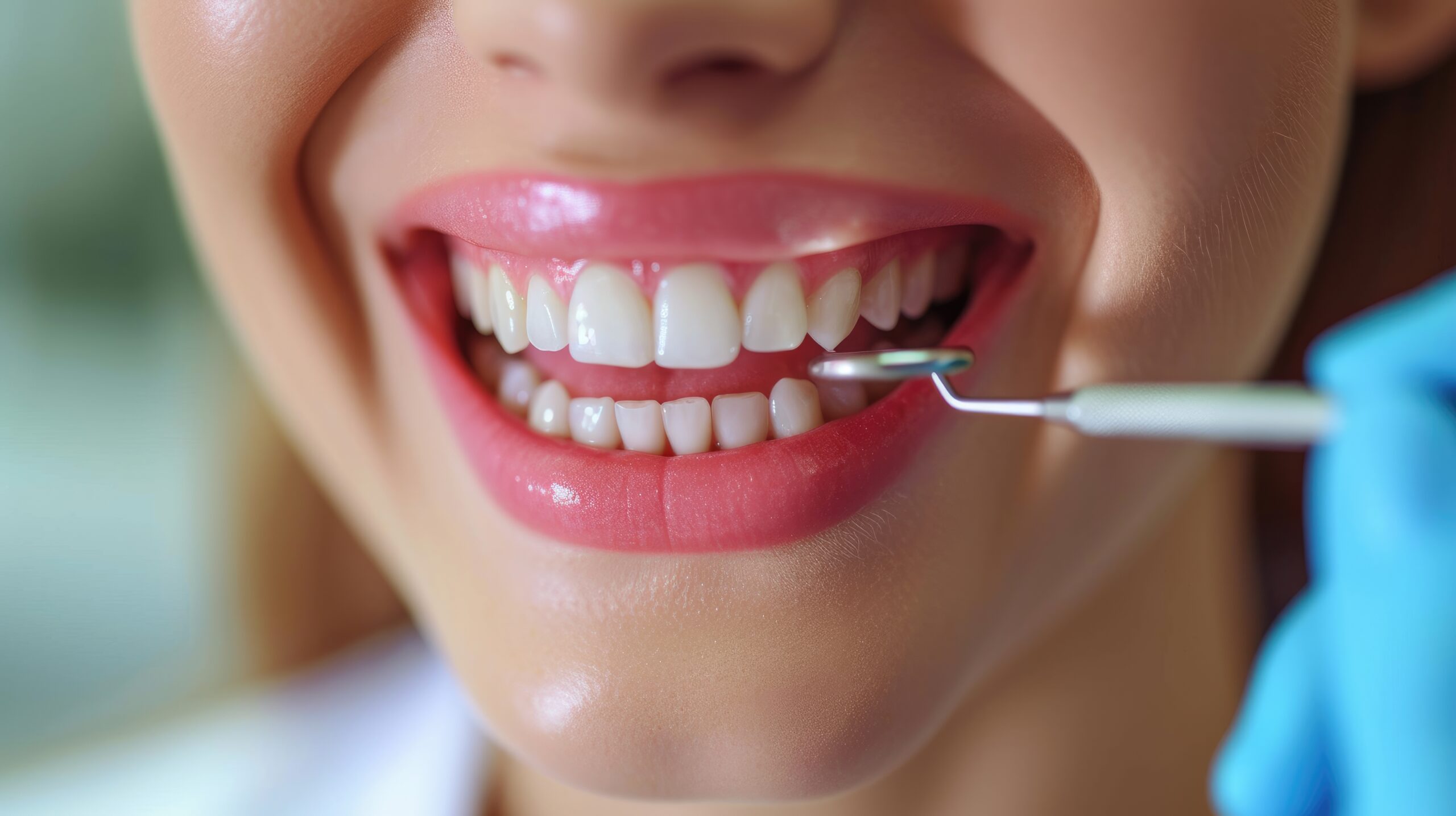











"Hollywood smile" is what people type into Google, but ask ten of them what it means and you'll get ten answers. For one it's a particular actor's teeth. For another it's simply straight, even teeth a few shades lighter than now. And quite a few are half-scared of it: they picture a row of identical, glaring teeth you can spot from across a car park.
The tagline up top says it in a sentence. Bright doesn't have to mean fake. Whether a Hollywood smile in Turkey, or anywhere, ends up looking like you comes down mostly to two things: the shade and the shape of each tooth. That's what this section is about, along with the small details that make new teeth look like they grew there.
How white is too white?
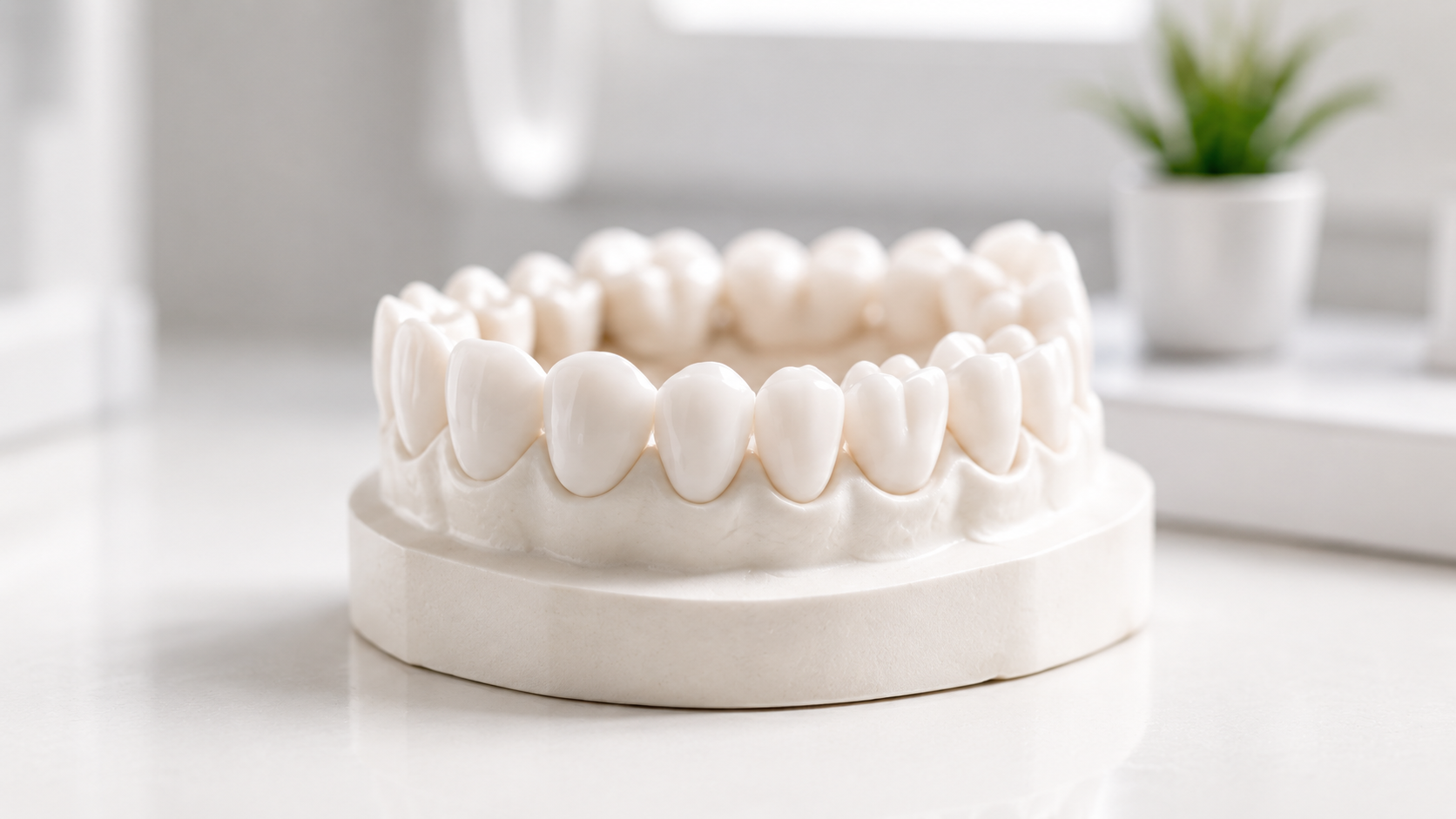
Real teeth are never pure white. Even very healthy young ones are a touch warmer near the gum and slightly clear at the edge. Ceramic can be made far whiter than any tooth ever was, and that's where a lot of fake-looking results start.
The right shade depends more on your face than on the shade guide. Your skin, the whites of your eyes, your age, even your hair colour all change how bright teeth look. One shade can look clean and fresh on one person and almost blue on the next. The pathway above makes the point: brightness should be talked through and previewed, not just set to maximum.
Two tips. Hold the shade samples up beside your face, in daylight, not just against your teeth. And if you're stuck between two, go with the slightly softer one. Your skin and hair will change over the years. The ceramic won't.
Shape says more than colour
Ask someone what makes a smile look fake and they'll usually say the colour. More often it's the shape. Teeth all the same size, perfectly rectangular, with ruler-straight edges, look factory-made even in a natural shade.
Real front teeth each have their own personality. The two in the middle are usually the widest and longest. The ones beside them are a bit smaller and rounder at the corners. The canines come to more of a point. Edges aren't perfectly level, corners aren't all the same, and where two teeth meet there's a tiny notch rather than one unbroken line. Keep some of that, tuned to your face, and the smile reads as yours. Copy one perfect tooth ten times and it reads as a product.
As for overall style, some faces suit softer, rounder teeth and others suit squarer, bolder ones. Neither is right for everyone. The design should come from your face, your lips and your personality, and you should see it before anything is touched.
The curve of the smile
Watch someone smile naturally. The bottom edges of their upper teeth usually follow a gentle curve, much like the curve of the lower lip, with the front teeth sitting a little lower than the ones behind.
Flatten that into a straight line and the smile looks artificial, and older too. It's one of the giveaways of templated cosmetic work. That's why, as the pathway above says, every piece is seated together on reveal day. You can only really judge the curve with the whole arch in place, against your own lips.
Width, and those dark corners
Smile wide and the back teeth often sit in a little shadow at the corners of your mouth. Dentists call these buccal corridors. A bit of shadow looks natural. Too much makes the smile look narrow. None at all can look like a wall of teeth.
How many teeth go into a Hollywood smile ties in closely with this. The FAQ above says it's usually the teeth that show in a broad smile, and our dental veneers page explains how that number is reached. The aim is a smile that fills your mouth naturally when you laugh, without the back teeth suddenly looking out of place.
Upper and lower together
Most people imagine a Hollywood smile as the top teeth. The bottom ones matter more than you'd guess, because they show every time you talk, and in some people when they smile too.
Brighten only the top and the bottom can suddenly look dull by comparison. Sometimes whitening the lower teeth is all it takes to bring them into line. If they're worn, chipped or crooked, they may go into the plan as well. That comes down to how much of them people actually see when you speak.
Hollywood smile vs veneers: what's the difference?
Is a Hollywood smile just veneers by another name? Not quite. It's a result, not a material. It's usually built mostly from veneers, with crowns on teeth that are badly damaged or weakened by big fillings or root canals. Where teeth are missing, implants go underneath, as the section above mentions.
Mixing is completely normal. The skill lies in making veneers and crowns look like one matching set rather than a patchwork of different jobs. Our dental crowns page explains when a tooth really needs a crown instead of a veneer, which matters because a crown takes off a lot more tooth.
The camera test
The pathway above suggests filming yourself talking and laughing with the preview in. Good advice. Here's one thing to add.
Phone cameras lie a little. The selfie lens is wide-angle, so whatever's closest looks bigger, and your front teeth can look larger and whiter than they really are. Ring lights and bathroom bulbs wash the colour out. So have someone else hold the phone, use the main camera from about a metre away, stand near a window, and just chat. Then watch it back the way a colleague across the table would see you, not the way you inspect yourself in the mirror.
If you still look like you, it's probably right. If the first thing you notice is your teeth rather than your face, ask for changes before anything is made.
When a Hollywood smile isn't the right route
Not everyone who asks us for a Hollywood smile in Turkey ends up having one, and that's usually good news. Often a smaller smile makeover in Istanbul, built around whitening and a few well-chosen veneers, does the job better.
Healthy, fairly straight teeth where it's mostly the colour that bothers you? Whitening alone may get you most of the way, for a fraction of the cost and with no drilling at all. Inflamed or bleeding gums get treated first, as the card above says, not covered over. And if your teeth are worn down all round from grinding or acid, the problem is in the bite, not the front surfaces, and full mouth restoration is usually the honest place to start.
Better to hear that while you're at home browsing flights than on day one in the chair.
Hollywood smile cost in Turkey, tooth by tooth
The page above prices a Hollywood smile per tooth, not as a package. Each ceramic unit is €200, so six come to €1,200, a top arch of ten to €2,000, and top and bottom together, twenty units, from €4,000. Whitening for teeth that aren't covered is €160, and a missing tooth replaced with an implant is listed from €380.
The number of units sets the price, and it's also the number most worth questioning. Cover the teeth that show, whiten the ones that don't, and you usually get a better-looking smile and a smaller bill. Be wary of any quote with a tidy round number of teeth and no reason given for any of them.
Hollywood smile before and after galleries, and reviews
Everyone scrolls the Hollywood smile before and after pictures, so take a careful look. Is the "after" shot in daylight or under studio lights? Do the teeth have any variation, or are they one white strip? Is there still a gentle curve to the edges? Reviews written a year or two later, by people who've been talking, eating and getting photographed with the result, tell you whether it still looks natural off camera.
How long does a Hollywood smile last?
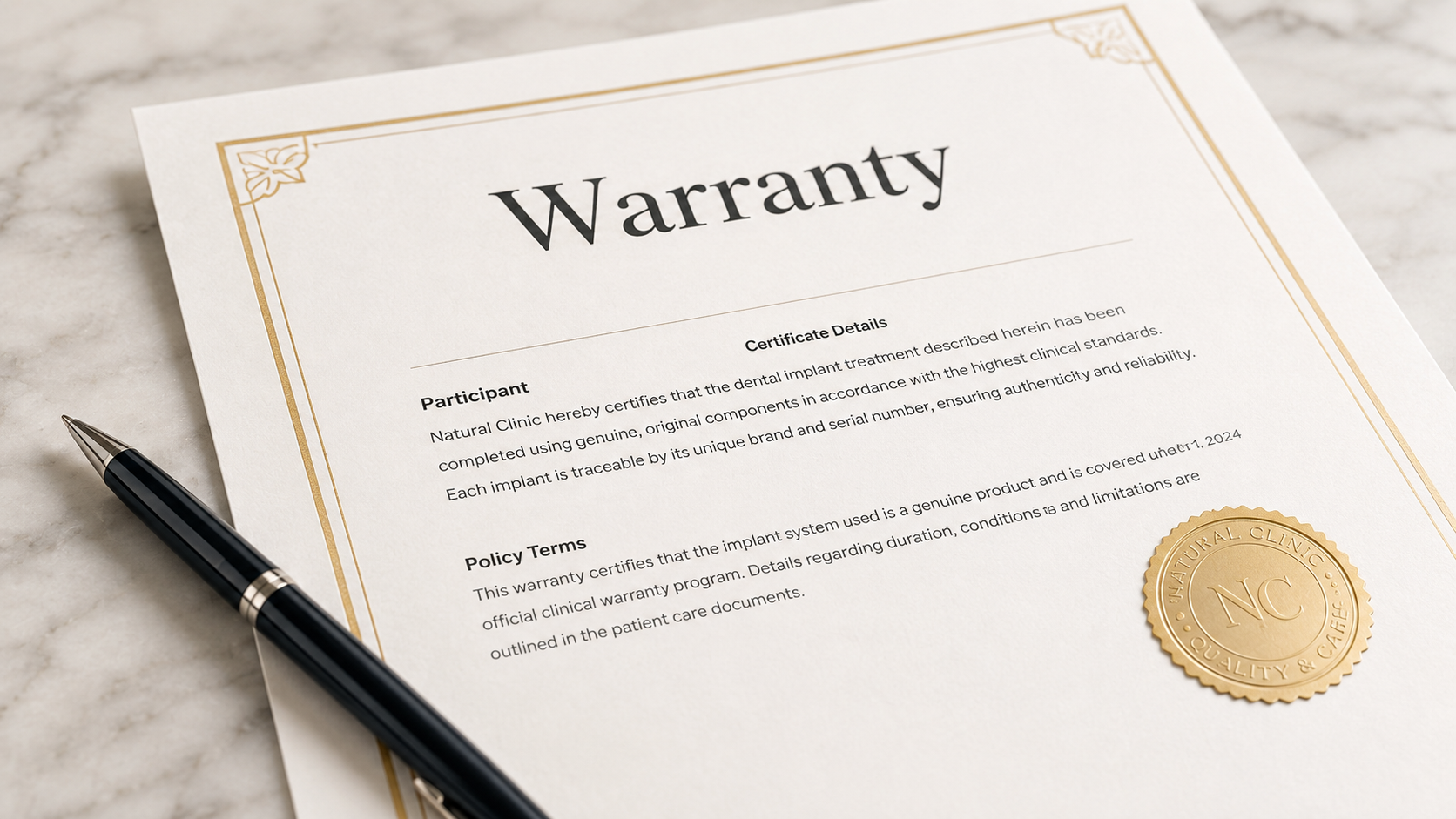
Well-made ceramic is a long-term thing, and the page above backs the work with a 15-year written guarantee. How long yours actually lasts comes down to dull details: how much enamel was kept, how carefully each piece was bonded, how well you brush and floss, and whether you grind.
Grinding deserves a special mention. Clench at night and a full set of ceramic teeth feels every bit of it. The answer is cheap and boring: a night guard. So are regular check-ups and cleans, which keep the gum healthy right at the edge of the ceramic, where problems usually start.
Five to seven days in Istanbul
The card above gives five to seven days in Istanbul, depending on how many teeth are involved, and most people are back to normal within a couple of days of fitting. That covers the design and preview, preparing the teeth, the lab making each piece, the try-in and the final fit.
Keep the last day or two free if you can. If something small needs tweaking after fitting, like a bite that's a touch high or an edge catching your lip, it's far easier to sort in Istanbul than to hunt for a dentist back home.
Bring pictures, including the ones you don't like
Before the design session, start a folder on your phone. Screenshot any smile that makes you think "that one". A friend's wedding photo often works better than a film star, because real people aren't lit by professionals. Then do what most people skip: find a couple of smiles you don't like, and jot down why. Too white? Too big? Too perfect?
Those "no" pictures are often more useful to the design team than the "yes" ones. They show exactly where your line between bright and fake sits, which is what a good Hollywood smile is all about. If you'd like to see and adjust the design before committing to anything, our digital smile design page explains how that step works on its own.