 English
 Italiano
 Español
 Français
Smas Facelift
SMAS Facelift in Istanbul · €5,000
Cheeks sliding down and jowls forming at the same time?
A SMAS facelift tightens the supportive layer beneath the skin, correcting moderate sagging in the cheeks, jaw and neck for eight to ten years on average. Its price is €5,000.
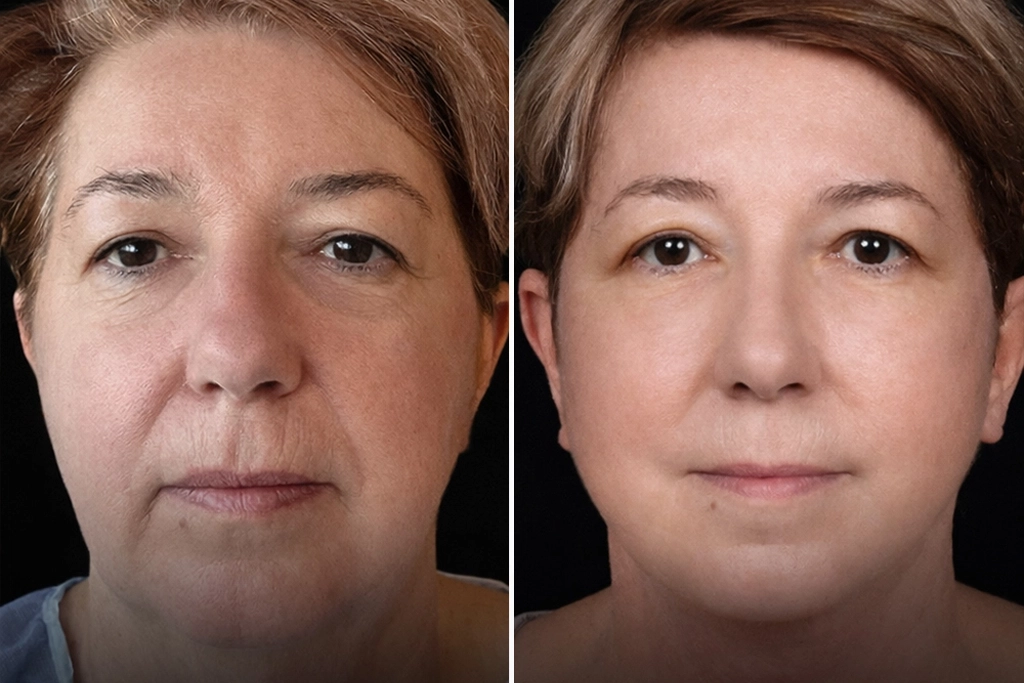
Cheeks, jaw and neck lifted together define our SMAS facelift before and after examples. Wait until the six-to-eight-week recovery is complete to see the settled neck angle.
Smas Facelift
Natural Clinic brings multiple fields of specialised healthcare together under one roof, combining medical expertise, advanced technology and patient-focused care. From hair transplantation and dentistry to facial, body and breast aesthetics, bariatric surgery and reconstructive treatments, every patient journey is managed by experienced medical teams working across disciplines.
1200+ — Advanced treatments across multiple medical specialties
50+ — Experienced specialists working across disciplines
360° — Consultation, treatment, recovery and aftercare coordinated under one roof
150+ — Large-scale medical infrastructure in Istanbul
Search for facelift techniques and you will read that deep plane is the advanced one and SMAS is what came before it. That framing is chronology pretending to be a recommendation. They are different scopes for different concerns, and for a great many faces the established technique is not the compromise — it is the correct answer.
Decades of refinement, and the best-documented outcome profile
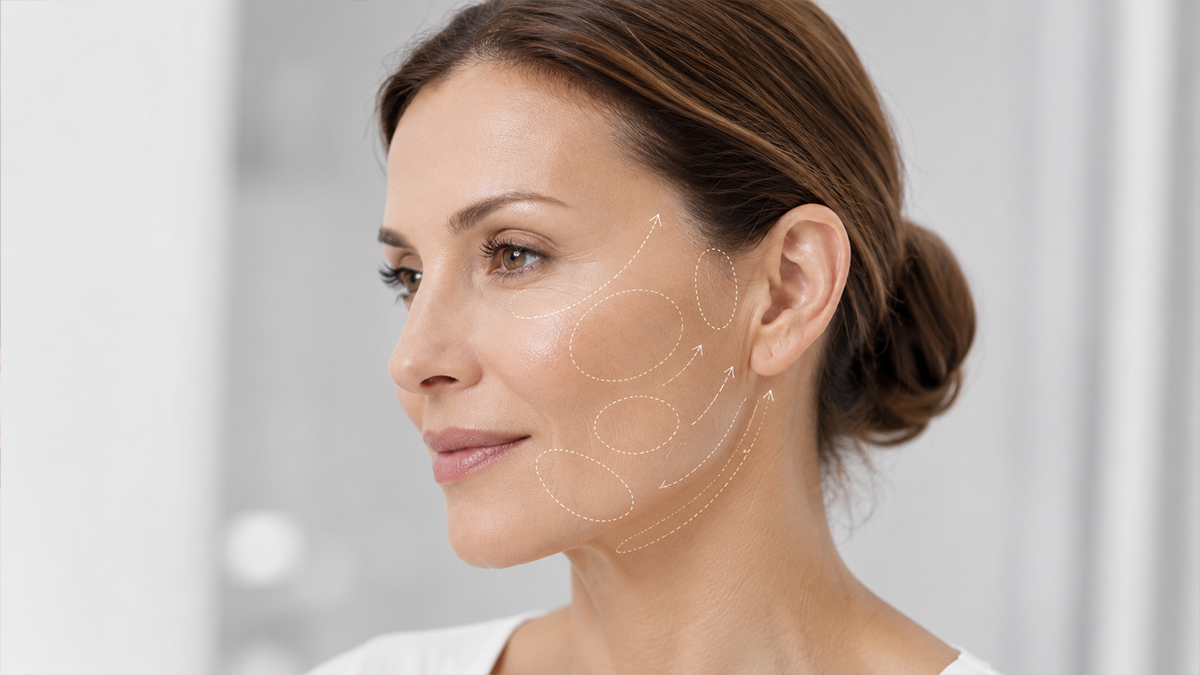
Moderate to significant jowl and neck sagging, without specific midface or malar volume loss. Here, repositioning skin and the SMAS layer independently produces an excellent, well-documented result — and it is not a choice made because deep plane was unavailable or unaffordable. It is the technique with the longest track record, which is precisely why its outcomes are the most predictable of the three.
Jowl and lower-face sagging, including the nasolabial folds, without significant midface descent.
From €5,000 — the same figure as deep plane or mini. One night in hospital.
Short answer: yes — and this is the technique where Istanbul's volume tells most, because SMAS is what the volume is made of. Decades of cases, an eight-to-ten-day trip, and the same price as the technique everyone calls more advanced.
.png?v=mttw3gcd)
1,900+ facelifts here, the majority of them SMAS, which is what an established technique's track record looks like at close range.
.png?v=mttw3ztq)
Direct examination of your SMAS thickness and laxity settles whether plication or excision applies, and the answer goes in your written plan before you travel.
.png?v=mttw4ecu)
Lower operating, staffing and facility costs plus the exchange rate produce a real difference against the €10,000–€18,000 this technique commands elsewhere.
.png?v=mttw4t31)
SMAS needs one trip of eight to ten days: surgery, drains out at a day or two where used, supervised recovery and a pre-flight check.
.png?v=mttw54v6)
Every appointment coordinated in English, with Dutch on request, and your interpreter free from consultation to discharge.
.png?v=mttw5ilm)
Ministry of Health licence, board registration, logged sterilisation cycles and an independent anaesthesia review.
SMAS is the long-established middle of the spectrum — deeper than a mini, without releasing the retaining ligaments.
SMAS is chosen when both the lower face and the neck have loosened but the midface isn't the main problem.
The layer beneath your skin is plicated — folded on itself and stitched — rather than released. Your plan explains why that depth fits your degree of sagging.
General anaesthesia, the temporal lift in the same sitting, and an overnight stay on the ward.
Plan for a fortnight in the city; bruising along the jaw and neck fades through the second week, which is when SMAS patients are normally signed off to travel.
Full recovery runs six to eight weeks, and a SMAS result typically lasts eight to ten years.
How a SMAS facelift lifts the deeper layer for moderate sagging.
A SMAS facelift is a facelift technique that tightens the SMAS, the layer of tissue beneath the skin that descends with age, by folding it and stitching it into a higher position. The skin is then redraped and excess is removed, improving jowls and the lower face and neck.
SMAS stands for superficial musculoaponeurotic system, a sheet of connective tissue and muscle that supports the skin of the face. Because this layer, rather than the skin alone, is lifted, a SMAS facelift produces a more durable result than simply pulling the skin tighter.
A SMAS facelift is usually recommended for people with moderate to significant sagging of the lower face and neck, such as pronounced jowls, where the midface is not the main concern. It is a well-established technique that suits a wide range of patients.
Choosing SMAS at Natural Clinic costs €5,000, with the temporal lift built in. British clinics typically ask between €9,918 and €15,755 for this technique, often before hospital fees are added, so for many patients the Istanbul price is less than half the UK figure even after travel costs.
No. Natural Clinic prices the mini, SMAS and deep plane facelift at the same €5,000. The SMAS technique is chosen when your degree of sagging requires it, not because it carries a higher fee than the lighter option. The recommendation depends on how far your lower face and neck have descended.
Frequently, because the SMAS layer continues into the neck as the platysma muscle, so loose neck skin and muscle bands are often treated in the same session. When the eyelids are also heavy, they can be added so everything heals within one recovery period, and your plan prices the combination rather than each operation separately.
The SMAS facelift is one of the most established facelift techniques and is performed in accredited theatres under general anaesthesia, followed by overnight monitoring. As with any facelift, not smoking and following aftercare instructions help reduce the risk of complications.
Because the SMAS layer is folded and stitched rather than released, dissection stays above the deepest nerve branches, which keeps the risk of nerve injury lower than in deep plane surgery. Hematoma in the first 48 hours, temporary numbness around the ears and visible scarring remain the main concerns to monitor.
No. Although deep plane facelifts receive a lot of attention, the SMAS facelift remains an effective and widely used technique. For many faces, particularly those with sagging mainly in the lower face and neck, it is still the most appropriate option.
Allow three to four hours in theatre, which includes folding and suturing the SMAS on both sides and performing the temporal lift. The extra time compared with a mini lift reflects the wider area treated, extending down towards the neck, and it is followed by an overnight hospital stay.
Swelling and bruising extend further along the jaw and neck than after a mini lift, and stitches around the ears are removed in stages. A fortnight in Istanbul allows these checks and the pre-flight review, usually around day fourteen, to take place before you travel home.
Light activities can usually resume around ten to fourteen days after a SMAS facelift. More strenuous exercise, bending and heavy lifting should be avoided for longer, as advised by your surgeon, to protect healing tissues. Sleeping with your head raised during this period also helps reduce swelling.
In week one, swelling and tightness peak and you rest with your head elevated. By week two, bruising fades and light activities resume. Weeks three to six bring a gradual return to normal routines, and most patients feel fully recovered after six to eight weeks.
Lifting the supporting layer rather than just the skin gives a SMAS facelift a durability of around eight to ten years for most patients. The jawline and neck gradually soften again with age, but they generally remain better defined than they would have been without surgery.
SMAS facelift scars, placed around the ears and within the hairline, are usually pink at first and fade gradually over several months. Follow-up during the first year allows your surgeon to monitor how the scars are maturing. Sun protection helps prevent the scars from darkening while they mature.
If the cheek has descended you want deep plane; if the sagging is still early, a mini facelift. Same price either way. The neck, brow and eyelids are separate decisions that often belong in the same session.
Personalised Care, Just for You
Send front, side and three-quarter photographs in even light. A facelift surgeon reviews your case and replies with a realistic, itemised plan — whether SMAS covers your sagging or the midface needs deep plane, which of plication or excision your tissue calls for, whether a neck lift belongs in the same session, what it costs with free transfers and the hotel arranged, and how many nights you'll be in Istanbul. No obligation, no pressure, no cost.
Get My Free Surgical Plan100% Confidential & Secure
Reply Within 24 Hours
Reviewed by Board-Certified Surgeons
Online, SMAS facelift is usually framed as the older option next to deep plane — a framing that undersells how well suited it is to most patients. This section explains how the technique works, the plication-versus-excision decision worth asking about, and how to tell whether SMAS covers your case or deep plane's added scope is genuinely required.
Read enough facelift forums and you'll come away thinking SMAS is yesterday's technique and deep plane is the upgrade. It's a tidy story. It's also mostly wrong. For a large share of faces, a SMAS facelift in Turkey isn't the compromise option at all. It's simply the right operation.
The question under our heading points at who it suits best: jowls forming, the lower face starting to droop, often the neck going with it. So let's look at what it actually does to a face, and whether yours is the sort it suits.
The letters stand for superficial musculoaponeurotic system. Hardly anyone says it out loud, surgeons included. Here's the version we use in clinic. Your face is a bit like a lined jacket. Skin's the outer fabric. Tucked beneath sits the lining, a thin, tough mix of fibre and muscle, and that's what actually gives your face its shape. Years go by, the lining sags, and it takes the skin down with it.
Pull only on the outer fabric and it puckers; that's the windswept look everybody's seen on someone. Take in the lining instead, and the jacket hangs right again. SMAS lift, in a nutshell.
Step one is easing the skin off the SMAS, so each layer can be dealt with on its own. Then the SMAS itself is tightened and moved up and back, before the skin is laid back over it and the extra trimmed.
There are two main ways to tighten that layer. In plication, the surgeon folds the SMAS over on itself, like taking in a seam, and stitches the fold. Nothing is removed. In excision, a strip of SMAS is cut away and the edges sewn together, a bit like shortening a belt. Both have long, solid track records. Whether you get the seam or the belt comes down to your own SMAS: how thick it is, how much give it has. We decide that at examination and write it into your plan before you fly.
You'll be under a general anaesthetic for something like three to four hours, temple lift included.
The classic SMAS face has proper jowls, not just a hint of one. The jawline has lost its edge. The lines from nose to mouth have deepened. Quite often there's some looseness under the chin as well. What it usually doesn't have is a cheek that has collapsed downwards; the cheekbones still look reasonably full from the front.
If that sounds like you, a SMAS facelift in Turkey is likely in the frame. If your cheeks have flattened and slid towards your mouth, a deep plane facelift reaches further. And if all you've got is a softening jaw with the neck still neat, a mini facelift may do the job with less surgery. The facelift overview lays the three side by side.
Here's where the "old versus new" story trips people up. The real difference is a ligament or two.
Deep within the face, small ligaments anchor the soft tissue to the bone. A deep plane lift cuts some of them, so the cheek can be moved as one block. A SMAS lift leaves them where they are and tightens the layer around them instead. For jowls and the lower face that's usually plenty. For a midface that has properly fallen, it isn't, because a layer that's still tethered can only travel so far.
So the useful question isn't "which is more advanced?" It's "where has my face dropped?" If it's the jaw and neck, deep plane's extra reach mostly buys you a longer recovery. If it's the cheek, SMAS will leave something behind.
Not when it's done well. The pulled look people fear comes from stretching skin hard to do a job the deeper layer should have done. Because the SMAS takes the strain here, the skin can be laid back with very little tension.
What does sometimes happen in the first weeks is a feeling of tightness, and some faces look slightly "set" while the swelling goes down. That's temporary. By two or three months, expressions move naturally again.
Surgeons have been doing and tweaking SMAS lifts for decades, and somehow that's become a mark against it. We'd argue the opposite. When a technique has that many years of patients behind it, nobody's guessing about how it heals, what can go wrong or how faces look ten years on. Most of the facelifts we do are SMAS, as the page above mentions, so it's also the one our team has had the most practice at.
Sore, yes. Agonising, rarely. Ask people a week later and the words they reach for are tight, puffy, achy, mostly round the jaw and behind the ears. Sharp pain doesn't usually come into it. Prescribed painkillers handle it for most. The odd part is the numbness: patches of the cheeks and ears can feel woolly for weeks while the small sensory nerves recover.
Some people come to us for a SMAS lift having had a mini lift six or seven years earlier that's now wearing off, jowls and all. SMAS is often the natural next step. The surgeon can usually work through the old incision lines, lengthening them where needed, so you don't collect a second set of scars. Scar tissue left under the skin from the first operation makes the dissection slower and a little more delicate, so we'll want to know exactly what was done before, ideally with the original surgical notes.
A few situations make us pause before booking a SMAS facelift in Turkey. If you smoke and can't stop for the weeks around surgery, the skin lifted during a SMAS lift may not heal well. Uncontrolled diabetes or blood pressure need sorting first. And if your sagging is still at the very early stage, SMAS is more surgery than you need. We'd say so, and the price wouldn't change our advice.
The incision is longer than a mini's. Usually it begins up in the hair at the temple, follows the crease in front of the ear, goes round under the lobe and carries on behind the ear, occasionally creeping a short way into the hair behind. Length-wise, it's much the same as a deep plane scar.
Fair hair hides a line differently from dark hair, thin hair differently from thick, and someone who lives in a high ponytail has different needs from someone with a bob. Tell us early. By the end of the first year, plenty of patients struggle to find their own scar in the mirror.
You'll spend the first night on the ward, with nurses checking your blood pressure and dressing. If small drains were used to stop fluid collecting under the skin, they usually come out after a day or two.
Then come the puffy days. The bruises have a habit of pooling along the jaw before sliding down the neck. Week one they're dark; week two they yellow and fade. Somewhere around day fourteen most people feel up to light activity. By six to eight weeks, people tell us they've stopped thinking about it. A little puffiness can linger under the jaw beyond that, mostly noticeable to you.
A SMAS facelift in Istanbul usually means eight to ten days here. The exact number sits in your written plan, because it partly depends on how your first few days go. You'll meet the surgeon and the anaesthetist, have the operation, sleep one night on the ward, and then spend most of a week being checked on before we sign you off to fly. One tip from patients who've done it: the bruising tends to travel down onto the neck, so a high collar or a button-front shirt saves a lot of explaining at the airport.
The neck is SMAS's most common companion. If loose skin or bands below the jaw are a big part of what bothers you, a neck lift is usually done in the same operation, through the same incisions extended slightly behind the ears. On its own, a neck lift is listed at €4,000. Before anything gets added, our anaesthetist looks at how long you'd be asleep in total, and has the last word.
Most SMAS results hold for eight to ten years before the jowls are obviously back. Where you land in that range depends largely on family genes. Sun damage shortens it. So do big swings in weight. It outlasts a mini because the deeper layer itself was moved, not just the skin. Ageing carries on, of course, just from a better starting line, and some people come back years later for a smaller top-up.
Look at the gallery above. Cheeks, jaw and neck all rise together there, which is exactly what you'd hope to see from a SMAS facelift before and after. Then go to a profile view. Below the jaw there should be a clear, sharp turn into the neck, not a soft slope. Folds from nose to mouth? Softer, yes. Gone completely, no. A face without them looks strangely blank. And look at the ear lobe and sideburn, which should sit where they always did.
As the page notes, wait until the six-to-eight-week recovery has run its course before judging the neck angle; before and after photos taken sooner flatter nothing but the swelling. Reviews from SMAS patients, read alongside their before and after photos, are useful for the practical side, such as how long the bruising on the neck actually lasted.
€5,000 is our SMAS facelift price, the very same figure you'd pay for a mini or a deep plane, and the temple lift, the anaesthetic and your night on the ward are all inside it. The comparison table above shows what the same operation runs to abroad: €9,350 to €11,700 in Britain, €8,500 to €12,500 in Germany, and in the US somewhere between €9,500 and a startling €27,600.
In most countries SMAS is priced below deep plane, which is how it picked up its reputation as the budget choice. With one price line, that reasoning disappears, and what's left is the only question that matters: which depth does your face need? That's also the honest way to compare any SMAS facelift cost quoted elsewhere.
Daylight, hair back, no make-up. Take a straight-on photo, both profiles and both three-quarter views, then one in profile with your chin slightly raised so we can see the neck. Let us know how old you are, anything previously done to your face, which medicines you're on and whether you're a smoker. Our Istanbul team will tell you whether a SMAS facelift in Turkey suits you, whether plication or excision is likely, whether a neck lift belongs in the plan, and what it would cost.
© 2026 Natural Clinic. All rights reserved.