
 English
 Italiano
 Español
 Français


.jpg?v=mu3qd523)
.webp?v=mtmvgmzu)
.webp?v=mtmvgz2q)
.webp?v=mtmvh8v4)
.webp?v=mtmvlhny)
.webp?v=mtmvlray)
.webp?v=mtmvm5fp)
A lot of the messages we get start the same way. Someone has lost three stone on a diet, put four back on, tried again, and got the same result. They've joined slimming groups, counted points, cut carbs, paid for a personal trainer. Now they're wondering whether surgery is the answer, and usually they've already picked one, often whatever a cousin or a colleague had done.
Sometimes that choice is right. Often it isn't. Weight loss surgery in Turkey means four different things on our list, ranging from a quick procedure through the mouth to an operation that changes your digestion for good. The right one comes down to a few facts about you, and most of them you can check at home. So that's where we'll start, before moving on to costs, the stay in Istanbul and life afterwards.
Your BMI
Type your height and weight into any BMI calculator. The number it gives you is crude. It can't tell muscle from fat, for one thing. Still, it's what every bariatric surgeon works from, so expect it to be our opening question.
Our surgeons generally look at a sleeve or bypass from 35 upwards, or from 30 when weight has already brought on type 2 diabetes, raised blood pressure or sleep apnoea. The balloon and botox are meant for people below the surgical range, or for those who want to avoid an operation.
A BMI over the line doesn't mean you need surgery, and one slightly under it doesn't necessarily shut the door. The point of the number is to weigh risk against benefit. For someone with a lot to lose, the benefit of surgery is large. For someone with less, the balance tips the other way.
Something you keep, or something you borrow
Settle this before you look at prices.
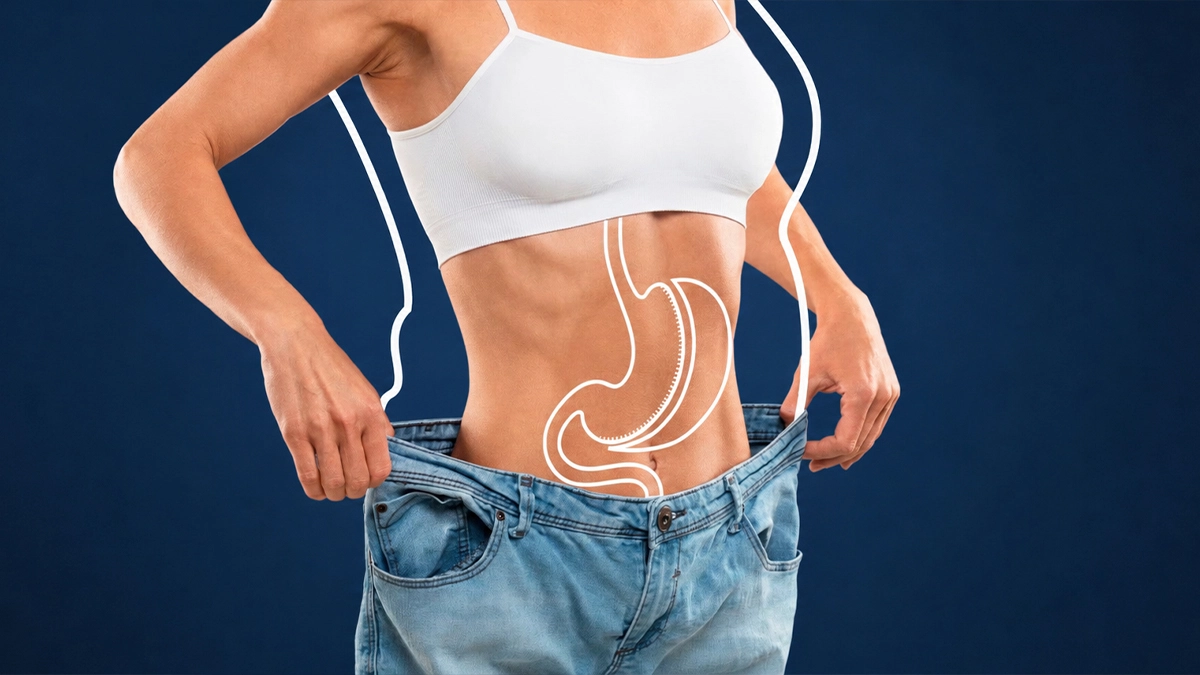
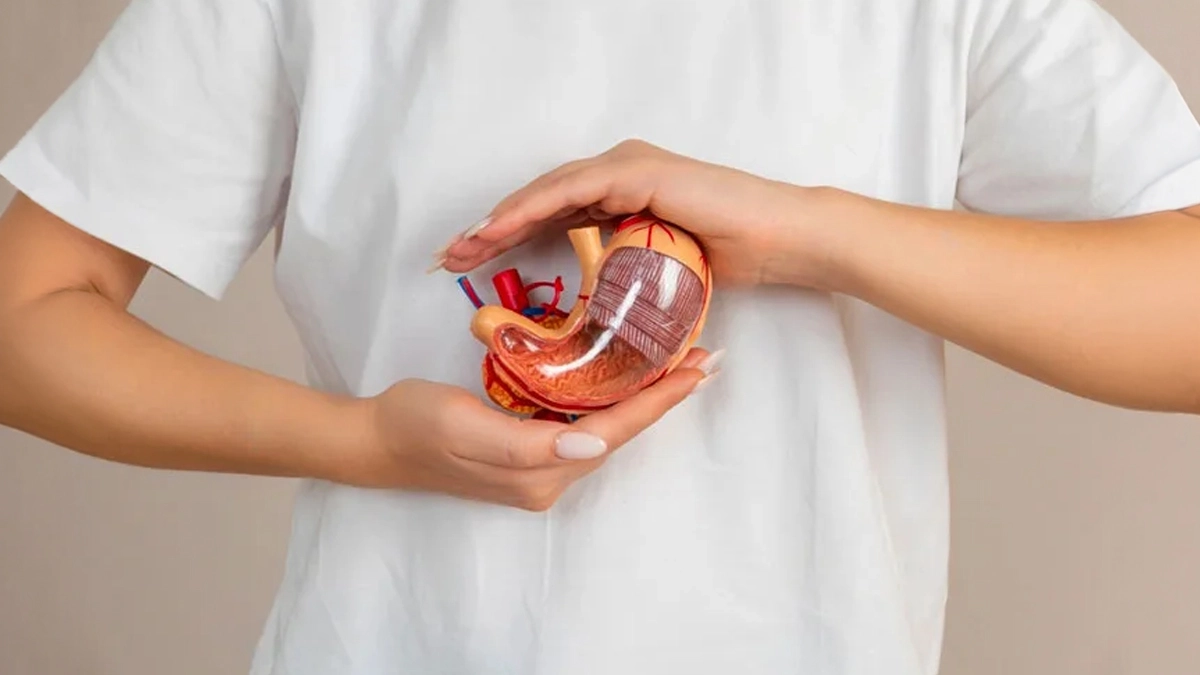
A gastric sleeve takes away about eighty per cent of your stomach; the part left behind is a slim tube, not much wider than a banana. A gastric bypass makes a small pouch at the top of the stomach and joins it to a loop of bowel lower down, so food never passes through most of the stomach at all. You can't go back on either. Daily vitamin and mineral tablets become part of life from then on.
The gastric balloon and gastric botox work differently. The balloon takes up space in your stomach for half a year or a full year, or less if you choose the swallowable kind, and then it's gone. Botox slows the stomach down and blunts hunger for a few months. Your body is the same afterwards. What you've hopefully gained is a few months of eating less without a fight, and some new habits to go with it.
People who've already used a balloon and watched the weight come back, or whose BMI is in the forties or above, tend to get more from surgery. People who want to try something reversible first, or who don't qualify for an operation, tend to start with the temporary options.
Reflux, diabetes and operations you've had before
A few health issues push the choice one way or the other.
Heartburn is the big one. Got bad reflux already? A sleeve tends to aggravate it, so a bypass is often the safer bet. Type 2 diabetes is a reason to look closely at the bypass too. Both operations help, but sugar levels generally come down further after a bypass. At very high BMIs, a stronger operation called SADI-S may come into the discussion.
If you've had weight loss surgery already, perhaps a band, or a sleeve or bypass that didn't work out, we look at your case on its own terms. Second operations are harder than first ones. We'll want your old operation notes if you have them.
What hasn't worked so far
We'll also ask about your eating, and about the diets you've tried. Nobody's keeping score. It's simply useful. Some people lose weight fast and gain it back. Others can barely lose at all. Those two need different plans. Comfort eating and bingeing are common too. Tell us if that's you. It changes which procedure fits and how much support you'll want afterwards.
Injections first?
These days, plenty of people ask about the weekly jabs, semaglutide or tirzepatide, before thinking about surgery. They can work, and your GP is the right person to talk them through with. The usual snag is that the weight tends to creep back once you stop, and staying on them for years costs a lot. Some patients try injections first and come to surgery later. A few use them after surgery, when the scales start edging up again. Taking one right now? Let us know, because it can affect when we operate.
Your first message
Start with your height and weight. List any illnesses, your medicines and past operations. Blood results help if you have recent ones. A surgeon reads it and comes back with the procedures you qualify for, with the reasons.
In Istanbul there are two appointments before any date is fixed, one with the surgeon and one with the dietitian. That's where risks, alternatives and likely results get talked through properly. Every so often the answer is "not yet", and we'll say so.
Weight loss surgery cost in Turkey
Our prices are simple. Gastric botox costs €1,100. A six-month balloon is from €1,400. The sleeve and the mini bypass are €2,600 each. A standard bypass costs €2,700, and SADI-S €3,000.
For the operations, that includes the anaesthetic and two days on the ward. Whichever you choose, you also get airport transfers, someone to translate, and a dietitian on hand for twelve months. Hotels start at €75 a night, booked by us and listed on their own.
To put that in context, a sleeve in a private UK hospital typically costs €11,600 to €13,300, according to the table on our page, and a bypass €12,670 to €15,290. A balloon there is around €4,660 to €5,670. We're cheaper because surgery costs less to run in Istanbul. Our standards are no lower for it.
Recovery and your stay
After a sleeve or bypass, expect around five nights in Istanbul, the first two in hospital. Both are keyhole operations, done through a handful of small cuts. Nurses will have you on your feet within hours, partly to keep clots away. You'll fly home once you're drinking comfortably and the team is happy with the wounds.
Botox and most balloons go in through the mouth with a camera, usually with sedation. The swallowable balloon needs no camera at all. With no wounds to heal, these trips are short.
The year that follows
Most of the effort comes after the flight home.
After a sleeve or bypass you can't go straight back to normal food. For several weeks it's drinks only, then purées, then soft things like eggs and fish, and only after that ordinary meals, in far smaller amounts. Your dietitian moves you on when you're ready. Your tablets become as routine as brushing your teeth, and every few months a blood test makes sure your iron, B12 and vitamin D are where they should be.
It's in the first half-year that the scales move fastest. Then, at around nine months, hunger usually begins to creep back. It's expected, and it's the point where having someone to call makes the biggest difference. Surgery gives you a smaller appetite. What goes on your plate is still your call.
Planning a family afterwards
Losing weight can make it easier to get pregnant. That can happen quickly. Our advice, in line with most guidelines, is to give it at least a year after a sleeve or bypass, and eighteen months if you can manage it, so that your weight has stabilised and your vitamin levels have caught up. In the meantime, use contraception you trust. Pregnancies do sometimes happen sooner than planned, and if that's you, let your midwife or GP know about your surgery at the first visit so they can keep an eye on your supplements and bloods.
Risks
Every operation has risks. The serious ones after a sleeve or bypass, which our team watches for in those first hospital days, are a leak along the staple line, bleeding, and blood clots. They don't happen often. Further down the line, problems are more everyday: vitamin levels dropping when people stop their tablets, heartburn after a sleeve, and dumping after a bypass, where something sugary goes through too quickly and you end up sweaty and faint. Newly placed balloons can make people queasy and crampy for a few days. Botox is the gentlest of the four.
What results look like
The sleeve and bypass usually lead to bigger losses than the balloon or botox. Individual results vary a great deal, though. Those who do best long term are the ones who change their eating and get moving.
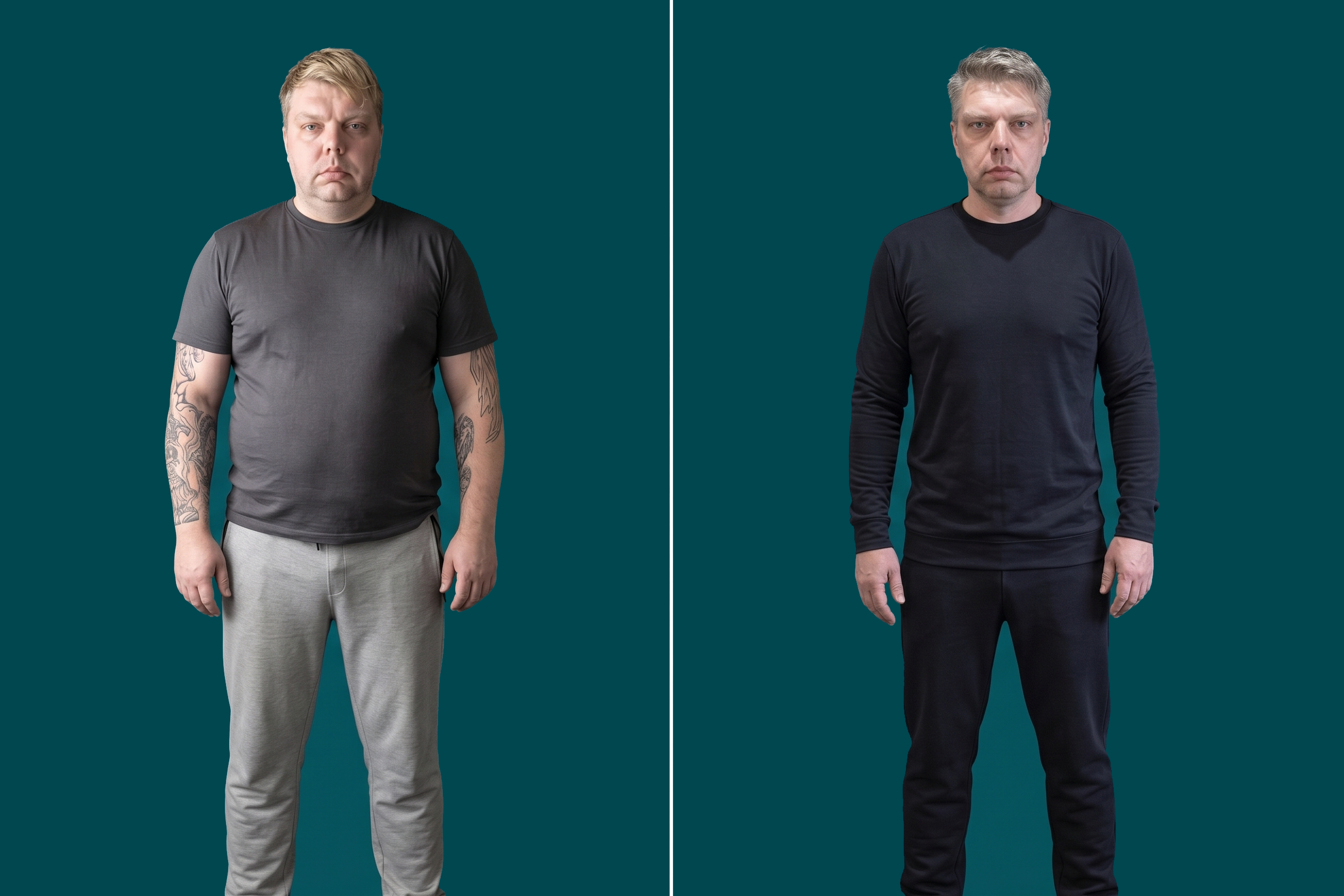
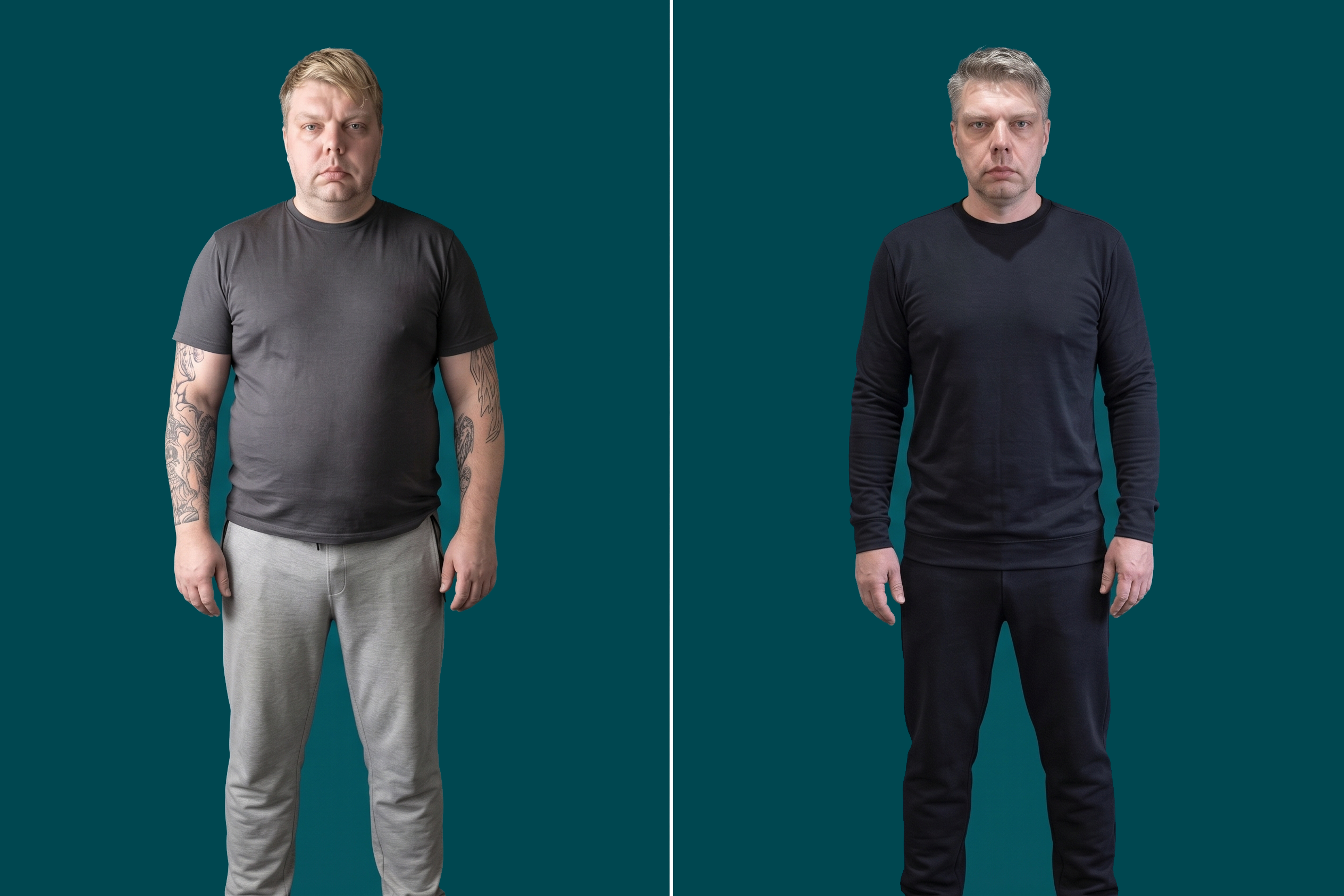
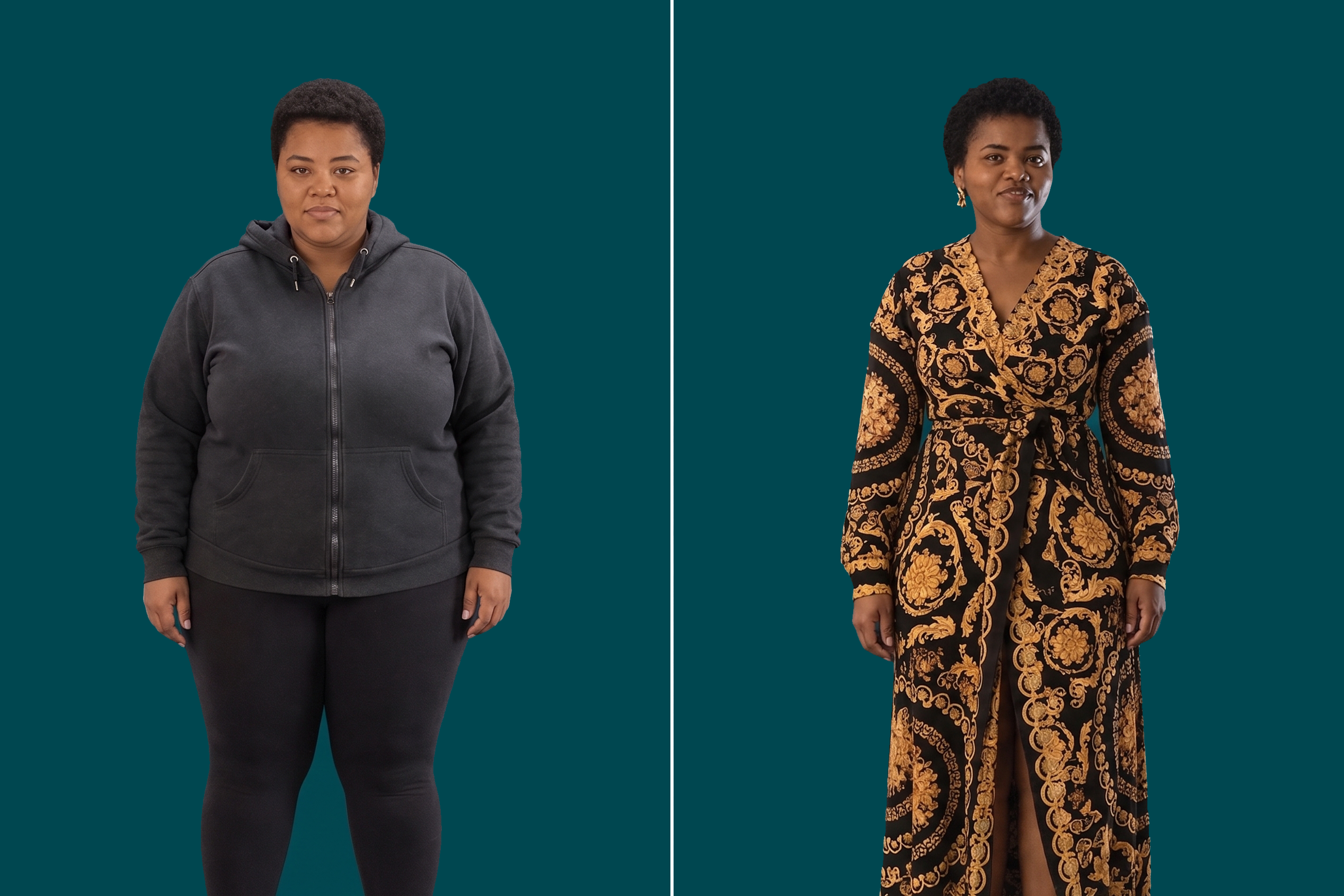
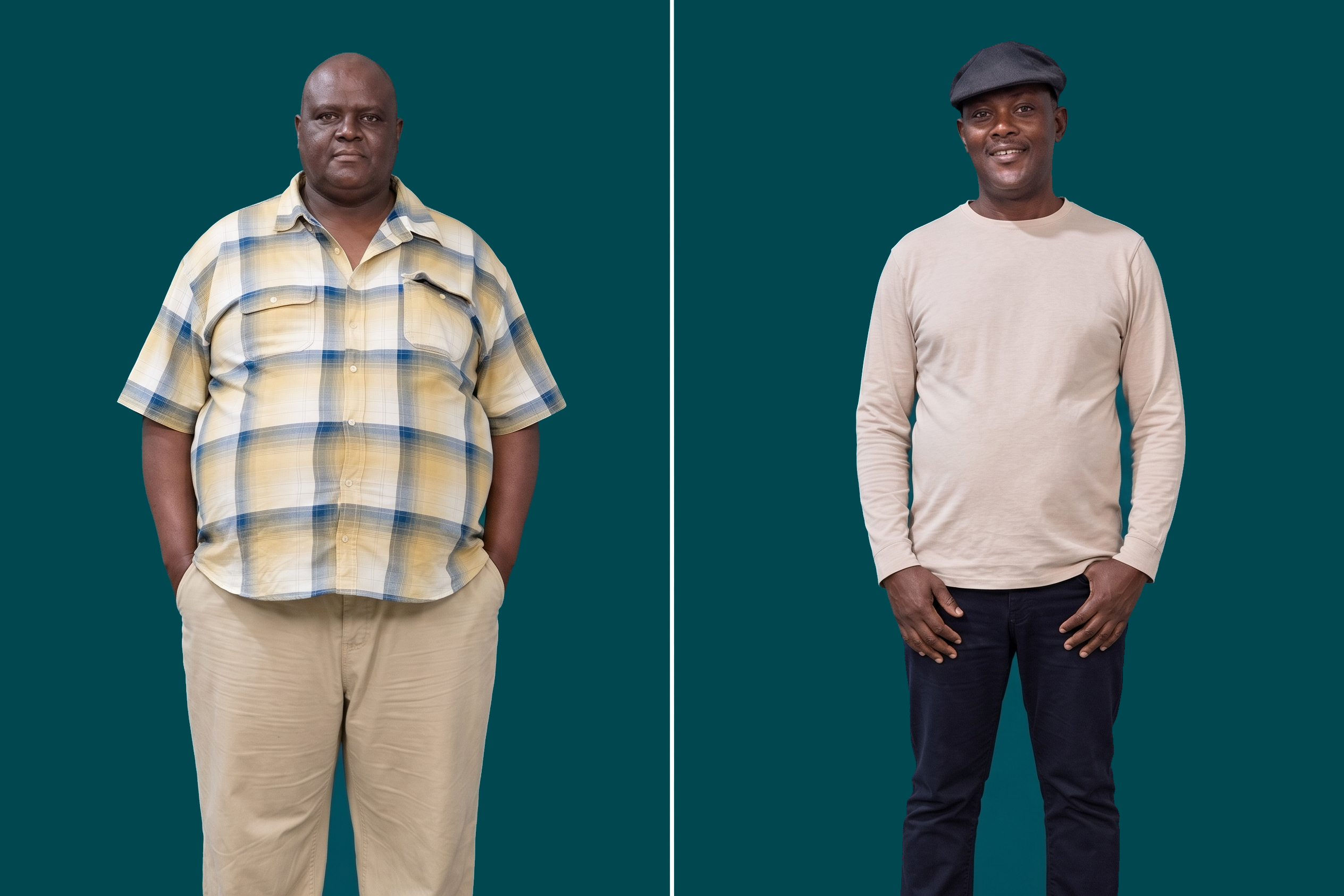
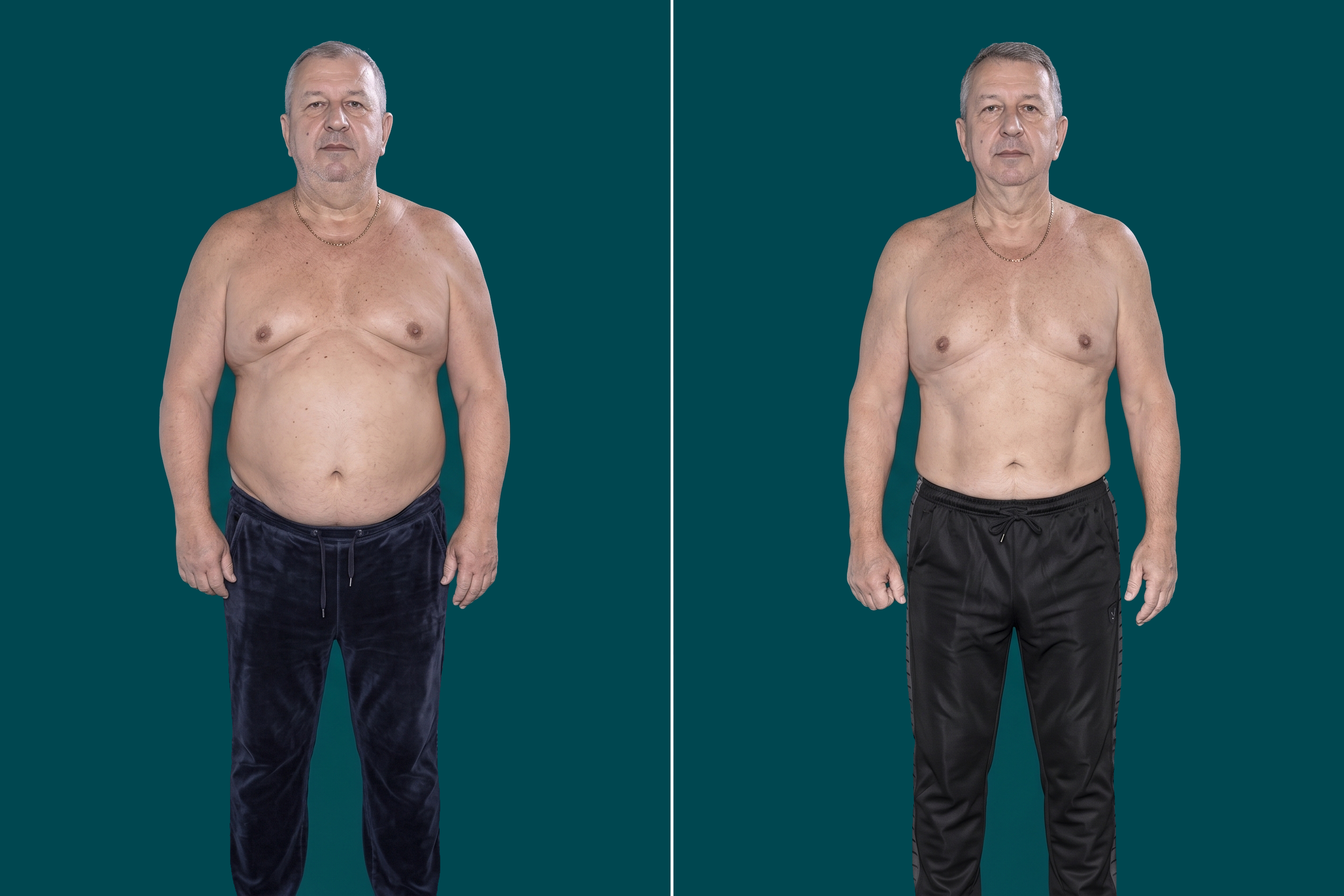
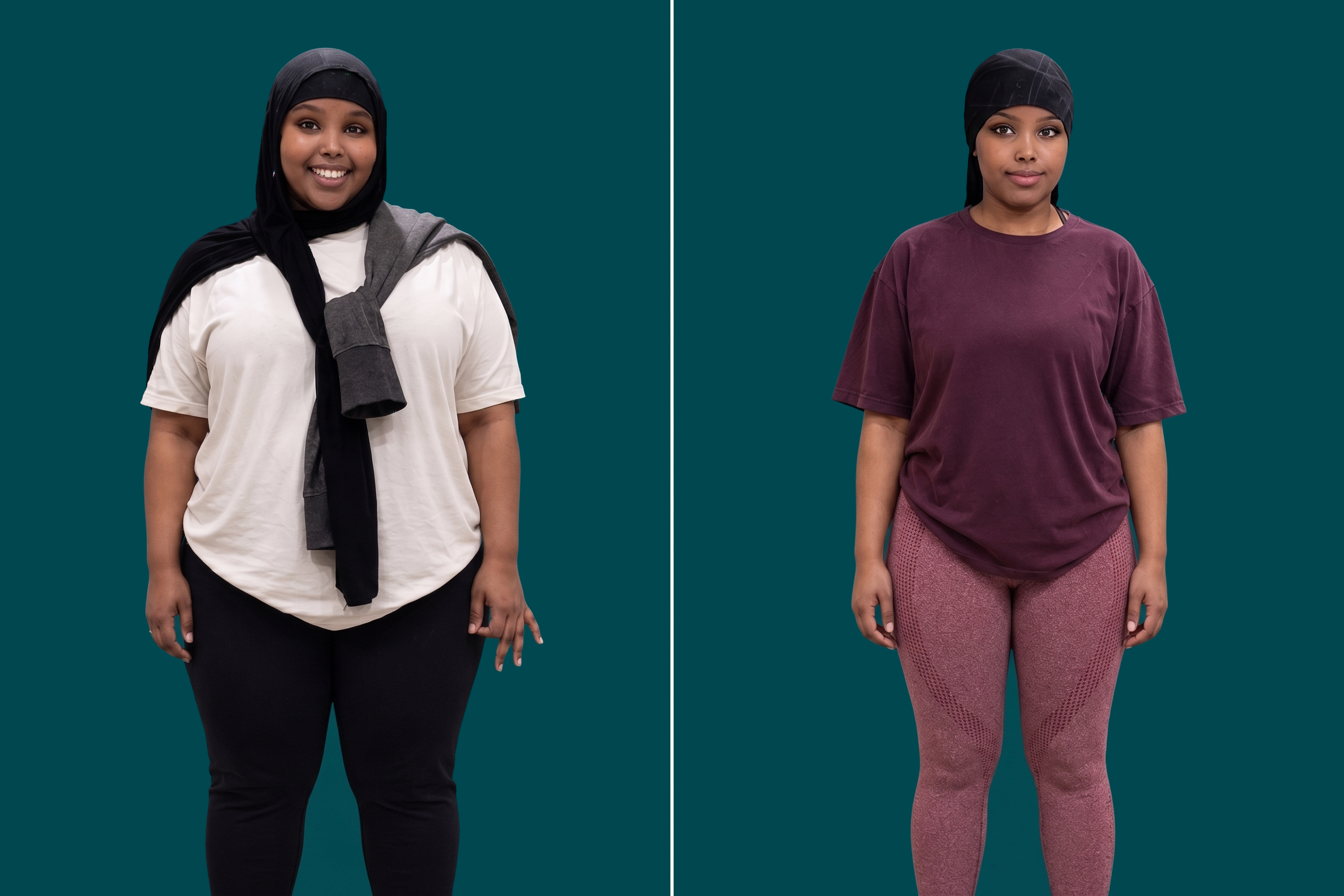
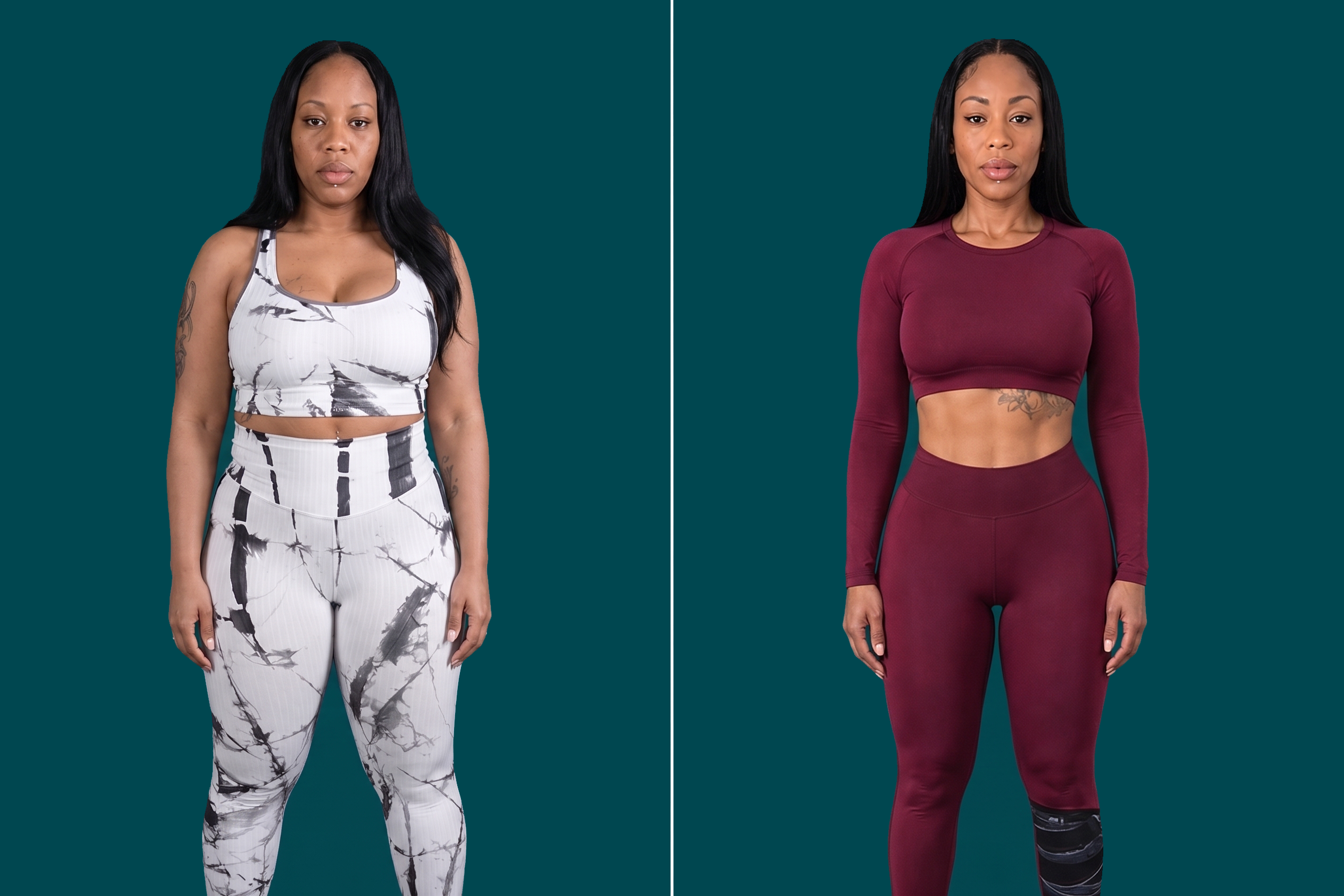
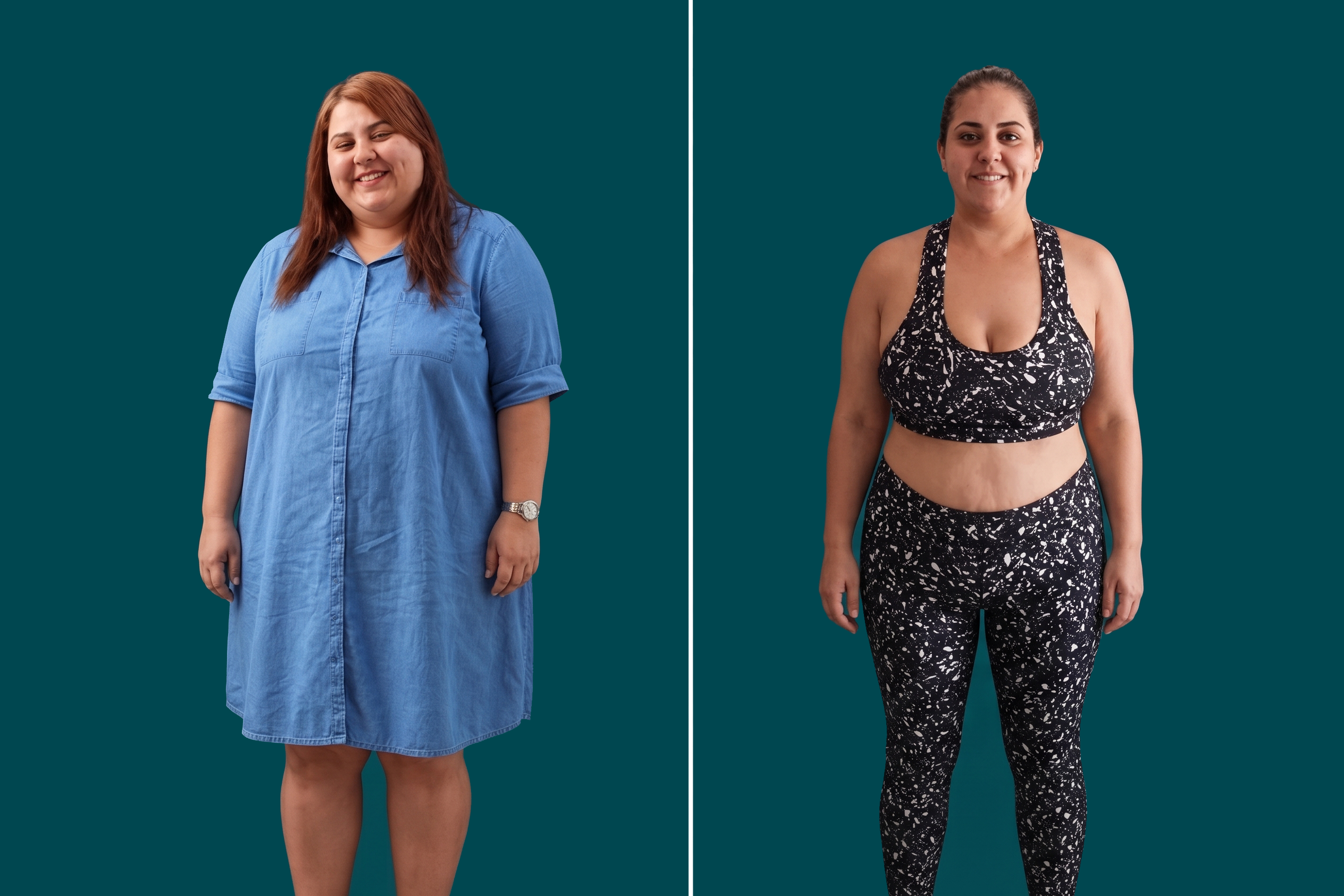
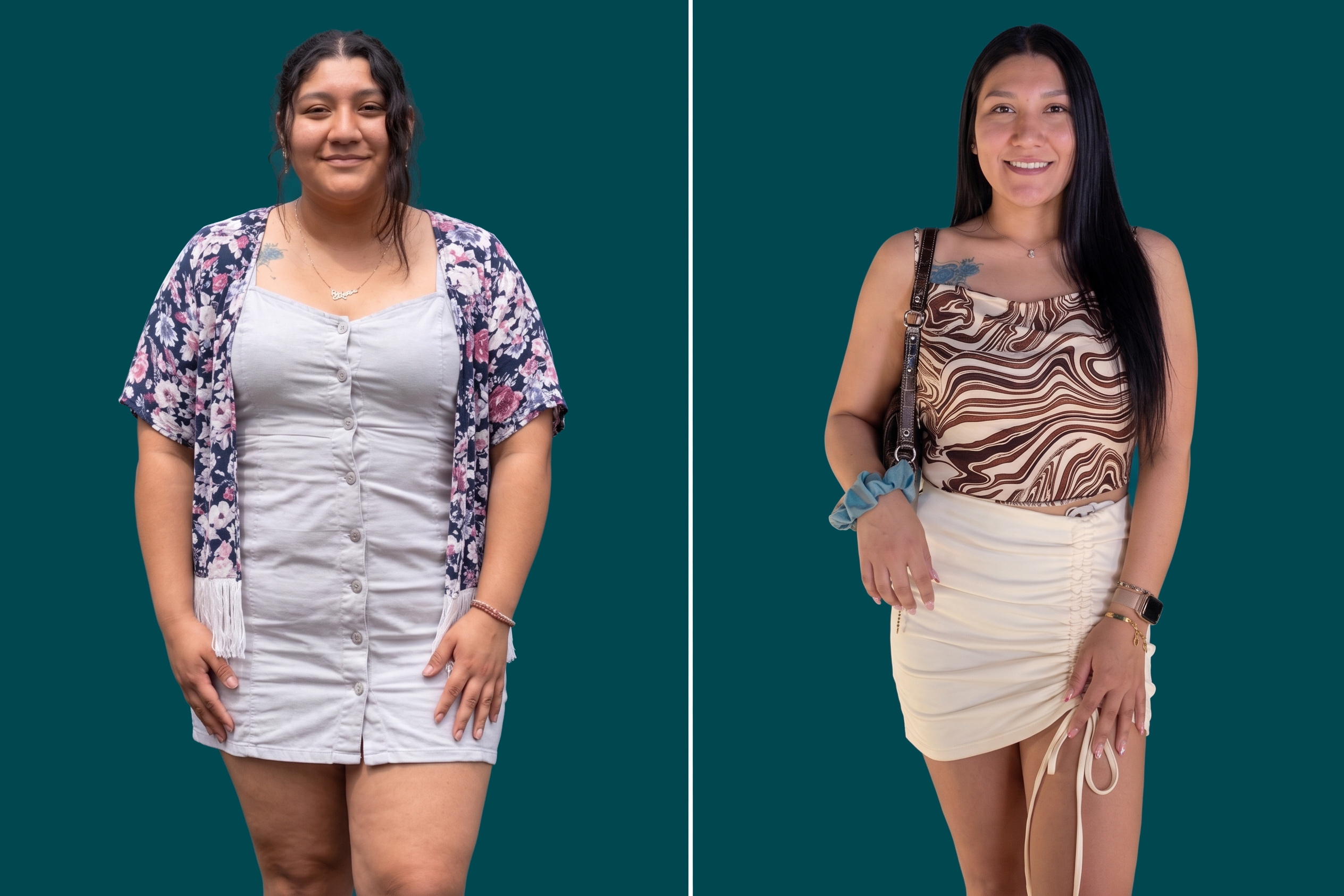
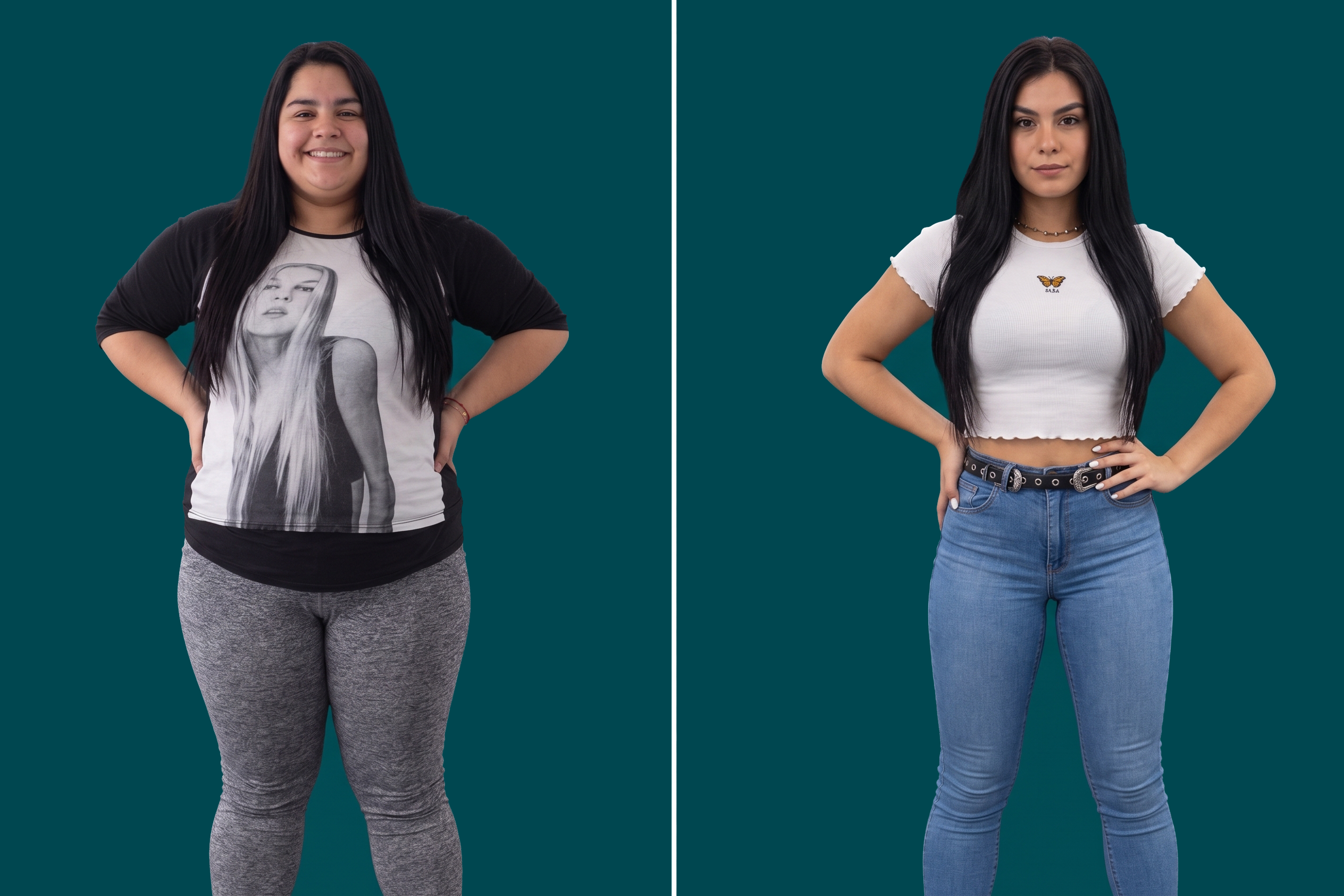
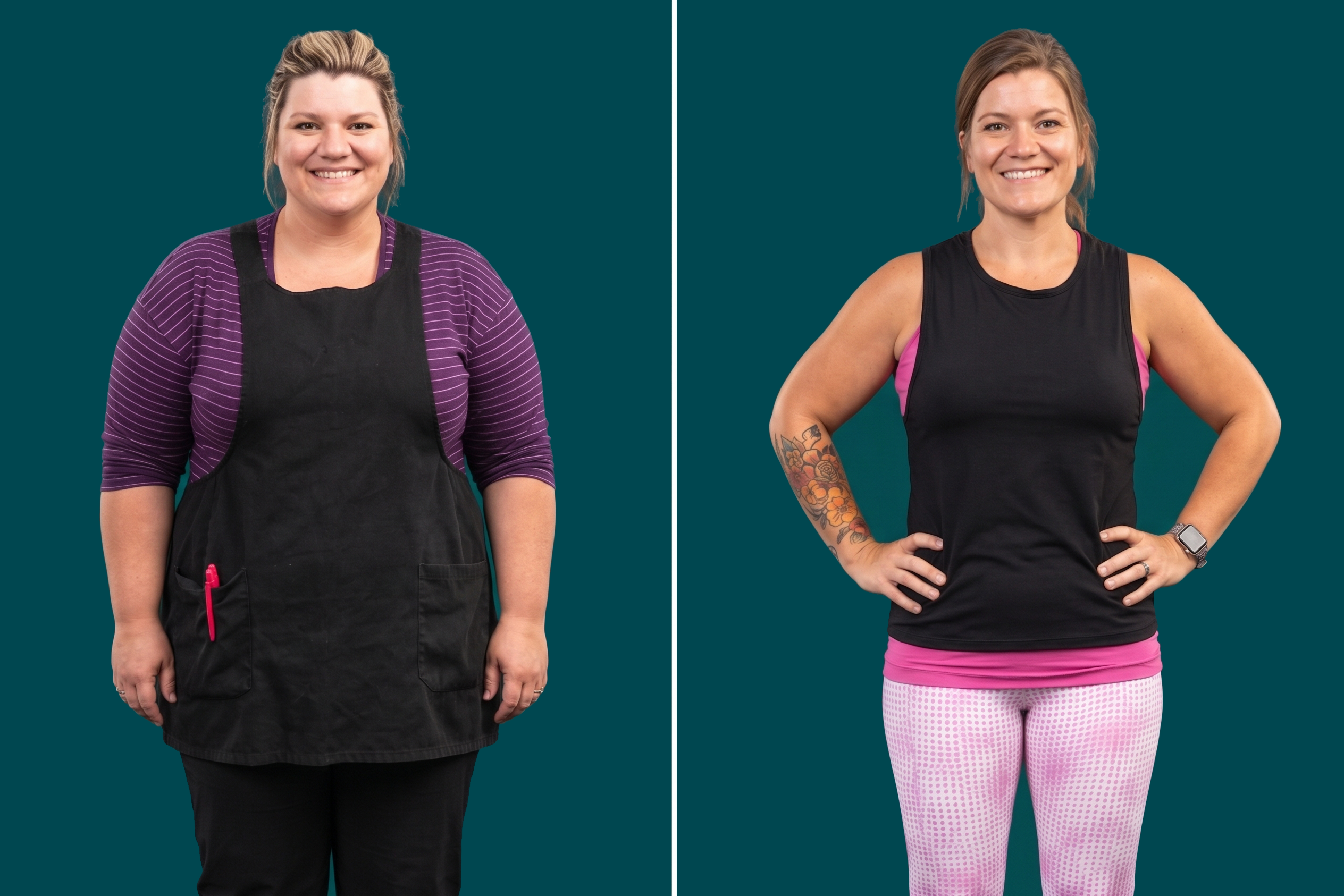
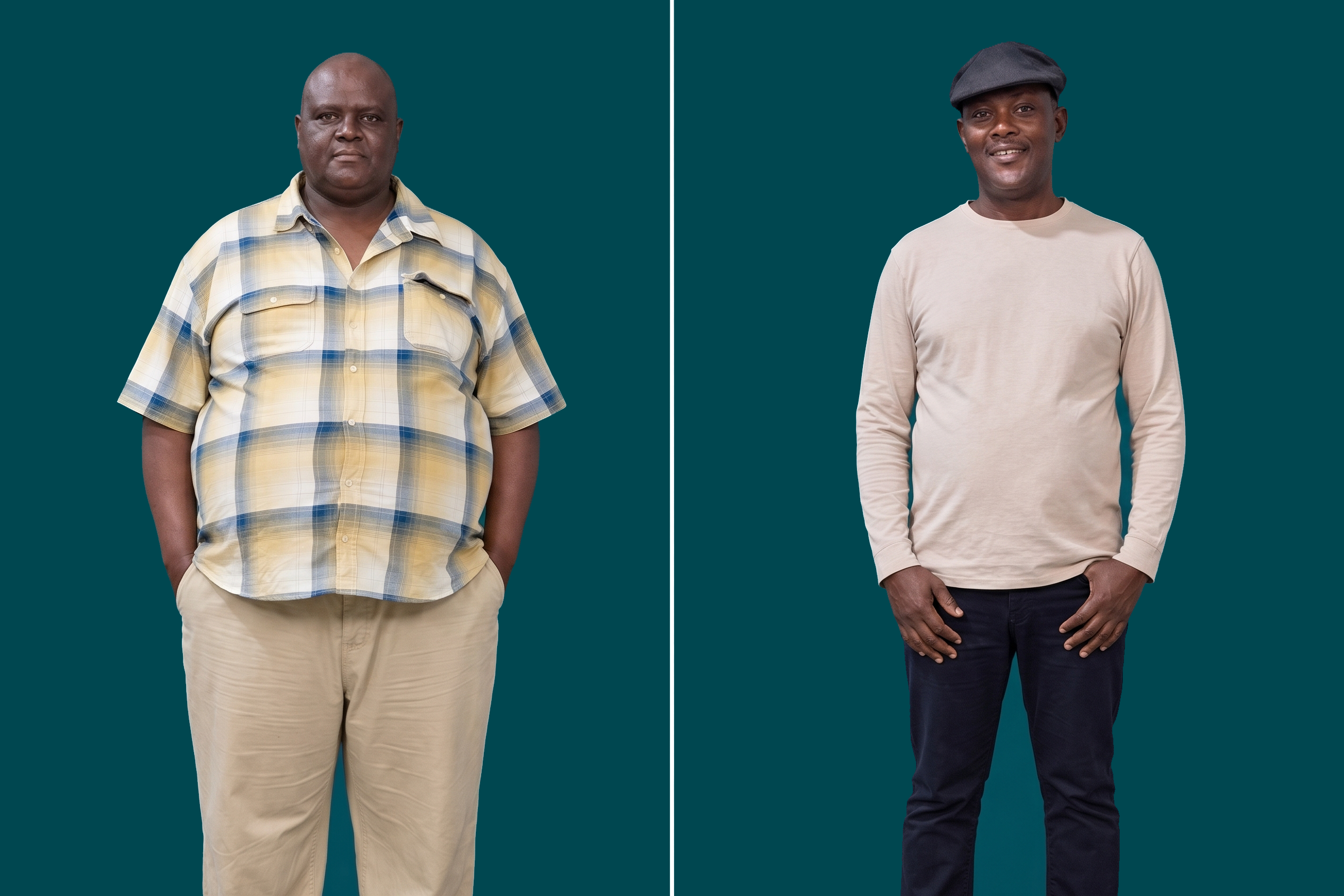
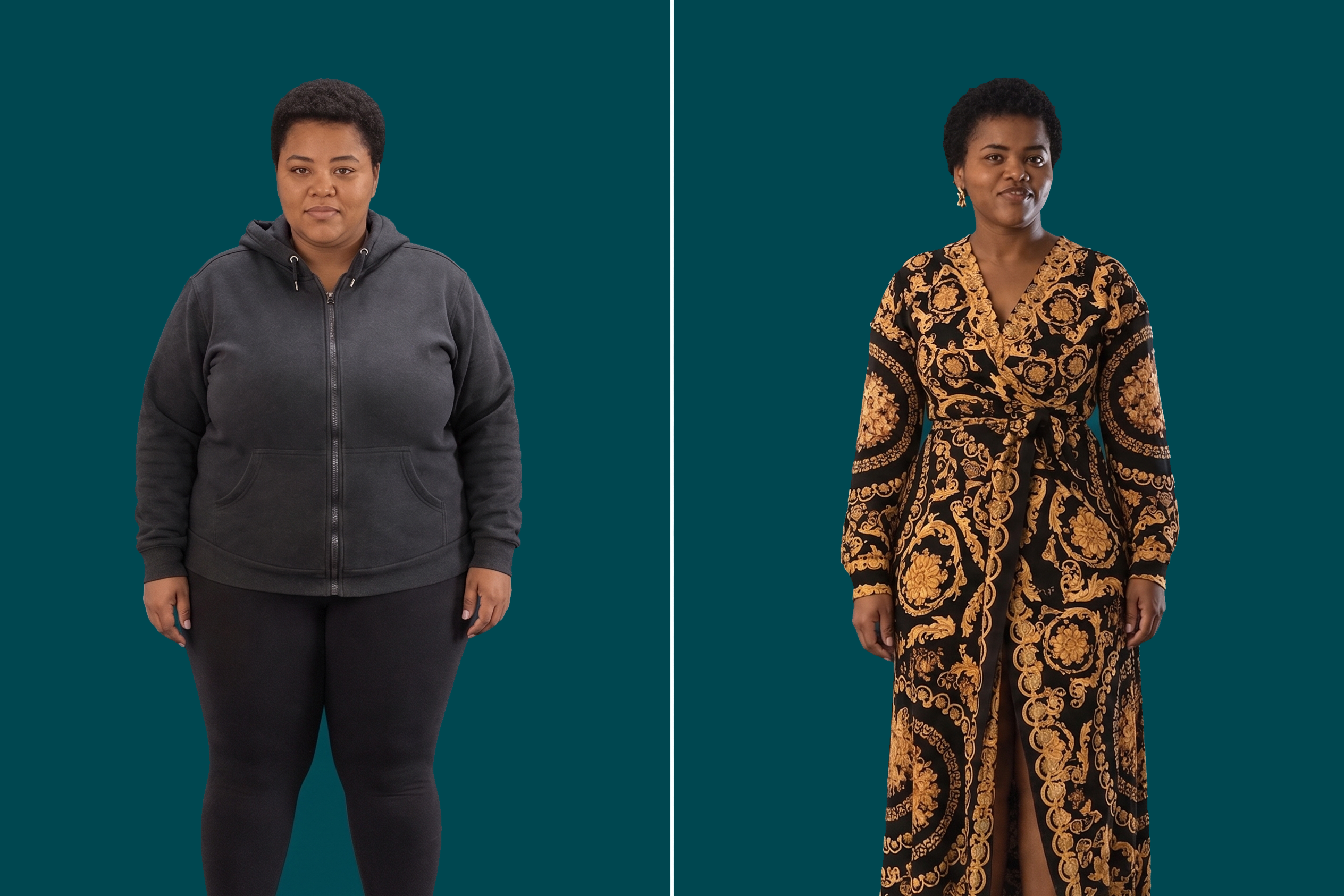
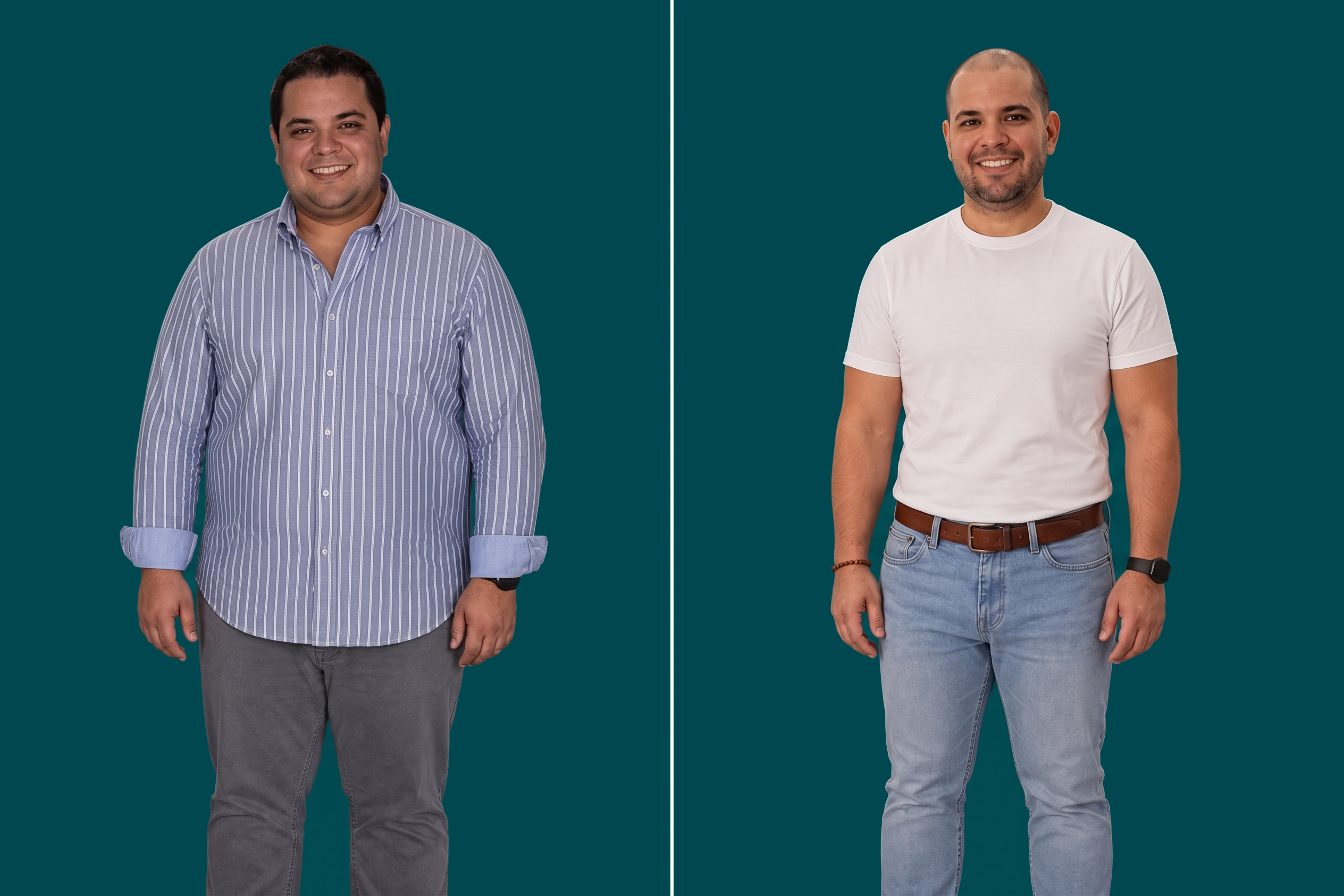
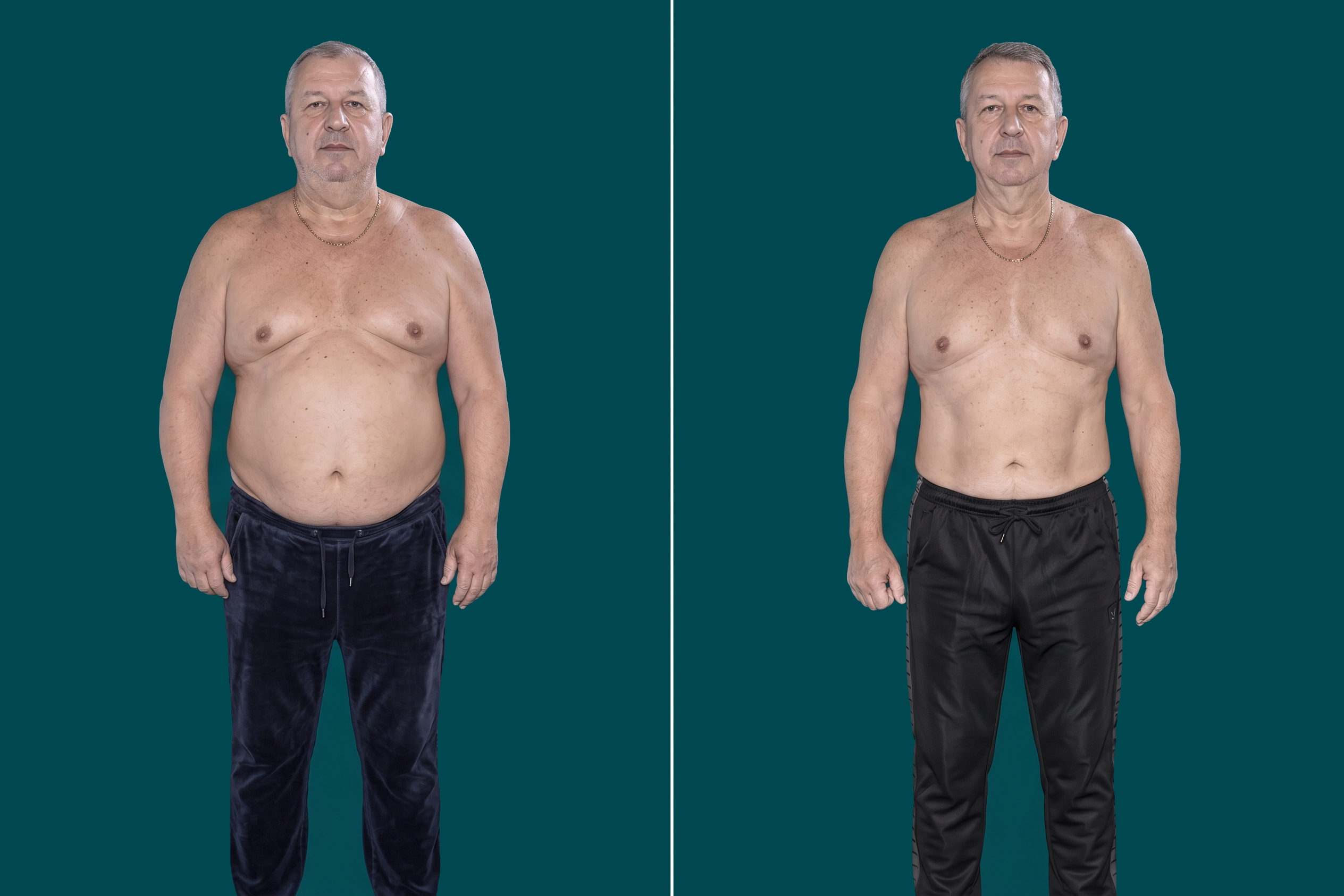
Weight loss surgery before and after photos only mean something if you know the procedure and the date. A sleeve patient at six months and a balloon patient at six months aren't comparable. Use any before and after picture as a rough idea, nothing more. Reviews written two or three years after surgery are more telling than ones from the first few months, because they show whether the weight stayed off.
Loose skin later on
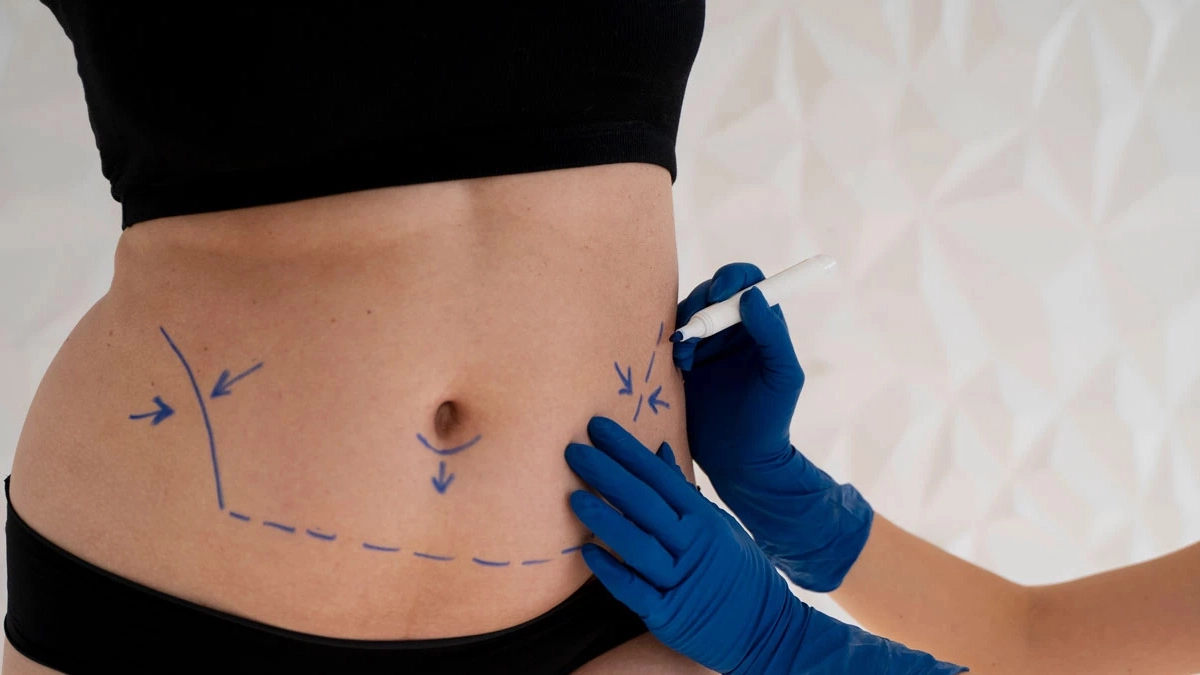
Lose a lot of weight and the skin doesn't always follow. Tummies, upper arms and thighs are where it hangs most, and it surprises many people. The extra skin can come off once your weight has stayed level for six months to a year. For the stomach, that's a tummy tuck. A body lift goes right round.
Picking a clinic for weight loss surgery in Turkey
Don't choose on price alone. Ask to meet the surgeon and the dietitian in person. Ask who checks your bloods, which supplements you'll need, and who you call when your appetite comes back at month nine. Ask, too, who looks after you if there's a problem after you've flown home. Straight answers to all of this are a better guide than a few hundred euros either way when choosing weight loss surgery in Turkey.