
 English
 Italiano
 Español
 Français



.webp?v=mtmvgmzu)
.webp?v=mtmvgz2q)
.webp?v=mtmvh8v4)
.webp?v=mtmvlhny)
.webp?v=mtmvlray)
.webp?v=mtmvm5fp)

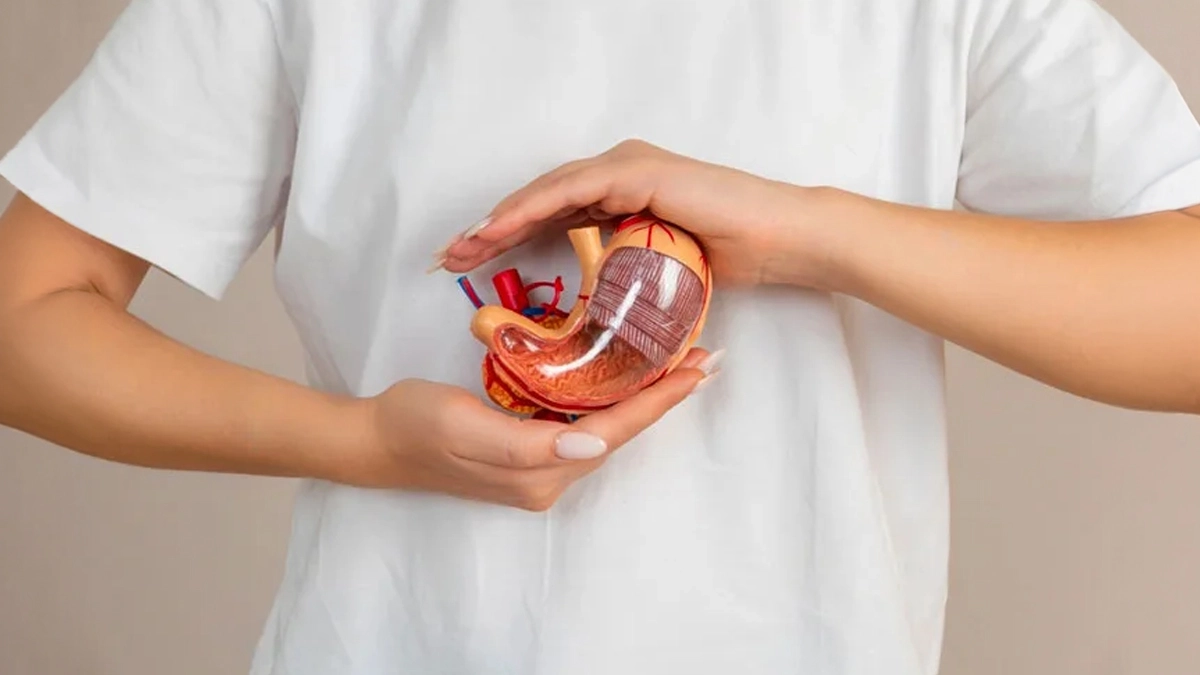
A bypass is the operation surgeons tend to reach for when a sleeve probably won't be enough. It works harder than a sleeve. It also asks more of you, every day, for the rest of your life, and that trade is worth understanding before you look at a single price for a gastric bypass in Turkey.
The section above shows how the gut is rerouted. Down here we've put everything around it. Which version of the operation fits which person, what happens to diabetes and reflux, the rules you'll live by afterwards, and how to read gastric bypass before and after photos. The cost comes at the end, including the parts nobody prints on a price list.
Who a gastric bypass is really for
The thresholds are higher than for a sleeve. A BMI of 40 qualifies on its own. Between 35 and 40, there has to be a health problem tied to the weight as well. Usually that's type 2 diabetes. Sometimes it's sleep apnoea, or heartburn that tablets have stopped touching.
Clearing the bar doesn't settle anything by itself. Where a gastric sleeve would do roughly the same job, surgeons usually go for the sleeve, and the reason is simple. Your gut keeps absorbing food normally. The bypass earns its place in particular situations. Very high BMI is one. Stubborn reflux is another, since a sleeve can make it worse while a bypass usually calms it. And a bypass is often the operation people end up with when a sleeve done years ago has stopped working.
Mini bypass, Roux-en-Y or SADI-S
People are often surprised there's more than one kind. We do several of them here. Which one ends up on your plan is a big deal, since the differences carry on long after you've healed.
Roux-en-Y has been around the longest, and surgeons have decades of data on it. It uses two joins. It's also the usual choice when reflux is part of the picture. The mini bypass, sometimes written OAGB, uses a single join, so there's a little less surgery involved. Bile can wash back up towards the stomach after a mini bypass in some people, which is one reason reflux sufferers are usually steered to Roux-en-Y instead.
SADI-S goes further. It pairs a sleeve with a longer bypassed section, so less of what you eat gets absorbed. That makes it stronger for very high BMI, and also stricter about supplements. Distalisation is different again. It's a revision for someone who already has a bypass and has regained, where the surgeon lengthens the bypassed part of the gut.
You don't pick from these like a menu. The surgeon proposes one after the tests, explains why, and writes it on your plan. Check that it's there.
Gastric bypass and type 2 diabetes
For many people with type 2 diabetes, this is the real reason they're here. Blood sugar often improves after a bypass, sometimes within days, well before most of the weight has gone. Some people come off diabetes medication altogether. Others need less of it. Nobody can promise which group you'll be in.
That quick change has a practical side. Doses that were right before surgery can push your sugar too low afterwards, so your own doctor needs to know the date of your operation and be ready to adjust things. Bring your current medication list to Istanbul. We'll send you home with notes for them.
The weeks before gastric bypass surgery in Istanbul
Paperwork comes first, boring as that is. Your notes and a recent set of bloods need to reach us before anyone picks a date, along with whatever you take each morning. Most people then have an endoscopy, and the surgeon leans on what it shows when deciding between the variants. You'll also meet your surgeon and your dietitian in person before anything happens.
Smokers get a harder conversation. Cigarettes make ulcers at the new join far more likely, and that stays true long after you've healed. It's a risk for life. We'd rather help you quit than pretend otherwise, so ask.
Gastric bypass risks worth knowing by name
Whether you have a gastric bypass in Turkey or at home, it's a big operation. Bleeding, infection and clots come with any surgery on this scale. On top of those, a bypass brings two particular problems that can surface long after you've stopped thinking about the operation.
The first is an ulcer at the join between pouch and gut. Smoking and anti-inflammatory painkillers are the big triggers, more on those below. The other one is an internal hernia. When the gut is rerouted, small spaces open up inside the abdomen. Once in a while, a loop of bowel slides into one and gets stuck. It might be three years later. It might be ten. If you ever get sudden, severe tummy pain that won't ease off, go to an emergency department, and say the words "gastric bypass" early.
Leaks from the joins can happen early on. They're uncommon, and they're the reason the ward team keeps such a close eye on you for those two nights.
Gastric bypass recovery
The operation itself is short, and you'll be encouraged to walk within hours. After two nights you'll usually move back to the hotel. Those early days are dull, honestly. You sip, you walk the corridor, you sip again. Two weeks in, plenty of people look and feel fairly normal, which can mislead them, because the joins inside haven't finished healing.
Weeks three to six are when food textures start returning and energy picks up. Full recovery takes three to six months. That sounds long. It's about the inside of your body, though, and most people with desk jobs feel ready for work well before then. The gastric bypass diet follows the same broad path as other weight loss operations, from liquids up to normal food, with your dietitian setting the pace. What's different is how much attention goes on protein, because you absorb less of it.
Dumping syndrome after gastric bypass
Eat something sugary after a bypass and it can rush straight into the small intestine. The result is called dumping. Within half an hour or so you might feel sick, crampy, sweaty and shaky, with your heart racing. Some people need to lie down. It's unpleasant, though not dangerous in itself.
There's a later version too. It's sneakier. Lunch was a sandwich and a biscuit, you felt fine, and then mid-afternoon you're shaky, sweating and a bit foggy. That's your blood sugar crashing. Both are handled the same way, by learning which foods set you off and leaving them out. Plenty of patients say dumping ended up being useful, because it put them off sweets without any willpower involved.
Supplements after gastric bypass
This is where a bypass asks most. Because part of your gut is skipped, some nutrients barely get absorbed at all. Iron, calcium, vitamin D and vitamin B12 are the usual problems. Many people end up having B12 as an injection every few months, since tablets don't always get through.
You'll take a multivitamin and the other supplements every day, for life. Blood tests come every year after the first twelve months, arranged with your own doctor at home. Skipping them is how people end up anaemic, or with brittle bones, years down the line without having felt much wrong along the way.
Painkillers, pills and other everyday changes
Anti-inflammatory painkillers are off the table permanently. That means ibuprofen, naproxen and aspirin at pain-relief doses, including the ones sold in cold and flu sachets. They're a major cause of ulcers at the join. Pharmacists are good at spotting these, so ask one before buying anything new. And mention the bypass to every doctor who treats you, even for something unrelated.
Your gut handles some medicines differently now. The contraceptive pill is the one that catches people out. It may not be as reliable, so it's worth asking your doctor about other methods. Then there's alcohol. It reaches the bloodstream much faster after a bypass, and research has linked the operation to a higher risk of drinking becoming a problem, so keep an honest eye on it.
Gastric bypass results and what "excess weight" means
The figure on this page is 60 to 80% of excess weight over 12 to 18 months. Excess weight is the amount you're carrying above a healthy weight for your height, not your total. Take someone 50 kilos above that. Losing 60 to 80% of it works out at roughly 30 to 40 kilos. That's what usually happens. It isn't guaranteed, and gastric bypass results differ hugely between people.
Some people regain over the years. Usually it isn't dramatic. A new job or a bad winter comes along, and the grazing quietly returns. The sooner you mention it to your dietitian, the less there is to undo. For larger regain, distalisation is one of the options a surgeon may discuss.
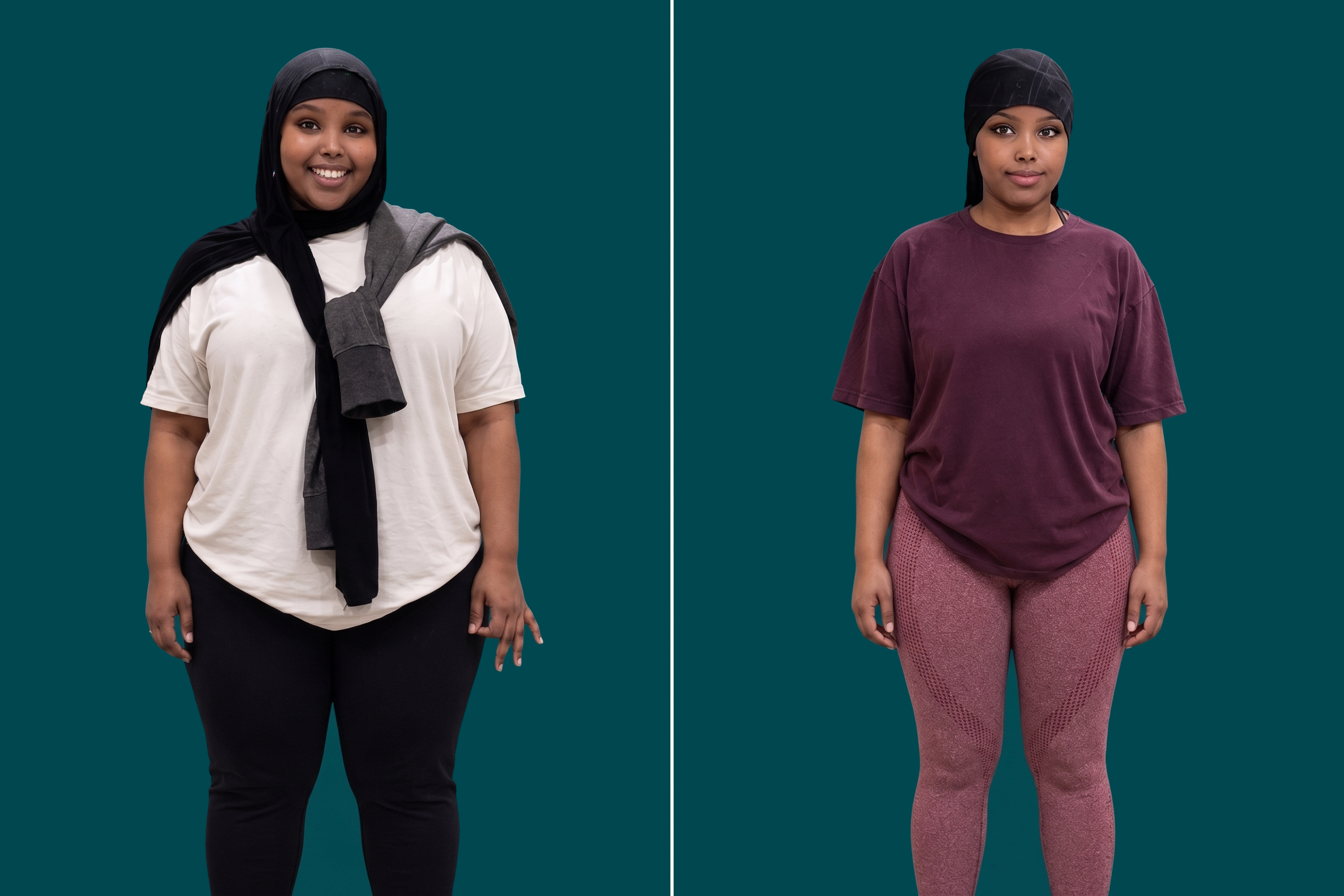
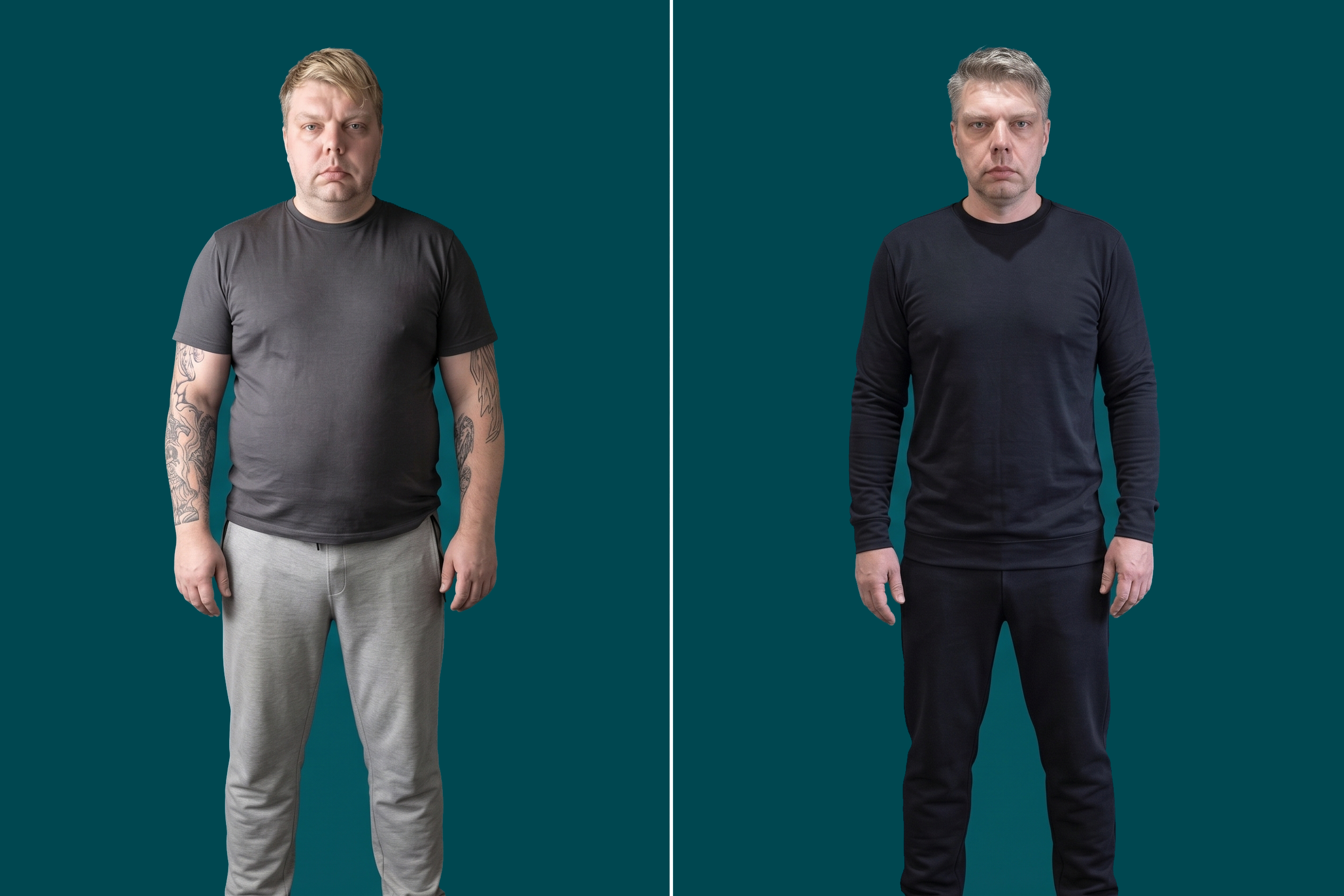
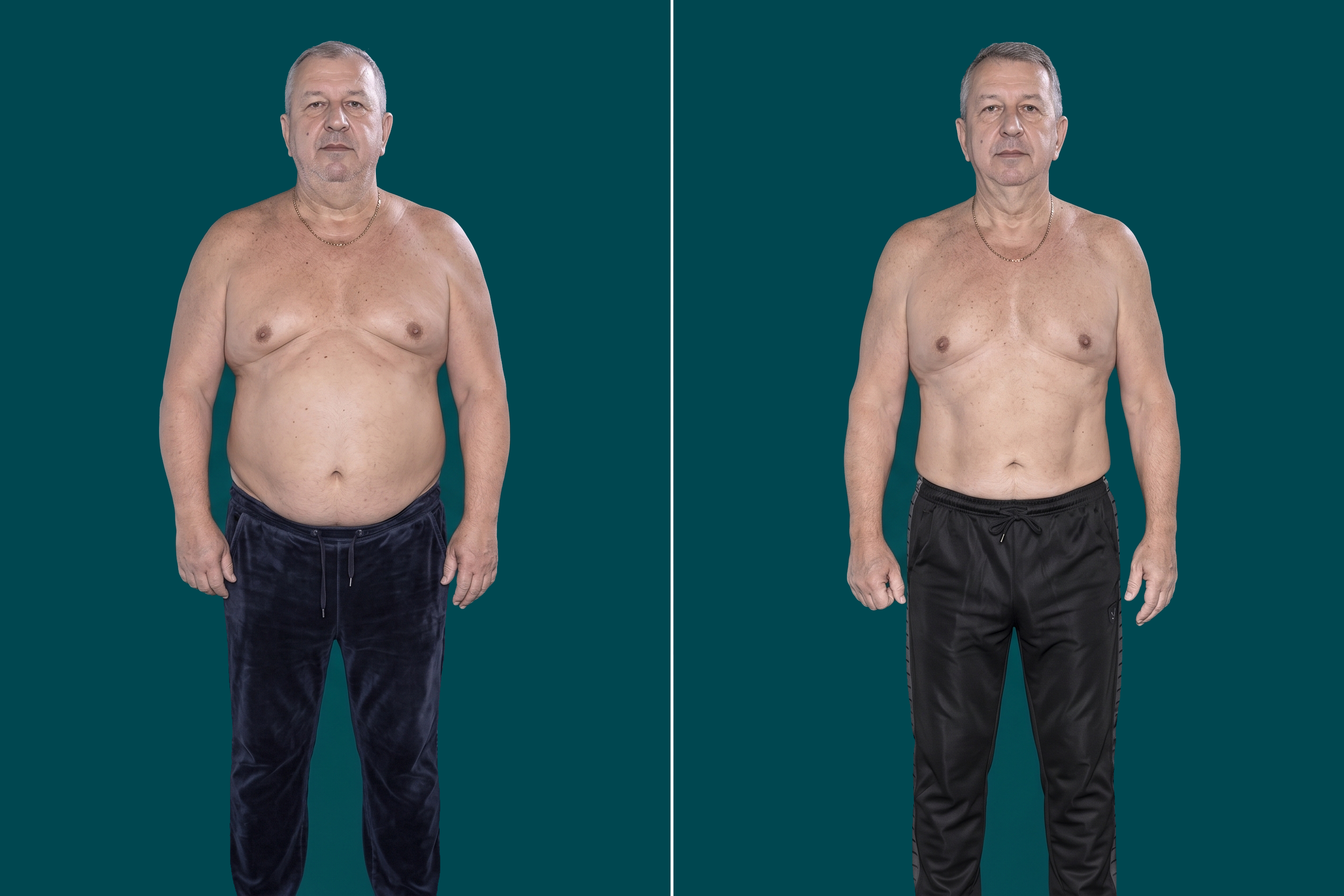
Gastric bypass before and after photos
Our gastric bypass before and after gallery is labelled at 12 and 15 months, which is roughly when the biggest change shows. Photos only capture size, though. They don't show someone's blood sugar settling, or the CPAP machine for sleep apnoea going back in the cupboard, and for a lot of bypass patients that's the bigger story. When you read gastric bypass reviews, or scroll through another clinic's before and after pictures, look out for that side of things.
Loose skin is common after this much loss, especially around the tummy and upper arms. Some people later choose a body lift or an arm lift, once their weight has held steady for a good while.
Gastric bypass cost and price in Turkey
The listed gastric bypass price in Turkey is €2,600 for a mini bypass and €2,700 for Roux-en-Y. SADI-S is €3,000 and distalisation €3,400. Each includes the operation, general anaesthetic and two nights in hospital. Transfers, an interpreter and twelve months of dietitian follow-up come with it. Revisions after surgery done elsewhere are assessed case by case.
That's well below typical UK and US prices. The full gastric bypass cost goes beyond the operation, though. Supplements are a monthly expense for life, B12 injections may add to it, and the yearly blood tests need booking at home. Budget for those from the start, and make sure the variant you're quoted for is the one written on your treatment plan. Our weight loss surgery page puts the bypass alongside the other options if you're still comparing.
Sending us your details
Height, weight, any previous weight loss surgery, and your current medication are the useful starting points. If you have diabetes or reflux, include your latest results. Our Istanbul team will tell you whether a gastric bypass in Turkey suits you, which variant they'd propose and why, or whether a sleeve would do the job with less asked of you afterwards.