Google Reviews|4.6/5

E-max Veneers in Istanbul · €200 Per Tooth

E-max Veneers Turkey

Worried veneers will look like a flat, fake white?

E-max veneers are pressed glass-ceramic, thin enough for conservative preparation yet around three times stronger than conventional porcelain. Each is €200, shade-planned so the result looks like your teeth on their best day rather than a uniform white. 

100,000+Happy Patients
80+Countries Served
One VisitNo Second Trip Needed
4.6Google Rating
E-max Veneer Results

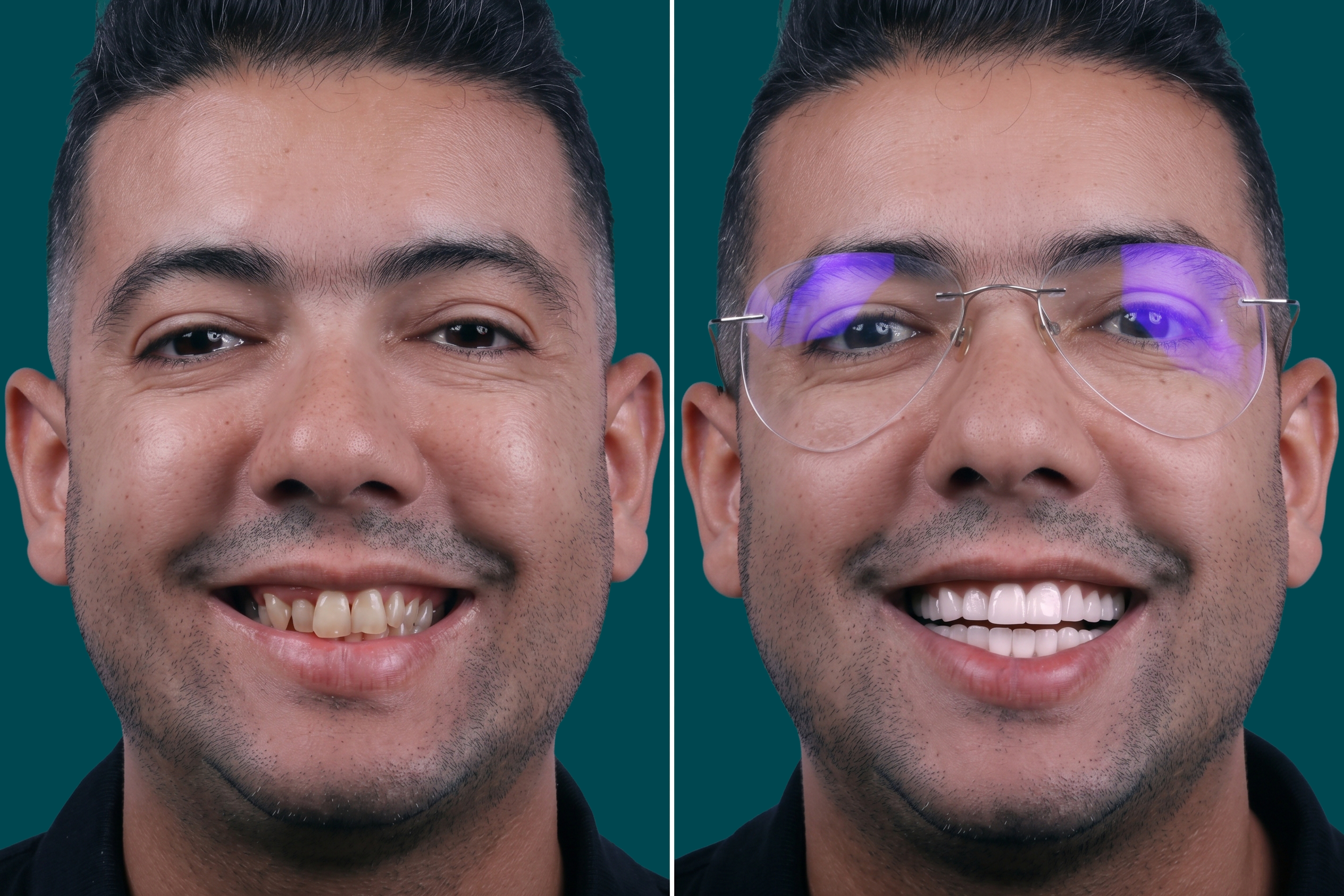
E-max Veneer Before & After

Real E-max cases treated at our Istanbul clinic, shared with written patient consent. Ask to see the full gallery for a case like yours — we send it with your free treatment plan.

Dental-Veneers- E max veneers 1

E.max Veneers, Ten Units

Dental-Veneers- E max veneers 2

E-max Veneers

Dental-Veneers- E max veneers 3

E-max Veneers

Patient Stories

E-max Veneer Reviews

Nobody here wanted a flat white. E-max veneer patients describe the shade planning session and why translucency mattered more to them than sheer brightness.

Natural E-Max Veneers Before & After | Smile Transformation
Low-Prep E-max Veneers Before & After | Natural Smile Design
Composite vs E-max Veneers: Can You See the Difference?
His Smile Looks Completely Different After E-Max Veneers

Free Consultation

Are you ready to start your journey to perfection today?

About Natural Clinic

A Multidisciplinary Medical & Aesthetic Hospital in the Heart of Istanbul.

Natural Clinic brings several specialist fields together under one roof: hair transplantation, dentistry, facial, body and breast aesthetics, bariatric surgery and reconstructive treatments. Cross-disciplinary medical teams, multilingual coordination and internationally recognised safety standards carry each patient from consultation and treatment planning through to recovery and aftercare.

1200+ Operations Monthly

Advanced treatments across multiple medical specialties

50+ Medical Professionals

Experienced specialists working across disciplines

360° Patient Care

Consultation, treatment, recovery and aftercare coordinated under one roof

150+ Daily Operation Capacity

Large-scale medical infrastructure in Istanbul

The Treatment

What an E-max Veneer Actually Is

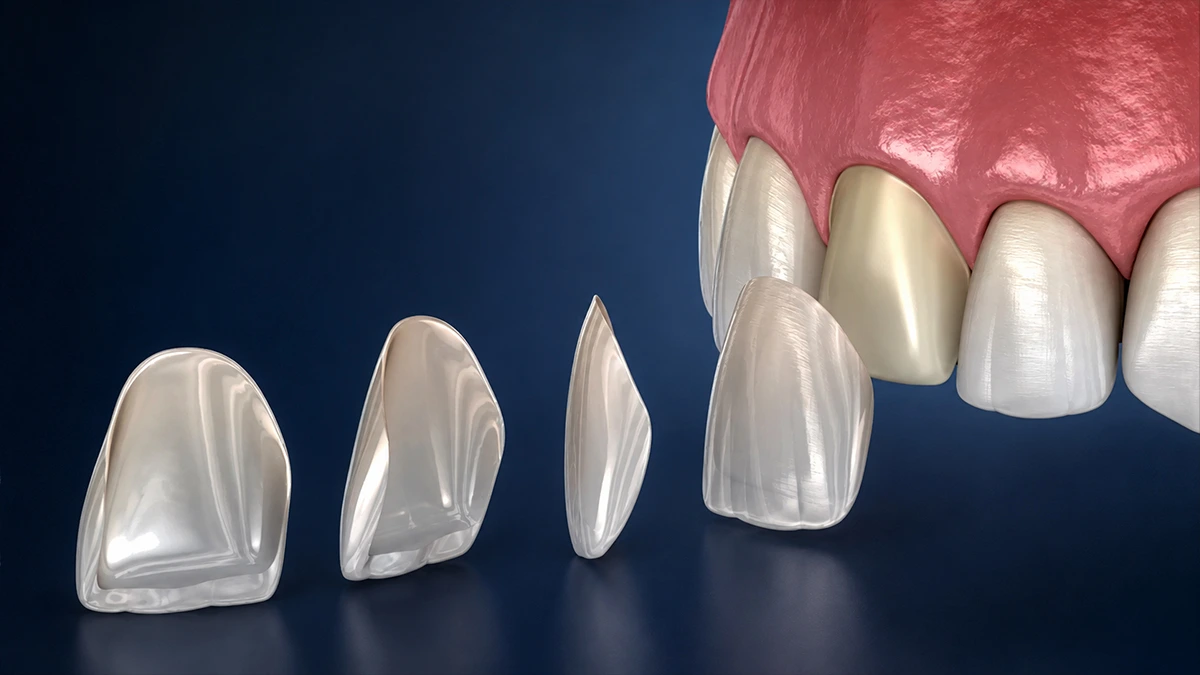
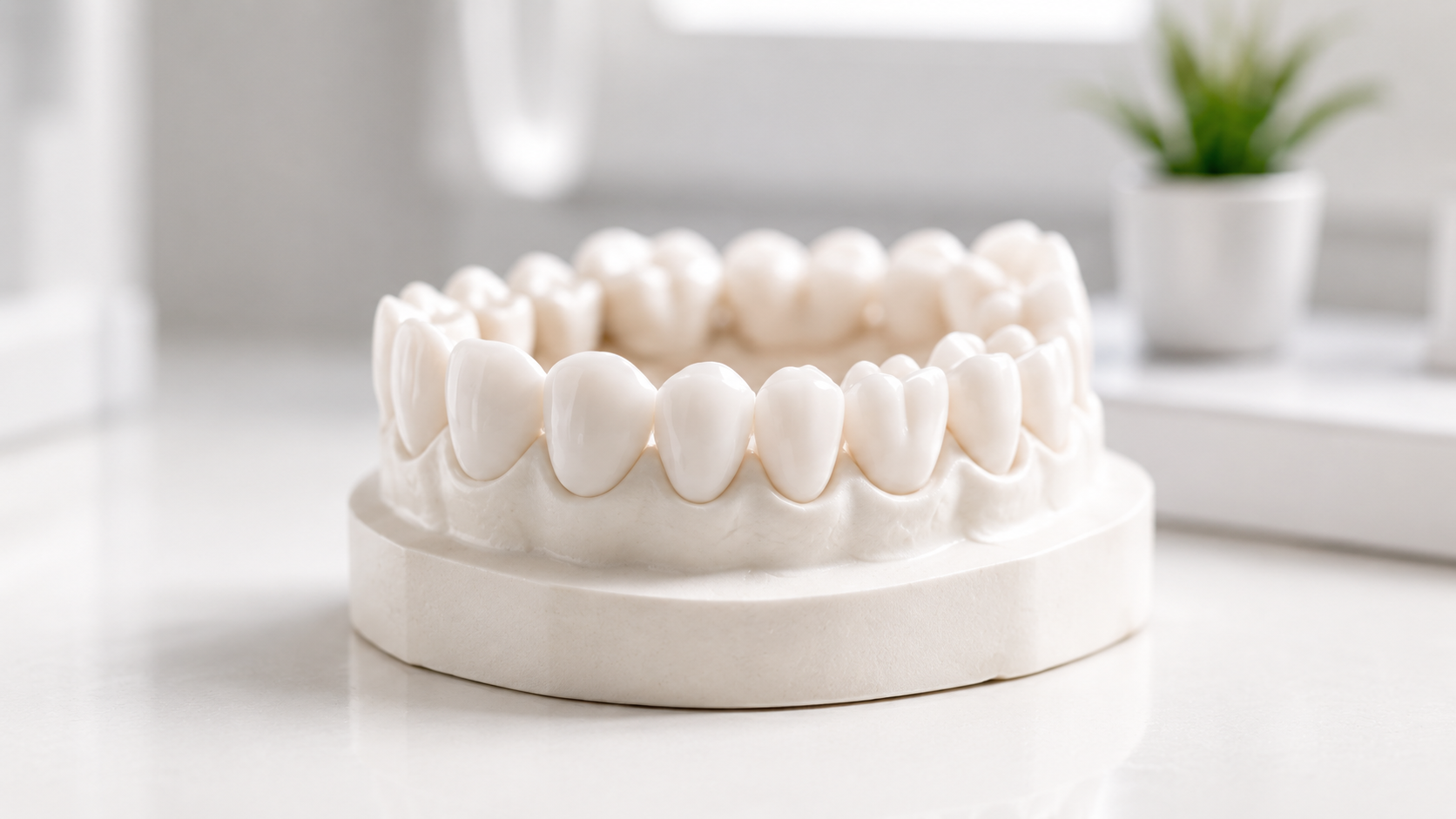
A shell of lithium disilicate — a glass ceramic with around three times the strength of feldspathic porcelain. That strength is not there so the veneer can be thicker; it is there so it can be made thinner, which means less of your own tooth has to come off.

Emax-Veneers

Lithium disilicate

The E-max Veneer

Lithium disilicate is pressed from an ingot or milled from a block, then stained and glazed by hand. It sits between feldspathic porcelain and zirconia: far stronger than the first, far more translucent than the second, and the only one of the three that can be etched and adhesively bonded the way enamel bonding was designed to work.

Best suited for

Front teeth needing a thin shell that still has to take load — worn edges, canines, edge-to-edge bites.

Typical timeline

One visit, 5–7 days in Istanbul: design, mock-up, preparation, try-in, bonding.

  • Around 400 MPa — roughly three times feldspathic porcelain
  • 0.3–0.6 mm removed, so the preparation stays inside enamel more often
  • Etched and adhesively bonded, not cemented — the bond is part of the strength
  • Shape and shade approved in a trial mock-up before any preparation
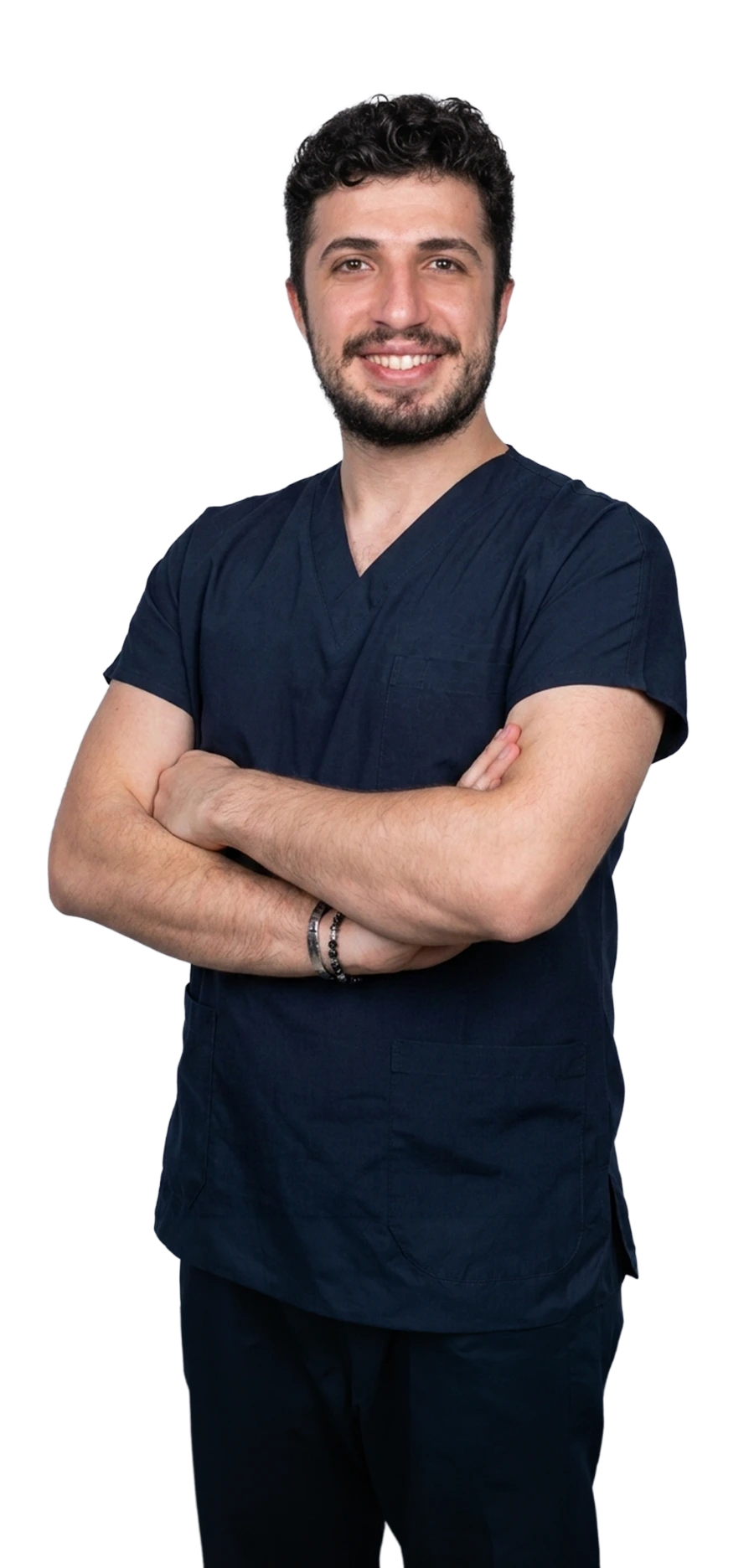
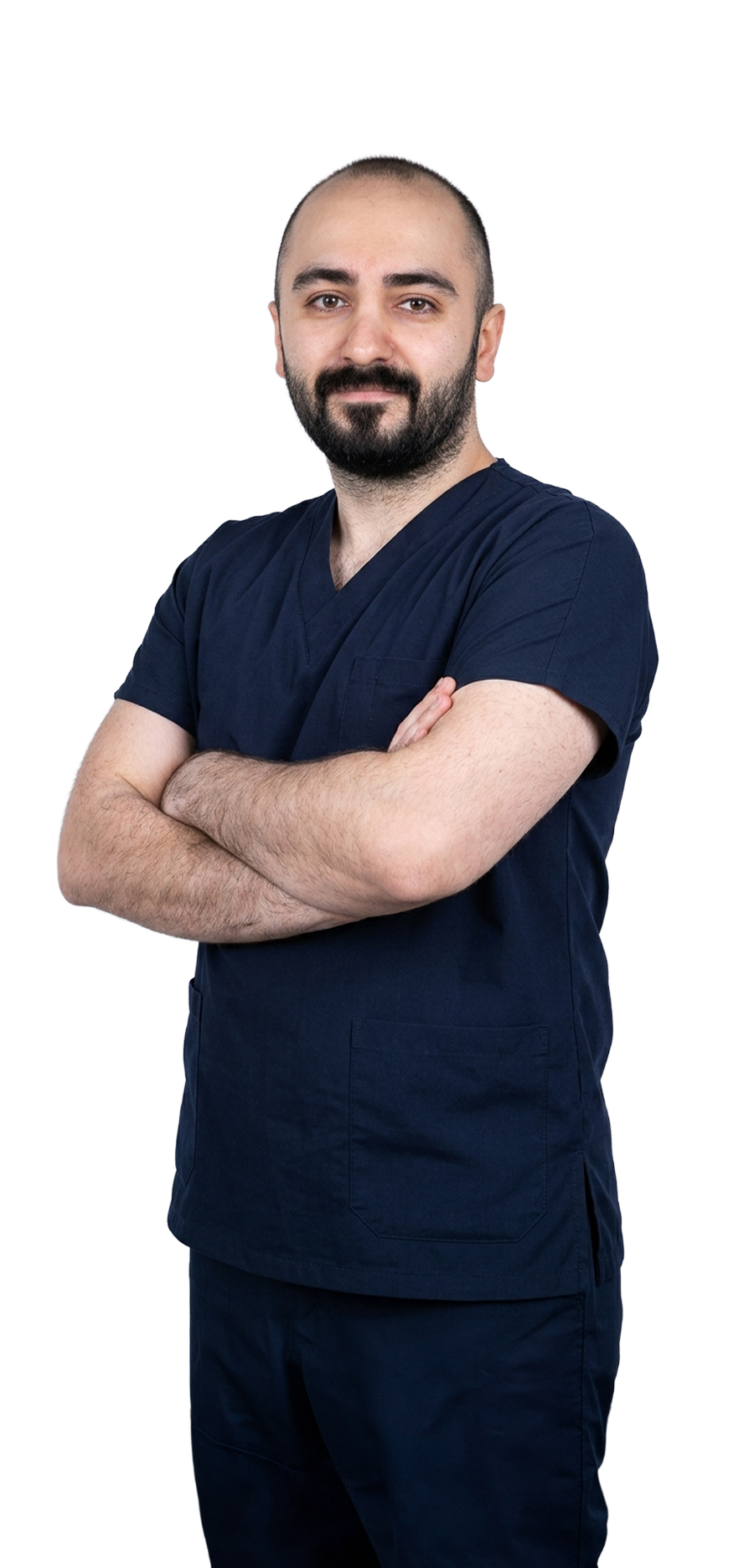
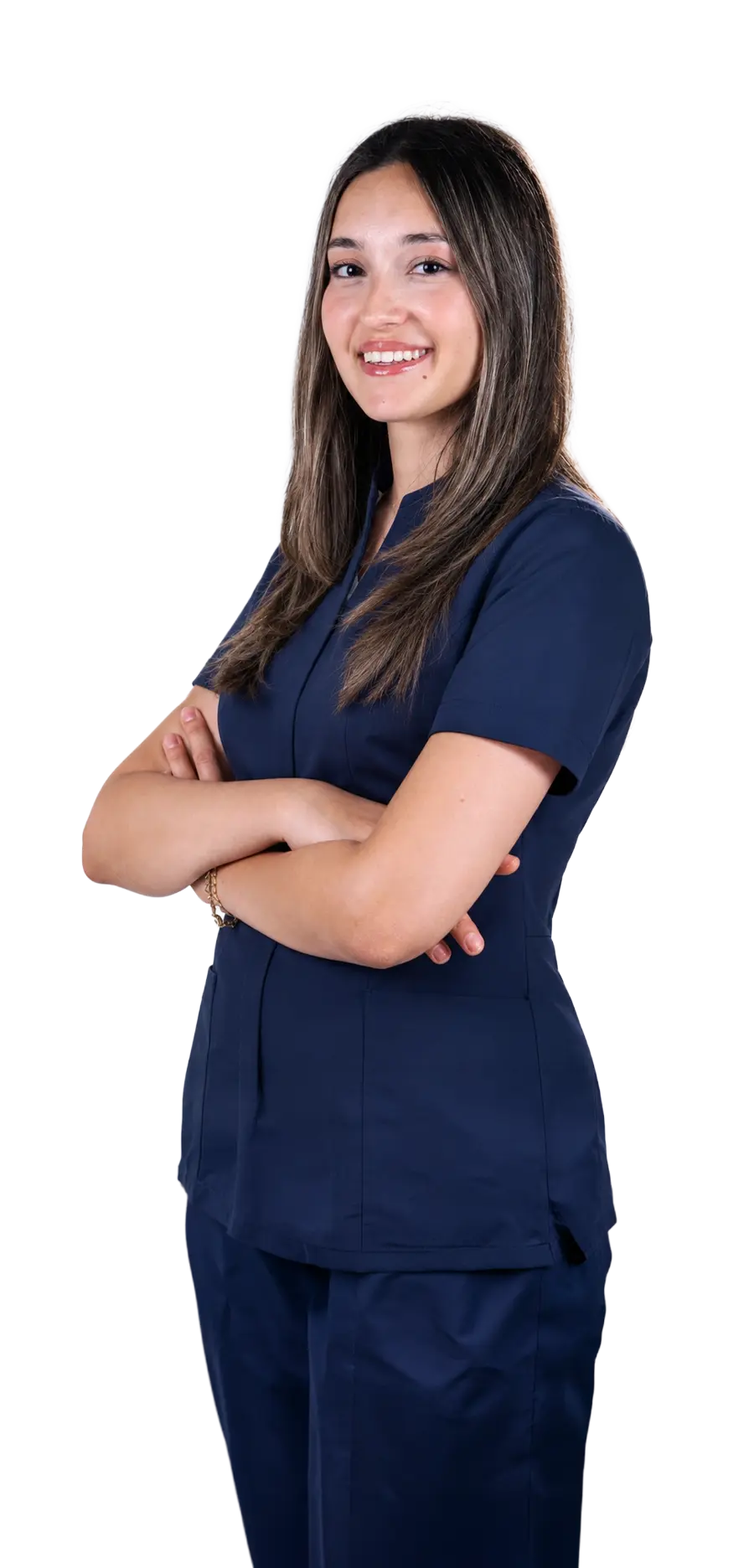
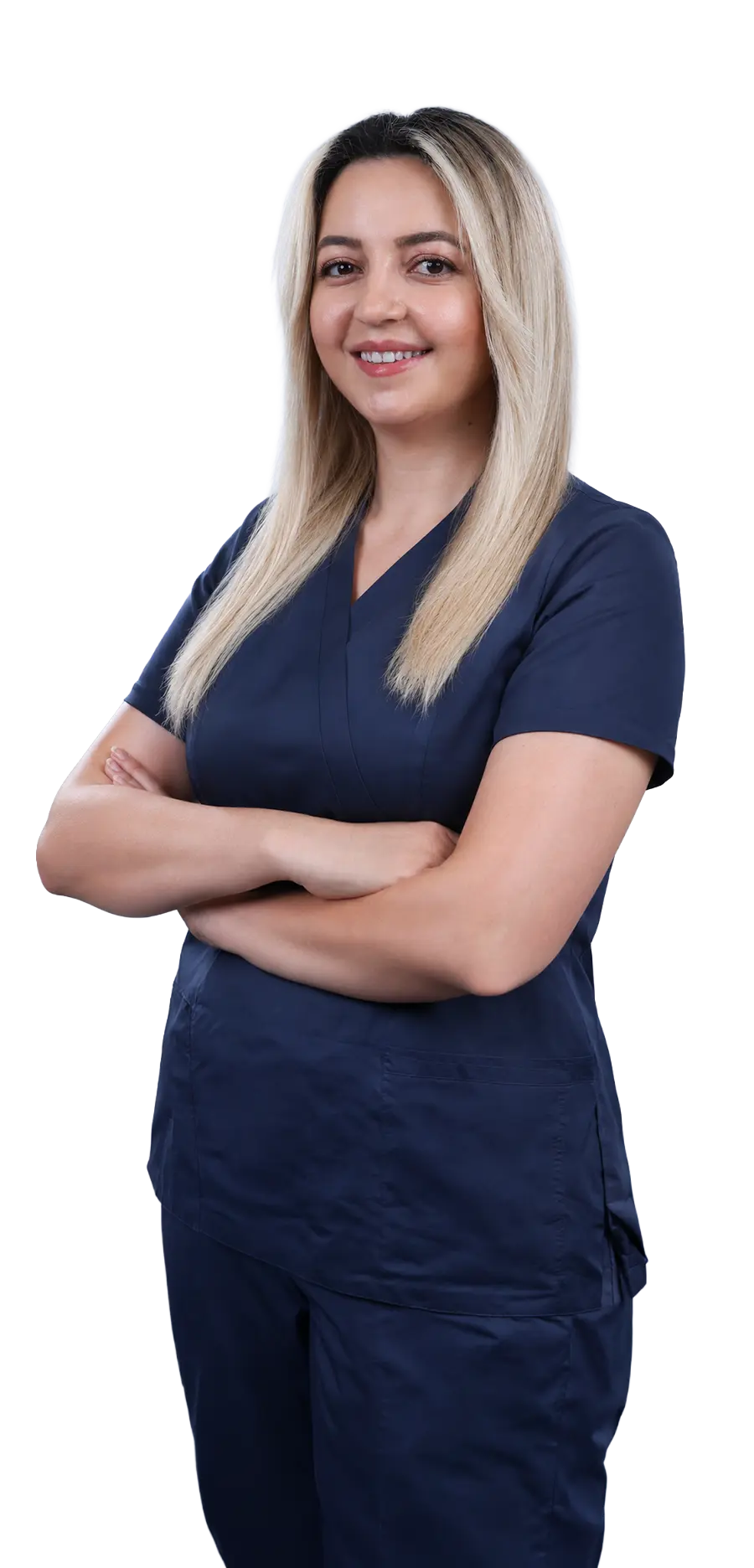
Meet the Dentists Who Will Treat You
Dt-Omer-Resat-Gultek

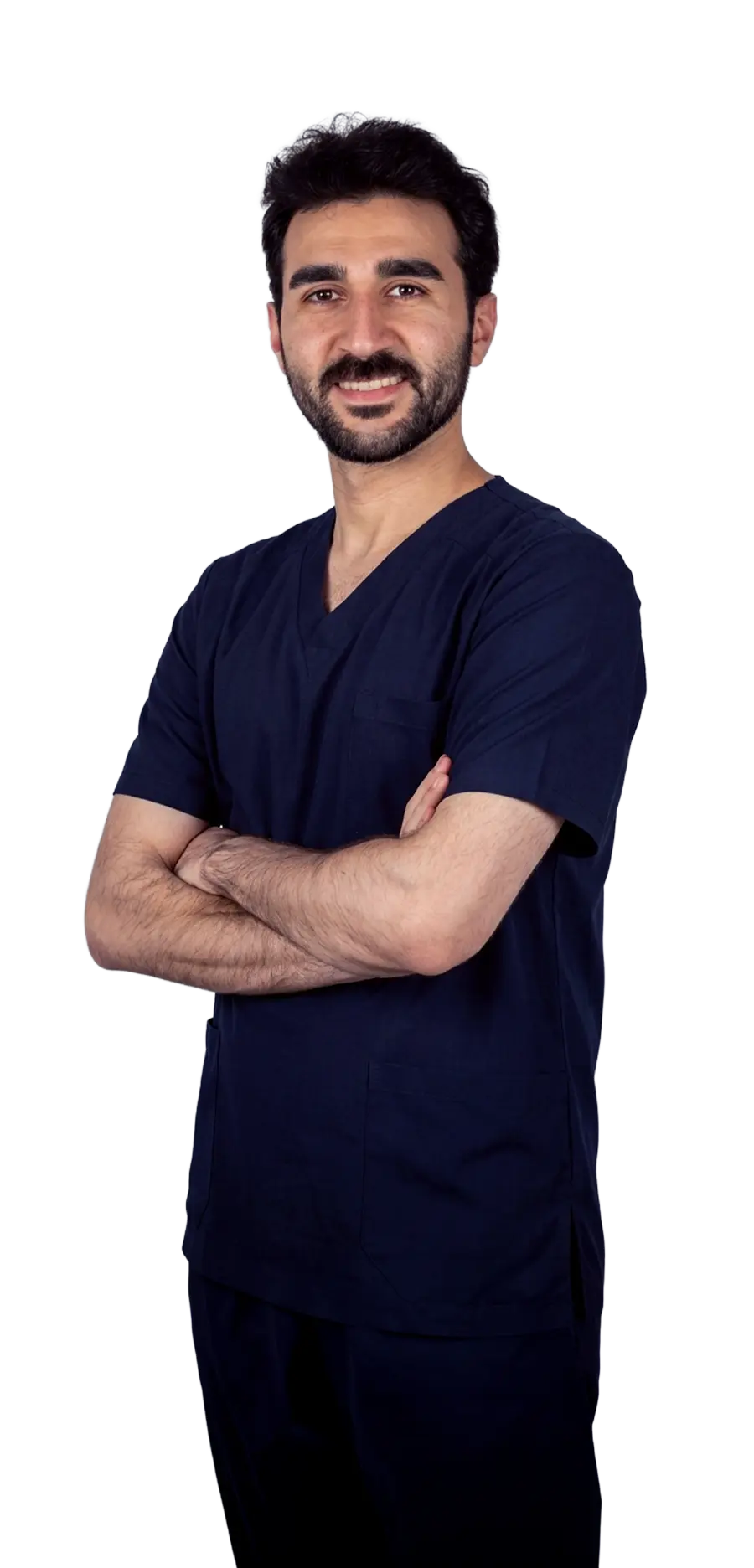
Dt. Ömer Reşat Gültek

Implant Dentistry

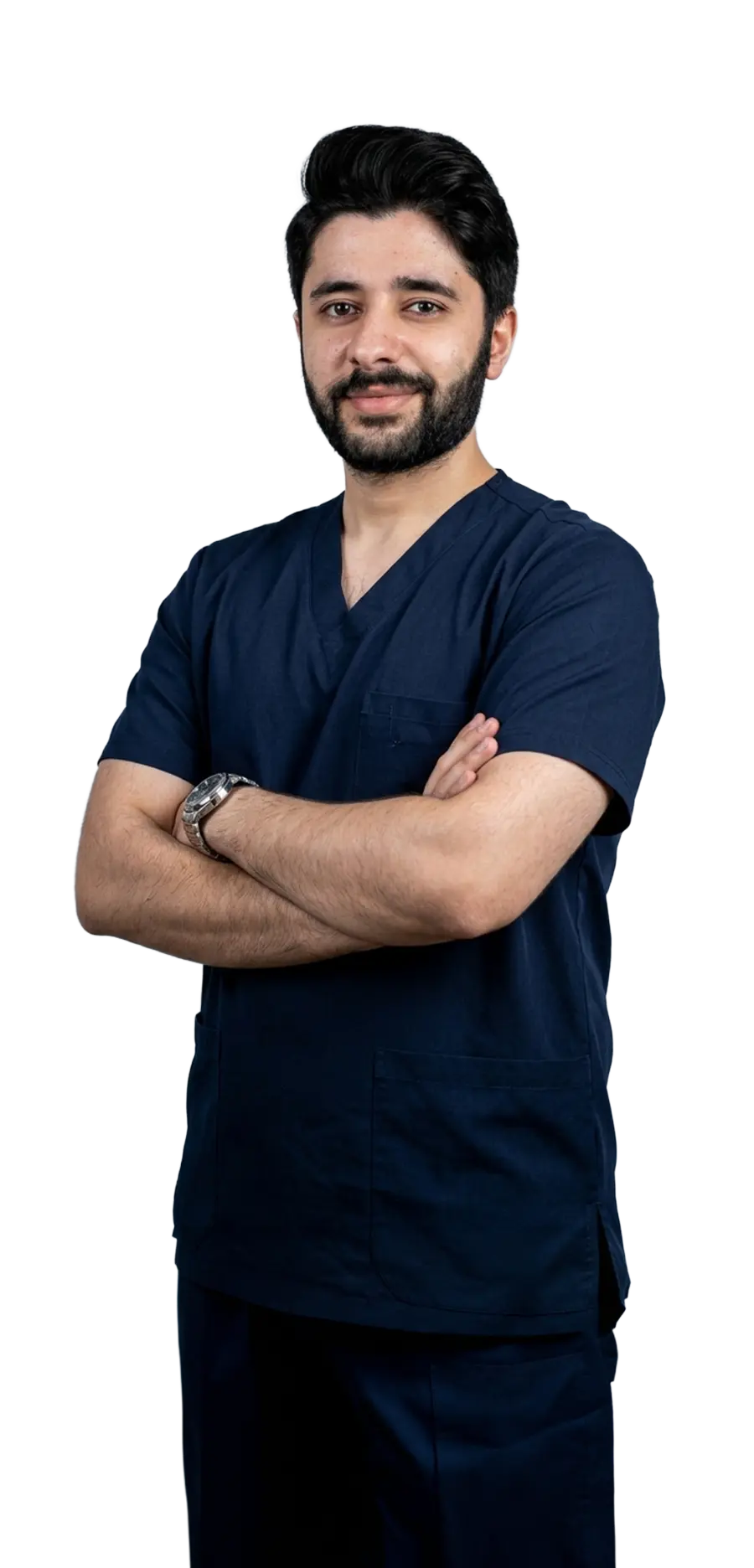
Born in Bandırma in 1995, Dr Ömer Reşat Gültek studied at İnegöl Mediha Hayri Çelik Science High School before turning to dentistry — and he still thinks like a materials scientist. Which ceramic, which technique, which protocol for this particular tooth: those are the questions he takes seriously, and they are why his root canal treatments hold. What patients mention, though, is the manner. He explains as he works, he does not rush, and a single filling gets the same attention as a full arch.


5+
Years experience
1,000+
Treatments

Certificates

  • 2022 TDB ACADEMY — Bruxism and its Treatment
  • 2022 TDB ACADEMY — Treatment of Teeth with Excessive Material Loss
  • 2022 TDB ACADEMY — Digital Approach
  • 2023 — Removable Implant-Supported Prostheses / Prof. Dr. Bülent Gökçe
  • 2023 — Anterior Aesthetic Applications
  • 2024 Erickson Institute of Istanbul — Basic Hypnotherapy
  • 2024 Erickson Institute of Istanbul — Intermediate Hypnotherapy
Cost Transparency

E-max Veneers Cost in Turkey

E-max veneers are €200 each, the same as our other ceramic veneers, so choosing E-max for its translucency adds nothing to the bill. Ten teeth would total €2,000. The overseas comparison sits below, and the tooth count in your quote is agreed from photos before you travel.

*Turkey figures are starting prices from our euro price list; multi-unit rows are unit price × units, not a package, and cover design, mock-up, temporaries and the bonded shell. Extras and the hotel (from €75 a night) are billed separately.

Expert Care in Istanbul

Hospital-grade facility with its own design laboratory.

Advanced Digital Workflow

Digital smile design, scanning and milling in-house.

All-Inclusive Patient Package

Hotel, private transfers, interpreter and 24/7 aftercare coordination.

First-Year Aftercare Included

Coordinator contact, photo reviews and follow-up for twelve months after fitting.

Free Consultation

Are you ready to start your journey to perfection today?

Why Turkey

Is It Worth Going to Turkey for E-max Veneers?

Yes, with one condition: that you are treated by a clinic willing to tell you which teeth do not need a veneer. The materials and the technology are the same ones used in London and Berlin; the design happens in the same building, which is why a shape you are unsure about is changed at the try-in rather than after you have flown home.

why choose turkey for dental 1

Unmatched Case Volume

High case volume means shade matching, smile design and minimal preparation are refined at scale.

why choose turkey for dental 2

Technology Parity

Digital smile design, intraoral scanning and a wax-up trial are standard here, not premium extras.

why choose turkey for dental 3

A Genuine Cost Difference

Lower operating costs can reduce treatment prices without requiring lower-grade ceramics.

why choose turkey for dental 4

Direct Flights to Istanbul

Istanbul is connected to hundreds of international destinations, making treatment travel easier to plan.

why choose turkey for dental 5

English-Speaking Care

International patient teams coordinate the design discussion, try-ins and aftercare in multiple languages.

why choose turkey for dental 6

Documentation You Take Home

Reputable clinics name the material used on every tooth and record the dates.

E-max Pathway

Thin but Strong

Lithium disilicate is roughly three times stronger than feldspathic porcelain, which is what lets it stay thin.

  1. Shade in Daylight

    Translucency Planned

    Because E-max lets underlying colour through, shades are mapped tooth by tooth under natural light.

  2. Minimal Prep

    Strength Allows Thinness

    Because lithium disilicate holds up in thin sections, the drill barely skims the enamel surface.

  3. Pressing

    Heat-Pressed, Hand-Characterised

    Each shell is pressed from an ingot and layered with colour and texture in our lab.

  4. Bonding

    Etched to Enamel

    Acid-etched bonding gives E-max its lasting hold.

E-max Veneer FAQs

E-max Veneers: Strength Meets Translucency

Why E-max veneers can be made thin, what they cost and how long they last.

E-max veneers are thin ceramic shells made from lithium disilicate and bonded to the front of the teeth. The material combines natural-looking translucency with high strength, which allows the veneers to be made very thin while still resisting everyday biting forces. At Natural Clinic they are pressed and finished in the in-house laboratory.

Lithium disilicate is a glass-ceramic that is roughly three times stronger than traditional feldspathic porcelain. It transmits light in a way that resembles natural enamel, so E-max veneers can look lifelike even in thin sections, making them a popular choice when both durability and aesthetics matter.

They are often well suited, because their translucency helps a single veneer blend with the untreated teeth beside it. Matching one tooth is technically demanding, so the shade is taken in daylight and the shell is characterised by hand in the laboratory to mimic the surrounding enamel.

Free Consultation

Are you ready to start your journey to perfection today?

Keep Exploring

Compare E-max With the Alternatives

E-max is one of five veneer materials, and it is not always the right one. Each alternative has its own page — along with the treatments that are sometimes better than a veneer altogether.

Personalised Care, Just for You

Get Your E-max Veneer Plan — Free, in 24 Hours

Send a few photos of your teeth, plus any X-ray you already have. One of our dentists reviews your case and replies with a realistic, itemised plan — which teeth genuinely need a veneer, which call for E-max and which for layered porcelain, how many units, what it costs with hotel and transfers included, and how many days you’ll be in Istanbul. No obligation, no pressure, no cost.

Get My Free Veneer Plan

100% Confidential & Secure

Reply Within 24 Hours

Reviewed by Our Dentists

The Full Picture

E.max: Where the Extra Strength Actually Goes

E-max is chosen for its strength, but strength is not the point — what the strength buys is thinness, and what thinness buys is enamel. Everything worth deciding about an E-max case follows from that chain.

E.max: Where the Extra Strength Actually Goes

7 min read

E.max is one of the few dental materials patients ask for by name. Usually they've read two things about it: that it's stronger than ordinary porcelain, and that it looks more natural. Fair enough, on both counts. Hardly anyone mentions what that strength is actually for, though, or which teeth really benefit from it.
Here's the answer in a sentence. E.max won't make your teeth tougher, but it lets a veneer be made thinner without turning fragile, and on some teeth that makes a big difference to the plan.

A name, not a category

Strictly speaking, "E.max" is a trade name. The product is IPS e.max, a lithium disilicate glass-ceramic made by Ivoclar in Liechtenstein, and it has decades of clinical use behind it. Somewhere along the way the name started being used loosely, and you'll now see clinics call almost any pressed or milled ceramic "E.max".
That matters because the numbers on the page above, including the strength figure, belong to the genuine material. If you're paying for E.max, the paperwork should say so by name, the same way a pharmacy label names the drug rather than just "painkiller".

What "three times stronger" means in practice

It's tempting to picture E.max as the veneer you can crack walnuts with. Nice image, wrong idea. Once a veneer is properly bonded, it behaves as part of the tooth, and the tooth underneath is doing a lot of the work.
The strength earns its keep at the thin bits. Hold a front-tooth veneer up to the light and the biting edge is almost paper-thin at the tip. Make that edge from a weaker ceramic and it has to be thicker to survive. The extra bulk has to go somewhere: either the veneer ends up sitting further forward than your tooth did, or the dentist removes more enamel to make room. E.max can keep that edge thin and it still holds.
So it's most useful on a few particular kinds of teeth:
Canines. When you slide your jaw sideways, the upper and lower canines usually touch first and guide the movement. That puts sideways load on their edges every day, which is hard on a delicate shell.
Edge-to-edge bites. If your upper and lower front teeth meet tip to tip rather than overlapping, the edges of any veneer take direct force.
Worn teeth being lengthened. When teeth have been shortened by years of grinding or acid wear, veneers are often used to add back length. That new length sits beyond the natural tooth, with no enamel behind it, so the ceramic has to carry itself.
On front teeth with a gentle, overlapping bite, the strength difference matters less, and the choice between E.max and hand-layered porcelain veneers comes down more to appearance and the technician's preference.

One block, many translucencies

E.max starts life as an ingot, a small cylinder of ceramic that is softened with heat and pressed into the shape of your veneer. Ingots come in different levels of translucency. Some let plenty of light through. Others are cloudier and hide more of whatever sits underneath.
The choice is made tooth by tooth. A bright, healthy tooth with nothing to hide might get a translucent ingot, so the veneer picks up the natural colour beneath it. A tooth that has darkened slightly might get a more opaque one in the same shade. Done well, this is how a row of veneers ends up looking like a matching set even when the teeth under them started out different colours.
It has limits. A tooth that's very dark, such as one that has darkened since its nerve was removed, may need more masking than a thin E.max shell can provide. That's the job zirconium veneers are designed for.

Pressed, milled, plain or layered

There are two ways to make an E.max veneer, and two ways to finish one.
It can be pressed from an ingot, as described on the page above, or milled by machine from a solid block. Both are genuine E.max. Pressing is often preferred for very thin veneers because it can produce fine, delicate margins, while milling is faster and very consistent.
Then there's the finish. A monolithic E.max veneer is made in one piece and coloured on the surface with stains before it's glazed. It's the strongest version, because there's nothing layered on top. A cut-back veneer is pressed slightly short, and the technician then builds the edge back up by hand with layering porcelain to add translucency and small details. It looks more lifelike close up, particularly on the two front teeth, but the added layer is weaker than the E.max beneath it.
Many smiles use both: monolithic shells on the canines and side teeth, where strength counts, and cut-back shells on the central incisors, where people look first. Ask which finish your plan uses. It says a lot about how the case has been thought through.

Bonding day, step by step

You'll see on the page above that E.max is etched and bonded, not cemented. That sounds like jargon, but it's a big part of why these veneers stay put.
Before the shells come to the chair, the inside of each one is treated with a strong acid. Under a microscope, the surface ends up looking like a tiny honeycomb. Then a thin coat of silane goes on, which lets the resin grab the ceramic chemically as well as mechanically.
In the chair, each tooth is cleaned and lightly etched too. The most important part is keeping it completely dry. Saliva, or even moisture from your breath, can weaken the bond, so the teeth are carefully isolated, sometimes with a thin rubber sheet over the mouth. It isn't the most comfortable part of the day, but it's there for a good reason.
Each veneer is seated with the resin, excess is cleared away, and a blue curing light sets it hard. Finally, your bite is checked with marking paper, and any high spots are polished down. You'll leave with teeth that feel smooth to your tongue, and a bite that should feel natural when you close.

E.max or porcelain: some real examples

It helps to see how the choice plays out in ordinary cases.
Six front teeth, gently overlapping bite, mild staining. Either works well. E.max is the more common choice for a set, because it's consistent and strong. Hand-layered porcelain can look slightly more natural up close in the right hands.
A single central incisor next to natural teeth. This is the hardest match in cosmetic dentistry. A cut-back E.max or a layered porcelain veneer both have a place here, and the technician's skill matters more than the material. The FAQ above touches on why E.max's translucency helps.
Worn, short teeth in someone who grinds. E.max, with a night guard. The added length needs the strength, and the guard protects it.
Ten veneers across a wide smile. Usually E.max, sometimes with cut-back shells on the two central incisors for extra depth.
One very dark tooth among lighter ones. Neither, at least for the dark tooth. That tooth may need an opaque shell, while its neighbours can still be E.max.

Lower teeth, and small teeth

Lower front teeth are narrow and often thin from front to back, so there isn't much tooth to work with. That's one place where a material that can be pressed very thin without losing strength is useful. The same applies to small or peg-shaped upper side teeth, which sometimes need building out rather than covering. In both cases the question is less "which material?" and more "does this tooth need a veneer at all?", which the veneer overview helps you think through.

If one veneer ever needs replacing

Chips happen, even to strong ceramics. A very small one can often be polished smooth. A bigger one usually means a new shell.
Here E.max has a quiet advantage. Because each veneer starts from a known ingot and a recorded set of stains, a lab can reproduce it more predictably than a shell that was built up entirely by hand. It's still skilled work, and the match is never automatic, but the starting point is clearer. Like all ceramic, E.max can't be whitened, so if your natural teeth have been bleached since, the new shell is made to match the veneers beside it rather than the original shade.

When a veneer isn't enough

Sometimes the tooth needs more than a veneer can offer. A tooth that's heavily filled, cracked or badly broken needs to be held together, not just covered on the front. E.max is used for that too, as a full crown rather than a shell, and the E.max crowns page explains when that's the better route.
At the other end, if you're not sure you want ceramic at all, or you'd like to test a new shape before committing, composite can be built directly on the teeth and adjusted or removed later. It won't last as long, but it's a legitimate first step for some people.

Check the name on the paperwork

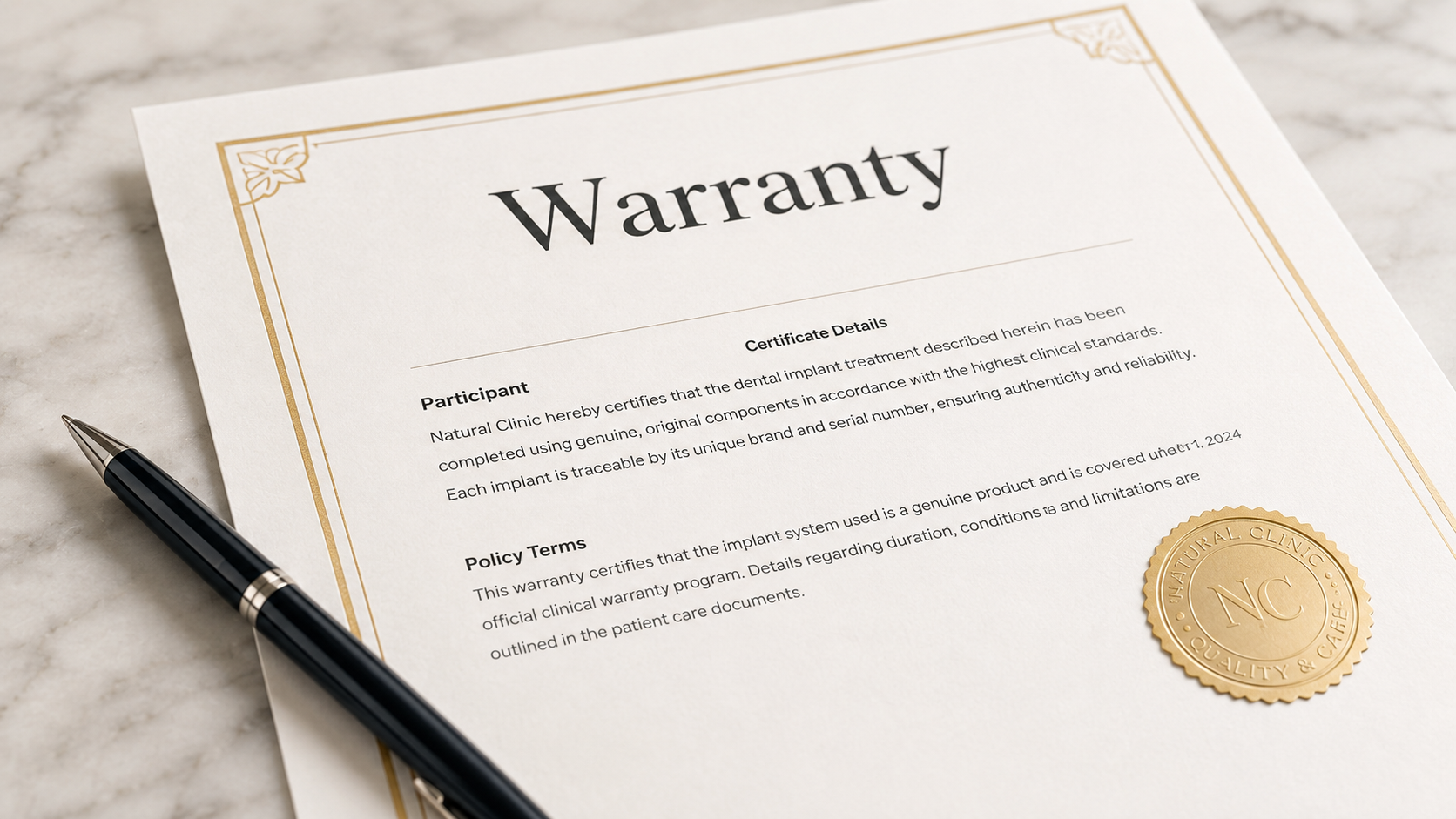
When you finish treatment, look at the guarantee or certificate you're given. It should name the material on each tooth. If your veneers are E.max, the document should say so, ideally with the manufacturer, rather than just "ceramic" or "glass ceramic".
It sounds like a small detail. Years from now, though, if a single veneer chips and a dentist near home needs to replace it, knowing exactly what was used, and how it was finished, makes it much easier to match.

© 2026 Natural Clinic. All rights reserved.

Contact Us
Book Free ConsultationContact Us