 English
 Italiano
 Español
 Français
Liposuction
Liposuction in Istanbul · From €2,500
Diet works everywhere except that one spot? That's what liposuction is for.
Liposuction removes diet-resistant fat and is priced by area: one area is €2,500 and eight areas €6,800. VASER adds €500 and J-Plasma skin tightening €1,500.
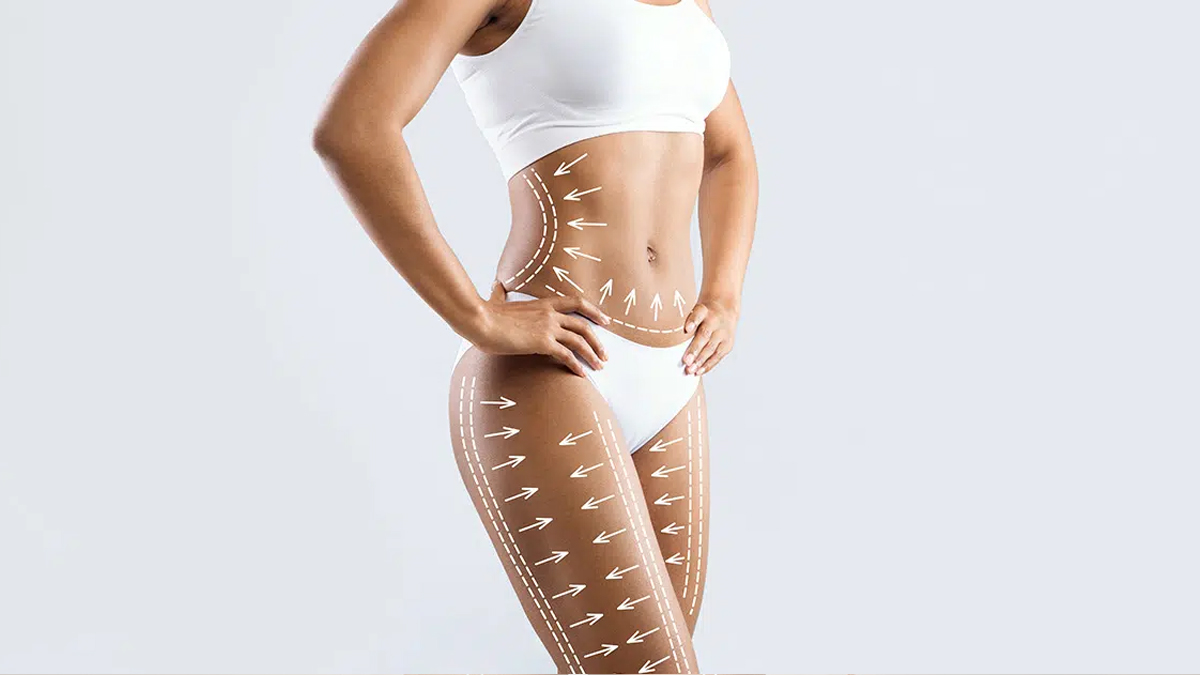
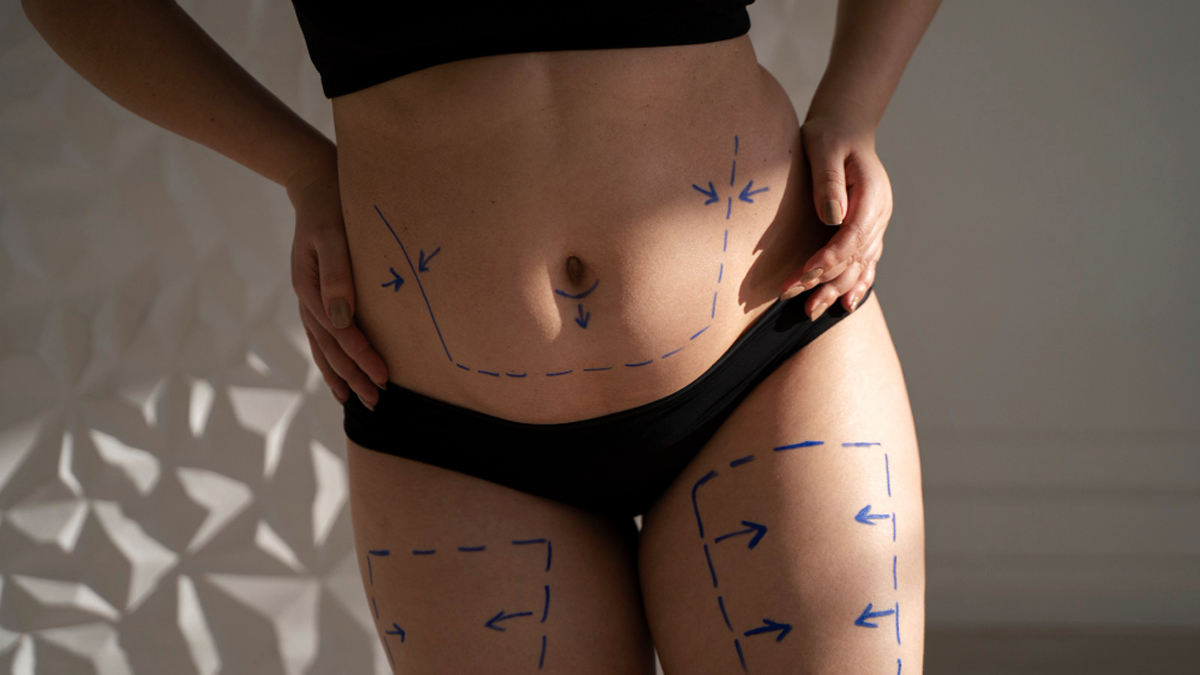
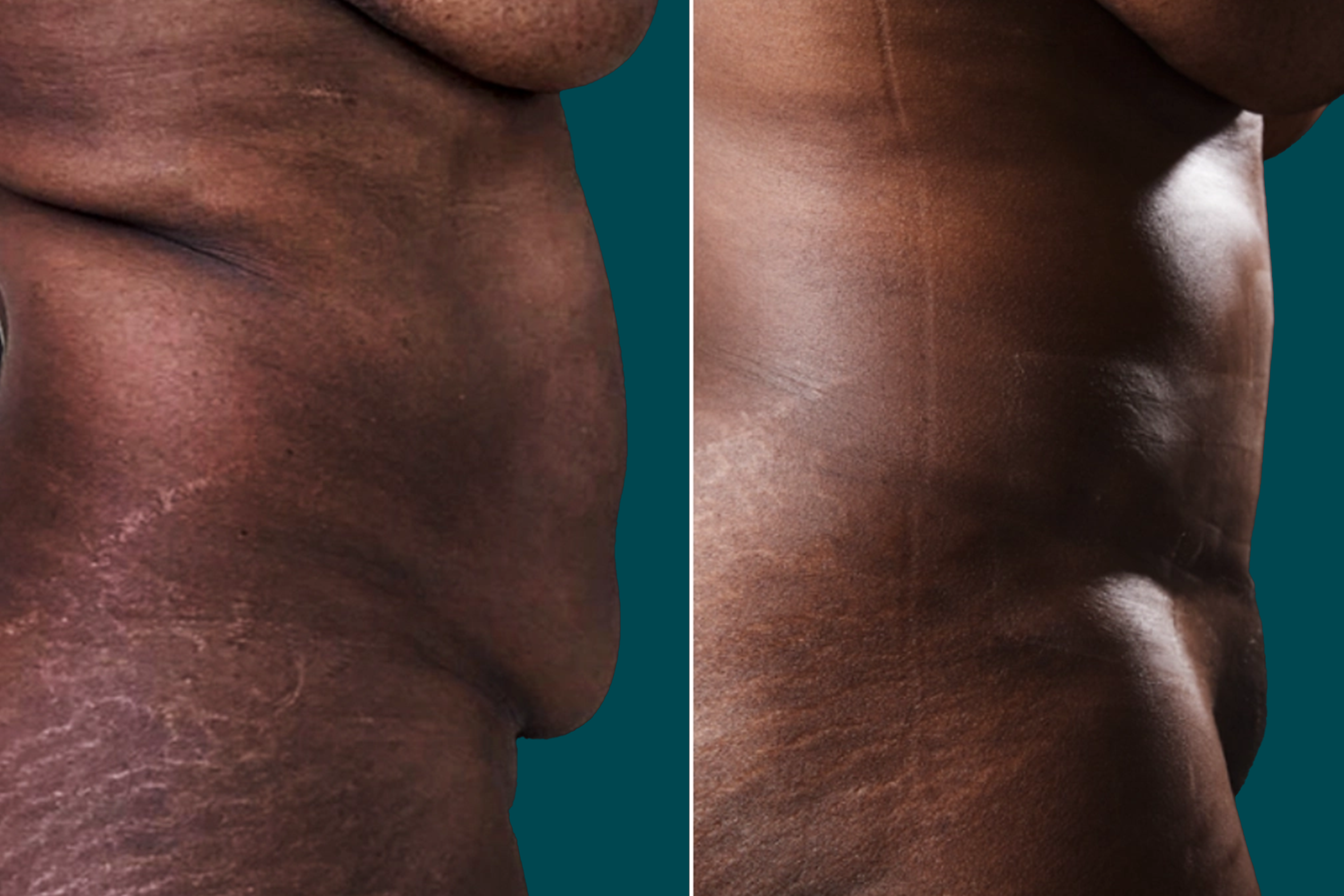
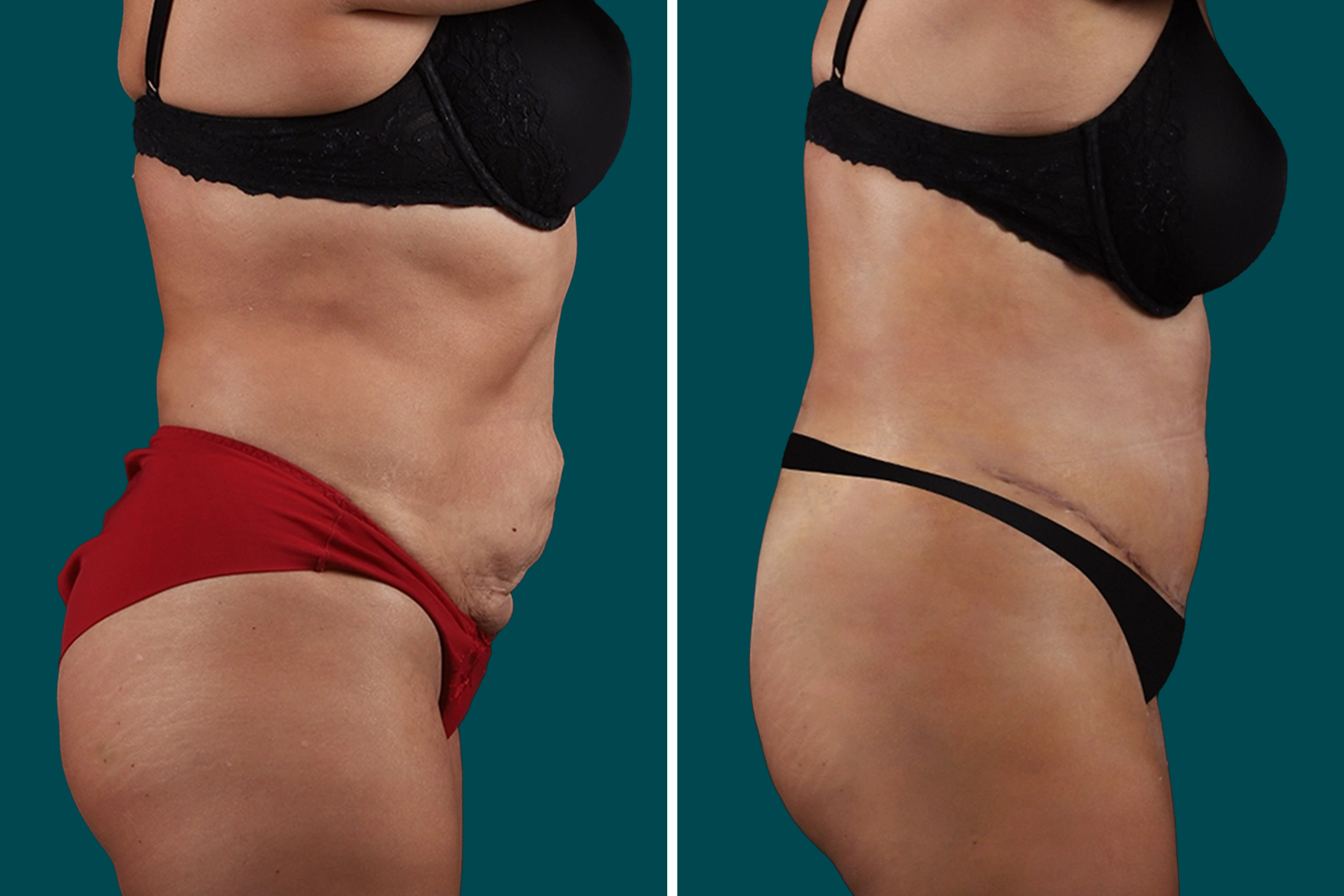
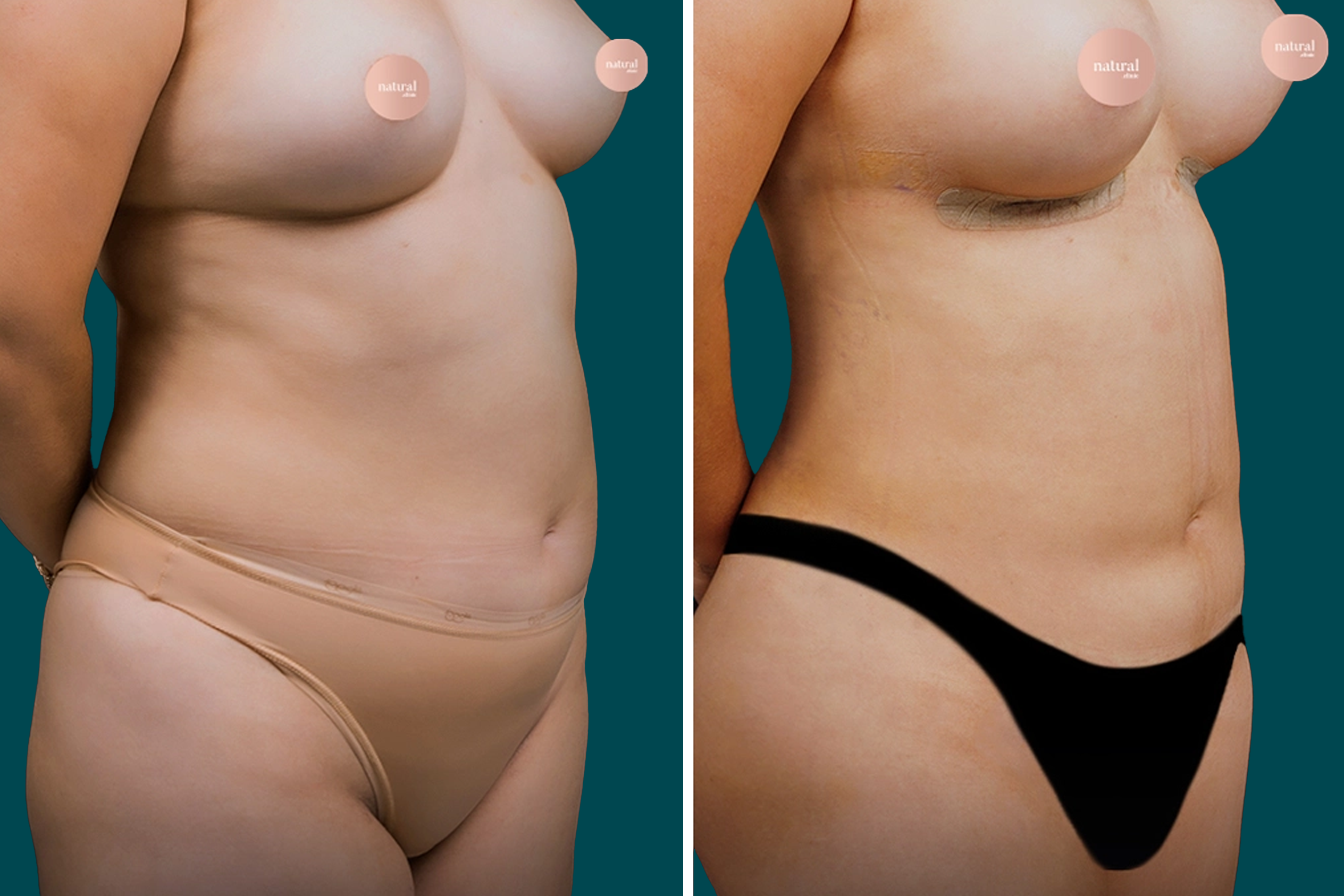
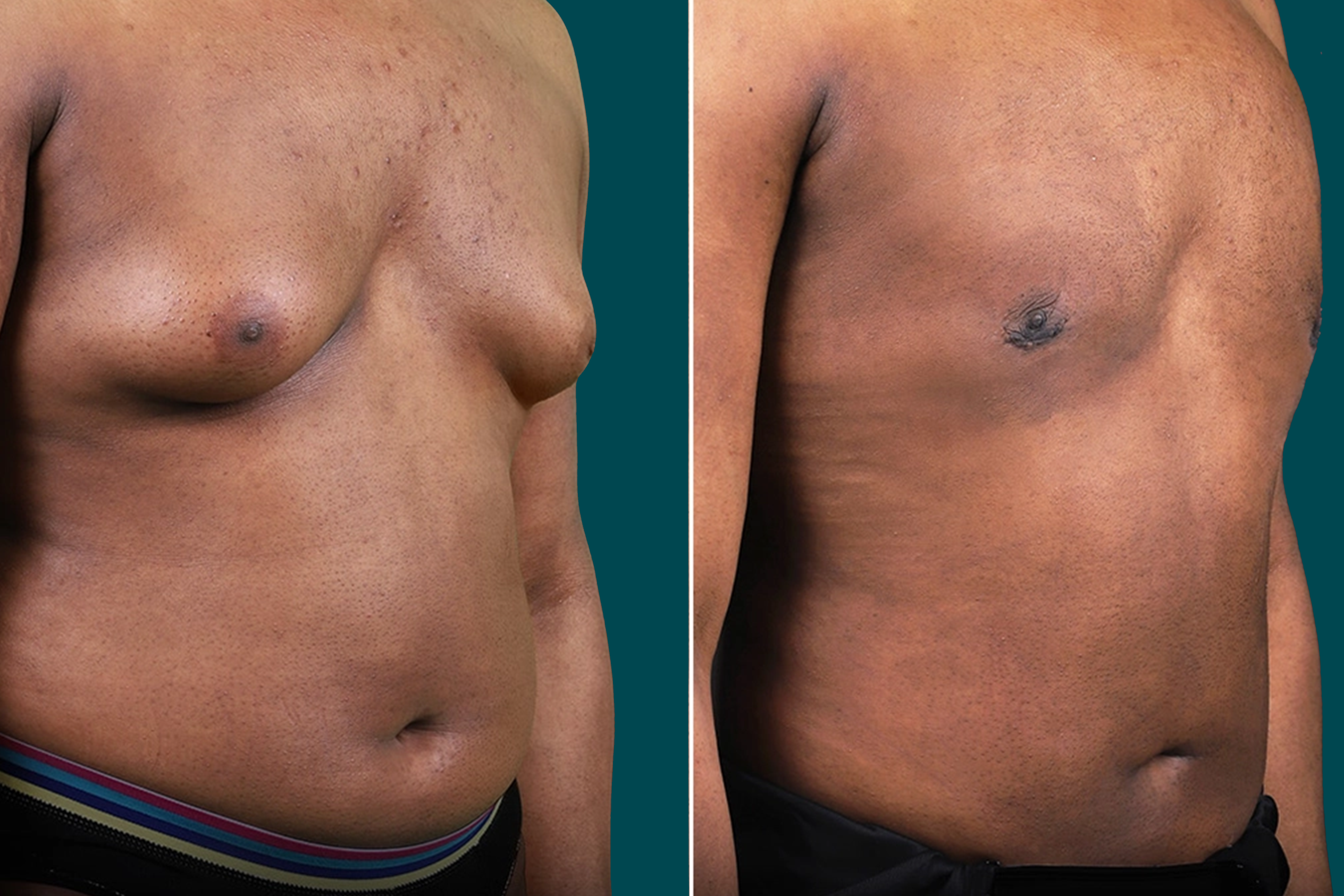
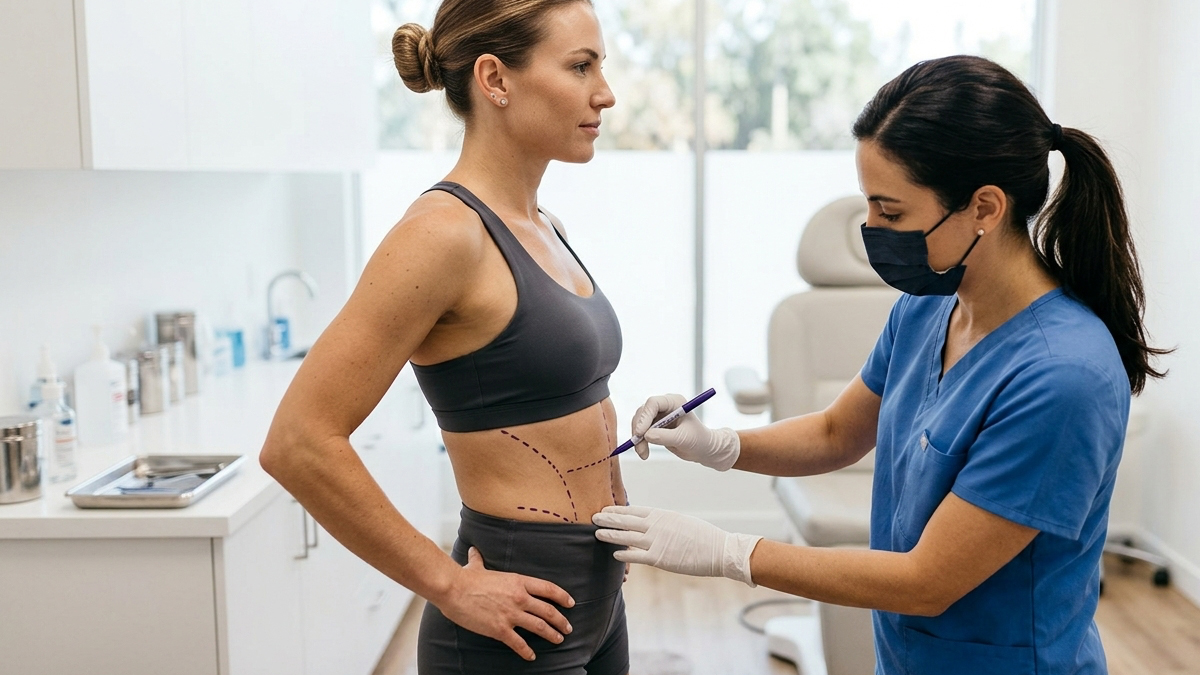
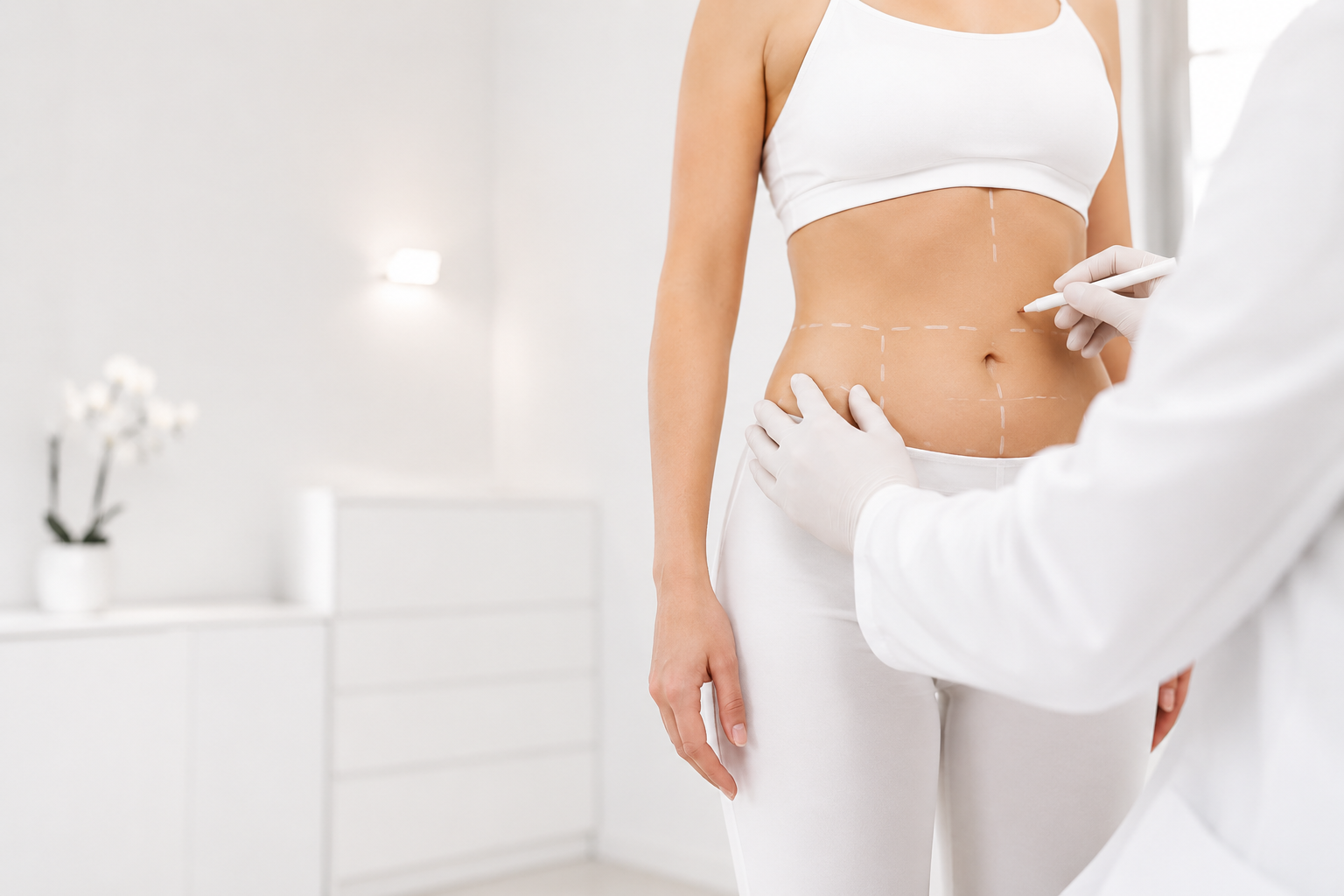
Abdomen, flanks, thighs and arms are the areas you will see most often in our liposuction before and after comparisons. Look for smooth transitions between treated and untreated zones rather than sheer volume lost.
Liposuction
Liposuction
Liposuction
Natural Clinic brings multiple fields of specialised healthcare together under one roof, combining medical expertise, advanced technology and patient-focused care. From hair transplantation and dentistry to facial, body and breast aesthetics, bariatric surgery and reconstructive treatments, every patient journey is managed by experienced medical teams working across disciplines.
Advanced treatments across multiple medical specialties
Experienced specialists working across disciplines
Consultation, treatment, recovery and aftercare coordinated under one roof
Large-scale medical infrastructure in Istanbul
One operation, priced by the number of treatment zones, and eight pages under this one for the areas and techniques people ask about by name. What changes between them is the zone count and what the pinch test finds, not the cannula.
The €500 fee, and when it earns it
Ultrasonic energy loosens fat before it is aspirated, which helps where the tissue is fibrous — the upper back, the male chest, and any area operated on before. It is a fee added to a liposuction, not an operation of its own.
Fibrous or previously operated areas. On soft fat it adds cost without adding much.
The same stay as the liposuction it is added to. No separate recovery.
Etching, and the plane it works in
Fat is thinned over the lines that already exist under your skin and left thicker over the blocks between them. It reveals muscle relief and cannot create it, so it needs a low starting body fat and good skin recoil.
A low body fat with existing muscle relief and skin that recoils. Where neither is present we recommend plain liposuction.
One night in hospital, five nights in Istanbul. Definition reads at three to six months.
Circumferential, not a bigger abdomen
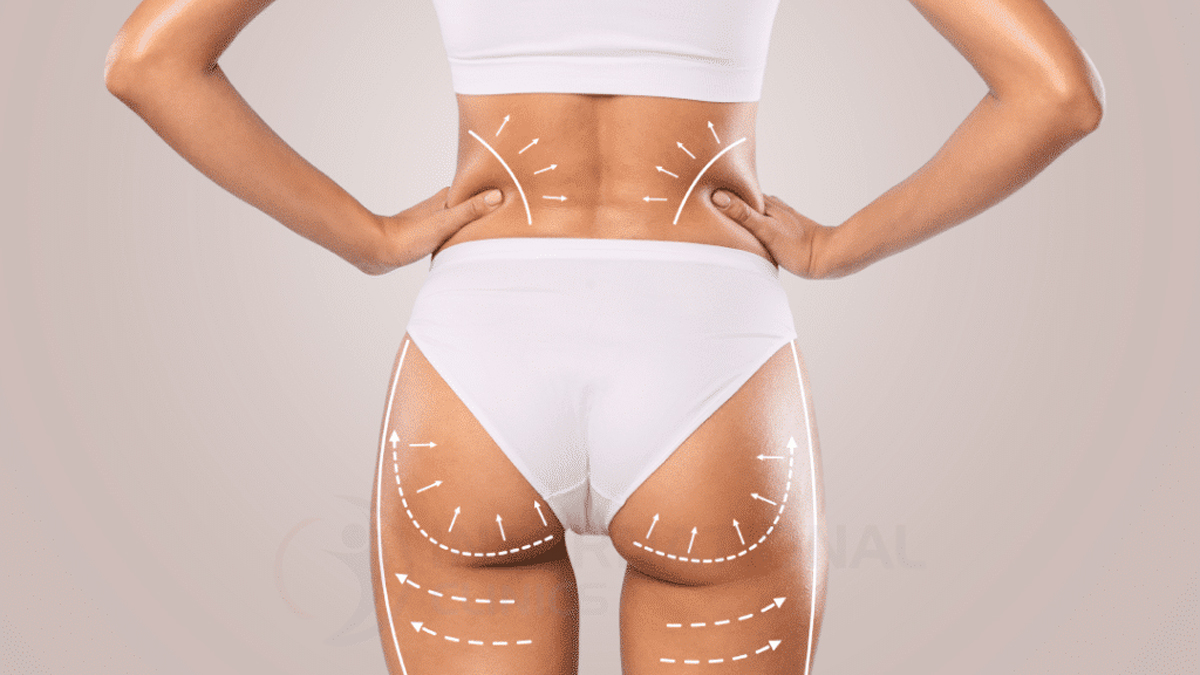
Abdomen, both flanks and the back treated in one operation, so the waist narrows from every angle rather than flattening at the front and stepping at the sides. It is a zone count, not a separate technique.
Fat that continues around the trunk, with skin that recoils on the pinch test at each area.
One night in hospital, six nights in Istanbul from five zones upward. Garments for six weeks.
Two zones, one for each arm
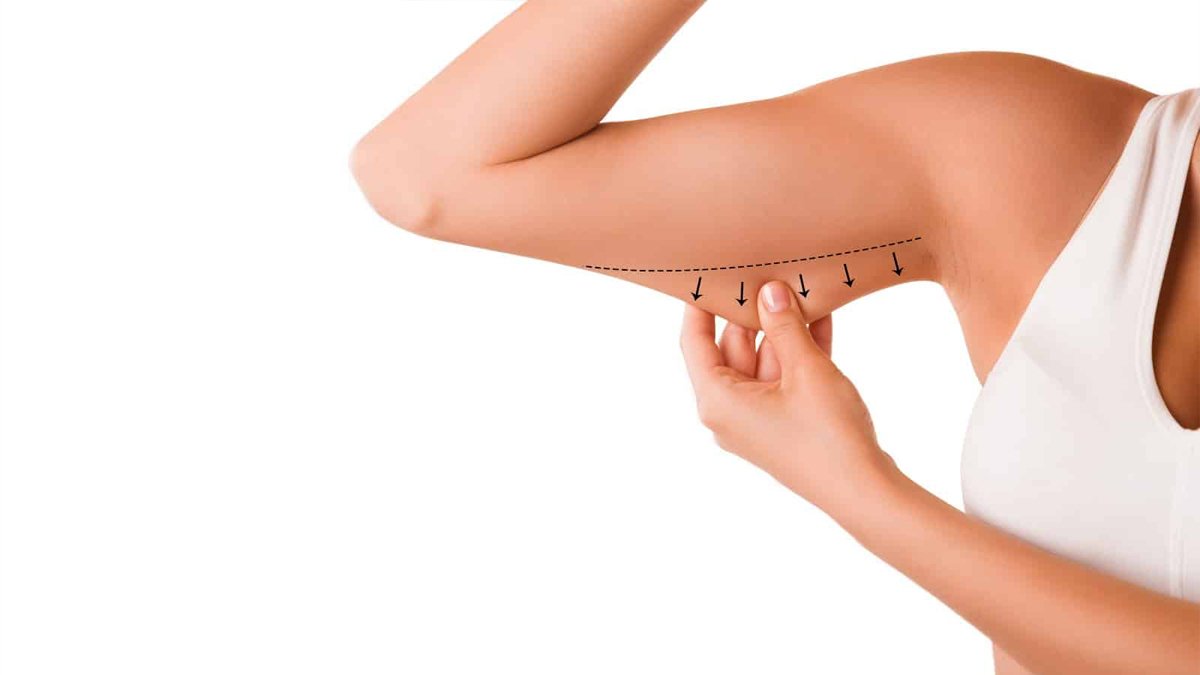
Both arms count as two treatment zones. It removes fat and does nothing to skin, so the pinch test decides: where the upper-arm skin no longer recoils, an arm lift is the operation and the scar is the trade.
Upper-arm fat with skin that springs back when you pinch and release it.
One night in hospital, four nights in Istanbul. Garments for six weeks.
Counted by area, not by limb
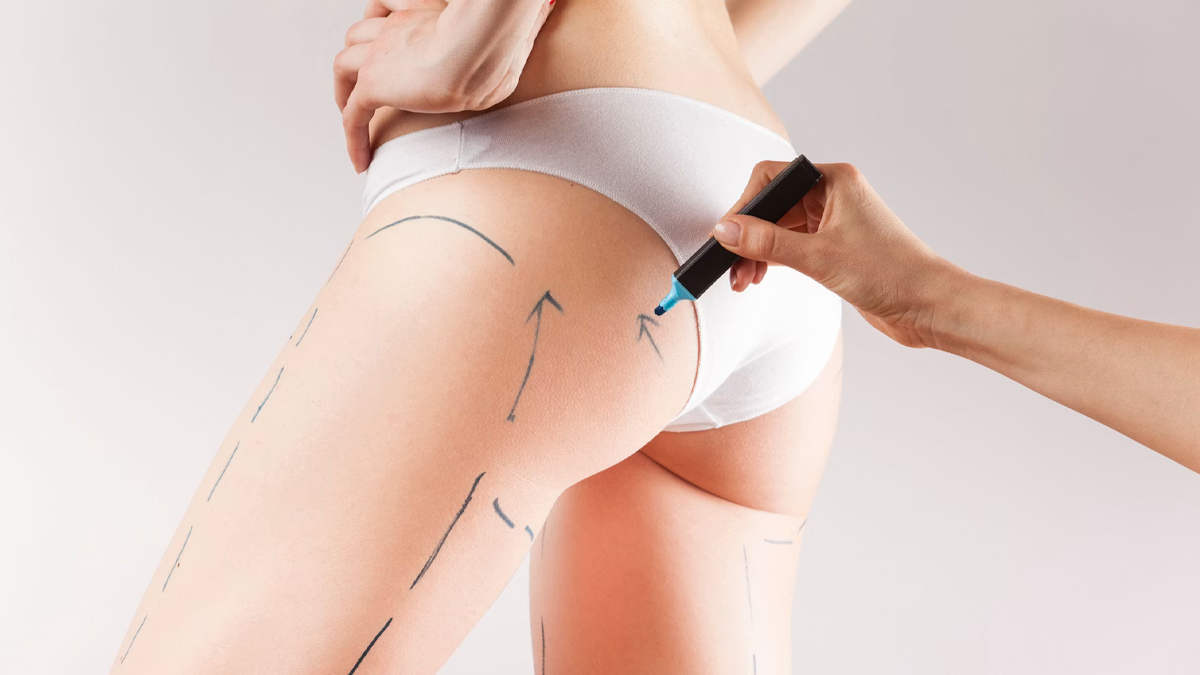
The outer thigh, the inner thigh, the knee, and the calf with the ankle are counted separately, so a leg plan is usually two or three zones rather than one. Swelling in the leg settles more slowly than in the trunk.
Localised leg fat with skin that recoils. Lipoedema is a different condition and is assessed as one.
One night in hospital, four to six nights in Istanbul by zone count. Garments for six to eight weeks.
The densest fat on the body
The back is two zones: the upper back with the bra line, and the lower back. What most people want removed is the discrete, fibrous roll at the band rather than the width of the back — which is set by ribcage and frame.
A localised bra-line roll. Back skin is the best-retracting on the trunk, so excision is needed less often here.
One night in hospital, four nights in Istanbul. You cannot see the area, so someone should check the garment lies flat.
One zone, no hospital admission
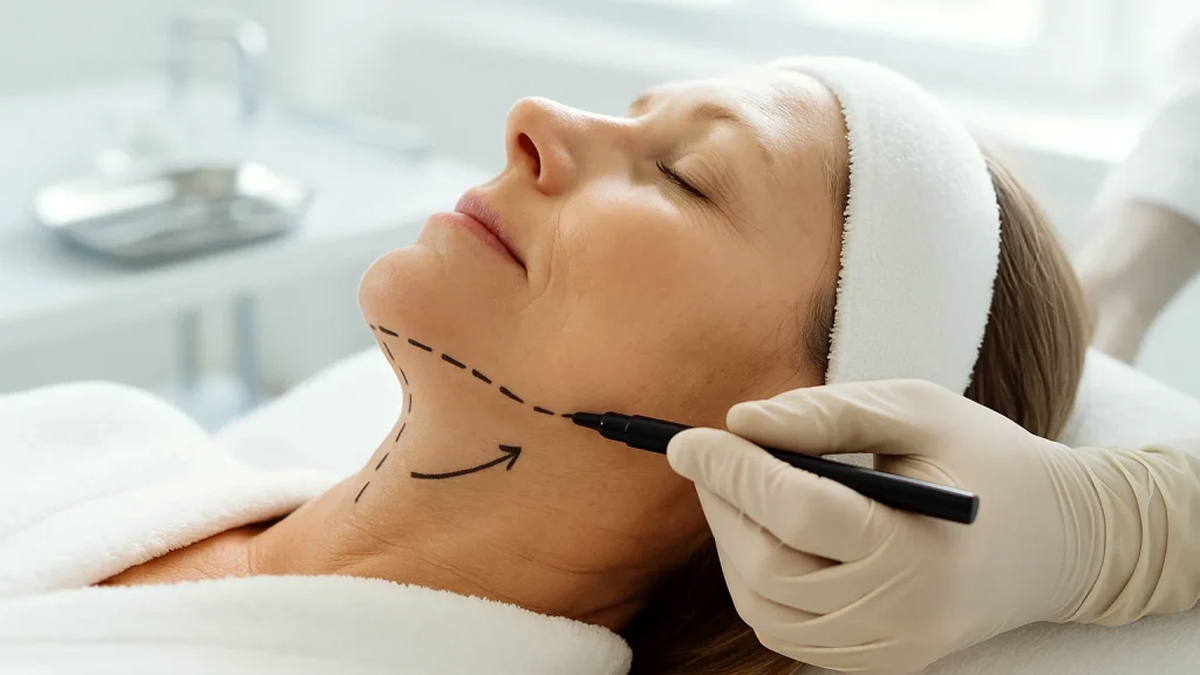
Laser-assisted removal of the fat pad under the chin, where the jawline is blunted by fat rather than by loose skin or a short bone. Where the skin will not retract, a neck lift is the operation instead.
A submental pad with skin that recoils and a jaw of normal projection.
Three nights in Istanbul, no hospital admission. A chin strap for the first weeks.
The abdomen counts as four
The abdomen is four treatment zones, and because they are physically continuous, treating one and leaving its neighbour can leave a visible step. It reaches subcutaneous fat only and cannot touch visceral fat behind the muscle wall.
Subcutaneous abdominal fat that lifts between finger and thumb, with skin that recoils.
One night in hospital, four nights in Istanbul. Garments for six weeks.
Plastic Aesthetic and Reconstructive Surgery
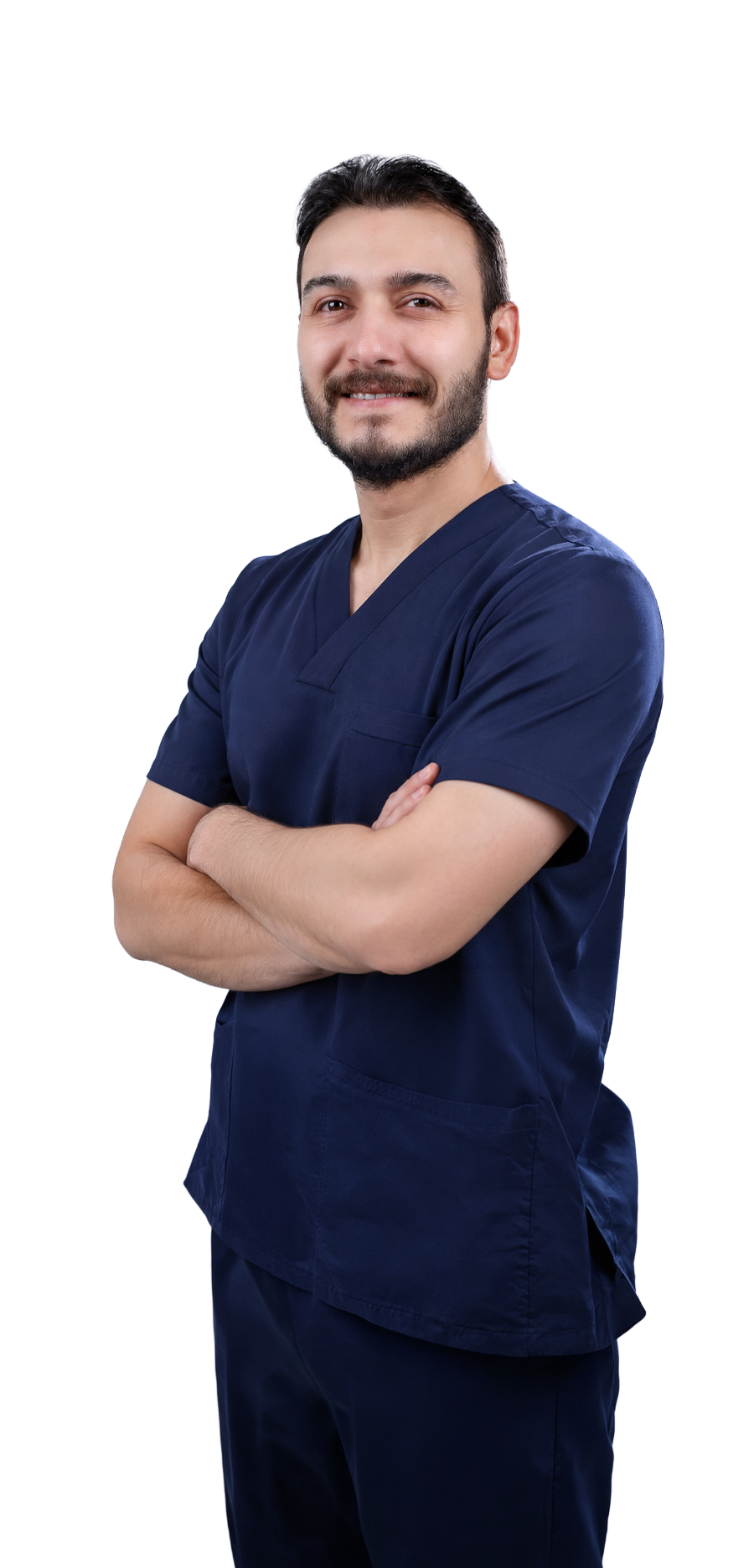
Dr Emre G. qualified in medicine at Uludağ University in 2007 and completed his specialist training in plastic, reconstructive and aesthetic surgery at Bezmialem Vakıf University between 2008 and 2014, with a research post at the University of Wisconsin School of Medicine and Public Health. He has worked in both public hospitals and private practice, and the reconstructive half of that training shows in how he plans an aesthetic case. He practises at Natural Clinic in Istanbul.
Education
Yes, and what to verify has nothing to do with geography. Two questions do the work: how many zones, named individually, and what did the pinch test show over each one?
.png?v=mttw3gcd)
Repetition buys evenness. The commonest disappointment here is a dented or asymmetric result, not a small one.
.png?v=mttw3ztq)
Your plan names each zone, the count, the price that count carries, and the pinch finding.
Lower costs and the exchange rate produce a real difference. Your zone count is still set by examination.
.png?v=mttw4t31)
Four nights in Istanbul up to four zones, six from five upward, and one of them in hospital.
.png?v=mttw54v6)
Every appointment is coordinated in English, Dutch on request, and your interpreter is free throughout.
.png?v=mttw5ilm)
Ministry of Health licence, board registration, logged sterilisation cycles and an independent anaesthesia review, documented before you travel.
From €2,500 for one zone to €6,800 for eight — and every zone is named before you pay.
Pinched close-ups of each area show whether skin can retract once fat is gone.
The plan lists each zone and the price for that count, with VASER (€500) or J-Plasma (€1,500) shown as separate lines.
An independent anaesthesiologist sets how much can safely come out in one session and can stage the rest.
Fat is taken in criss-crossing passes to leave uniform thickness rather than dents.
Infiltration fluid swells the area at first — it's water, not fat, and it drains steadily.
A small proportion of patients benefit from a limited touch-up, discussed at the six-month review rather than promised upfront.
How liposuction is priced by zone and why skin recoil decides whether it will work.
Liposuction is a surgical procedure that removes localised fat through small incisions using a thin tube called a cannula. It reshapes specific areas, such as the abdomen, flanks, thighs or arms, where fat persists despite diet and exercise, improving body contour rather than overall weight.
No. Liposuction is a body-contouring procedure, not a weight-loss method. The amount of fat that can be safely removed usually makes little difference on the scales, and results are best when you are already close to a stable, healthy weight.
Good candidates for liposuction are at or near a stable weight, have localised fat deposits that resist exercise, and have skin that springs back when pinched. People with significant loose skin, very high body weight or certain medical conditions may be better suited to other treatments.
Liposuction at Natural Clinic is priced by the number of zones treated, starting at €2,500 for one zone and rising to €6,800 for eight zones. For comparison, liposuction typically costs around €4,750 to €7,750 in the UK, often for fewer areas.
Each area treated, such as the upper abdomen, lower abdomen, flanks or inner thighs, is counted as a zone. Your written plan names every zone and the price for that total, so you can see exactly which areas are included and how the cost is calculated.
Yes. VASER, which uses ultrasound to loosen fat, is a €500 add-on, and J-Plasma, a technology used for skin tightening, is a €1,500 add-on. Both are listed as separate items in your plan, so the base liposuction price and any additions are clearly shown.
An independent anaesthesiologist sets a safe limit for how much fat can be removed in one session, based on your health and body size. Calf compression devices reduce the risk of blood clots during surgery, and walking is encouraged from the day of the operation.
Common effects include swelling, bruising and temporary numbness. Less common risks include contour irregularities, fluid collection, infection and, rarely, blood clots. Removing fat evenly with overlapping passes and following compression and movement advice helps reduce these risks. Following the compression and walking advice after surgery also lowers the risk of complications.
Yes, if skin elasticity is poor. Removing fat from beneath skin that cannot contract can leave it looser or more uneven than before. This is why the pinch test and skin assessment are essential, and why a lift or tuck is sometimes recommended instead.
Before fat is removed, a solution containing saline, a local anaesthetic and a medicine that constricts blood vessels is injected into the treatment area. This tumescent fluid reduces bleeding and discomfort and makes the fat easier to remove, but it also causes temporary swelling afterwards.
The length of stay depends on how many zones are treated and whether liposuction is combined with other procedures. Your written plan confirms the number of nights, allowing time for early review of swelling and compression garments before you travel home.
Desk work is usually possible within one to two weeks after liposuction, with the exact timing depending on how many zones were treated. Short walks are encouraged from the first day, whereas gym sessions and strenuous activity are reintroduced step by step over the following weeks. Wearing the compression garment as directed makes this period more comfortable.
In the first days after liposuction, the treated areas are swollen with residual tumescent fluid and inflammation, so they can look larger rather than smaller. This fluid gradually drains and is absorbed, and the new contour becomes visible as swelling subsides.
Liposuction results emerge in stages. The treated areas look swollen at first, then gradually slimmer as fluid clears; by about six weeks much of the change is visible. Fat that was removed does not come back, and the refined contour is usually judged between three and six months after surgery.
Most people do not, but a small proportion may benefit from a limited touch-up to refine an area once swelling has fully settled. This is discussed at the six-month review, rather than planned in advance, so any decision is based on the final result.
The first four are the operations we send people to when the pinch test says the skin will not retract — and on three of the four the lift costs the same or less than the zone count it replaces.
Personalised Care, Just for You
Send a photograph standing straight on, one from each side and one from behind, plus a close photograph of the skin over the area held between two fingers — that last one is the pinch test. A body surgeon replies with the zones by name, the count they add up to and the price that count carries. Where the skin will not retract, the plan recommends a lift instead.
Get My Free Surgical Plan100% Confidential & Secure
Reply Within 24 Hours
Reviewed by Board-Certified Surgeons
Sold by technology name, priced by the number of zones treated. Once you know that, every quote in the market becomes readable — including ours. And liposuction does not tighten skin; the test for that takes five seconds.
People usually ask about liposuction in terms of what they'll lose. A few centimetres off the waist. The bulge above the knee gone. That's understandable, but we find it more useful to ask what happens to the fat: where it was sitting, how it gets taken out, and how the rest of your body behaves once it's gone. Most good and bad results trace back to one of those three.
So this page follows the fat. If you're weighing up liposuction in Turkey, it should answer most of the questions that come after "how much".
Not all fat is the same fat. There's the fat just beneath your skin, the stuff you can get a handful of. Then there's fat deep inside the abdomen, packed around the bowel and liver, which no cannula will ever touch.
A quick self-check gives you a rough idea. If your tummy is soft and folds over when you sit, there's plenty of the reachable sort. If it's round and firm, and pressing on it feels like pressing on a drum, much of it is internal, and the answer there is losing weight, perhaps with help from weight loss surgery.
Where the reachable fat collects is largely inherited. Your parents' hips, your father's love handles. That's why some areas refuse to shift however well you eat, and those areas are exactly where liposuction earns its place.
The first step isn't suction at all. The surgeon begins by filling the area with fluid. It's mostly salt water, mixed with local anaesthetic and adrenaline, and the medical name for it is tumescent fluid. Once it's in, the area goes numb, bleeds less and gives up its fat far more easily.
The surgeon then needs a way in, usually two or three cuts no bigger than a few millimetres, hidden in a skin crease or under the knicker line. Through these the cannula, a slim metal tube attached to suction, is worked back and forth through the fatty layer. A careful surgeon criss-crosses each area from two or more entry points, which is how you end up with an even layer instead of grooves.
Tougher fat needs more effort. On the upper back, on many men's flanks and in anywhere that's been operated on before, the tissue can be dense and gristly. Ultrasound applied first can loosen it, and that's all VASER liposuction really is. On soft fat it adds cost without adding much.
Not as much as most people imagine, and we'd rather say so now. What limits it isn't how much fat you're carrying. It's how long you can safely be asleep, how much fluid your body can handle going in and coming out, and how well your heart and blood cope. Our anaesthetist looks at your health and your blood results and sets the maximum for a single session, independently of the surgeon.
Where the plan exceeds that, it shrinks, or we split it over two visits. This is also why you shouldn't think of it as weight loss. Plenty of people see a big change in the mirror and barely any on the bathroom scales.
Not in the same spot. Once a fat cell is suctioned out, it's gone for good, and your body doesn't replace it.
Weight gain still finds somewhere to go, though. Put on a lot of weight after surgery and the fat cells you've still got get bigger, which tends to show most in places that were never treated. Some patients who gain weight later say it went to their arms, their back or their face. Keep your weight roughly steady, and the new shape stays.
We'd like your weight to have been level for about six months before you come, and close to where you want it to stay. Losing weight right now, through dieting or with injections? Wait for it to settle first. Otherwise you're sculpting something that's still moving.
Machines that freeze or heat fat through the skin get a lot of advertising. For a small pocket, say a little bulge on the lower belly, a course of sessions can shrink it somewhat, with no anaesthetic and no time off. For anything bigger they fall well short of surgery, and how much they achieve varies from person to person. Occasionally the frozen area does the reverse and grows firmer and larger instead, which is rare but worth knowing about.
If the problem really is one small spot and surgery isn't something you want, by all means try them. If you're hoping for a visible change across a whole area, surgery is the more dependable route.
Same operation, different wish lists. Women usually point at the lower tummy, the hips, the thighs inside and out, and the roll near the bra strap. Men tend to point at the love handles, the belly below the navel and sometimes the chest. On the chest, a lump that looks like fat can turn out to be breast gland, and that needs a different operation.
Men's fat is often firmer, particularly on the flanks and back, so their operations can take a little longer and more often involve ultrasound. Women's skin over the thighs and abdomen is more likely to have been stretched by pregnancy, which makes the pinch test matter even more. Either way, the plan for liposuction in Turkey is built area by area, because two parts of the same body can give two different answers.
All of this assumes the skin over the area will shrink once the fat is gone. Young, elastic skin usually does. Skin stretched by pregnancy or big weight loss often doesn't, and removing fat from underneath it leaves the same skin with less to fill it.
That's what the pinch test at the top of this page is checking. If it fails below the belly button, we'll talk to you about a tummy tuck instead, since that removes the loose skin and repairs stretched muscle at the same time. Skin that's only slightly lax can sometimes be helped by adding J-Plasma (€1,500) to the liposuction. Skin that's properly lost its bounce can't.
When you wake up you'll already be wearing a compression garment. It stays on almost all the time for the first few weeks, coming off only for showers. It feels hot and restrictive at first. Within a few days most people find they'd rather keep it on.
Don't be thrown if you look bigger at first. The fluid put in during surgery takes a while to leave. On the first day some of it seeps out through the little cuts, so expect damp dressings, and the rest is absorbed over the following weeks. Around half the puffiness has usually cleared by the six-week point.
Get up and walk on the day of surgery, then keep walking. If only a few zones were treated, you'll probably be at your desk again in about a week; after a larger session, give it two. Hold off on the gym for four to six weeks. Most bruising has cleared within two or three, though odd numb or tingly patches can hang around for a few months longer.
Six weeks in, you're looking at an early version. Over the following three to six months the last of the swelling goes and the skin firms up, and that's when the outline is worth judging. That's when we review it with you.
A small proportion of people have a slightly uneven area that benefits from a limited touch-up. We talk about it when we review you at six months, and we don't promise it beforehand, because many small irregularities settle on their own.
When liposuction disappoints, the complaint is rarely that too little was taken. Much more often it's a dip, a ridge, or one side that doesn't quite match the other. Most of that comes down to technique, so we care more about leaving an even layer than about how many litres end up in the jar.
Other problems that sometimes happen, and usually settle, include fluid pooling under the skin, swelling that drags on, and skin that feels different for a while. Serious problems are rare. Blood clots are the one we guard against hardest, with calf pumps during surgery, early walking, and a flight date set by the surgical team. Very rarely, fat can enter the bloodstream. Risk rises with the number of zones and the length of surgery, which is one more reason the anaesthetist's limit exists.
Different parts of the body bring different questions, and each one has a page. If it's your tummy, start with belly liposuction, which also explains when a tummy tuck makes more sense. If it's your whole waistline, 360 liposuction goes all the way round. Arms, legs, back and chin each have their own page too, and HD liposuction covers the very different goal of showing off the muscles underneath.
The only thing that changes the price is how many zones are treated. A single zone costs €2,500. Each zone after that adds roughly €600, so two come to €3,100, three to €3,700 and four to €4,300, with eight topping out at €6,800. Adding VASER ultrasound costs €500, and J-Plasma €1,500. Your written plan lists each zone by name, along with the pinch-test finding for each area.
A stay of four nights in Istanbul covers up to four zones. From five zones upwards you'll need six, and one of those nights is on the ward either way. The table above sets our prices beside UK, German and American ones. When comparing, ask other clinics to list their zones by name. Without that, two quotes for "liposuction" can describe very different amounts of work.
Our gallery above covers the abdomen, flanks, thighs and arms. Look at the edges of each treated area. Where liposuction has gone well, you can't see where the treated area stops and the untreated skin begins. Reviews are most useful when the patient waited three months or more before writing, because before that the swelling is still in the way. Apply the same thinking to before and after photos. Find out how long after surgery the second one was taken, and compare the lighting and the way the person is standing.
Send photos standing straight from the front, both sides and behind, and a close photo of each area with the skin pinched between finger and thumb. Tell us your current weight and whether it has been stable. Our Istanbul surgeons will come back to you with the zones by name, the count, the price and, where the skin won't follow, a straight recommendation for something other than liposuction in Turkey.

© 2026 Natural Clinic. All rights reserved.