

Google Reviews|4.6/5

Porcelain Veneers in Istanbul · €200 Per Tooth

Porcelain Veneers in Turkey

Whitening didn't shift the stains? Porcelain covers what bleach can't reach.

Porcelain veneers mask deep discolouration, worn edges and uneven shapes with a stain-resistant ceramic surface that typically lasts 10 to 15 years. Each veneer is €200, and your dentist designs the shade and length with you before any preparation. 

100,000+Happy Patients
80+Countries Served
One VisitNo Second Trip Needed
4.6Google Rating
Porcelain Veneer Results

Porcelain Veneer Before & After

Stains, wear and uneven edges disappear under stain-resistant ceramic in our porcelain veneers before and after cases. A smile line that follows the lower lip is the sign of good design.

Dental Veneers-Porcelain Veneers 2

Porcelain Veneers

Dental Veneers-Porcelain Veneers 3

Porcelain Veneers

Dental Veneers-Porcelain Veneers 4

Porcelain Veneers

Patient Stories

Porcelain Veneer Patient Reviews

Bleaching never lifted their stains, so these patients turned to porcelain veneers. Their stories cover picking a shade during the design session and how the ceramic still looks today.

Minimal-Prep Veneers in Turkey | Preserve Natural Teeth
No-Prep Veneers Before & After | Preserving His Natural Teeth

Free Consultation

Are you ready to start your journey to perfection today?

About Natural Clinic

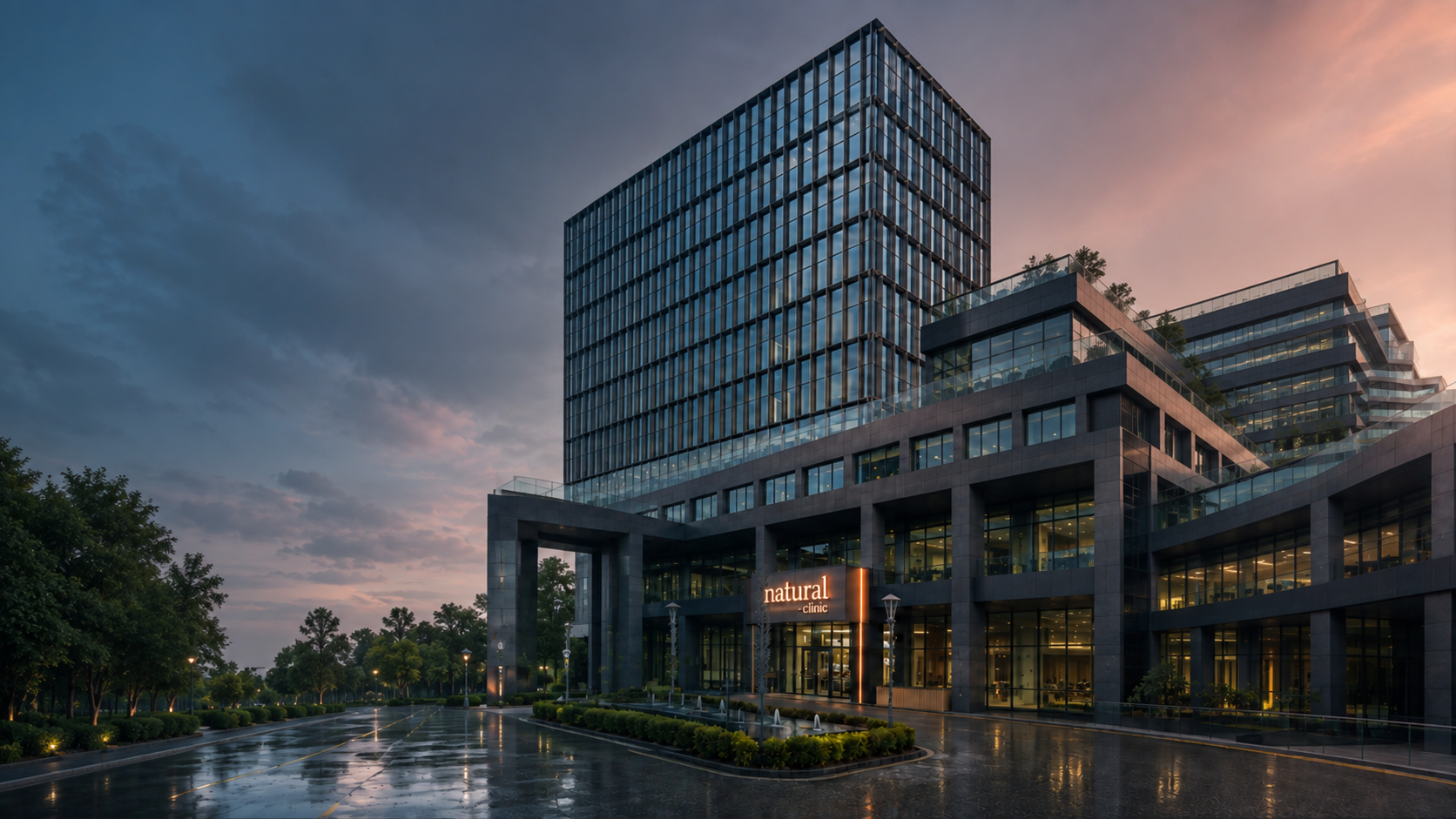
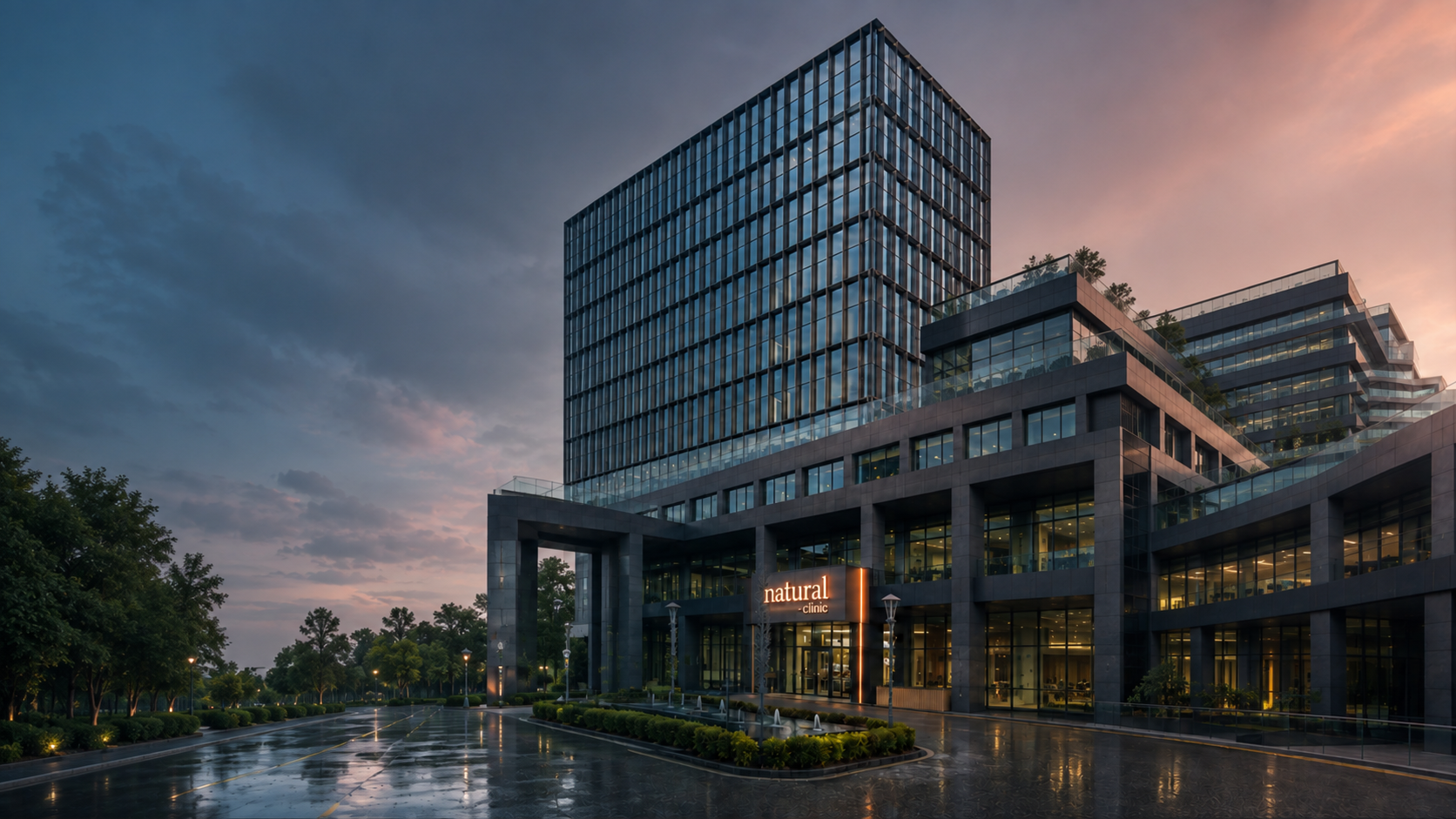
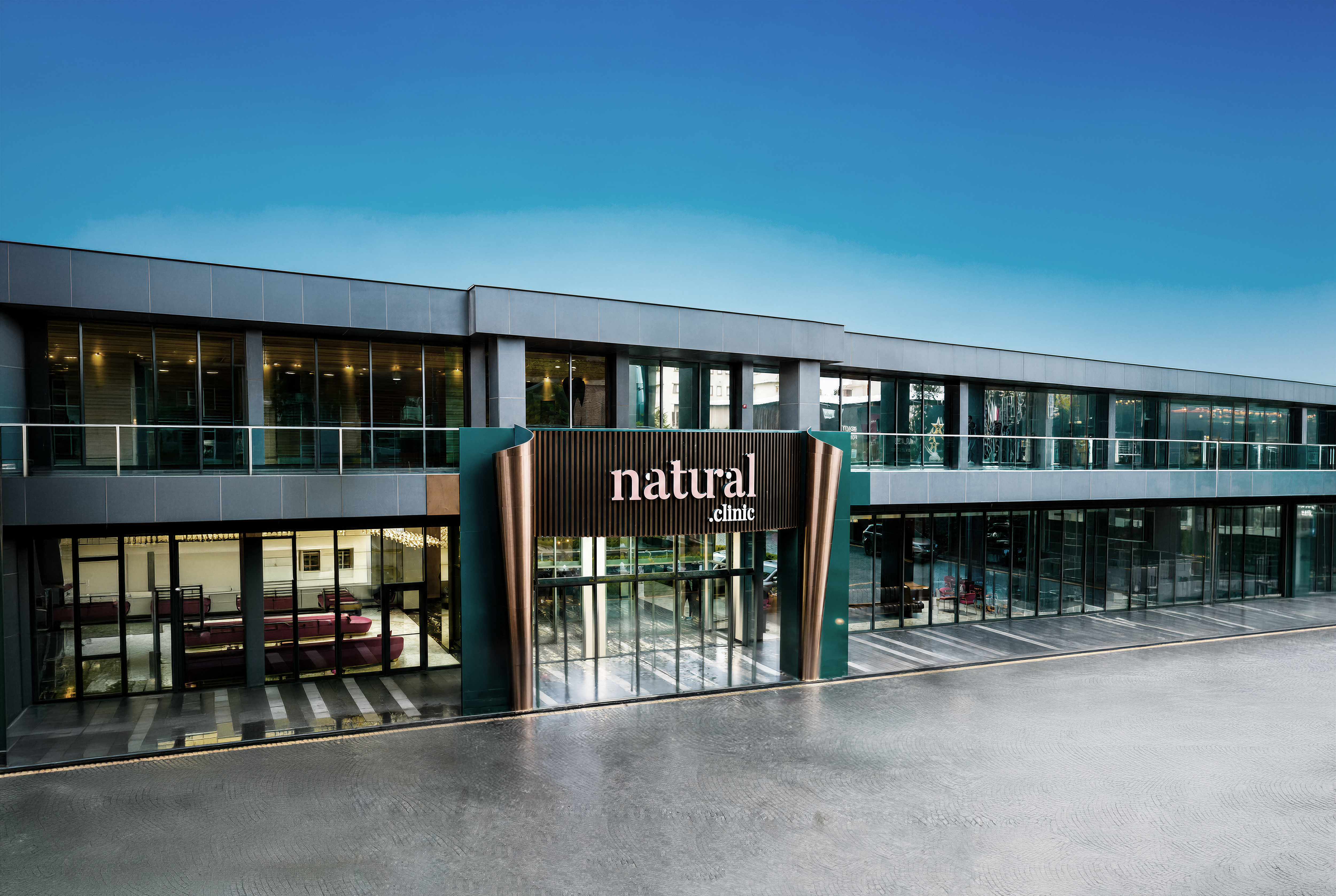
A Multidisciplinary Medical & Aesthetic Hospital in the Heart of Istanbul.

Natural Clinic brings several specialist fields together under one roof: hair transplantation, dentistry, facial, body and breast aesthetics, bariatric surgery and reconstructive treatments. Cross-disciplinary medical teams, multilingual coordination and internationally recognised safety standards carry each patient from consultation and treatment planning through to recovery and aftercare.

1200+ Operations Monthly

Advanced treatments across multiple medical specialties

50+ Medical Professionals

Experienced specialists working across disciplines

360° Patient Care

Consultation, treatment, recovery and aftercare coordinated under one roof

150+ Daily Operation Capacity

Large-scale medical infrastructure in Istanbul

The Treatment

What a Porcelain Veneer Actually Is

A shell of ceramic three to seven tenths of a millimetre thick, bonded to the enamel on the front of your tooth. Two things set how long it lasts, and both are settled before a drill is picked up: how much enamel is left underneath, and how carefully the shape was agreed.

Porcelain-Crowns

Feldspathic & pressed ceramic

The Porcelain Veneer

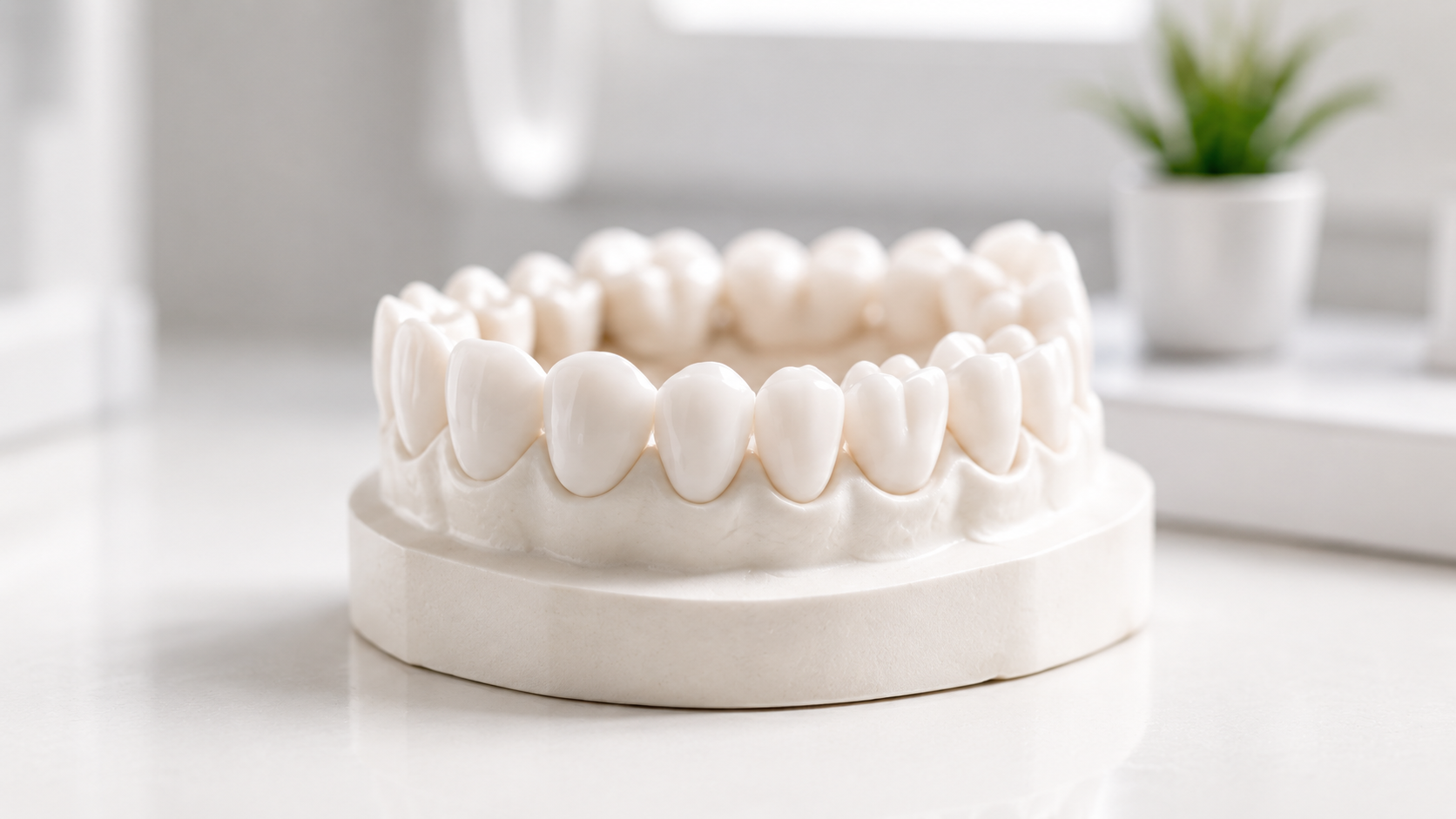
Composite is sculpted onto your tooth in the chair, by hand, in one appointment. Porcelain is pressed, layered and glazed on a model of your mouth first, then bonded on — which is why the surface behaves like fired glass rather than filling material. Behind the resin-to-enamel bond that holds it there sit more than thirty years of clinical data.

Best suited for

Discoloured, chipped, worn or slightly misaligned front teeth that still have enamel.

Typical timeline

One visit, 5 nights in Istanbul: design, mock-up, preparation, try-in, bonding.

  • 0.3–0.7 mm removed, and kept inside enamel wherever possible
  • Shape and shade approved in a trial mock-up before any preparation
  • Made in our own laboratory, so a correction is hours rather than another flight
  • Typically 10 to 15 years, longer with a night guard and clean margins
Meet the Dentists Who Will Treat You
Dt-Omer-Resat-Gultek

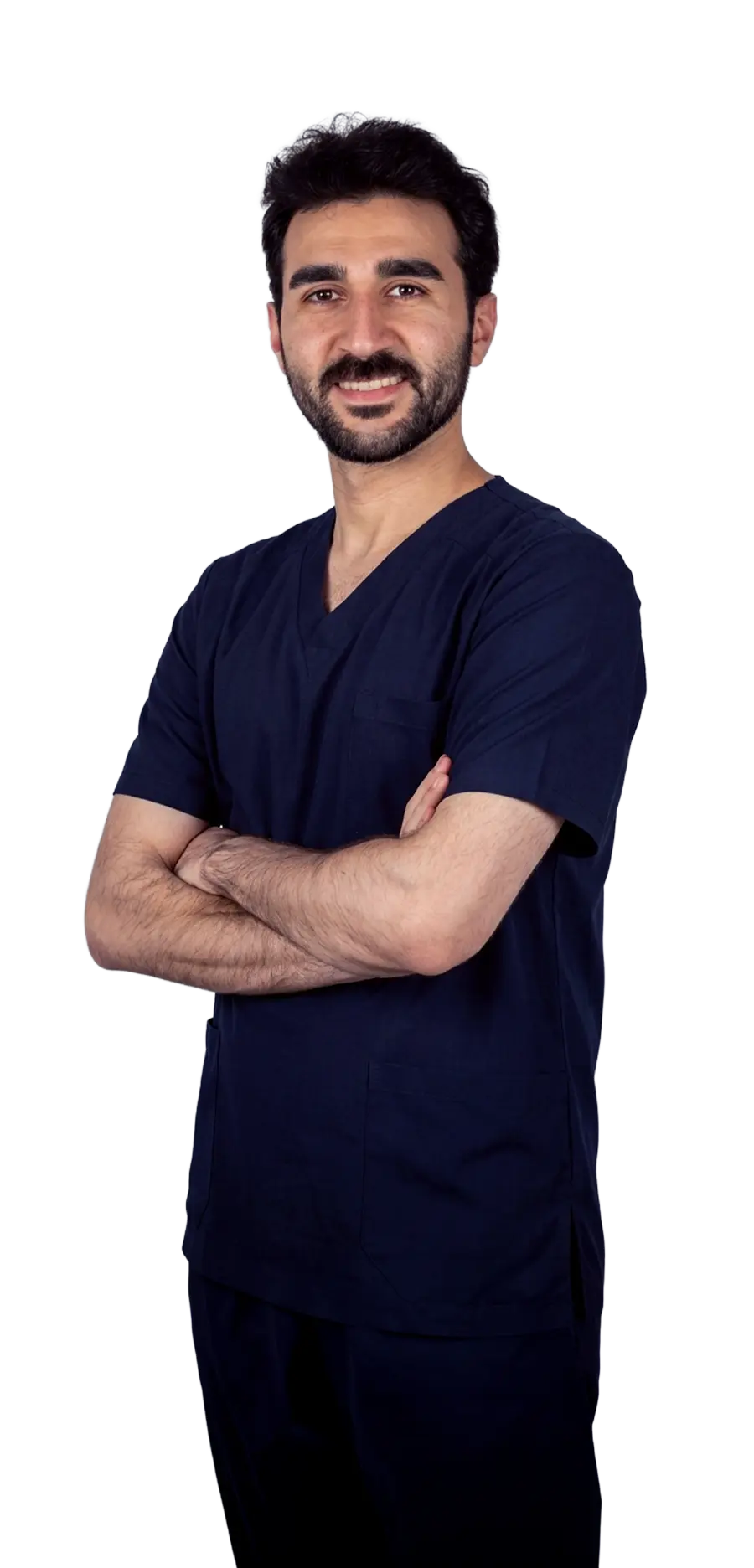
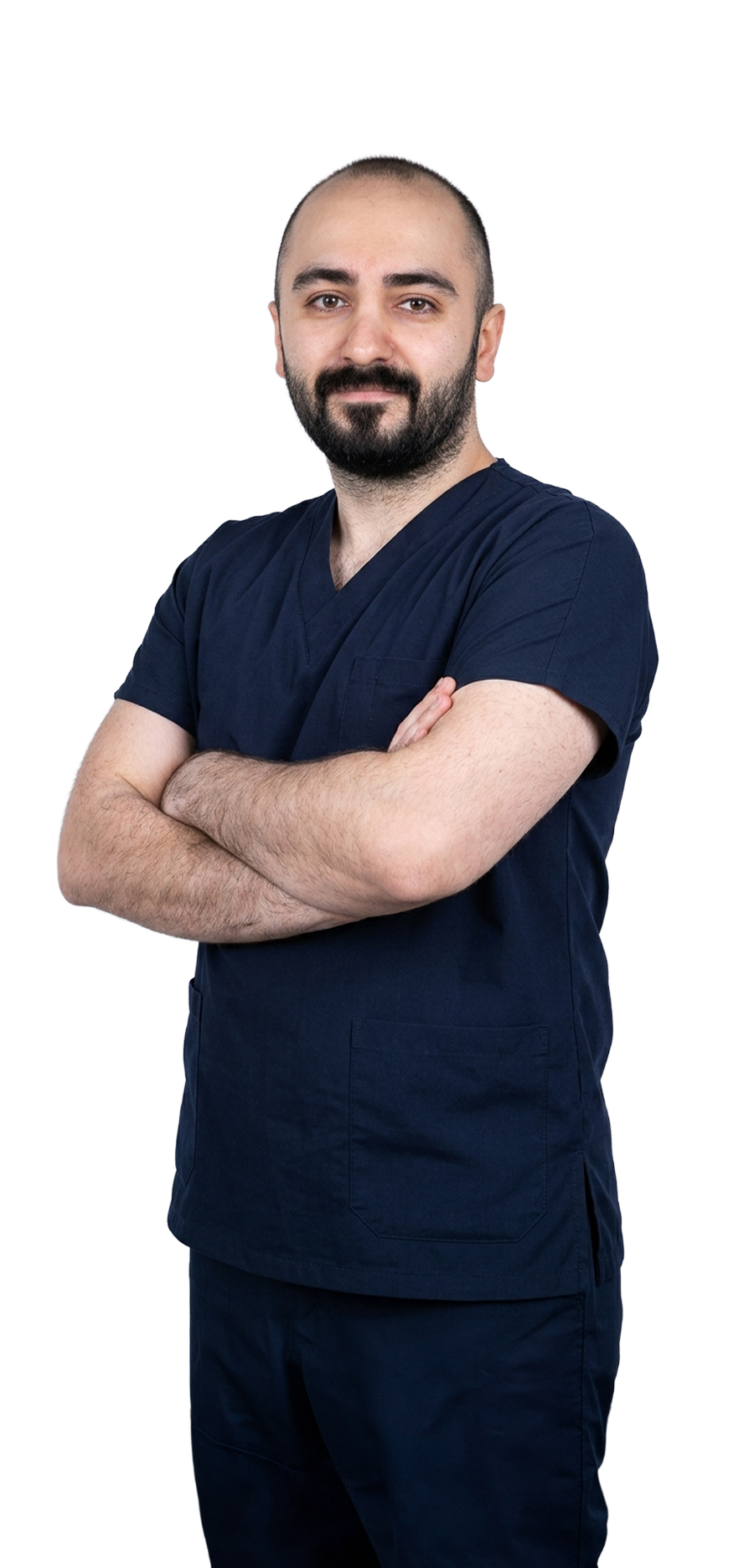
Dt. Ömer Reşat Gültek

Implant Dentistry

Born in Bandırma in 1995, Dr Ömer Reşat Gültek studied at İnegöl Mediha Hayri Çelik Science High School before turning to dentistry — and he still thinks like a materials scientist. Which ceramic, which technique, which protocol for this particular tooth: those are the questions he takes seriously, and they are why his root canal treatments hold. What patients mention, though, is the manner. He explains as he works, he does not rush, and a single filling gets the same attention as a full arch.


5+
Years experience
1,000+
Treatments

Certificates

  • 2022 TDB ACADEMY — Bruxism and its Treatment
  • 2022 TDB ACADEMY — Treatment of Teeth with Excessive Material Loss
  • 2022 TDB ACADEMY — Digital Approach
  • 2023 — Removable Implant-Supported Prostheses / Prof. Dr. Bülent Gökçe
  • 2023 — Anterior Aesthetic Applications
  • 2024 Erickson Institute of Istanbul — Basic Hypnotherapy
  • 2024 Erickson Institute of Istanbul — Intermediate Hypnotherapy
Cost Transparency

Porcelain Veneer Cost in Turkey

Porcelain veneers are €200 per tooth. A wide smile covering 16 to 20 teeth therefore sits between €3,200 and €4,000, while a smaller front set costs proportionally less. The comparison with typical porcelain prices abroad follows, and your dentist confirms how many teeth are needed before quoting.

*Turkey figures are starting prices from our euro price list; multi-unit rows are unit price × units, not a package, and cover design, mock-up, temporaries and the bonded shell. Extras and the hotel (from €75 a night) are billed separately.

Expert Care in Istanbul

Hospital-grade facility with its own design laboratory.

Advanced Digital Workflow

Digital smile design, scanning and milling in-house.

All-Inclusive Patient Package

Hotel, private transfers, interpreter and 24/7 aftercare coordination.

First-Year Aftercare Included

Coordinator contact, photo reviews and follow-up for twelve months after fitting.

Free Consultation

Are you ready to start your journey to perfection today?

Why Turkey

Is It Worth Going to Turkey for Porcelain Veneers?

Yes, with one condition: that you are treated by a clinic willing to tell you which teeth do not need a veneer. The materials and the technology are the same ones used in London and Berlin; the design happens in the same building, which is why a shape you are unsure about is changed at the try-in rather than after you have flown home.

why choose turkey for dental 1

Unmatched Case Volume

High case volume means shade matching, smile design and minimal preparation are refined at scale.

why choose turkey for dental 2

Technology Parity

Digital smile design, intraoral scanning and a wax-up trial are standard here, not premium extras.

why choose turkey for dental 3

A Genuine Cost Difference

Lower operating costs can reduce treatment prices without requiring lower-grade ceramics.

why choose turkey for dental 4

Direct Flights to Istanbul

Istanbul is connected to hundreds of international destinations, making treatment travel easier to plan.

why choose turkey for dental 5

English-Speaking Care

International patient teams coordinate the design discussion, try-ins and aftercare in multiple languages.

why choose turkey for dental 6

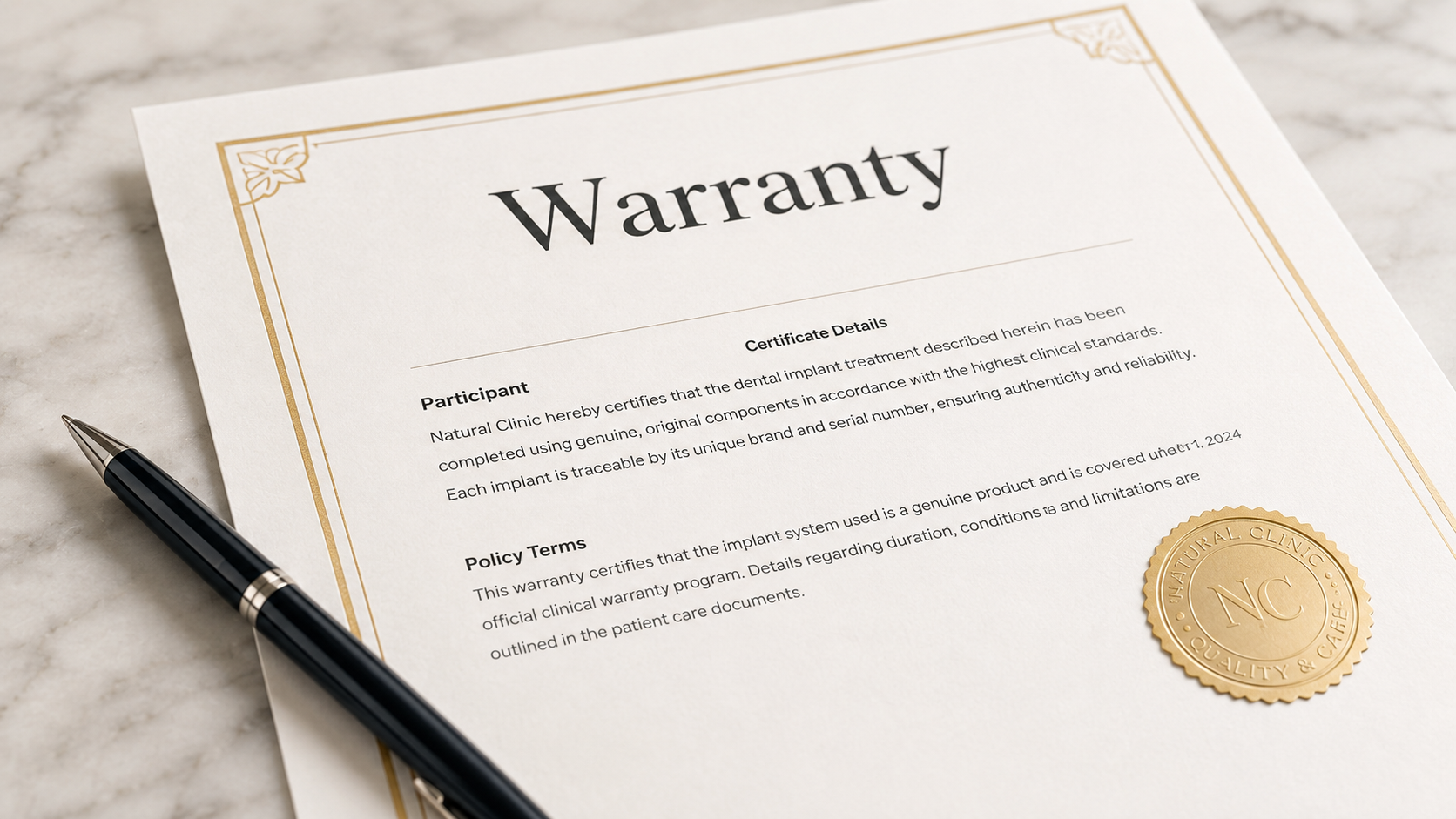
Documentation You Take Home

Reputable clinics name the material used on every tooth and record the dates.

Porcelain Pathway

The Reference Standard

Layered porcelain gives stable colour and a stain-resistant glaze, typically lasting 10 to 15 years.

  1. Smile Analysis

    Proportions From Your Face

    Width, length and midline are designed against your lips and facial features.

  2. Temporaries

    Wearing the Approved Shape for Three Days

    The provisionals copy the mock-up you approved, giving you a few days to notice anything about length or speech before porcelain is layered.

  3. Layering

    Built Up in Thin Coats

    Technicians layer porcelain to mimic enamel depth, then glaze it.

  4. Try-In

    Unbonded, in Natural Light

    Shells are seated with try-in paste only, then viewed by the window: if an edge is proud or a shade reads grey, it goes back to the bench.

  5. Longevity

    Ten to Fifteen Years and Beyond

    A night guard and routine check-ups help porcelain outlast its average.

Porcelain Veneer FAQs

Porcelain Veneers: The Classic Choice, Explained

Stable colour, stain resistance and a long track record — what porcelain veneers involve.

Porcelain veneers are custom shells of layered, glazed ceramic that a laboratory makes for each tooth and the dentist bonds onto the front surface. They correct discolouration, chips, wear and slight misalignment, and are valued for colour stability, stain resistance and a long clinical track record.

Porcelain has been used for veneers for decades, and its bond to enamel is supported by long-term clinical data. Its glazed surface keeps its shade and resists stains, which is why other veneer materials are often described in comparison with porcelain when patients weigh up their options.

Porcelain veneers are not ideal when a tooth is heavily broken or filled, where a crown gives better protection, or when teeth are significantly crowded, where orthodontics may be preferable. If discolouration is the only concern, whitening may achieve the goal without removing any enamel.

Free Consultation

Are you ready to start your journey to perfection today?

Keep Exploring

Compare Porcelain With the Alternatives

Porcelain is one of five veneer materials, and it is not always the right one. Each alternative has its own page — along with the treatments that are sometimes better than a veneer altogether.

Personalised Care, Just for You

Get Your Porcelain Veneer Plan — Free, in 24 Hours

Send a few photos of your teeth, plus any X-ray you already have. One of our dentists reviews your case and replies with a realistic, itemised plan — which teeth genuinely need a porcelain veneer, which would be better whitened or left alone, how many units, what it costs with hotel and transfers included, and how many days you’ll be in Istanbul. No obligation, no pressure, no cost.

Get My Free Veneer Plan
The full picture

How a Porcelain Veneer Is Made, Layer by Layer

The ceramic is the easy decision. What decides whether a porcelain case still looks right in fifteen years is how many teeth were treated, how much enamel was kept, and whether the shape was agreed before anything was cut.

How a Porcelain Veneer Is Made, Layer by Layer

7 min read

Bonding day takes a morning. The shell itself spends several days on a laboratory bench before that, being built up by hand from powders, water and heat. Most people never see that part, which is a pity, because it explains almost everything about porcelain veneers: why they look the way they do, why they resist stains, why a small change at the try-in is easy and a big one isn't, and why two clinics using the same material can produce such different smiles.
So this section follows a single porcelain veneer from the first photograph to the final glaze, and then on into the years after it's bonded.

It starts with photographs, not a drill

Before anyone thinks about ceramic, the technician needs to understand your teeth as they are. That means photographs, and a lot of them. Shade tabs are held beside your teeth and photographed in daylight, so the lab can compare them directly. Many labs also use photographs taken through a polarising filter, which cuts out surface glare and shows the colour inside the tooth much more clearly.
Your natural teeth are never one colour. They're usually warmer near the gum, more translucent at the edge, and sometimes have faint white flecks or a slightly bluish tint along the biting edge. A good shade record captures all of that. "A1" or "B1" on a form tells a technician very little on its own.
Once the teeth have been prepared, one more shade is taken, of the prepared tooth itself. Porcelain is thin, and some of that underlying colour will show through. If one prepared tooth is darker than the others, the technician needs to know before building anything, so the layers on that shell can be adjusted to compensate.

A model of your mouth, and a base to build on

From the scan or impression, the lab produces a model of your prepared teeth. For hand-layered feldspathic veneers, the porcelain is then built on a special heat-resistant copy of each tooth, or on a very thin metal foil pressed against the model, so the shell can go in and out of the furnace without distorting.
Everything that follows happens within a very small space. With 0.3 to 0.7 mm to work in, as the page above describes, there's no room for thick layers or second thoughts. That's one reason conservative preparation and skilled layering go together. The less tooth is removed, the more precise the technician has to be.

Building the colour in thin coats

Porcelain for veneers comes as fine powders in different shades and translucencies. The technician mixes each with a liquid into a paste and applies it with a small brush, one zone at a time.
The deeper layers, sometimes called dentine porcelain, carry most of the colour. On top of those go more translucent enamel layers, and right at the edge, clearer porcelains that let light through the way a natural biting edge does. Between them, a technician can add small details if your own teeth have them: the faint vertical ridges often seen near the edge of a front tooth, a thin bright line along the edge, or a slightly milky patch. Left out, a veneer can look too perfect. Put in carefully, those details are what make people stop noticing it's a veneer at all.
None of this is visible from a price list, and it's the main difference between porcelain and materials that are milled or pressed from a single block of one shade.

Heat, shrinkage and a lot of patience

Each layer is fired in a furnace. Porcelain shrinks as it fires, so the technician deliberately builds each stage slightly oversize and then checks it, adds a little more, and fires again. A single veneer can go through several firings before its shape and colour are right.
Between firings, the shell is checked against the model and against photographs of your face. Is the edge the right length? Does it line up with the tooth beside it? Is the colour reading warmer or cooler than intended? Small corrections at this stage cost nothing but time.

Surface, texture and glaze

Natural enamel isn't perfectly smooth. Look closely at a front tooth in good light and you'll often see fine horizontal lines and gentle ridges and hollows. Those irregularities catch light in a particular way, and a perfectly flat, polished surface catches it differently. That's one of the details that gives away a poorly made veneer from across a room.
So the technician shapes and textures the surface, then applies a glaze and fires it one last time. The glaze leaves a smooth, glassy outer layer that food, coffee, tea and wine can't soak into. This is the property the page above describes as stain resistance, and it's a direct result of how the shell is finished, not just the material itself.

Why a person, rather than a machine

Porcelain veneers can be made in several ways. Some are pressed or milled from ready-made blocks and then painted on the surface for colour. E.max veneers are a good example, and they have real advantages in strength, which that page explains.
Hand-layered porcelain trades some of that strength for control over how light moves through the tooth. On the front teeth of someone who wants a result nobody can spot, especially next to their own untreated teeth, that control can make a visible difference. It also means the result depends heavily on the person holding the brush. The same powders in different hands can look quite different.

While the lab works: three days in temporaries

The pathway above mentions the temporaries you wear while the porcelain is being made. They're a copy of the mock-up you approved, made in a resin that's much softer than ceramic and held on quite lightly, so they can come off easily later.
That has a few practical consequences. Sticky sweets, crusty bread and anything you'd bite into with your front teeth are best avoided for those few days. The temporaries may feel a little rough or bulky, and they won't have the polish of the final shells. If one comes loose, don't try to glue it back yourself; call the clinic and it can be re-seated quickly. And pay attention to how they feel when you talk and smile, because the porcelain will follow that shape.

When a veneer goes back to the bench

At the try-in, the shells are placed on your teeth with a clear or tinted paste, not yet bonded, and checked by the window in daylight. This is where a veneer might be sent back.
The reasons are usually small. An edge is fractionally too long when you speak. One shell reads slightly greyer than the others. A corner sits a little proud of the neighbouring tooth. For hand-layered porcelain, many of these can be fixed by adding a touch more porcelain, reshaping and re-firing, often the same day when the lab is on site. A shell that's fundamentally the wrong colour is usually rebuilt from scratch rather than patched, which is why the shade record at the start matters so much.
If something bothers you at the try-in, say so. Once the veneers are bonded, reshaping means grinding glazed porcelain, and the glaze is exactly what you don't want to lose.

The first days after bonding

Your tongue will find the new veneers long before anyone else does. For a while it keeps running over the edges and the backs of the teeth, checking. Give it a week or two and it loses interest.
Cold drinks might sting a little for the first few days. That's normal after teeth have been prepared and bonded. What isn't normal is a bite that feels high. If one tooth touches first when you close, or your jaw feels nudged slightly to one side, come back and have it checked before you fly. Porcelain doesn't wear in; it chips.

Living with porcelain for fifteen years

The page above gives 10 to 15 years as the usual lifespan, and plenty of porcelain lasts well beyond that. How long yours last depends partly on a few habits that aren't always explained.
Next time you see a hygienist, tell them about the veneers before they start. It matters more than you'd think. Acidulated fluoride gel, which some practices use routinely, can etch porcelain and leave it dull, and a gritty polishing paste can take the shine off the glaze. Once they know, they'll reach for something gentler. At home you don't need anything special. A soft brush and whatever toothpaste you normally use will do.
Years down the line, trouble tends to start where the porcelain meets your tooth. Gums often recede a little with age, and when they do, that join can peek out and pick up a faint brown line. Daily flossing won't stop the clock, but it slows that down considerably.
A tiny chip is often just smoothed off, or filled with a dab of composite. A larger fracture usually means a new shell. And if one veneer needs replacing years from now, matching it to the others is a real challenge, because the originals were built layer by layer for your teeth at that time.

Keep your shade record

That leads to one practical suggestion. Ask for a copy of your final shade details and the photographs taken during treatment, and keep them somewhere safe. If a single veneer ever needs replacing, whether here or with a dentist near home, the technician will have a far better chance of matching it with the original records than with a photo of your smile taken on your phone.
If you're still deciding between porcelain and something else, the main dental veneers page sets out which material suits which problem.

© 2026 Natural Clinic. All rights reserved.

Contact Us
Book Free ConsultationContact Us