 English
 Italiano
 Español
 Français
-1.webp?v=munsnloe)
Digital Smile Design
Digital Smile Design in Istanbul · Preview First
What if you could see your new smile before a single tooth is touched?
Digital Smile Design uses your photos and scans to plan tooth length, width and shade on screen, so you approve the result before treatment begins. The design then guides your veneers or crowns, and the price depends on the treatment it plans and how many teeth are involved.
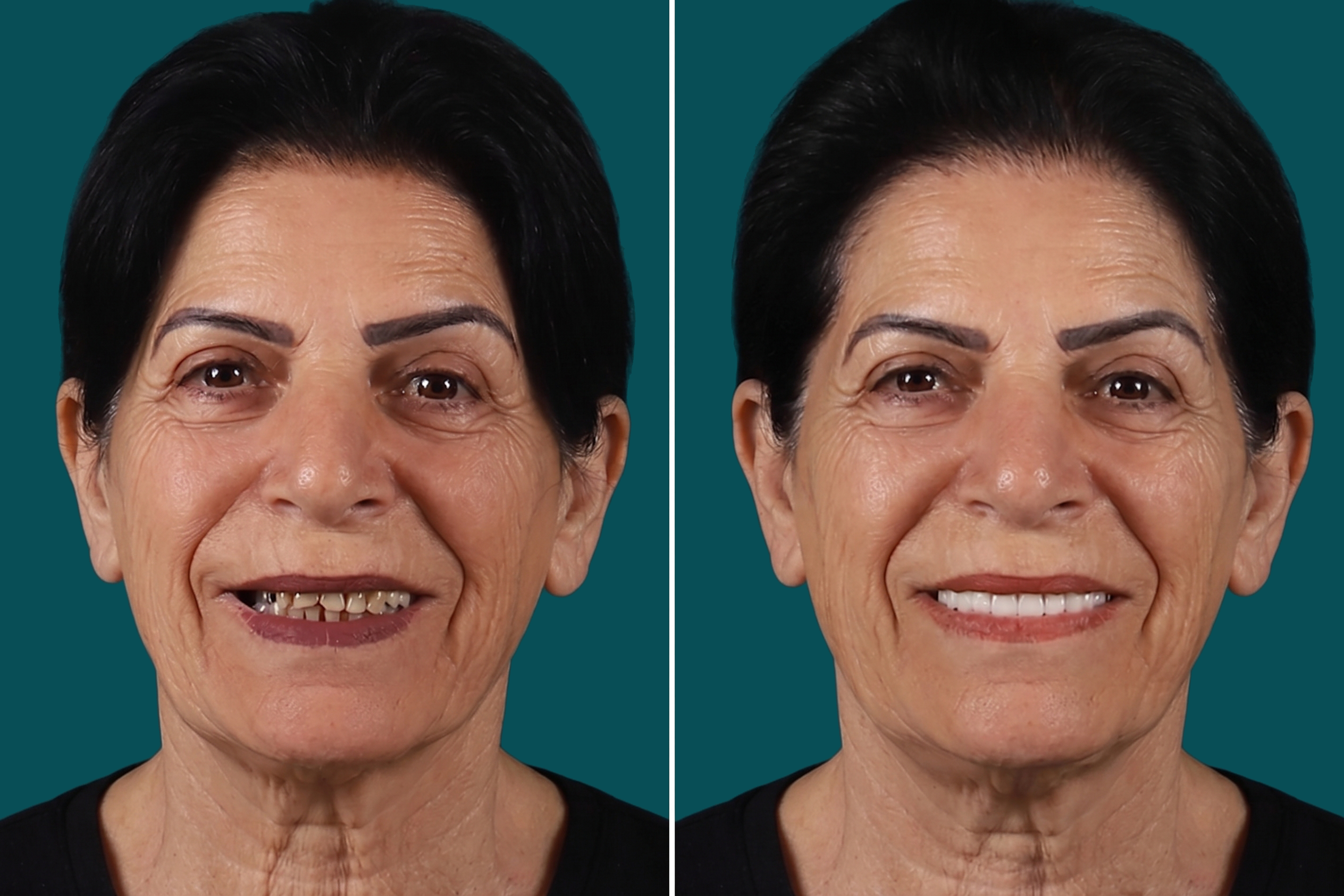
Digital Smile Design before and after cases pair the on-screen preview with the finished smile, so you can see how closely the result matched the plan. Your own preview is built from your photos.
Digital Smile Design
.webp?v=munsmt6z)
Digital Smile Design
Digital Smile Design
Approving a smile on screen before treatment is what Digital Smile Design patients value most. They describe comparing that preview with the finished result in the mirror.
Natural Clinic brings several specialist fields together under one roof: hair transplantation, dentistry, facial, body and breast aesthetics, bariatric surgery and reconstructive treatments. Cross-disciplinary medical teams, multilingual coordination and internationally recognised safety standards carry each patient from consultation and treatment planning through to recovery and aftercare.
Advanced treatments across multiple medical specialties
Experienced specialists working across disciplines
Consultation, treatment, recovery and aftercare coordinated under one roof
Large-scale medical infrastructure in Istanbul
Not a treatment you buy, and not a rendering you are shown once. It moves the decision from after your teeth are prepared to before — drawn against your own face, then worn in your own mouth.
.webp?v=mth5lgwp)
The planning stage
Photographs of your face, video of you talking and smiling, and a 3D intraoral scan are combined into one file. Your new teeth are drawn on top — length, width, the curve of the smile line against your lower lip, where the midline sits against your nose — then milled into a trial mock-up you wear. Only after you approve it does anyone pick up a handpiece.
Any case where the appearance of the front teeth changes: veneers, crowns, a smile makeover, gum contouring, and implant work in the visible arch.
Included in every veneer and crown case: the design, the wax-up and the mock-up are part of the treatment price, not an extra line.
Implant Dentistry
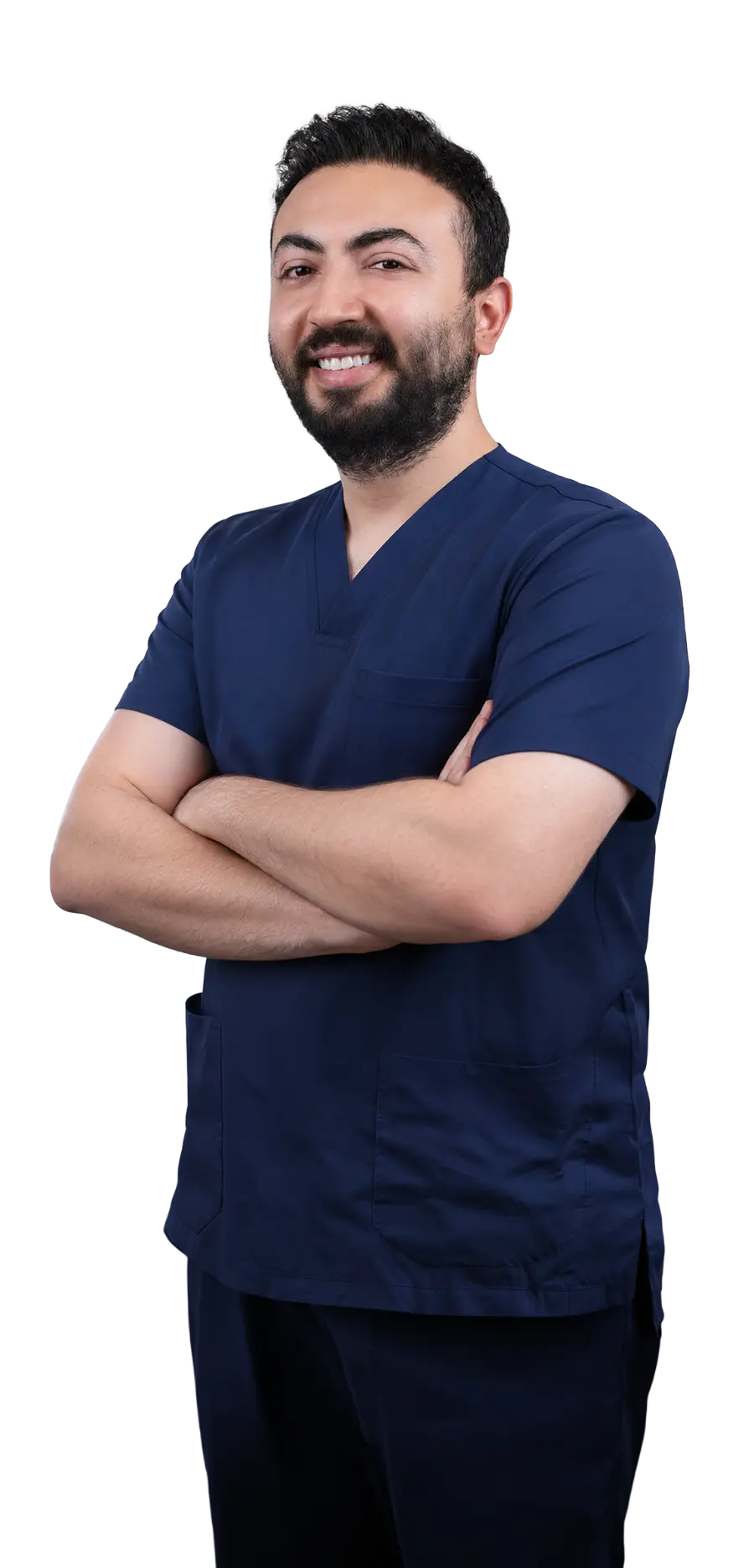
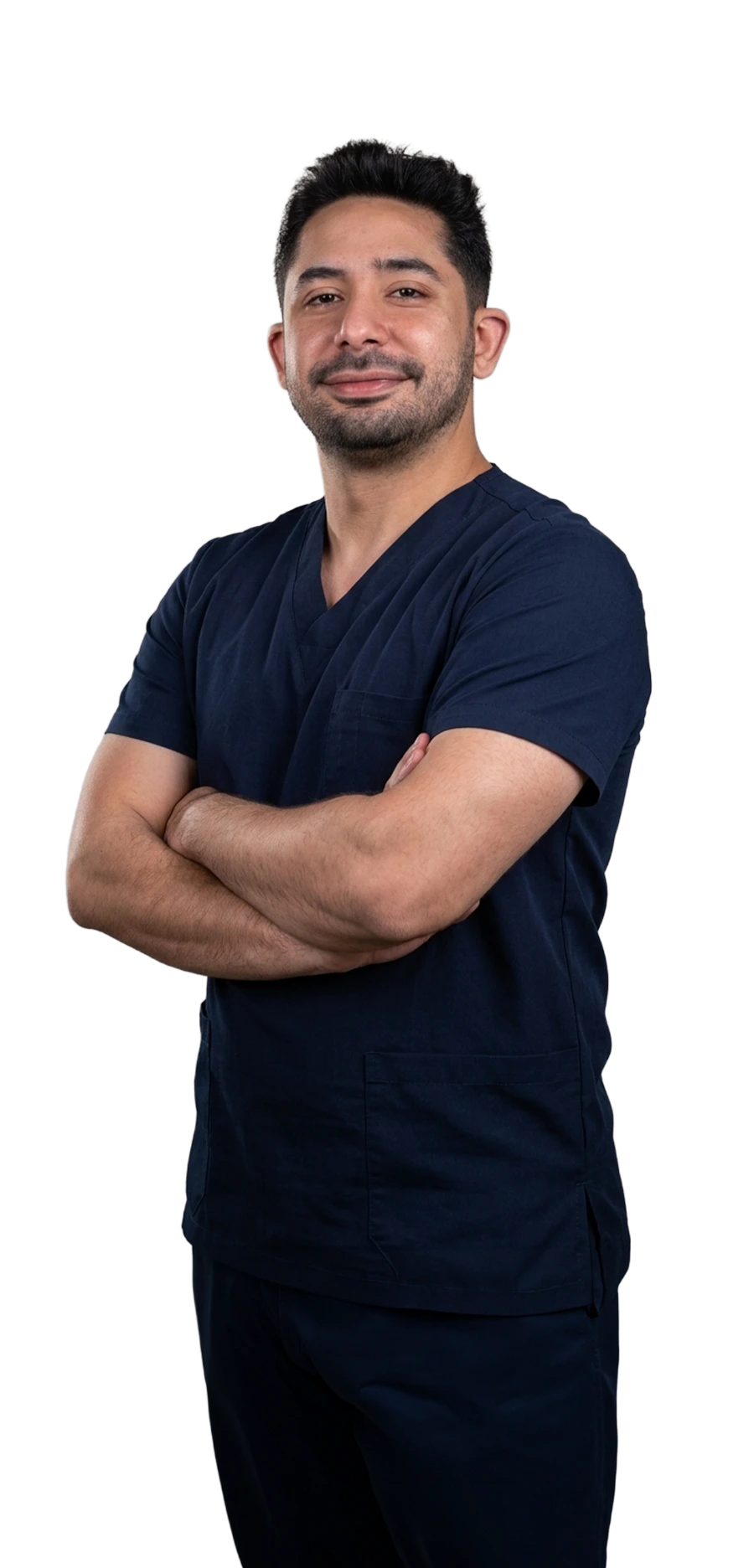
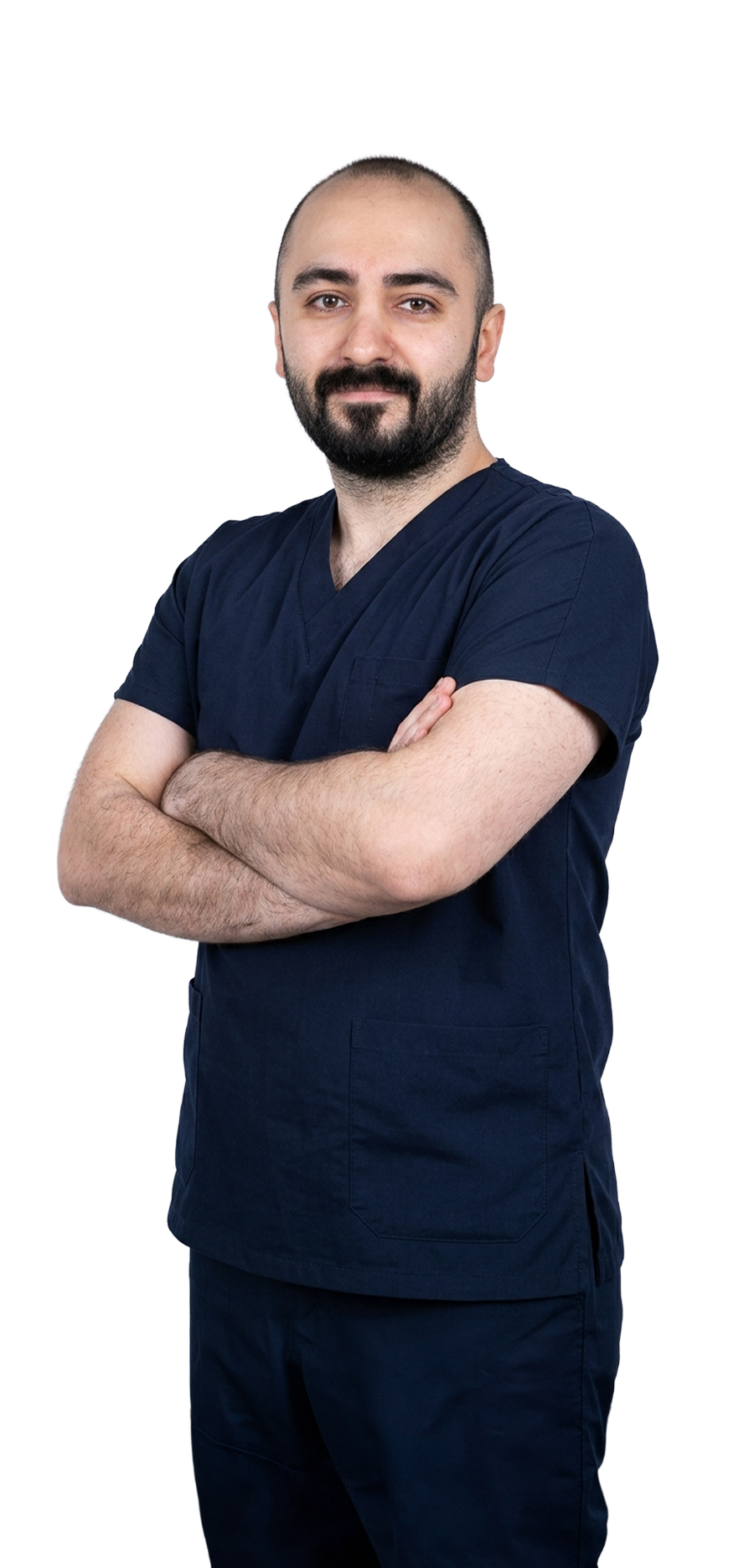
Born in Bandırma in 1995, Dr Ömer Reşat Gültek studied at İnegöl Mediha Hayri Çelik Science High School before turning to dentistry — and he still thinks like a materials scientist. Which ceramic, which technique, which protocol for this particular tooth: those are the questions he takes seriously, and they are why his root canal treatments hold. What patients mention, though, is the manner. He explains as he works, he does not rush, and a single filling gets the same attention as a full arch.
Certificates
Prosthetic Dentistry
After successfully completing her primary and secondary education, Özaydın studied at Bezmialem Vakıf University and then at Istanbul University Faculty of Dentistry, Department of Prosthetics. She has worked in the field of prosthetics at various important institutions. In addition to her professional career, Dr. Özaydın has also made various contributions to academic literature and has been working as a Dental Prosthetics Specialist at the Natural Medical Center Dental Department for a long.
Certificates
General Dentistry
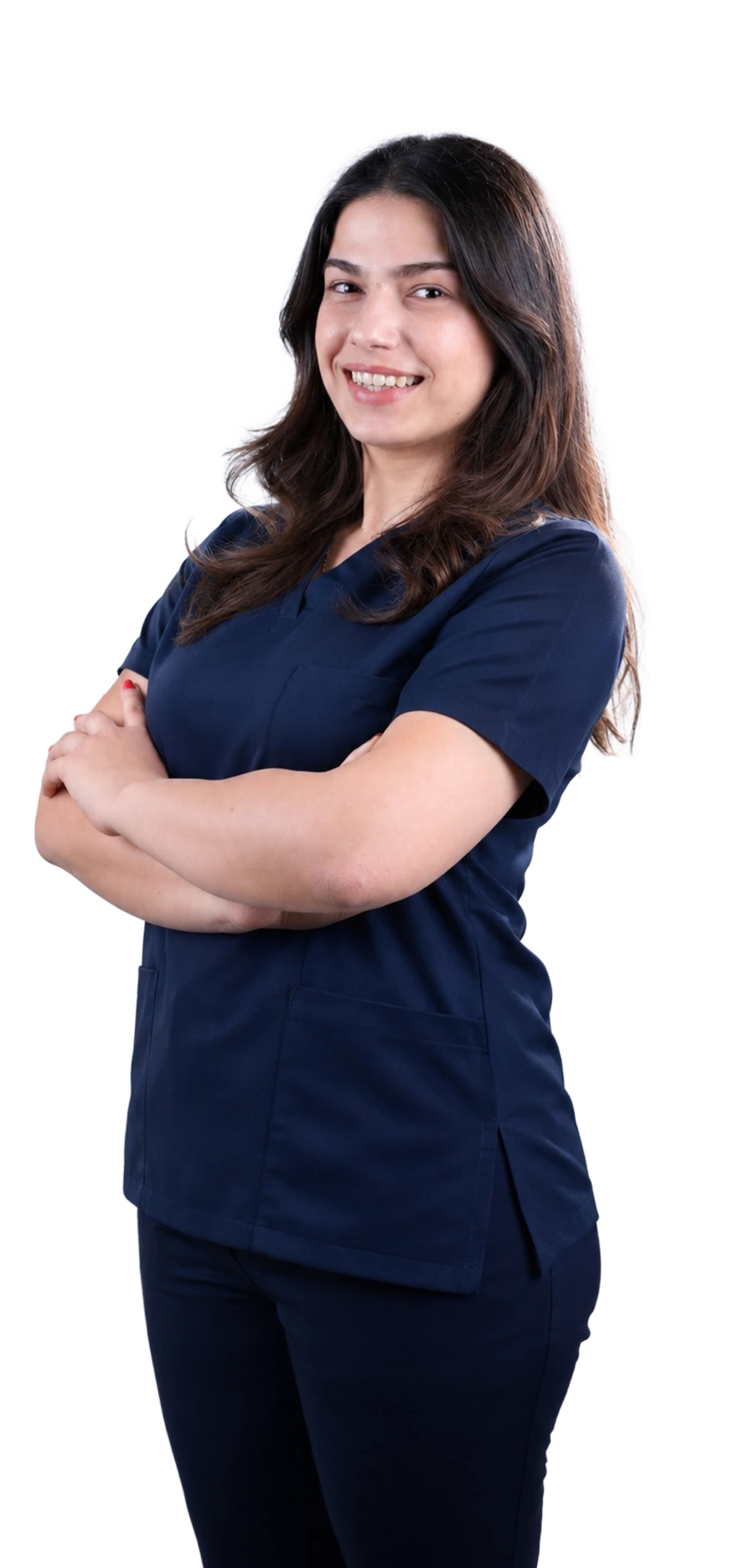
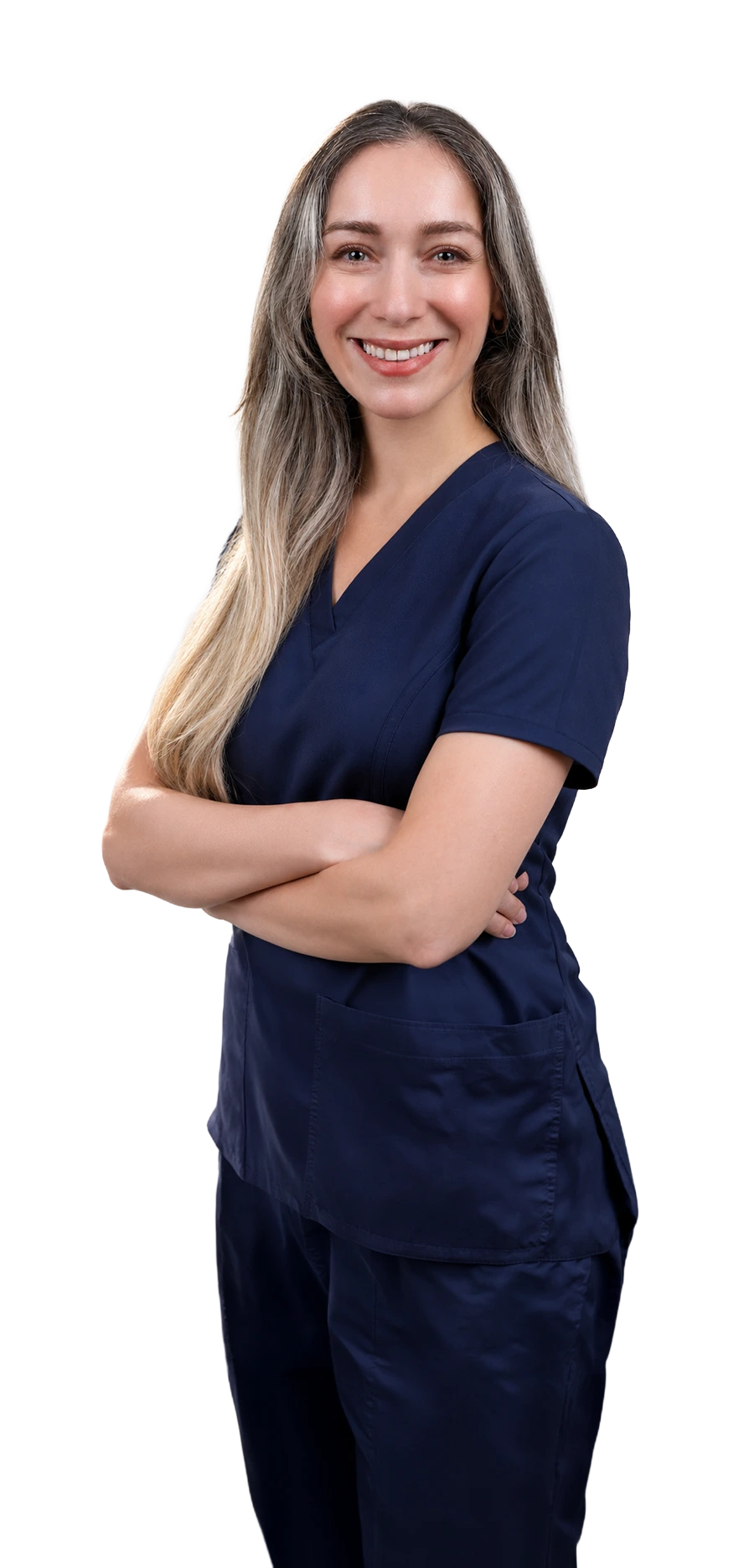
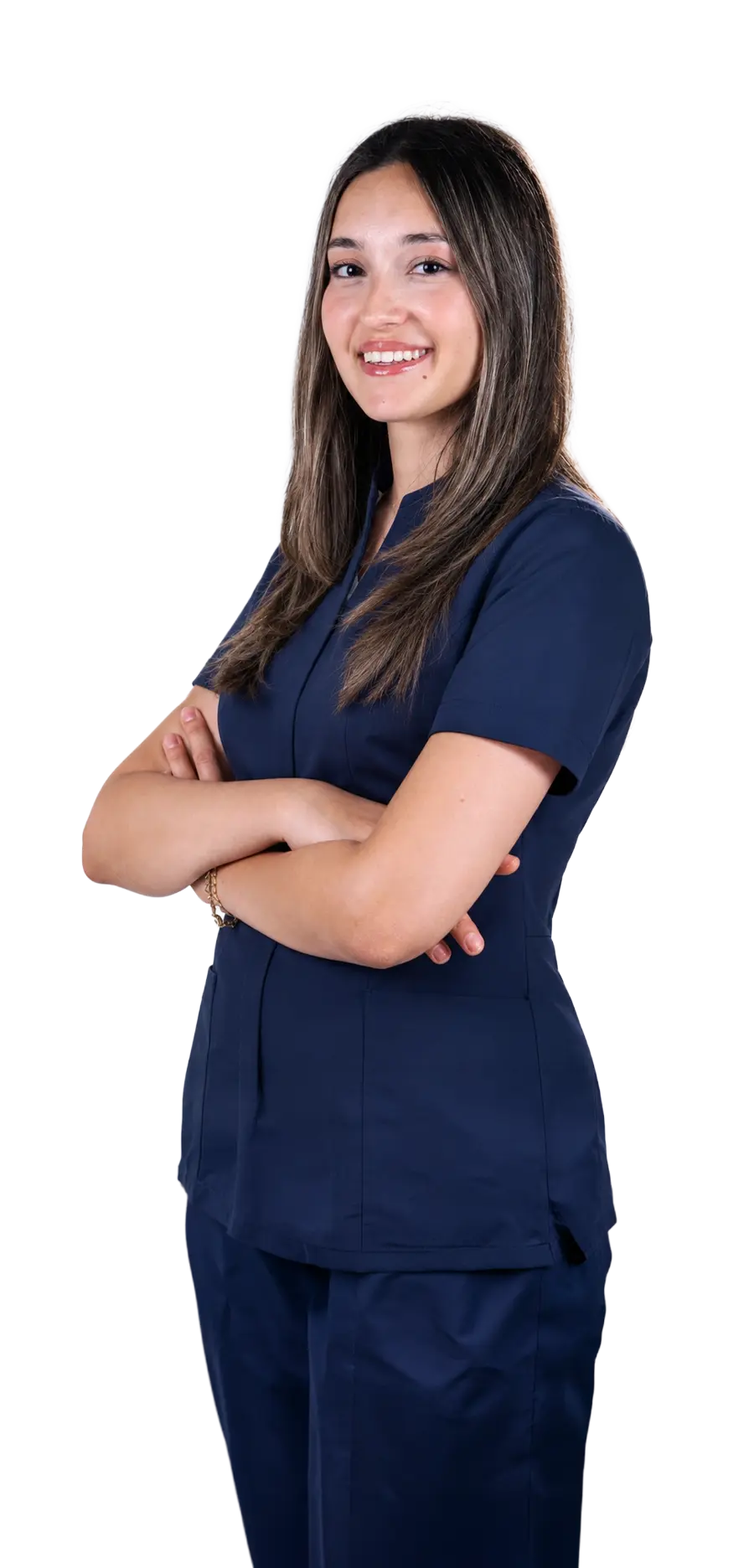
Dr Nur Karakaya graduated from Istanbul University Faculty of Dentistry in 2025 — which means she was taught the current protocols, not the ones that were current twenty years ago, and that she works inside a team of specialists rather than alone. Patients tend to remark on how much she explains: what she found, what she recommends, and what she would leave alone. She reads the new literature because she is still close enough to it to know how fast it moves.
Seminars and Trainings:
Prosthetic Dental Treatments
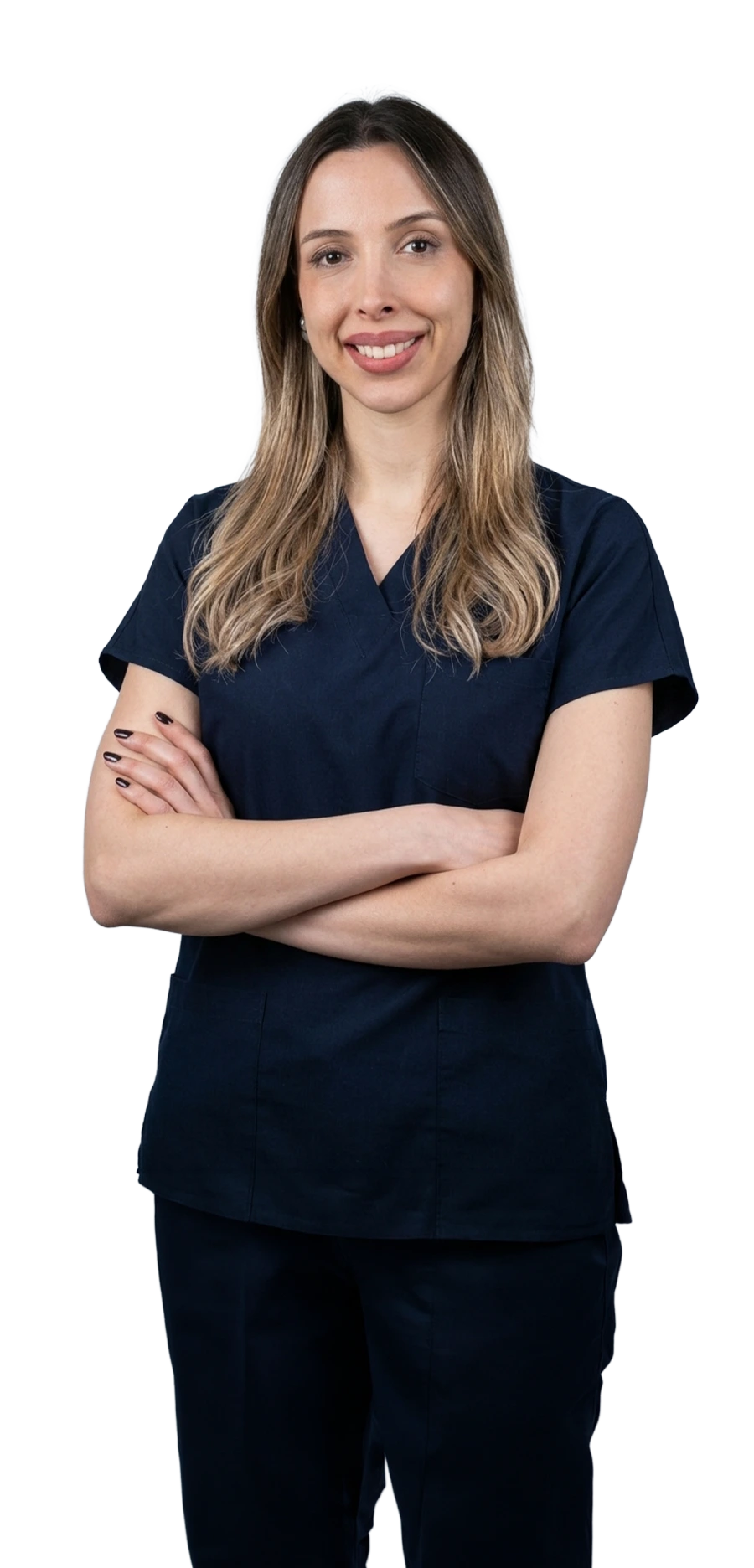
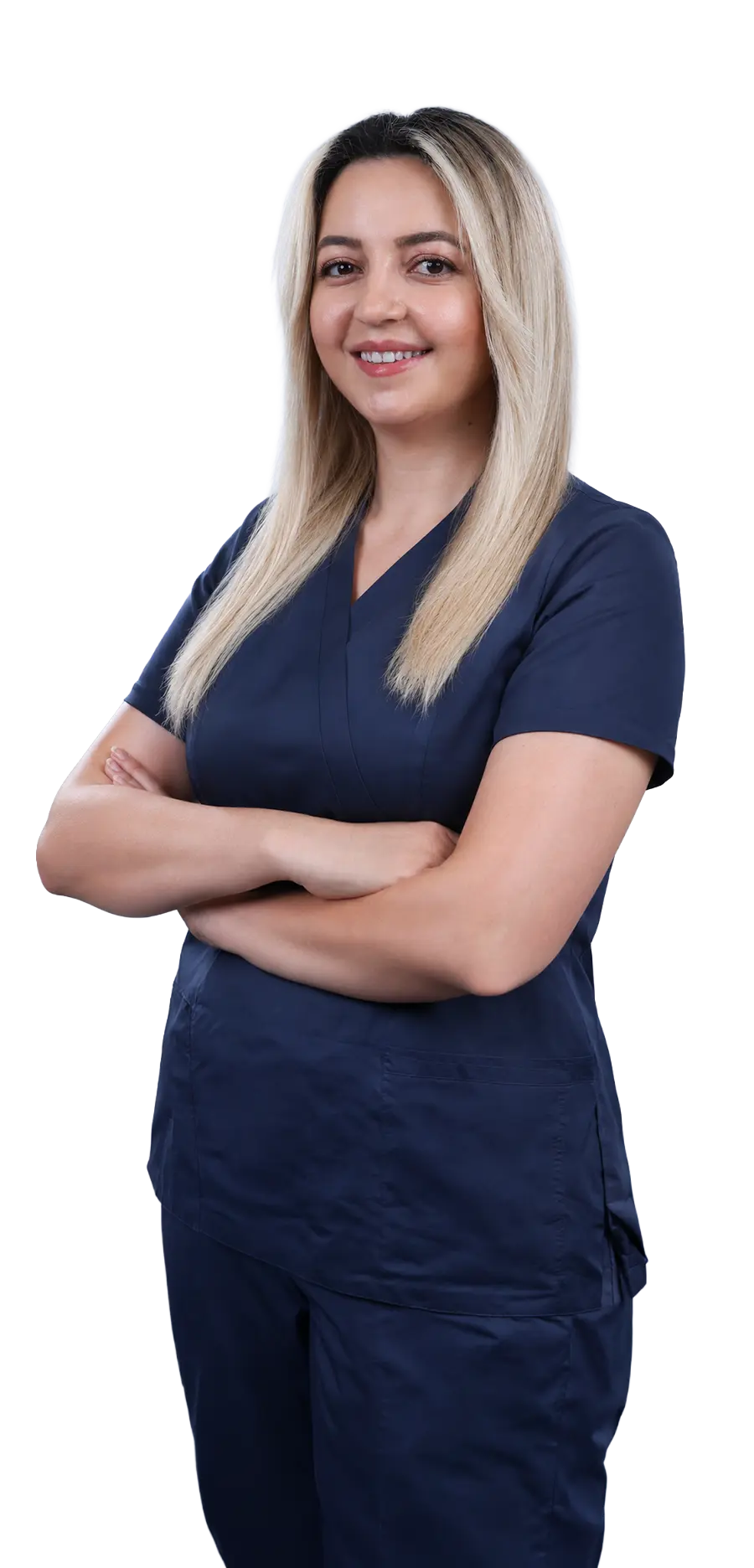
Dr Helin Ağırtıcı trained in International Dentistry at Medipol University and works in prosthetic and aesthetic restorative dentistry, planning cases digitally rather than by impression alone. For patients travelling from abroad she is often the one who reads the photographs, builds the plan and answers the questions before the flight is booked — in English, which is why the plan you receive and the treatment you get are the same thing. She has been at Natural Clinic since 2024.
Seminars and Trainings:
General Dentist
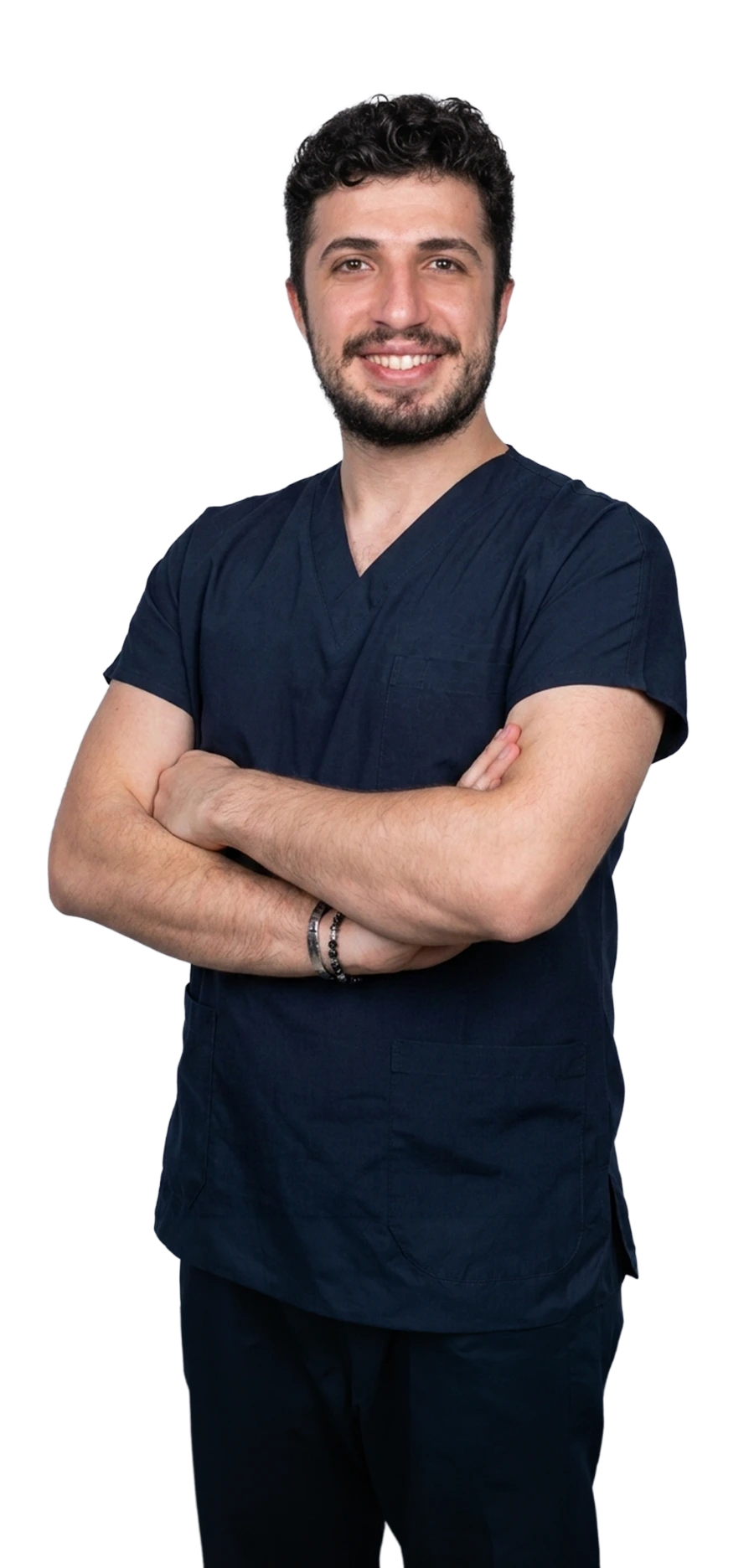
Born in 1999, Dr Enes Tuluk graduated from Istanbul University Faculty of Dentistry in 2023 and went straight into aesthetic work: Hollywood Smile cases, laminate veneers, E.max and zirconia crowns, implant-supported prostheses. What he watches for is what patients notice a year later rather than on the day — how the ceramic meets the gum, how the shade holds, whether the smile still looks like yours. He plans tooth by tooth, and will tell you which teeth to leave alone.
Seminars and Trainings:
Prosthetic Dentistry.
Dr. Diler Özkan İrem graduated from Istanbul University Faculty of Dentistry in 2014 and stayed for a doctorate in prosthodontics, earning her PhD in 2020 with a thesis on how all-ceramic bridges fit and where they fracture. It is an unusually specific question, and the useful kind: knowing why ceramic fails is what stops it failing. At Natural Clinic since 2020, she works on crowns, bridges and full smile design — the aesthetic side, decided on functional grounds.
Seminars and Trainings:
Aesthetic Dentistry and Implantology
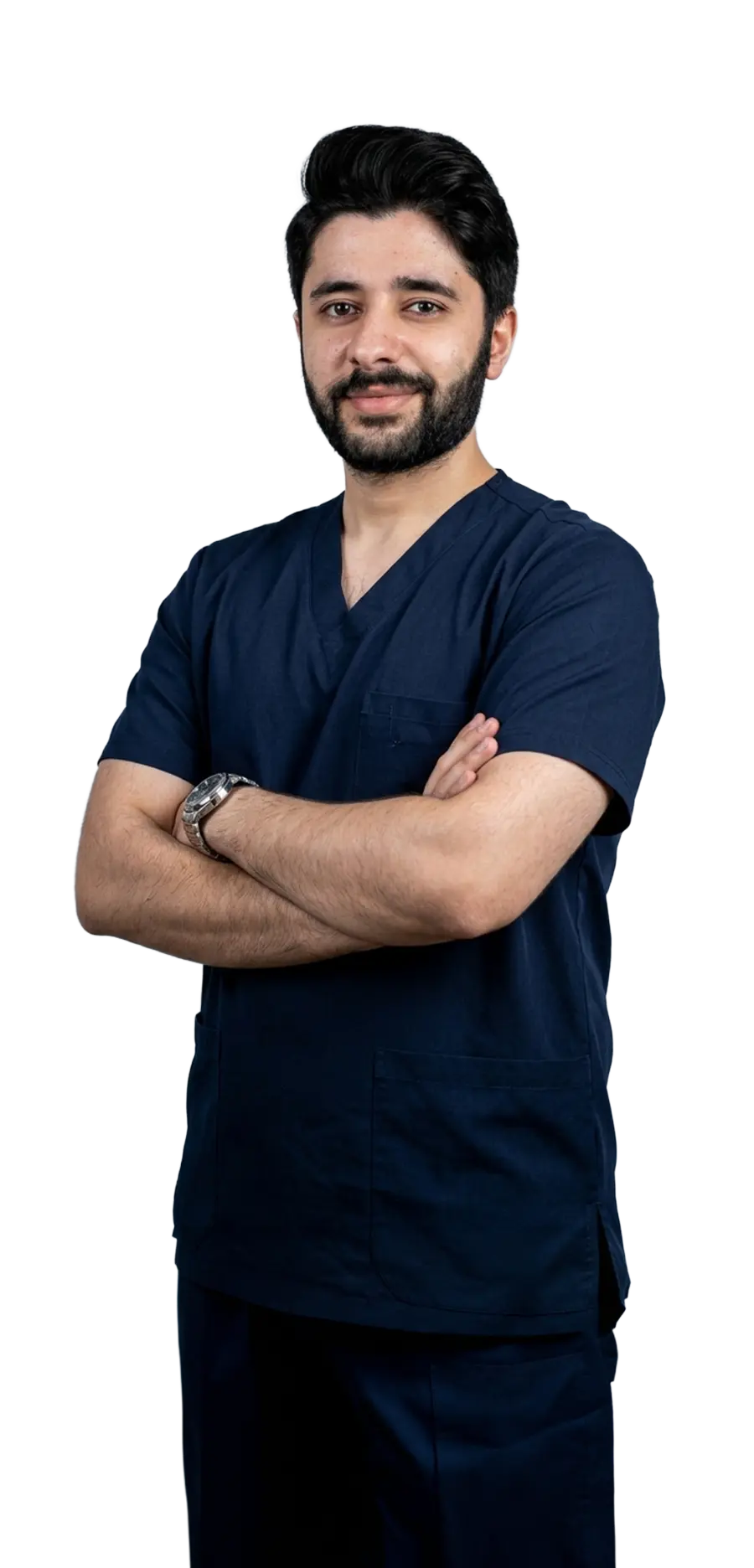
Dr Ali Haydar Çapuk graduated from Ege University Faculty of Dentistry in 2012 and spent the years since in private practice, training in aesthetic dentistry, implantology and smile design in Turkey and abroad. Thirteen years of that work is a long time to watch restorations age, and it shows in what he recommends: implants where a tooth is gone, veneers where the tooth is sound, whitening where nothing needs covering at all. He joined Natural Clinic in 2025.
Seminars and Trainings:
Oral, Dental and Maxillofacial Surgery
Born in Çanakkale on July 14, 1995, she graduated from Near East University Faculty of Dentistry in 2021. Immediately after graduation, she began working intensely at a private clinic in Çanakkale with a high patient potential. During this time, she increased her clinical experience and knowledge. After working there for about two years, she decided to pursue a doctorate in Oral and Maxillofacial Surgery at Istanbul Aydın University.
General Dentistry
Dr Beliz Kerime Dede studied at Bahçeşehir University Faculty of Dentistry, graduating in 2025 from its fully English-taught programme — which is why she reads the international literature first-hand and why patients from abroad talk to her without an interpreter in the room. Her clinical focus is restorative work, endodontics and prosthetics, with congress and workshop training in implantology and aesthetic restorations. She works within a team of specialists, and says so plainly.
Seminars and Trainings:
Prosthetic Dentistry
Dr Aslı Betim Şahin graduated from Ankara University Faculty of Dentistry in 2014 and began a PhD in prosthodontics at Istanbul University in 2016 — the discipline that decides how a restoration meets the gum, the bite and the face. She has practised across several institutions and presented at national and international meetings, and she has been at Natural Clinic since 2020. Consultations are held in English, so the plan you agree to is the one you discussed.
Seminars and Trainings:
Endodontist
Endodontics is where Dr Salih Muhammed does most of his work — root canals, including the ones another clinic has already attempted. Urgent cases are the real test: a tooth that hurts today cannot wait for a plan next week, and knowing which of those teeth can still be saved is judgement built case by case. He treats local and international patients alike, works to the clock without rushing the tooth, and will say when an extraction is the honest answer.
Certificates
Specialist Prosthodontist
Dr Mehmet Anıl Tütüncüler works in prosthodontics — the discipline that decides how a restoration meets the gum, the bite and the face. His cases are planned digitally and judged against the evidence rather than the trend: a design is only worth approving if the result can be predicted, and only worth fitting if it will still be working in ten years. Appearance matters, but it is the second question. The first is whether the mouth will function.
Certificates
Oral Surgery & Implantology
Spec. Dr. Oğuzhan Sunar is a Periodontology Specialist and implant surgeon with over a decade of clinical practice. A graduate of the Hacettepe University Faculty of Dentistry, he completed his specialization at Ordu University, publishing in national and international journals and developing the "Discision" technique. He specializes in advanced and zygomatic implant surgery and lectures at professional courses. Since 2023, he has served as the Head of Dental Surgery at Natural Medical Center.
Clinical Expertise
The scanners and the software are the same ones used in London and Berlin — that part is settled. The question worth asking is whether the design is a decision or a sales rendering : whether you get to wear it, change it, and use it to argue for treating fewer teeth. That is what to test, here or anywhere.
Designing smiles all day is how proportion, shade matching and minimal preparation get good.
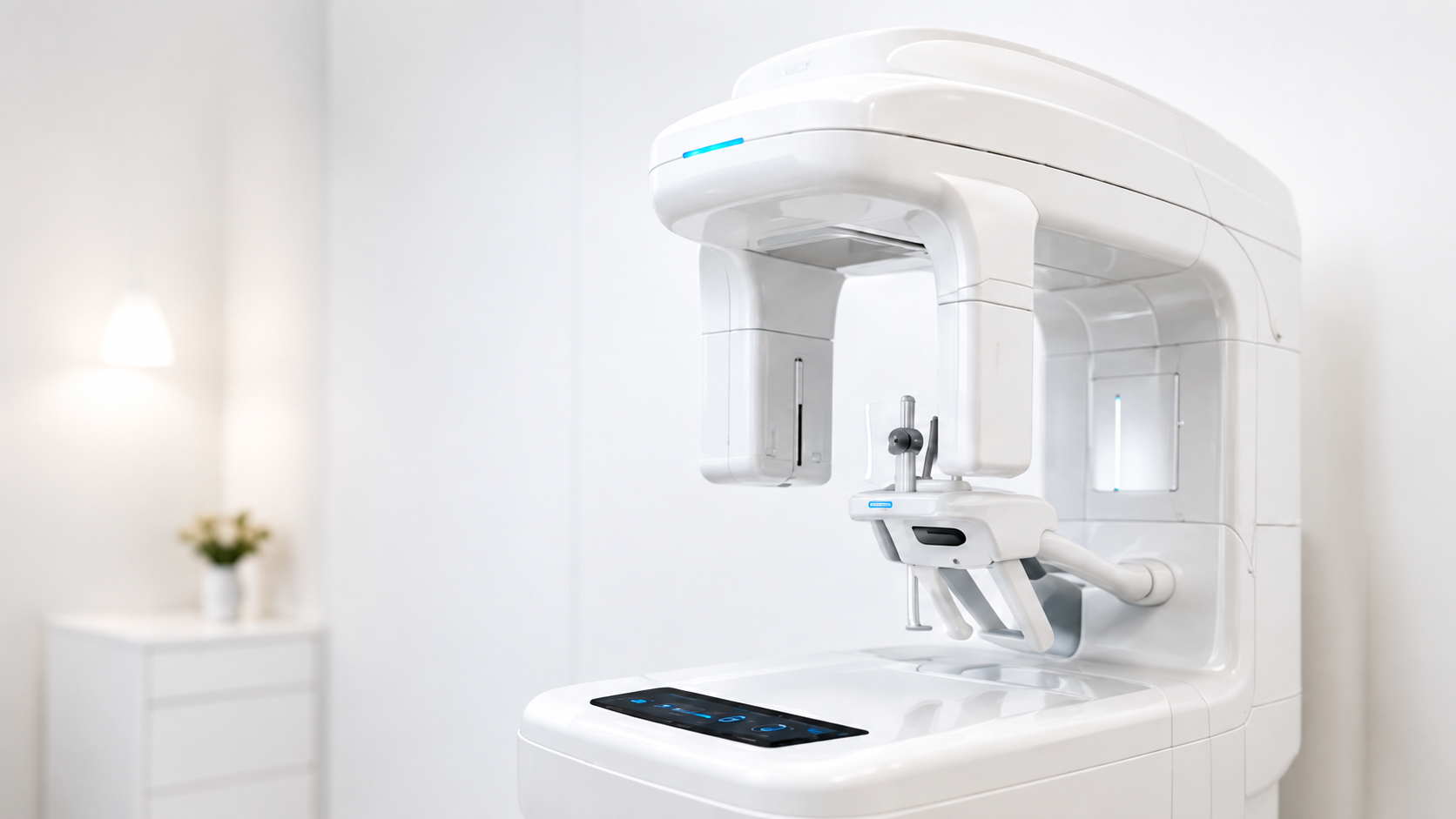
Facial scanning, intraoral scanning and a worn wax-up trial are standard here, not premium extras.
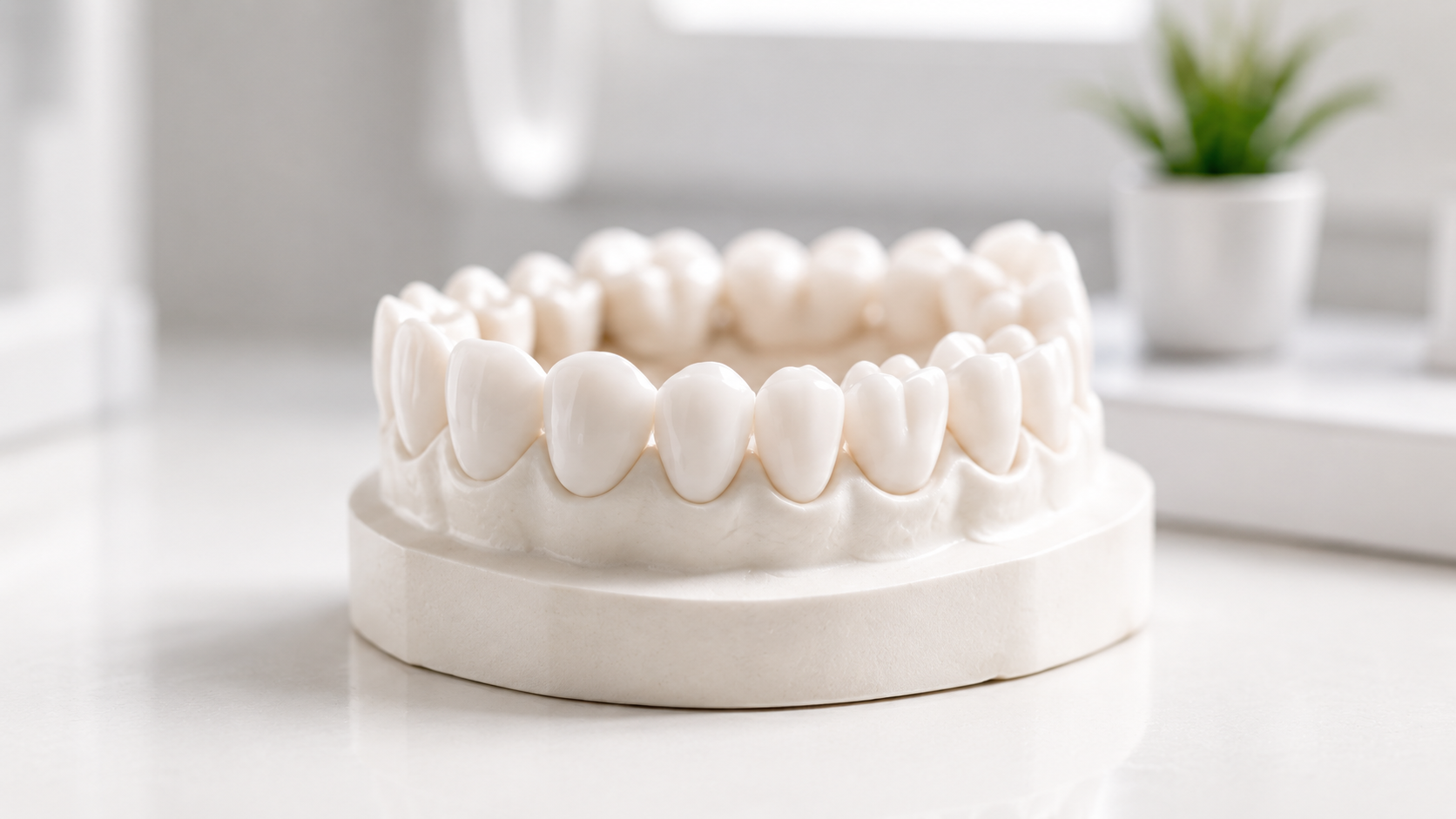
Planning, wax-up and mock-up are part of the case price rather than a separate design fee.
Hundreds of direct routes, so the design visit and the fitting fit inside one trip.
The design conversation is the important one, and it happens in your own language.
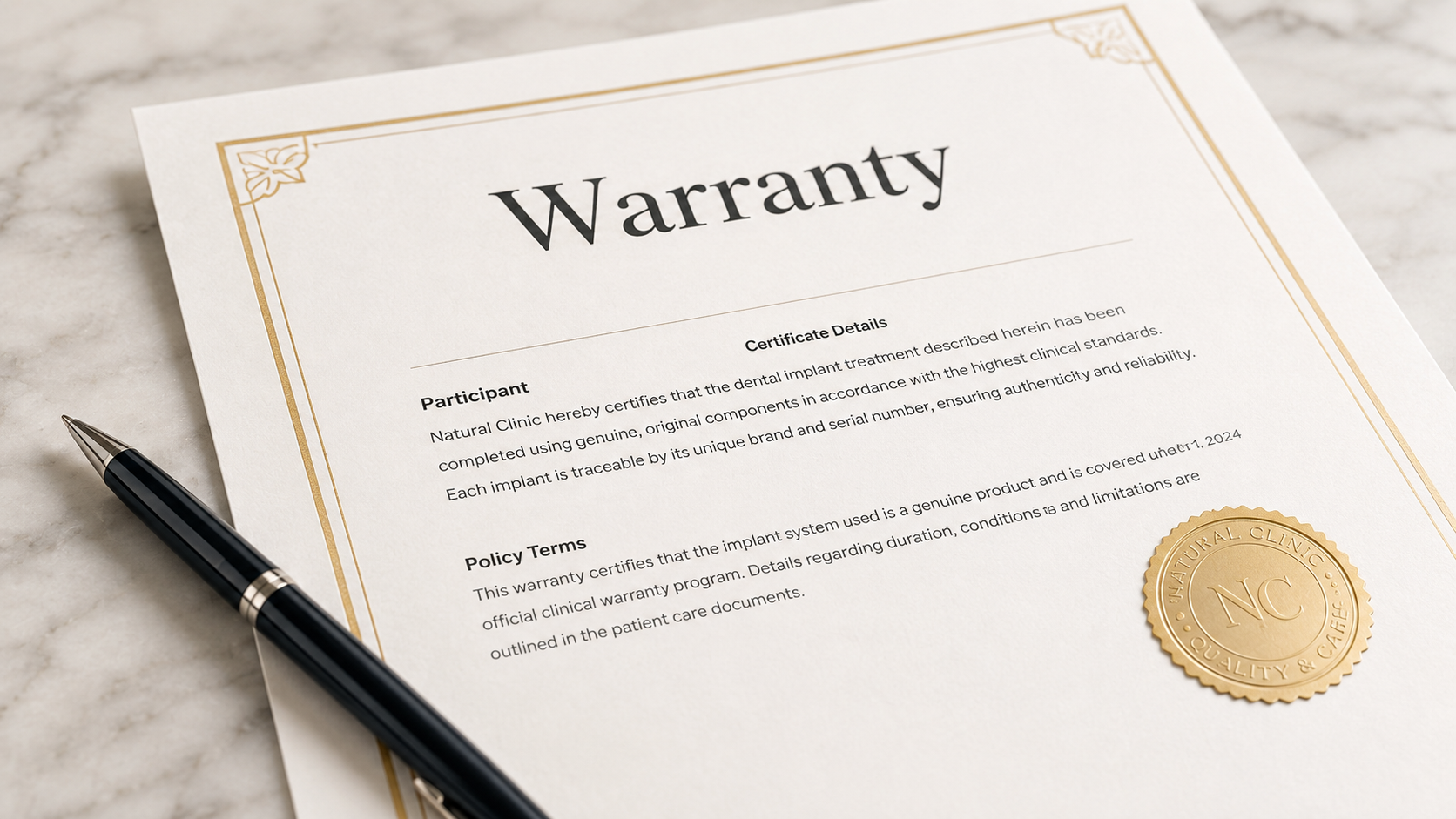
Ask for the design images and the STL scan file — a clinic with nothing to hide will send them.
Everything here is reversible — that's the point of designing digitally first.
Short video clips show how much tooth shows when you talk and smile.
You sit beside the dentist as tooth outlines are dragged, widened or shortened over your own photo.
The design becomes a mock-up you can photograph and speak with.
Once signed off, the same digital files guide every restoration.
How digital smile design turns photos and scans into a plan you can try on.
Digital smile design is a planning process that uses photographs, video and intraoral scans to design your new smile on a computer before any treatment begins. It considers your facial proportions, lip movement and tooth shapes, and becomes the blueprint for veneers, crowns or other cosmetic work.
Digital smile design lets you see and discuss the proposed result before any irreversible step is taken. It improves communication between you, the dentist and the laboratory, and helps avoid outcomes that look good on individual teeth but do not suit your face as a whole.
No. Digital smile design is a planning stage rather than a treatment. The approved design is used to guide procedures such as veneers, crowns, gum contouring or orthodontic alignment, and to produce a physical mock-up you can try before committing.
Digital smile design is not sold as a separate service at Natural Clinic. It forms part of the planning for cosmetic treatments such as veneers and smile makeovers, and your written treatment plan shows the design and mock-up stage together with the procedures it is used to guide.
Digital design and a trial mock-up are standard steps in Natural Clinic's veneer process. Your itemised plan confirms what the planning stage includes, so you can see that the design is completed before any tooth preparation begins. Seeing the design first helps you decide how many teeth genuinely need veneers.
Refinements made during the design and mock-up stage are part of the planning process. The purpose of this stage is to adjust length, shape and proportions until you are satisfied, before the design is finalised and sent to the laboratory.
Digital smile design carries essentially no clinical risk, because it only involves photographs, video and a scan of your teeth. The mock-up is a temporary resin placed over the teeth and removed afterwards without altering them. The only real risk is skipping this step and discovering a mismatch after irreversible preparation.
No. Nothing is removed from your teeth during digital smile design. The preview is created digitally and then transferred to a removable mock-up, so you can evaluate the design before any preparation is agreed. Any preparation is only planned after you have approved the design.
Yes. Until you approve the final design, nothing irreversible has been done. You can request changes, choose a different shade or shape, or decide to postpone treatment, which is one of the main advantages of planning digitally first. The digital files can be kept for future reference if you decide to proceed later.
Digital smile design usually takes place during the first one or two days of your cosmetic treatment visit. Records are captured, the design is created and discussed, and a mock-up is prepared so you can review the result before treatment continues.
Records typically include facial and smile photographs from several angles, short videos of you speaking and laughing, and an intraoral scan of your teeth. Video is especially useful, as it shows how much of your teeth are visible during natural movement.
Your smile photographs can be reviewed before you arrive, allowing the team to assess your goals and suitability in advance. The full design, including scans and video, is completed in the clinic so it reflects accurate measurements of your teeth.
The laboratory uses the same digital files you approved to create your restorations, so the final result closely follows the design. Minor refinements may be made at the try-in to account for how the restorations look in natural light. The try-in stage is where you confirm that the restorations match what you approved.
Digital smile design considers the facial midline, lip line and the proportions of each tooth relative to your face. A smile designed this way can improve overall facial harmony, rather than only changing the appearance of individual teeth. Tooth width, length and the curve of the smile are all adjusted to your features.
Once approved, the design is sent to the laboratory and becomes the template for your restorations. Tooth preparation, temporaries and final restorations then follow the plan, so each stage is guided by the smile you have already seen and agreed.
A design is only a drawing until it is built — in veneers, crowns, whitening and, where teeth are missing, implants. Each of those has its own page with the materials, the timeline and the price set out in full.
Personalised Care, Just for You
Send a straight-on smiling photo, a relaxed one and any X-ray you already have. One of our dentists reviews your case and replies with a realistic assessment — what a design would change, how many teeth it would genuinely involve, which are better whitened or left alone, what it costs with hotel and transfers included, and how many days you’ll be in Istanbul. No obligation, no pressure, no cost.
Get My Free Design Assessment100% Confidential & Secure
Reply Within 24 Hours
Reviewed by Our Dentists
Almost every argument about cosmetic dentistry — how many teeth, veneers or crowns, how much enamel, what it should cost — is settled at the design stage or not settled at all. This is what happens in that stage, and what to insist on while it is still reversible.
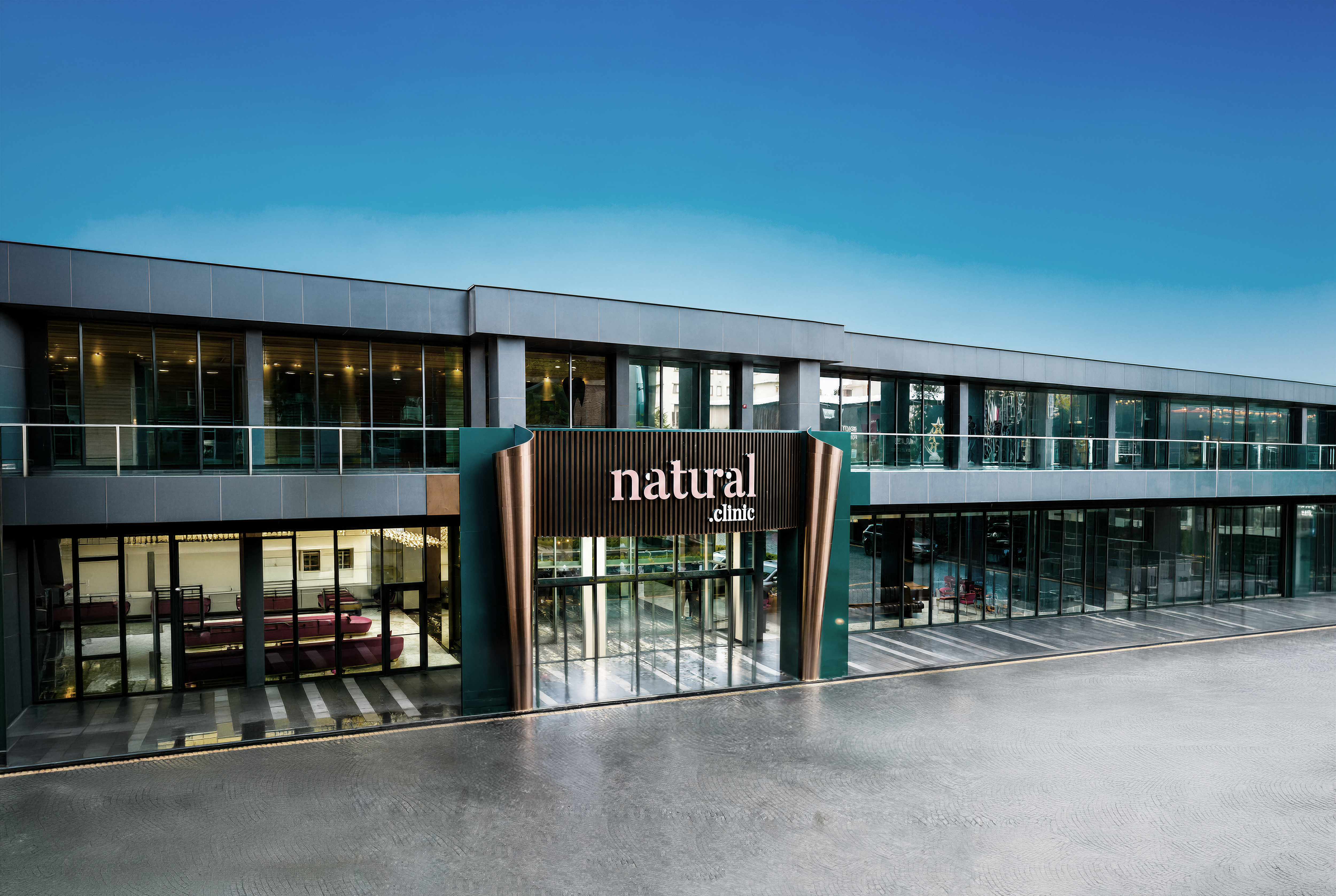
The question in the header is a fair one, and the honest answer is: almost. With digital smile design, usually shortened to DSD, you can see, wear and tweak a close version of your new smile before a single tooth is prepared. What you can't see is the finished ceramic, and knowing the difference is part of getting the most out of it.
Most people asking about digital smile design in Turkey have one worry underneath. They've seen results that looked wrong, and they don't want to be next. The design stage is the answer to that, but only if you know what goes on in it and what to ask. This section walks through both.
The pathway above lays out four stages: capture, on-screen design, a removable preview, and approval. Each has its own job.
First the team gathers what a designer needs: the shape of your face, how your lips move, and what your teeth look like now. That becomes a proposal on screen. The preview puts the proposal into your mouth. Approval then turns it into the instructions everything else follows, from how much tooth comes off to how the lab shapes each piece.
The "digital" part is that all of it runs off one set of files. What you sign off is what gets made.
A proper record isn't one smiling selfie. It's a set: your face relaxed, a natural smile, a full laugh, your profile, and close-ups of the teeth with your lips gently held back. Then a 3D scan of your teeth, and a short video of you talking.
The video catches what photos miss. You'll probably be asked to say "Emma" and then let your lips go loose. Odd, but there's a reason. How much of your top teeth shows at that moment is one of the best guides to how long they should be. Saying "f" or "v" shows where your top edges meet your bottom lip. Counting from sixty to seventy shows what happens with "s" sounds. None of that shows up in a posed smile, and all of it decides whether your new teeth feel right when you talk.
Once the photos are in, the designer draws a few guide lines. One runs straight down the middle of your face. One runs across, usually level with your eyes, as a horizon for the smile to sit on. Another follows the corners of your mouth.
That's why the process starts with your face, not your teeth. Teeth can be perfectly symmetrical on their own and still look crooked if they're tilted against the face. Funnily enough, most people barely notice if the line between the two front teeth sits a little off-centre. A tilt, they notice straight away. So the design works hardest on keeping the smile level and the front teeth upright, not leaning.
The page above mentions the midline is checked against your nose. Faces are rarely perfectly symmetrical, though, so the designer picks whichever reference looks most natural on you rather than forcing everything onto one line.
You may read about the "golden proportion" in smile design: the idea that each front tooth should look a fixed fraction narrower than the one in front of it. Lovely theory. In real life, studies of natural, attractive smiles find very few follow it, and designs squeezed into it can look narrow and fake.
Modern design works from ranges, not a formula. The two front teeth are usually a little longer than they are wide. The ones beside them are narrower and slightly shorter. Within that, your face shape, lip fullness and taste fill in the details. A designer who can explain why they chose the proportions they did, rather than just applying a template, is doing it right.
Once the 2D design is agreed against your face photos, it moves onto the 3D scan of your teeth. Each new tooth is shaped in three dimensions, which is where thickness and the back surface get worked out.
From that 3D design, a model of your future teeth is printed. A clear mould is taken from it, filled with tooth-coloured resin and pressed over your own teeth for a few minutes. When it comes off, the resin stays put, shaped exactly like the design. That's your mock-up. It sits on top of your teeth, nothing has been drilled, and it comes off afterwards without any harm.
The pathway above describes live edits, with you sitting next to the dentist while outlines are tweaked on your own photo. It's one of the most useful parts, and it helps to go in with a plan.
Length, width and edge shape are easy to judge on screen. Try longer, then shorter, then softer corners, and flick between them. Colour, though, ignore for now. Every screen shows it a bit differently, so don't pick a shade off a monitor. Leave that for the mock-up and for shade samples held against your face in daylight.
Bring photos of smiles you like, and be specific. "I like how the edges curve" helps a designer far more than "I like her teeth".
The mock-up is great for judging shape, length, width and how your lips sit over the new teeth. It shows how you'll sound and how the smile looks on your face from every angle.
It's less reliable on two things. Resin is chalkier than ceramic, so expect the mock-up to look a bit flat and lifeless; the real teeth nearly always look better. It can also feel slightly bulky, because it's sitting on teeth nobody has reshaped yet. On the day, some of that bulk comes off the tooth instead of being added. Knowing that saves a lot of worrying.
Hardly anyone hears about this step, and it may be the most valuable one. Once you've approved the mock-up, it can guide the preparation itself.
Often the dentist prepares the teeth straight through the mock-up, using it as a map of where the new surface will be. Because the final shape is already there in resin, only what's needed for the ceramic comes off, and only where it's needed. Teeth sitting further back may need almost nothing. Teeth sitting forward need a bit more. Without that guide it's easy to take an even layer off every tooth, which usually means taking too much.
As the page above says, the design often shows how few teeth actually need treating. Once the smile is drawn against your real lips, some teeth you expected to cover turn out to be barely visible. Others that seemed to need crowns are fine with veneers, or just whitening.
Sometimes the design shows ceramic isn't the first step at all. A tooth that's badly out of line may be better moved first. An uneven gum line may need contouring before anything else. Our smile makeover page explains how those steps are put in order.
The section above suggests asking for your design images and scan files. There's a practical reason. The scan is an exact digital copy of your teeth, and the design shows the shape everyone agreed. Picture yourself ten years from now with one chipped veneer and a dentist in your home town trying to match it. With the files, they start from the exact shape. Without them, they're working from a phone photo and a guess.
So ask for them before you leave Istanbul, and save a copy somewhere you'll still find in a decade.
According to the price section above, digital smile design in Turkey comes included with every veneer and crown case here: records, design, wax-up and mock-up. No separate design fee.
What you pay for is the treatment the design plans. The page lists ceramic units at €200 each, a six-unit smile line from €1,200 and an upper arch of ten from €2,000. Depending on the material, a veneer ranges from €130 to €200, and zirconia crowns are €150. If a tooth is missing, an implant starts from €230. How many of each end up on your bill is exactly what the design decides.
The most useful before and after for DSD isn't just the final smile. Ask to see the mock-up photo next to the finished result. If they look almost the same in shape, the planning did its job. Reviews that mention the mock-up stage, and whether the final teeth matched it, tell you more than ones that only praise the colour.
Yes, just a smaller version. With one front tooth, nobody's redesigning your smile. The job is making that tooth blend in with the two either side, in length, edge shape and where it meets your lip. You still get a quick mock-up during your Istanbul visit, and the colour is matched separately against its neighbours.
The page above asks for a straight-on smiling photo, a relaxed one and any X-ray you already have. Most phone photos we get are taken from below, in a bathroom, with the selfie camera. Try the opposite. Phone at eye level. Main camera, or a friend holding it. Face a window so the light's even. Turn off any beauty filter. And take one with your lips relaxed and slightly apart, as if you're about to speak, because that's the view the designer uses to judge tooth length.
If you want a design that goes all the way to a brighter, more even look across the whole smile, that route is explained under Hollywood smile in Istanbul.
© 2026 Natural Clinic. All rights reserved.
.webp?v=munsoawu)