 English
 Italiano
 Español
 Français

- Dental Treatments
- Hair Treatments
- Plastic Surgery
- Weight Loss Surgery
Istanbul, Turkey — A Strip, and a Scar You Keep
The Technique We Recommend Least Often — and Sometimes Still Recommend.
A strip of donor scalp removed and dissected under magnification. The largest single-session yield of any technique here, the most efficient use of a limited donor area — and a permanent linear scar across the back of the head. Quoted per case, not covered by our FUE and DHI packages.
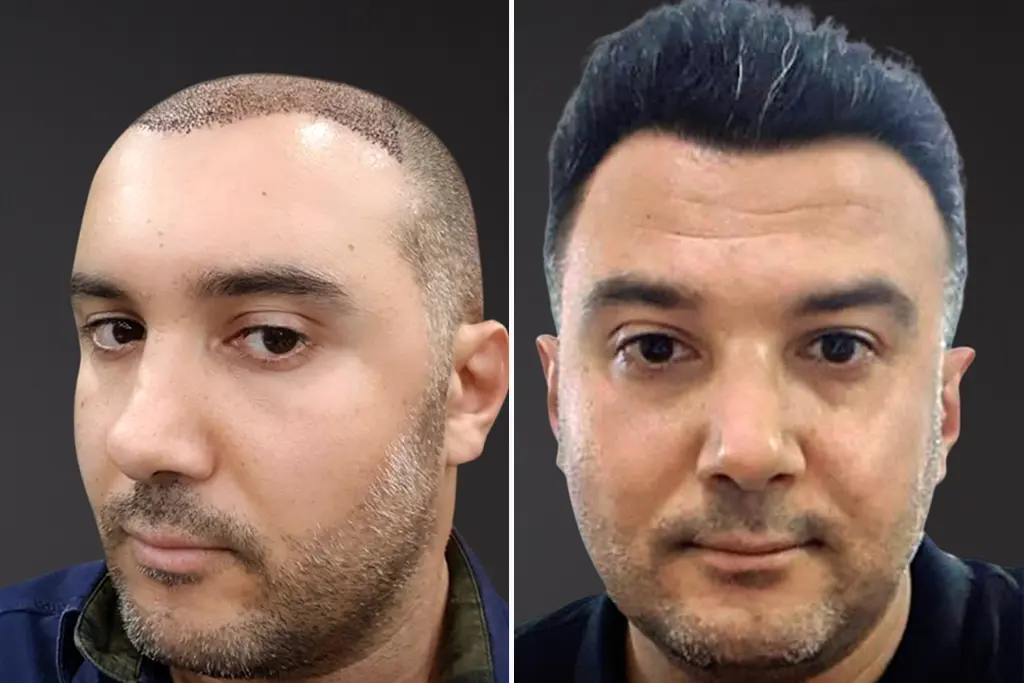
FUT cases from our Istanbul facility, with written consent, each dated. Two of the five show the donor scar rather than the hairline, because that is the part you are entitled to see before you decide. Results vary widely.
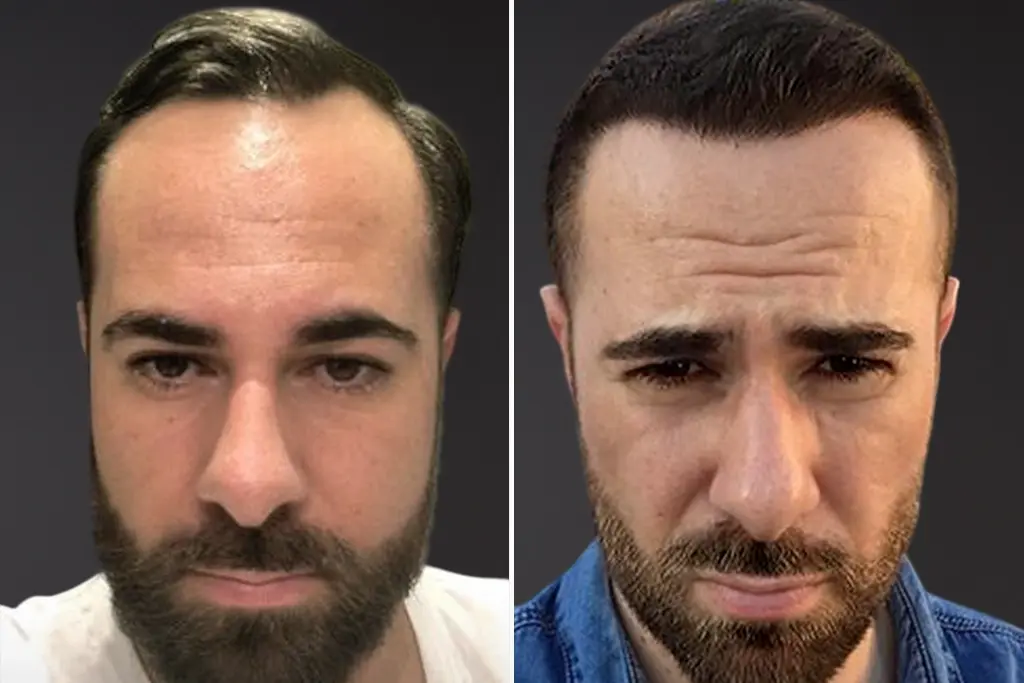
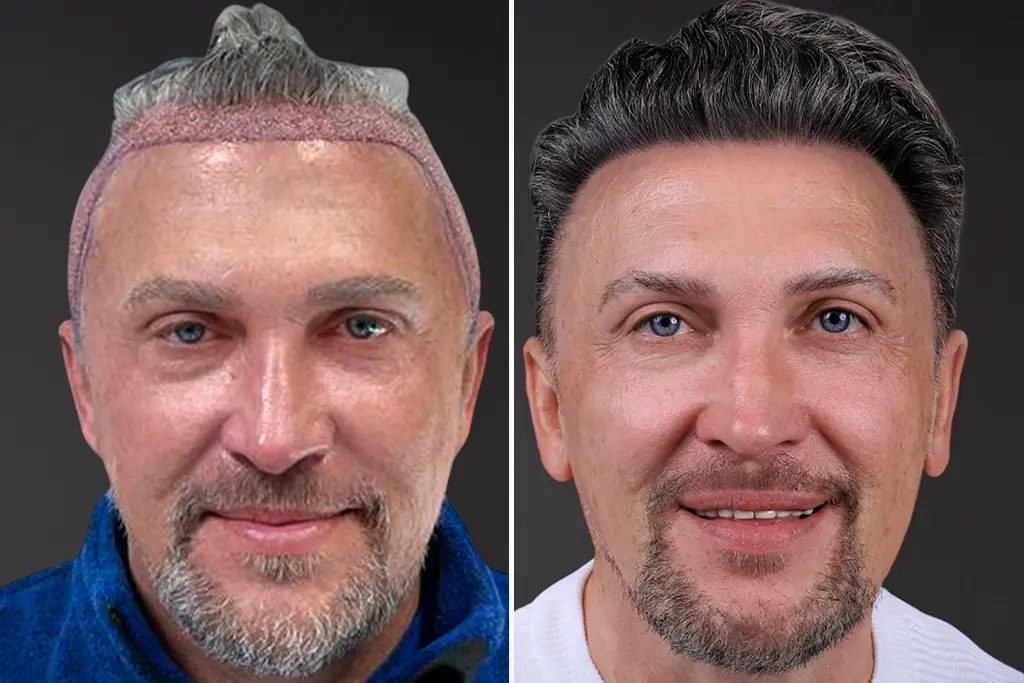
Recorded with consent, none filmed before month nine. We asked all six the same question about the donor line, and we left the answers in.
Natural Clinic brings several specialist fields together under one roof: hair transplantation, dentistry, facial, body and breast aesthetics, bariatric surgery and reconstructive treatments. Cross-disciplinary medical teams, multilingual coordination and internationally recognised safety standards carry each patient from consultation and treatment planning through to recovery and aftercare.
Advanced treatments across multiple medical specialties
Experienced specialists working across disciplines
Large-scale medical infrastructure in Istanbul
Consultation, treatment, recovery and aftercare coordinated under one roof
A band of scalp is removed from the back of the head, the edges are closed with sutures, and the strip is dissected under magnification into individual follicular units. It is the original technique and the only one on this site that is not a form of FUE. It yields more grafts in one sitting than anything else — and it leaves a line.
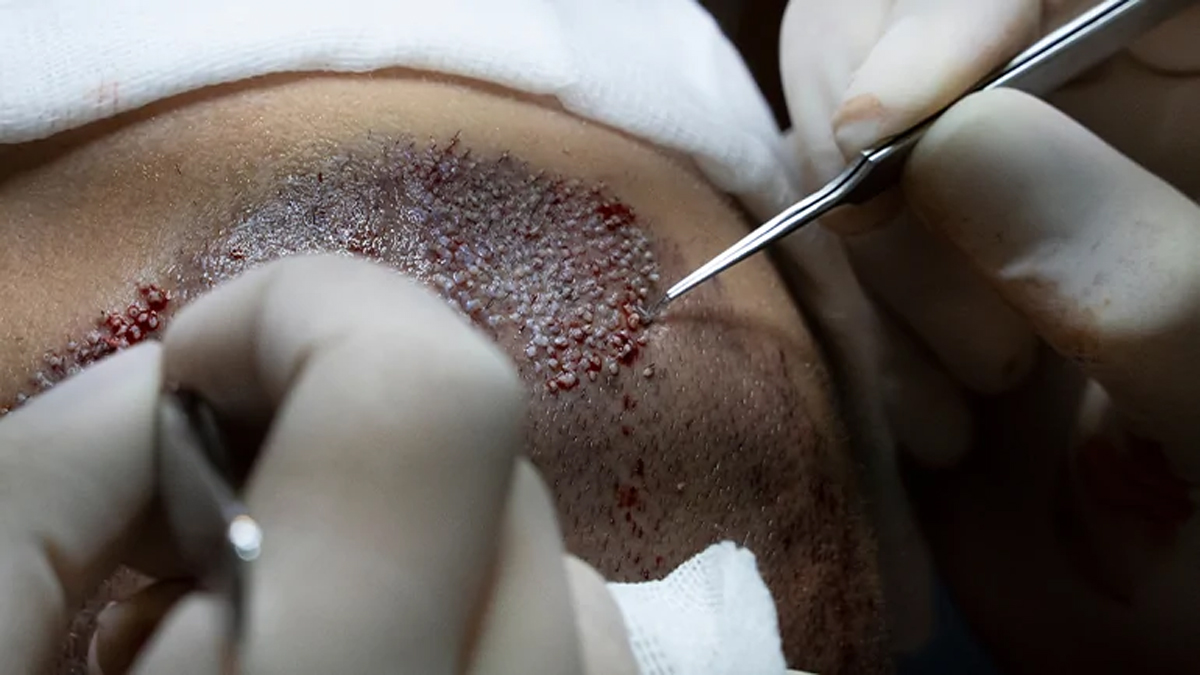
Strip harvest · sutured · permanent linear scar
Under local anaesthetic, a strip is taken from the safe zone at the back of the head and the edges are sutured closed. A team then separates the strip into individual follicular units under magnification — which is where the technique’s efficiency comes from, because almost nothing is wasted. The units are placed exactly as in FUE. The donor closure heals into a line: it fades and narrows over months, and it does not disappear.
A very large yield is needed in one sitting, or a donor area already thinned by previous FUE has to be used as efficiently as possible.
Quoted per case. Our published packages cover FUE and DHI; a strip procedure is priced separately after assessment.
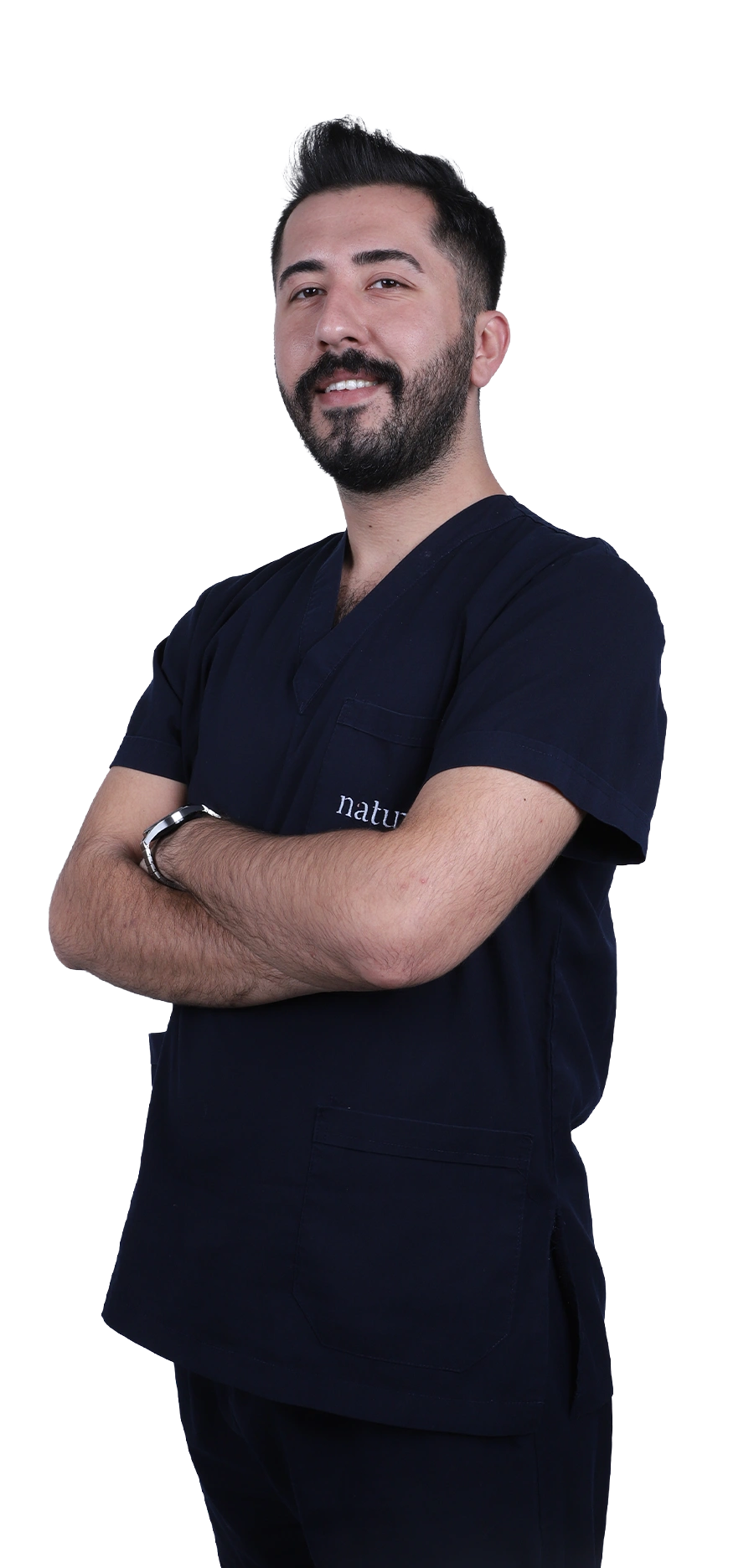
Hair Transplant Specialist
Sefa Yaşar graduated from the First and Emergency Aid (Paramedic) Program at Beykent University. He began his healthcare career as an emergency department nurse and has been working in the field of hair transplantation since 2018. He has experience in pre-operative preparation, hair transplant procedures, and patient follow-up.
Education
Turkey does more hair transplants than anywhere else, and almost all of them are FUE. That makes a clinic that still performs strip properly harder to find, not easier — the dissection team and the closure technique are skills that atrophy without volume. Ask how many strip cases they do a year before you ask what it costs.
.png)
Theatres, recovery and aftercare in the same building, not a subcontracted hospital.
.png)
1,020,000 international operations were performed in Turkey in 2023. Volume is the honest advantage.
.png)
Lower operating costs, not lower standards. The same procedure runs £3,000–£10,000 in the UK.
.png)
We will try to talk you into FUE first. If a strip is still the right answer, we will say so.
.png)
English, Italian, Spanish and French. The plan and the aftercare explained in your own language.
.png)
Ask what happens when the transplanted hair falls out. It will, and it is normal.
FUT is chosen for big graft needs or an FUE-depleted donor — accepting a linear scar.
If you wear your hair very short, the scar will show; this is agreed before booking.
Looseness of the back scalp limits strip width and graft yield.
Technicians divide the strip into follicular units while the recipient area is prepared.
Your aftercare states when and where the stitches come out.
Hair grows in while the donor scar flattens and fades.
FUT leaves a linear scar, and that trade-off is worth understanding. These answers cover when FUT makes sense and how it heals.
FUT (Follicular Unit Transplantation) is a hair transplant technique in which a strip of hair-bearing skin is removed from the back of the head, divided into individual follicular units under magnification, and implanted into thinning areas. The strip wound is stitched closed and heals as a single linear scar.
FUT is reserved for two main situations: patients who need a very large number of grafts, and patients whose donor area has already been thinned by previous FUE sessions. In both cases, taking a strip can yield grafts without further punching an area that has little density left to spare.
FUT is usually a poor fit for people who wear their hair very short, because the linear scar can show. It also depends on scalp laxity: if the skin at the back of the head is tight, only a narrow strip can be closed safely, which limits the number of grafts it can provide.
Every other technique here extracts follicle by follicle and leaves no line. If you are not certain a strip is right for you, start with FUE.
Personalised Care, Just for You
Send photographs of the front, top, crown and back of your head. A surgeon replies with the graft number your donor area can actually spare, which of the six techniques it calls for, what it costs with hotel and transfers included, and how long the result will take. Including when the honest answer is fewer grafts than you hoped for, or medication before surgery. No obligation, no cost.
Get My Graft Estimate
© 2026 Natural Clinic. All rights reserved.