 English
 Italiano
 Español
 Français
.webp)

- Dental Treatments
- Hair Treatments
- Plastic Surgery
- Weight Loss Surgery
Istanbul, Turkey — 3 to 5 Days, No Surgery
No Surgery, No Healing Months — and Two Healthy Teeth to Think About First.
A fixed bridge closes a gap in three to five days, with no surgery and no healing months. The trade is the anchoring: the teeth either side must be prepared. If they already need crowns, that costs you nothing extra — if they do not, we will say so.
Real bridge cases treated at our Istanbul clinic, shared with written patient consent. Some of these were bridges because a bridge was the better answer; others because the teeth beside the gap already needed crowning anyway.
.webp)
.webp)
Short video testimonials recorded with patient consent. Every one of them started exactly where you are now — with a free assessment and a few photos.
Natural Clinic brings several specialist fields together under one roof: hair transplantation, dentistry, facial, body and breast aesthetics, bariatric surgery and reconstructive treatments. Cross-disciplinary medical teams, multilingual coordination and internationally recognised safety standards carry each patient from consultation and treatment planning through to recovery and aftercare.
Advanced treatments across multiple medical specialties
Experienced specialists working across disciplines
Consultation, treatment, recovery and aftercare coordinated under one roof
Large-scale medical infrastructure in Istanbul
One fixed piece of ceramic: a replacement tooth held by crowns on the teeth either side. It does not come out, it is not a denture, and it is finished in one visit.
.webp)
Three to five days
The teeth either side are prepared under local anaesthetic to take retainer crowns, and a 3D scan goes to our laboratory in the same building. You wear a temporary while the definitive bridge is milled, then it is tried in unfixed — margins, bite, shade in daylight, and how the replacement tooth meets the gum — before it is cemented as one piece.
One or two missing teeth whose neighbours already carry crowns or large fillings, or where surgery is not an option. Longer spans lean harder on the same two supports.
Preparing the two supporting teeth. Where they are already restored, almost nothing is lost; where they are untouched and healthy, it is a permanent commitment.
Implant Dentistry
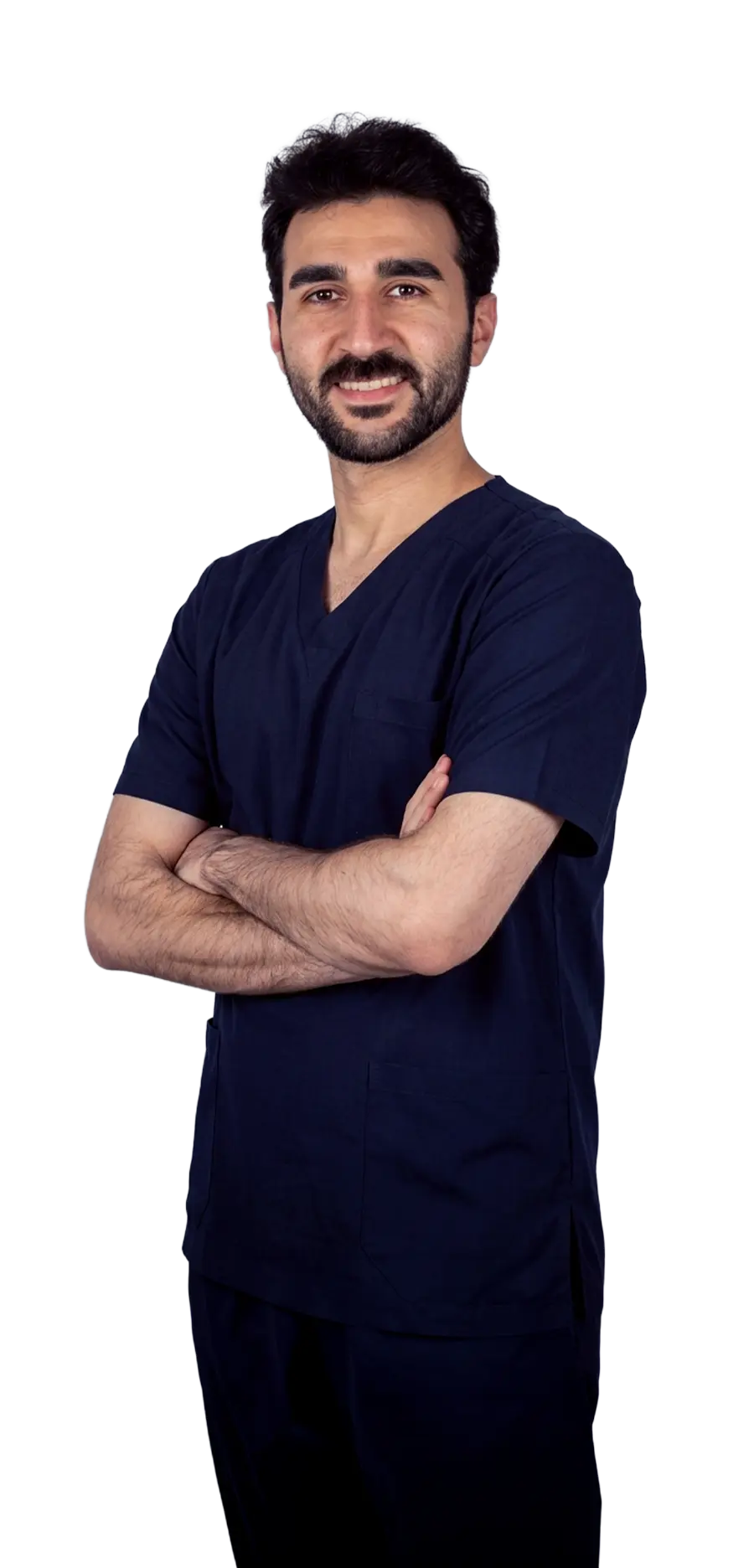
Born in Bandırma in 1995, Dr Ömer Reşat Gültek studied at İnegöl Mediha Hayri Çelik Science High School before turning to dentistry — and he still thinks like a materials scientist. Which ceramic, which technique, which protocol for this particular tooth: those are the questions he takes seriously, and they are why his root canal treatments hold. What patients mention, though, is the manner. He explains as he works, he does not rush, and a single filling gets the same attention as a full arch.
Certificates
A bridge is one of the treatments travel suits best: no surgery, no healing months, finished inside a single week. The condition is the same as anywhere — that someone tells you honestly whether your supporting teeth should be carrying it at all, rather than fitting the treatment that finishes inside your trip.
Spans and margins done daily rather than occasionally is how bridgework gets precise.
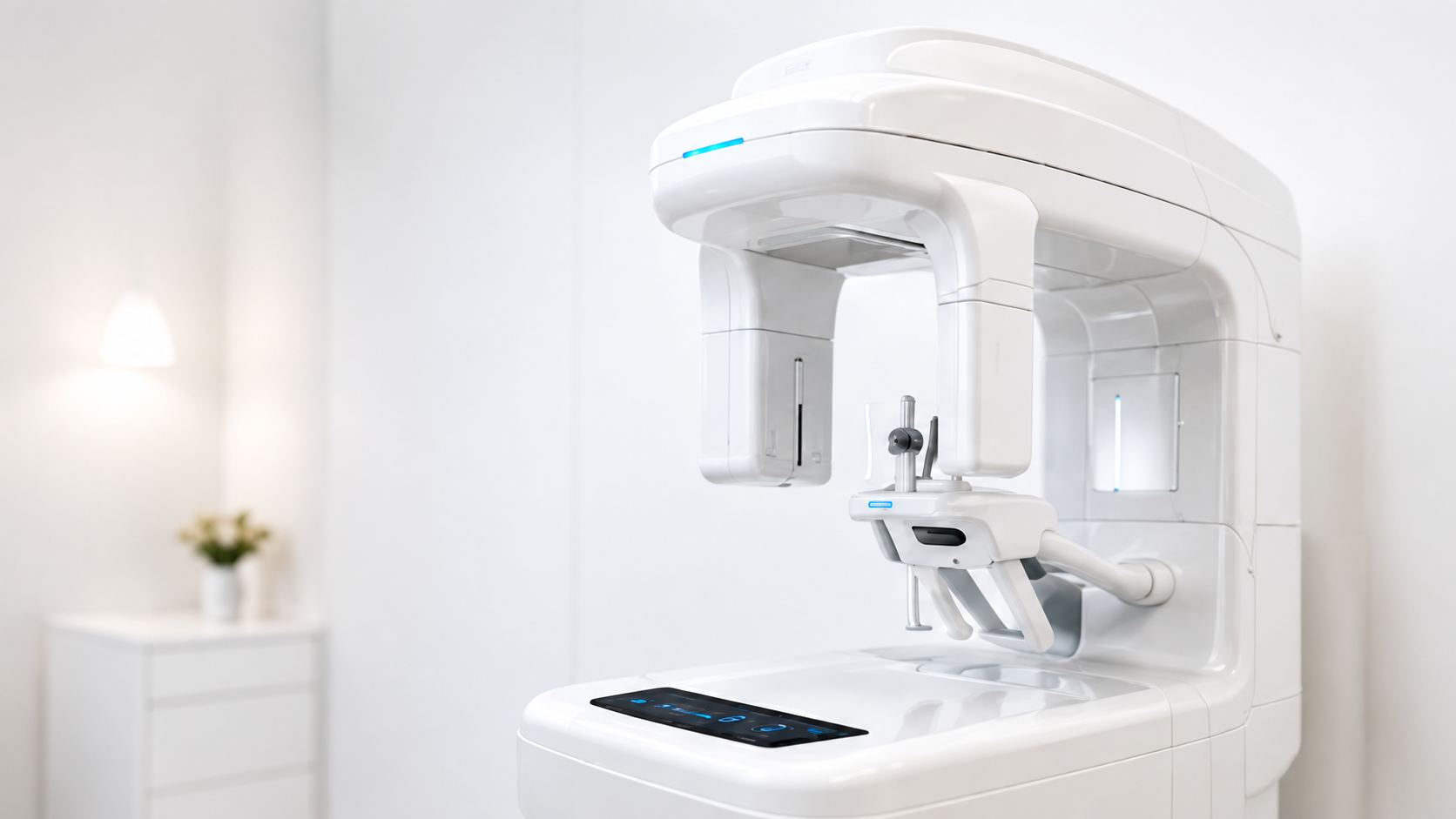
The bridge is milled and layered in the building, so a change at try-in is hours.
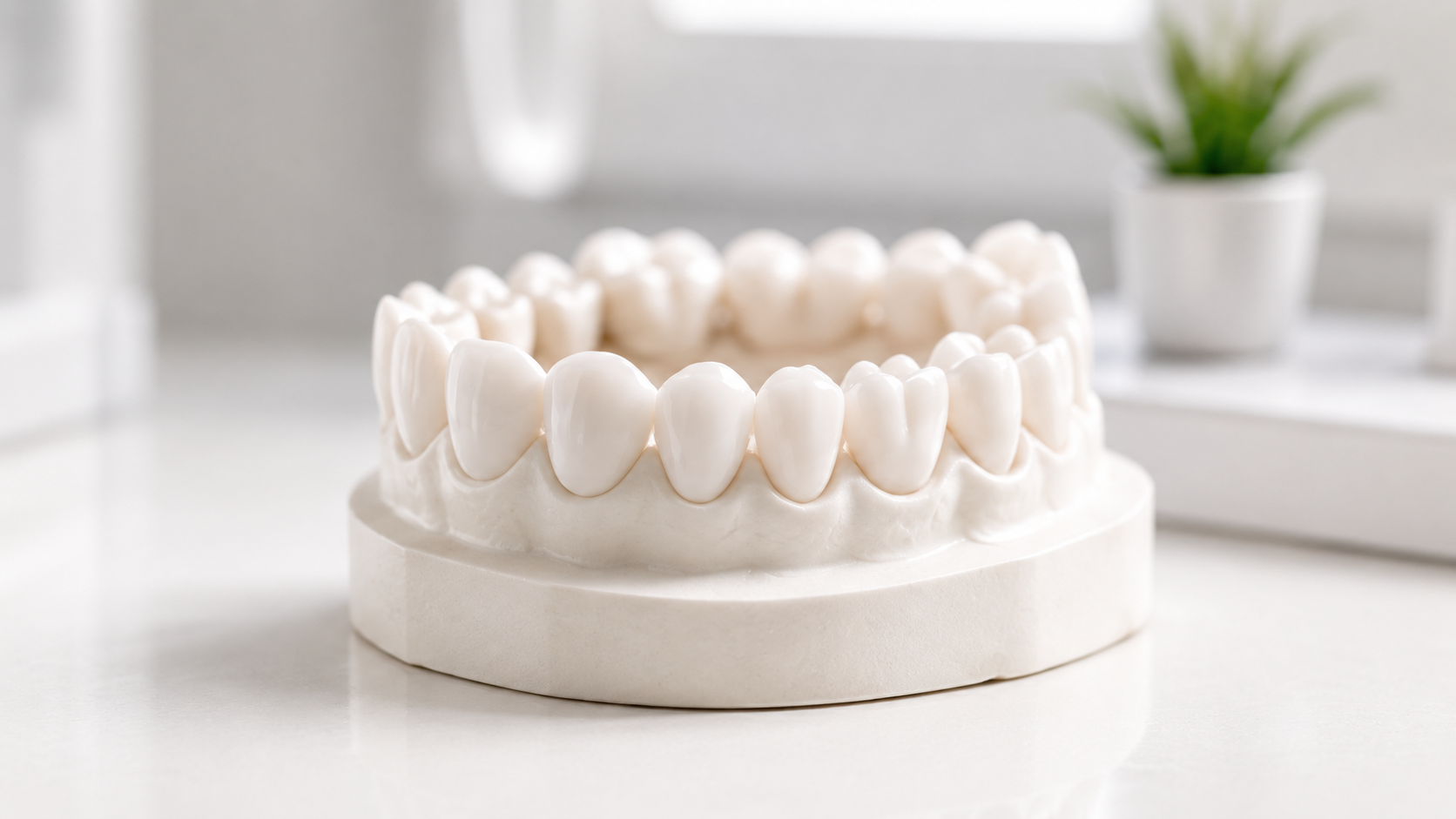
We place implants and make bridges in the same corridor, so we have no reason to steer you.

No surgery and no integration to wait for — the whole thing fits in one visit.

The trade-offs explained properly, in your own language, before anything is prepared.
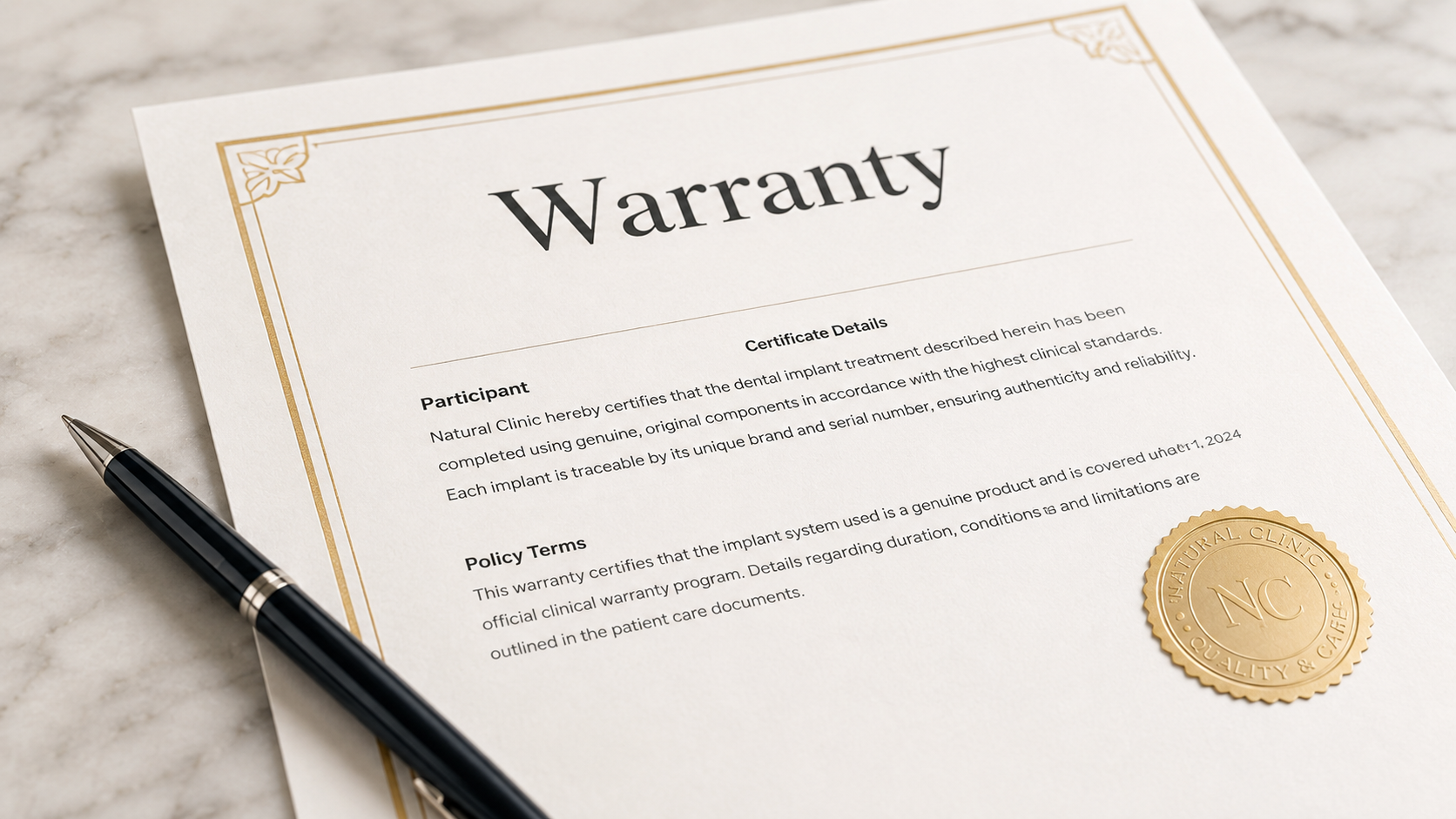
The material of every unit named in writing, with 15-year coverage for eligible work.
A bridge is quicker than an implant but relies on the teeth either side.
When the teeth beside the gap are sound and have never been filled, grinding them down for a bridge sacrifices healthy enamel; in that case an implant is usually the kinder long-term choice.
The supporting teeth are examined for decay and root stability before being prepared.
On the day the anchor teeth are shaped, an acrylic three-unit provisional is cemented so you never walk around with an open space.
After fitting, you're shown how to clean beneath the false tooth with threaders or interdental brushes.
How a dental bridge works, when implants are better, and what treatment in Istanbul involves.
A dental bridge is a fixed restoration that replaces one or more missing teeth by joining an artificial tooth to crowns on the neighbouring teeth or on implants. Unlike a denture, it is cemented in place and cannot be removed at home.
A bridge is often suitable when the teeth next to a gap are strong and already need crowns, for example because of large fillings. It can also be a faster option than an implant, as it does not require months of bone healing before the final teeth are fitted.
Each has advantages. An implant replaces the missing root and leaves neighbouring teeth untouched, while a traditional bridge requires preparing the adjacent teeth but can be completed more quickly. Your dentist compares both options based on the health of the surrounding teeth and bone.
A bridge is one of several ways to close a gap, and not always the best one. Each alternative has its own page with the materials, the timeline and the price set out in full — read the implant page before you commit two healthy teeth to carrying a bridge.
Personalised Care, Just for You
Send the X-ray you already have and a photograph of the gap. One of our dentists replies with a straight answer — what condition the neighbouring teeth are in, which bridge design would suit, whether a resin-bonded version is possible in your case, and what an implant would cost instead. Including when the honest answer is that we would not touch those neighbours at all. No obligation, no pressure, no cost.
Ask Which Is Right for My Gap
© 2026 Natural Clinic. All rights reserved.
.webp)