 English
 Italiano
 Español
 Français
-1.webp)
- Dental Treatments
- Hair Treatments
- Plastic Surgery
- Weight Loss Surgery
Istanbul, Turkey — The One That Covers Grey
For the Teeth a Thinner Ceramic Cannot Hide — and Only for Those
One tooth has gone grey and no amount of whitening reaches it. Zirconia is the only ceramic opaque enough to cover that completely — which is also why we will not put it on the teeth that do not need it.
Real masking cases treated at our Istanbul clinic, shared with written patient consent. These are the cases a translucent ceramic could not have covered. Ask to see the full gallery for a case like yours.
Short video testimonials recorded with patient consent. Every one of them started exactly where you are now — with a free assessment and a few photos.
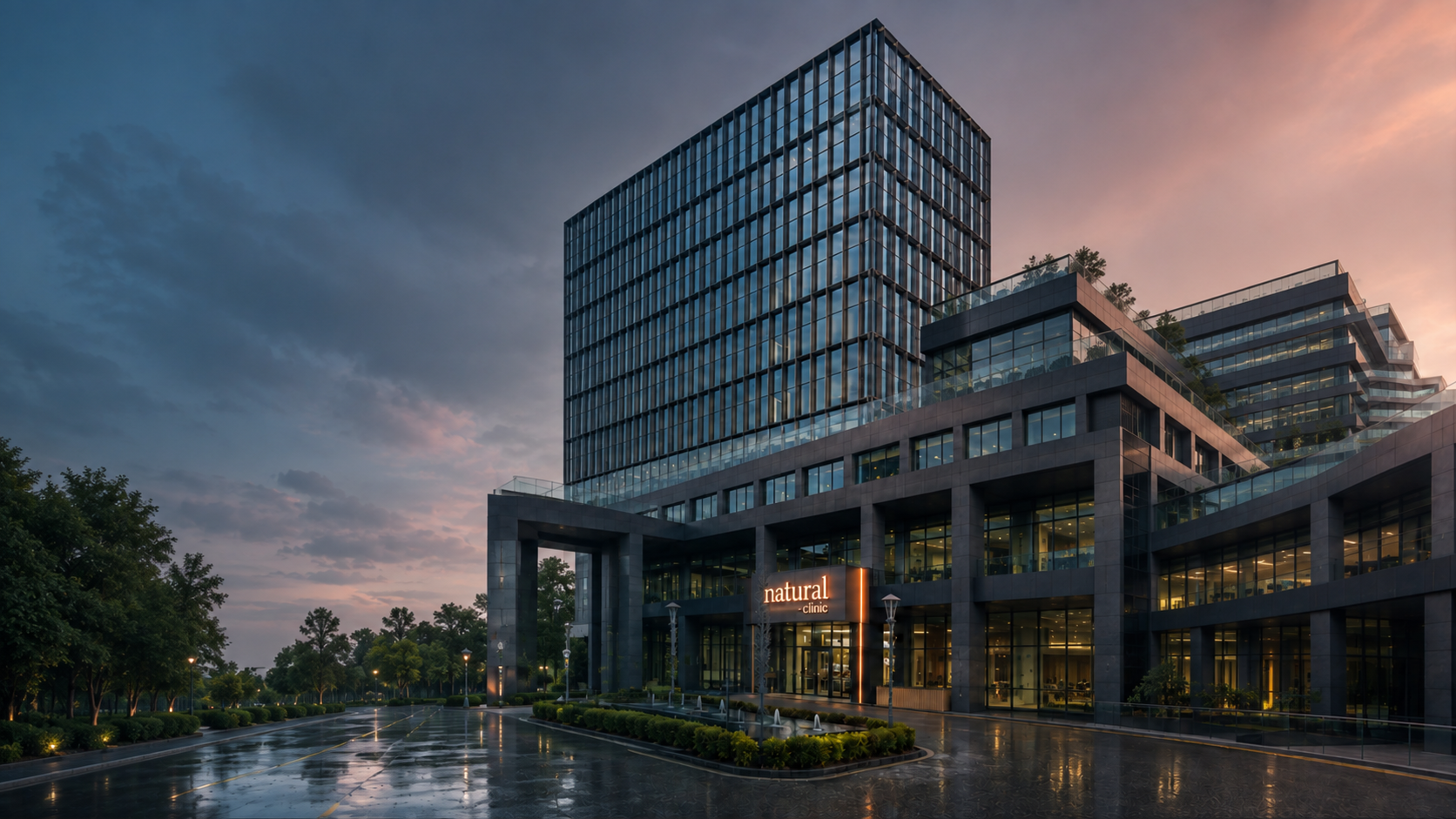
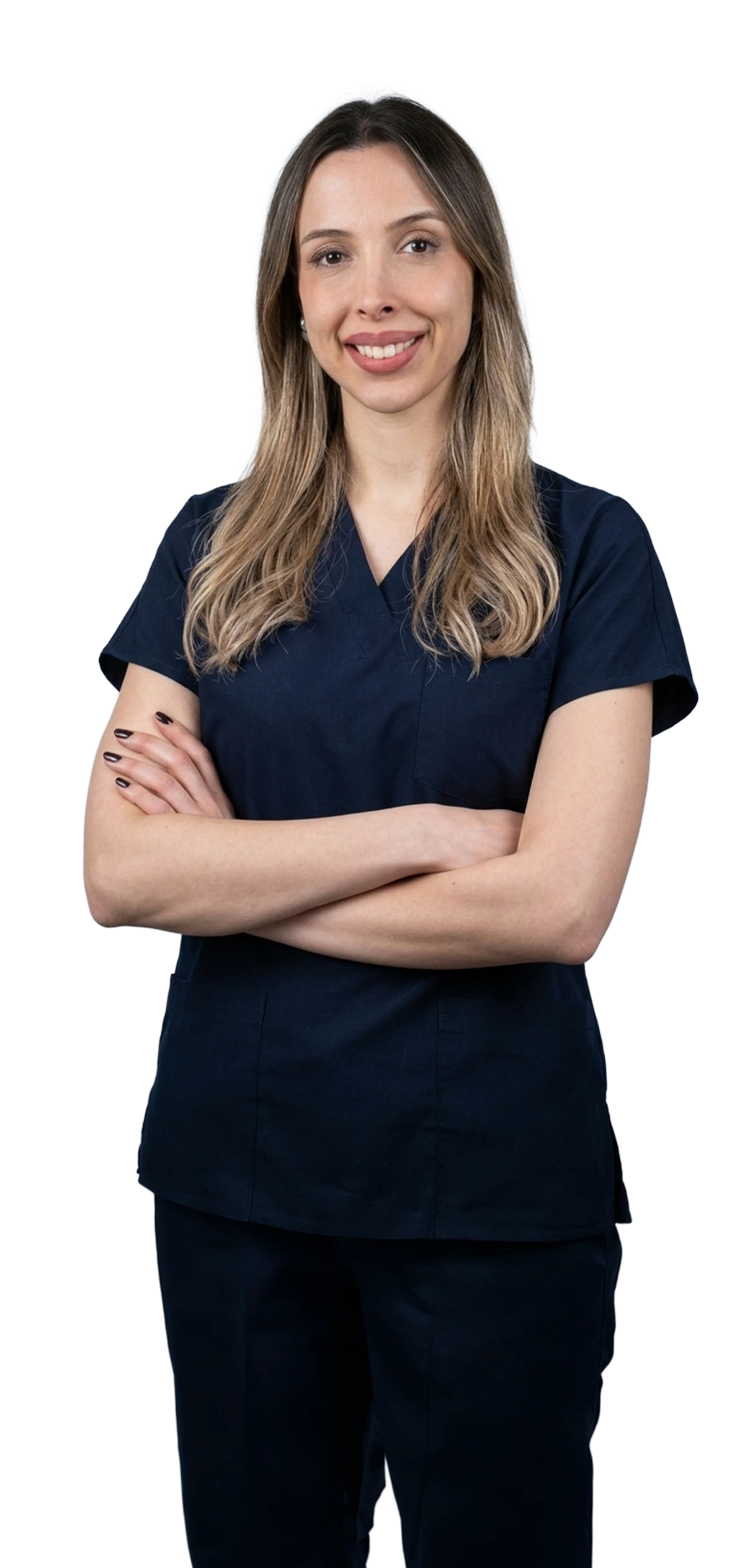
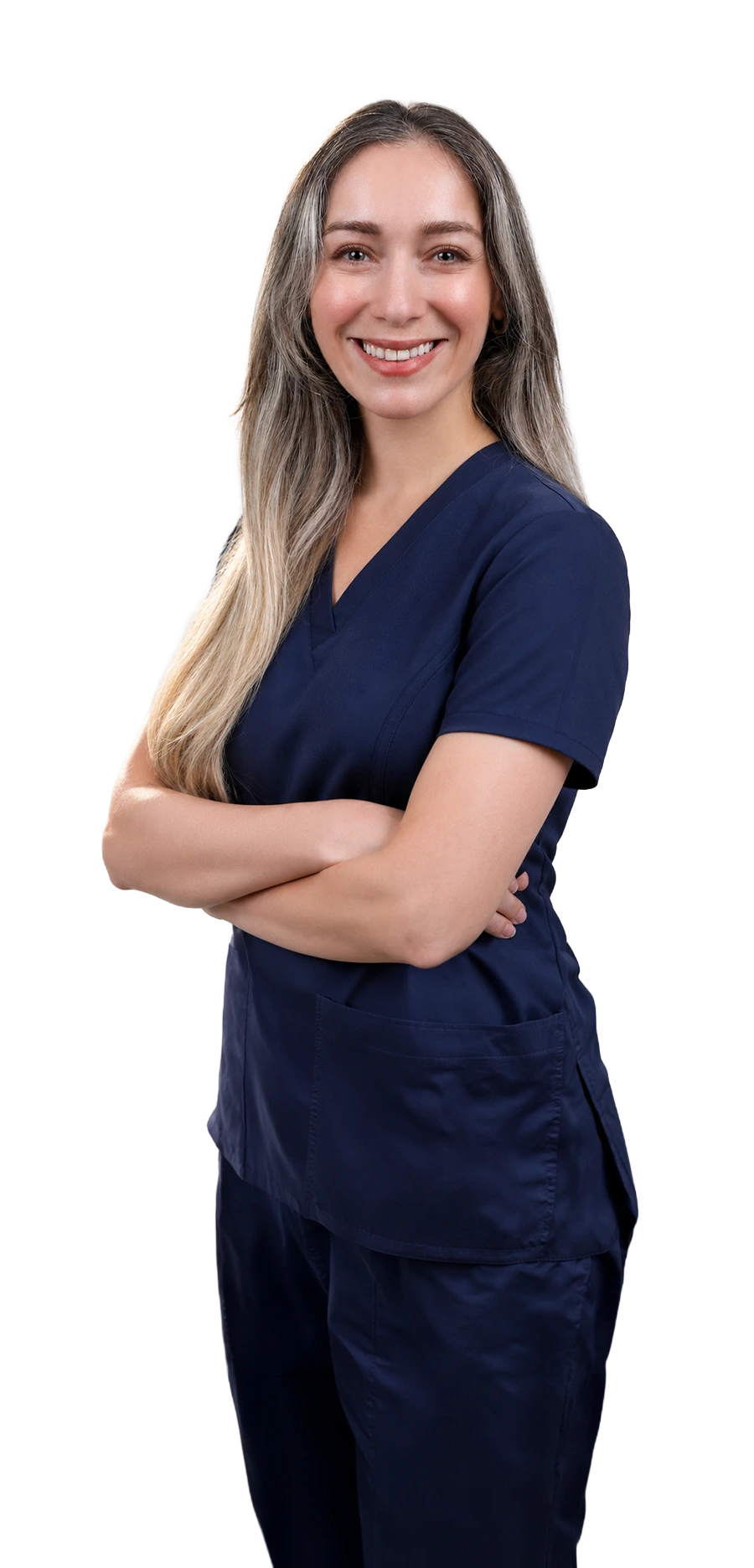
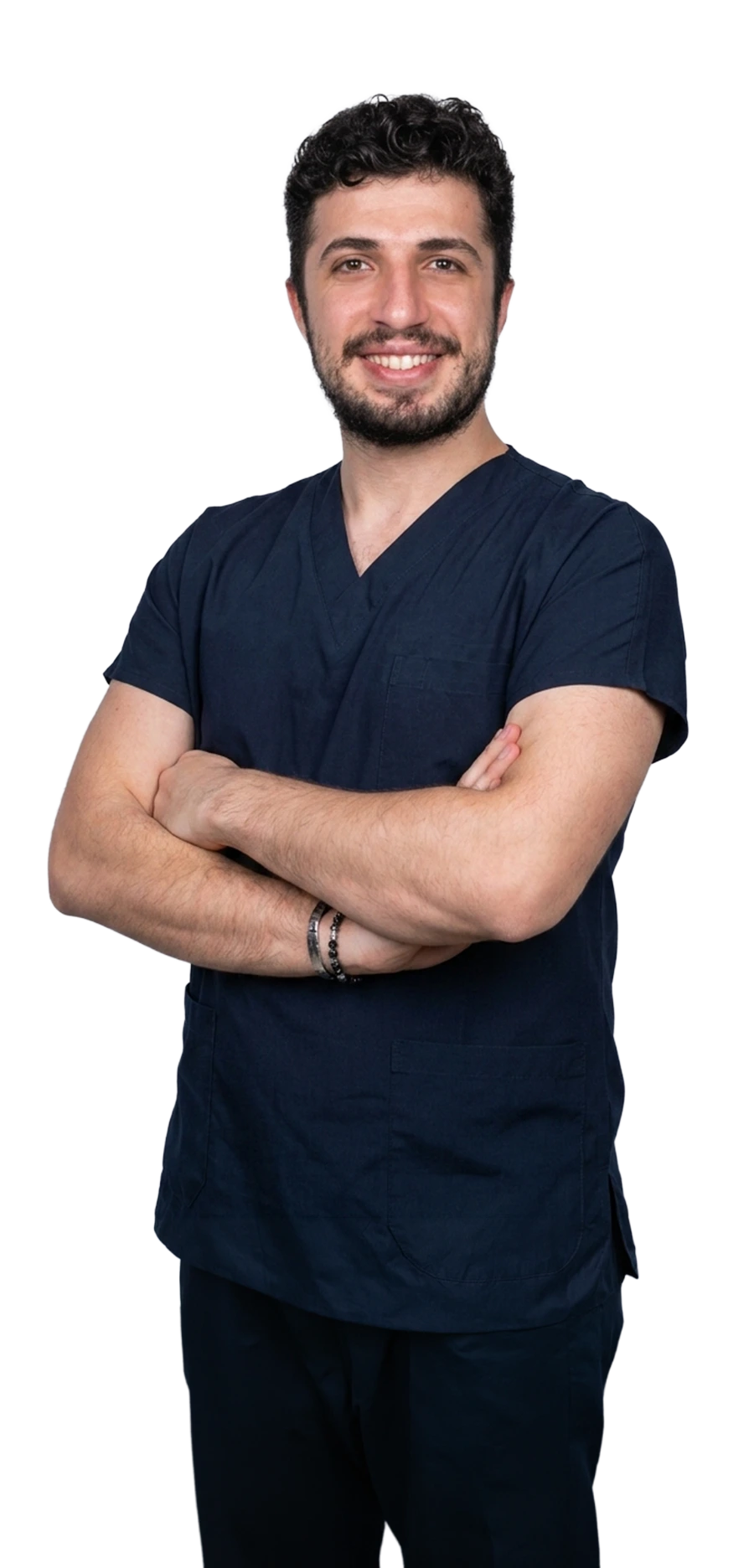
Natural Clinic brings several specialist fields together under one roof: hair transplantation, dentistry, facial, body and breast aesthetics, bariatric surgery and reconstructive treatments. Cross-disciplinary medical teams, multilingual coordination and internationally recognised safety standards carry each patient from consultation and treatment planning through to recovery and aftercare.
Advanced treatments across multiple medical specialties
Experienced specialists working across disciplines
Consultation, treatment, recovery and aftercare coordinated under one roof
Large-scale medical infrastructure in Istanbul
A shell built on a zirconia core — the same ceramic used for crowns, made in veneer form. It is the one material on this list you would choose for what it conceals rather than for what it reveals.
.webp)
Zirconia core, layered face
Some teeth are not the wrong shape. They are the wrong colour, all the way through — a dead nerve, tetracycline, an old metal post throwing a shadow — and a glass ceramic thin enough to be beautiful is also thin enough to let all of that come back up through it. Zirconium dioxide stops light. It is milled from a solid block, sintered, then layered with porcelain across the visible face so the result reads as a tooth rather than a tile.
Dark or root-treated teeth, tetracycline staining, and old metal restorations showing through.
One visit, 5 nights in Istanbul: design, mock-up, preparation, try-in, cementation.
Implant Dentistry
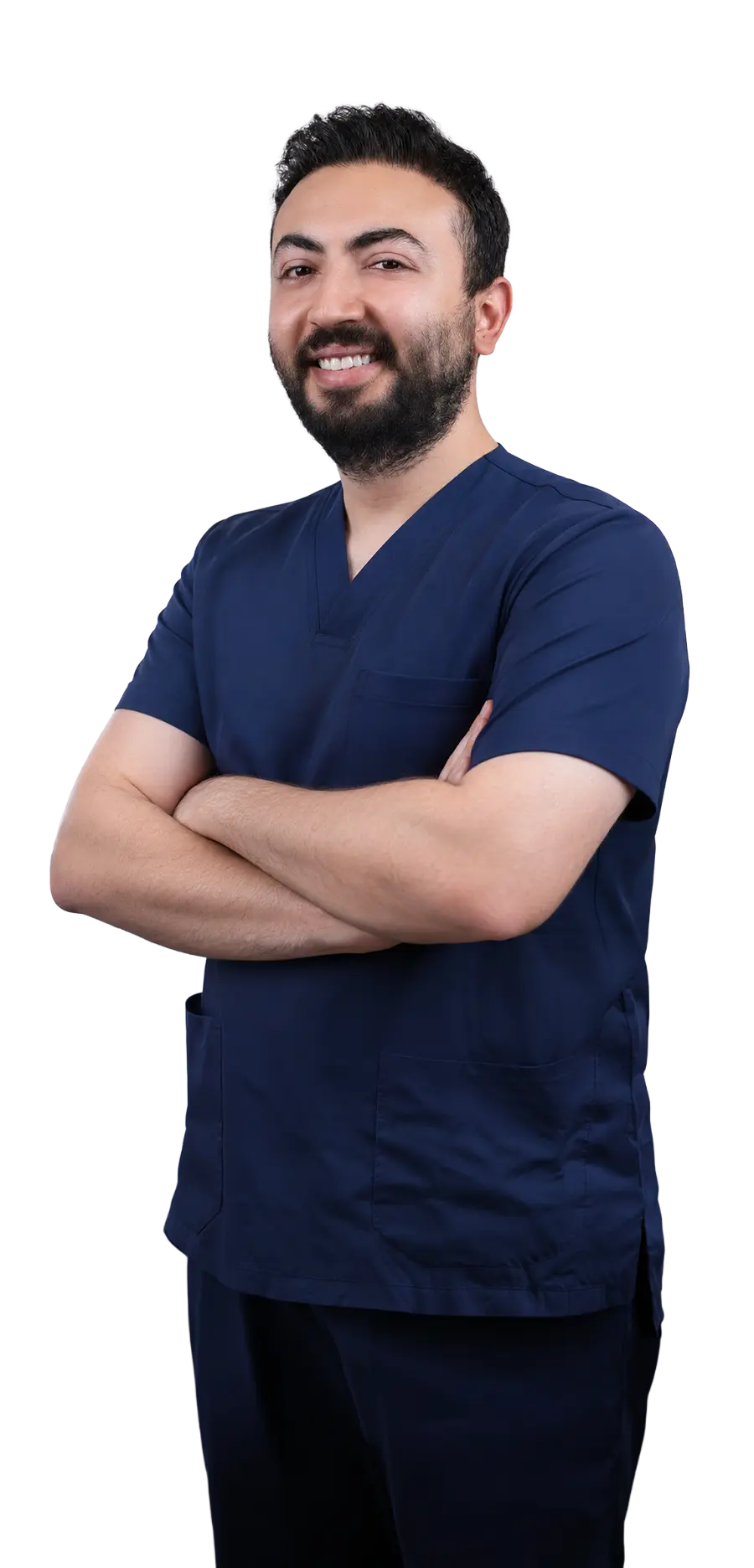
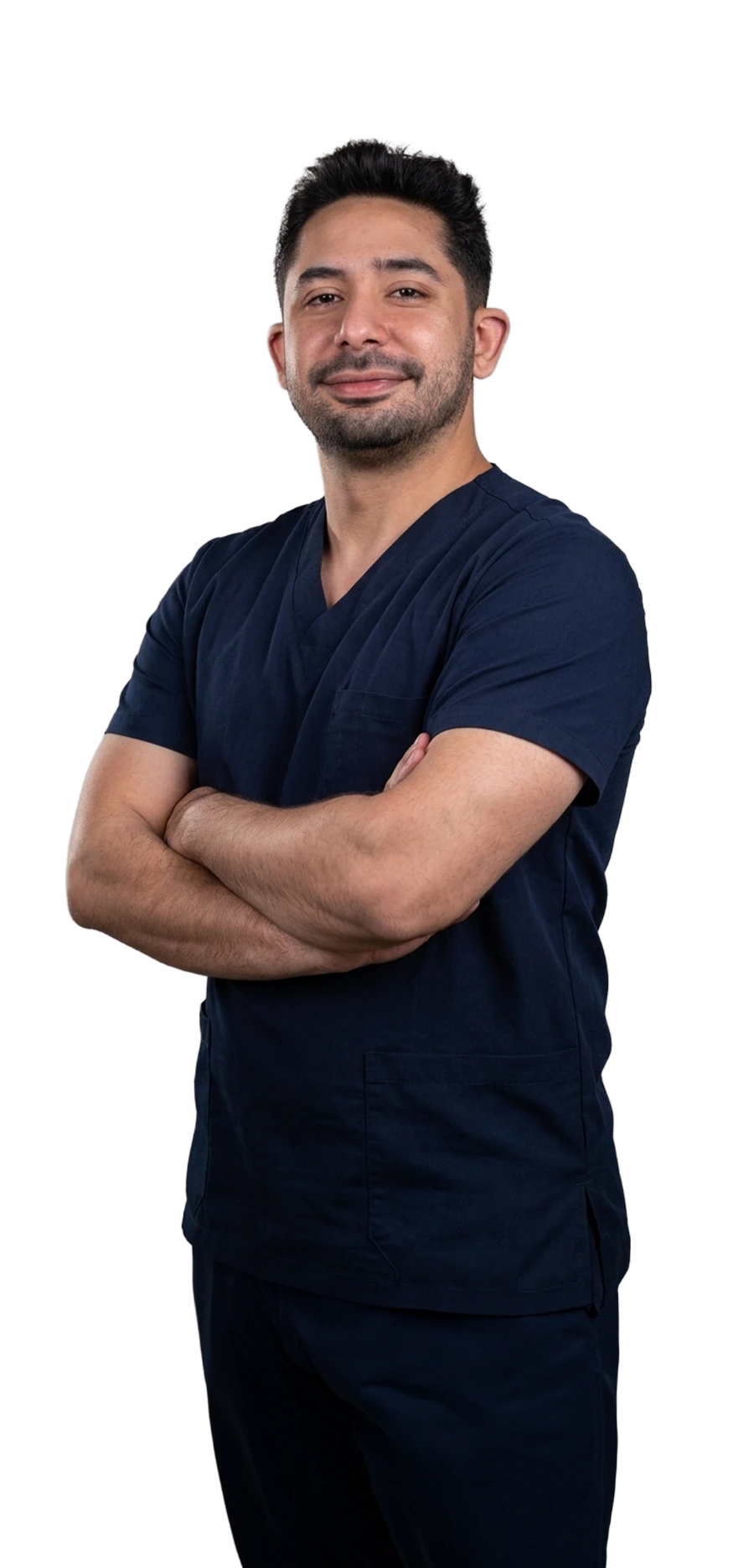
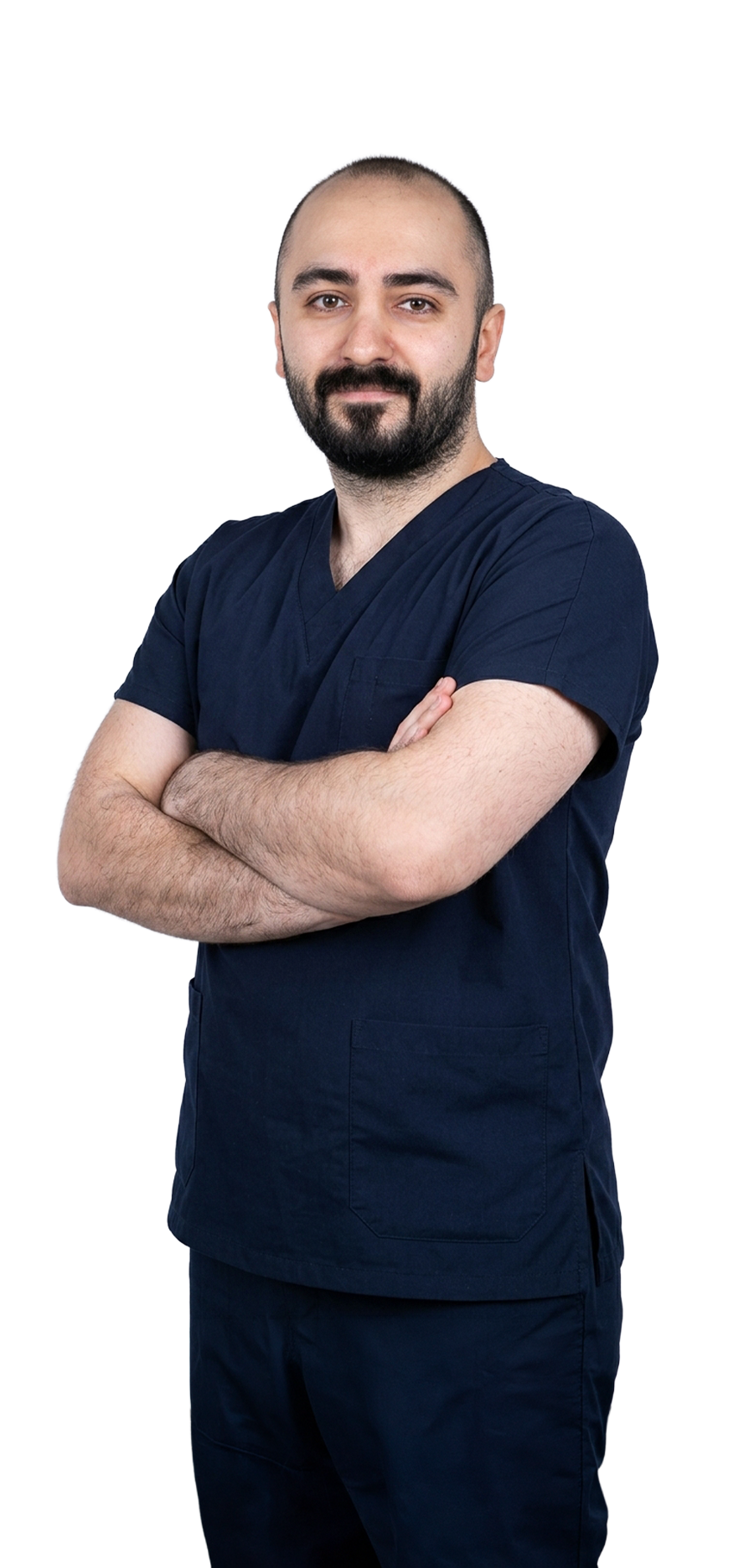
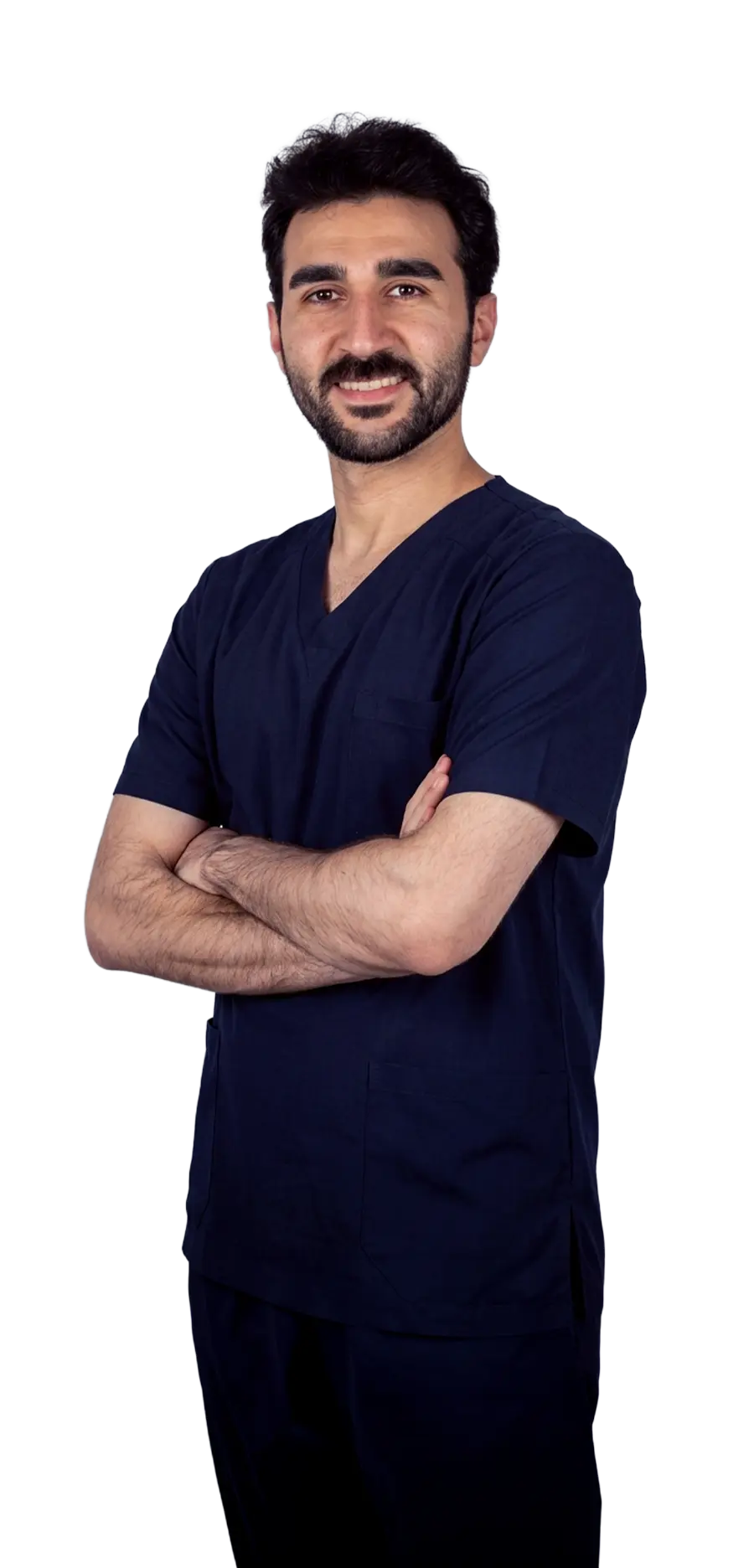
Born in Bandırma in 1995, Dr Ömer Reşat Gültek studied at İnegöl Mediha Hayri Çelik Science High School before turning to dentistry — and he still thinks like a materials scientist. Which ceramic, which technique, which protocol for this particular tooth: those are the questions he takes seriously, and they are why his root canal treatments hold. What patients mention, though, is the manner. He explains as he works, he does not rush, and a single filling gets the same attention as a full arch.
Certificates
Yes, with one condition: that you are treated by a clinic willing to tell you which teeth do not need a veneer. The materials and the technology are the same ones used in London and Berlin; the design happens in the same building, which is why a shape you are unsure about is changed at the try-in rather than after you have flown home.
High case volume means shade matching, smile design and minimal preparation are refined at scale.
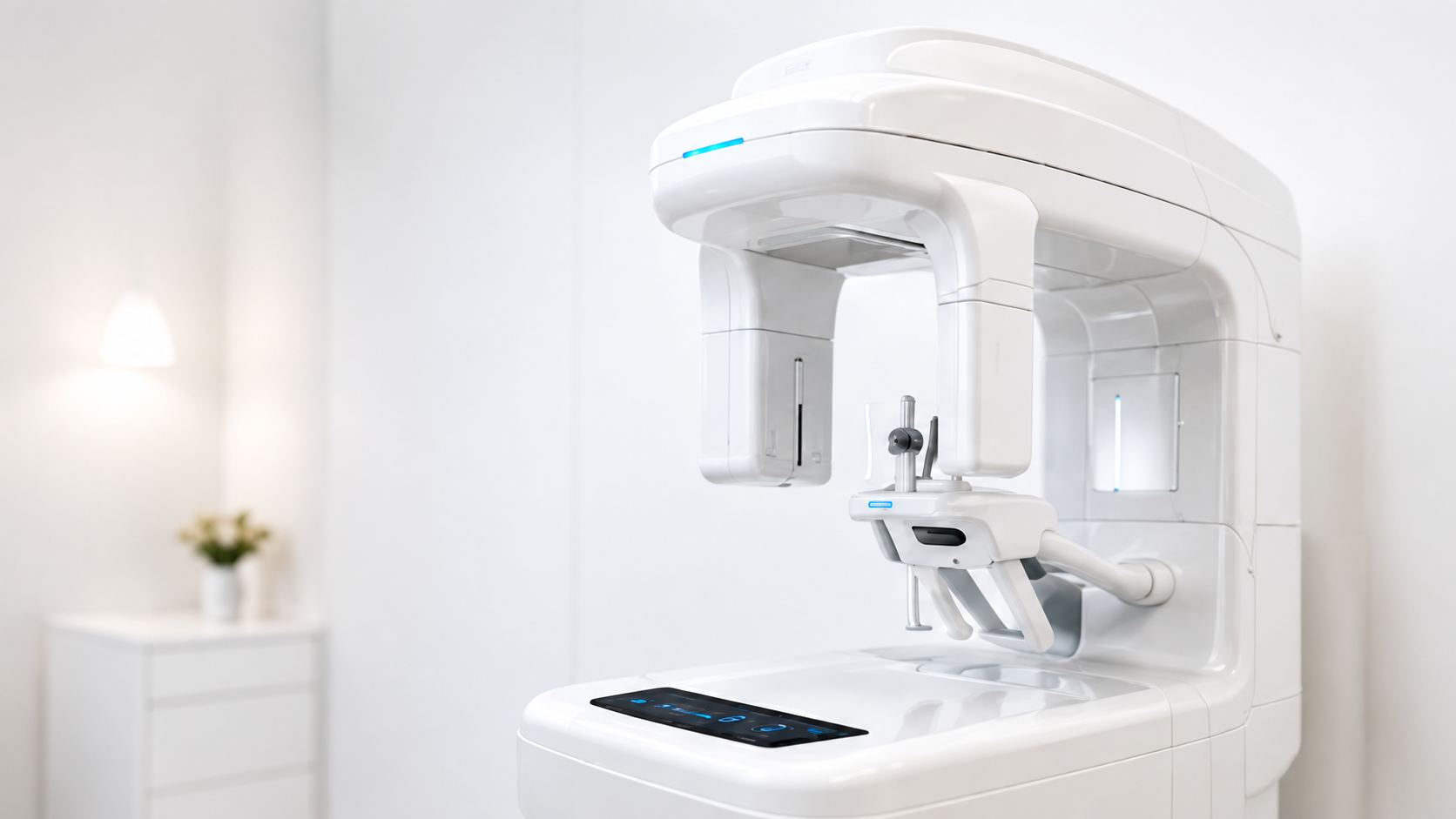
Digital smile design, intraoral scanning and a wax-up trial are standard here, not premium extras.
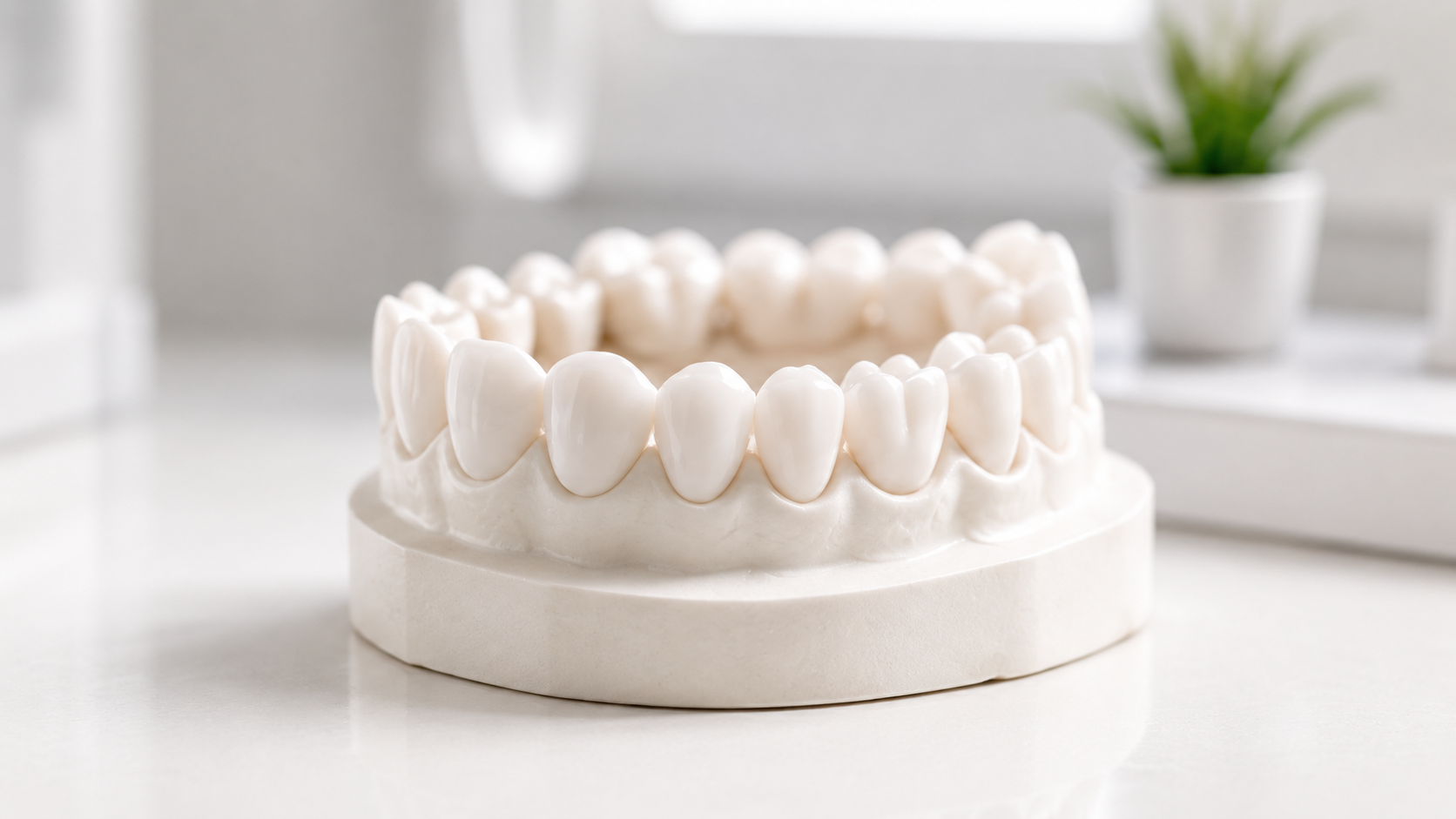
Lower operating costs can reduce treatment prices without requiring lower-grade ceramics.

Istanbul is connected to hundreds of international destinations, making treatment travel easier to plan.
International patient teams coordinate the design discussion, try-ins and aftercare in multiple languages.
Reputable clinics name the material used and provide written coverage for eligible restorations.
Opaque zirconia is chosen for grey, root-treated or heavily restored teeth.
Old root fillings or large restorations are checked and repaired if needed before veneering.
A patient might receive zirconium on one grey incisor and glass-ceramic on the others; the lab tints all of them toward a single target colour.
Zirconia is milled oversized, shrinks to size in the furnace, and is then stained so it doesn't look chalky next to live teeth.
You compare the zirconium shells against neighbouring teeth before cementation.
When a tooth's colour needs hiding, zirconium veneers are often the answer. Here is what to know.
Zirconium veneers are shells made from zirconia, one of the strongest dental ceramics. They are more opaque than porcelain or E.max, which makes them particularly useful for masking dark, grey or previously treated teeth that would show through thinner, more translucent veneer materials.
Zirconium veneers are typically chosen for teeth that are significantly discoloured, root-canal treated or restored with old fillings that show through. Where neighbouring teeth have a normal colour, a translucent ceramic may be used on them, with all veneers matched to a single shade.
Zirconium is more opaque and very strong, so it hides underlying colour well. E.max is more translucent and looks especially lifelike on teeth with a healthy base shade. Many smile plans combine both, using each material only where its properties are most useful.
Zirconium is the most opaque and the most tooth-costly of the five veneer materials, and for most teeth it is not the right one. Each alternative has its own page — along with the treatments that are sometimes better than a veneer altogether.
Personalised Care, Just for You
Send a few photos of your teeth, plus any X-ray you already have. One of our dentists reviews your case and replies with a realistic, itemised plan — whether the colour genuinely needs an opaque ceramic, which teeth would be better in E.max, what each costs with hotel and transfers included, and how many days you’ll be in Istanbul. No obligation, no pressure, no cost.
Get My Free Veneer Plan
© 2026 Natural Clinic. All rights reserved.