 English
 Italiano
 Español
 Français
Hair Transplant Before & After | Natural 6-Month Result

- Dental Treatments
- Hair Treatments
- Plastic Surgery
- Weight Loss Surgery
Istanbul, Turkey — It Arrives in a Vial
It Did Not Come From You. So Ask Where It Came From
Every other injectable here is made from you — your own blood, spun and back in your scalp within the hour. This one arrives in a vial, from a laboratory that grew cells that are not yours. That is not an objection. It is a set of questions: what tissue, which manufacturer, to what standard.
Recorded with consent. One of them asked for the source documentation, read it, and chose PRP instead — which is a perfectly good outcome and is why she is here.
Natural Clinic brings several specialist fields together under one roof: hair transplantation, dentistry, facial, body and breast aesthetics, bariatric surgery and reconstructive treatments. Cross-disciplinary medical teams, multilingual coordination and internationally recognised safety standards carry each patient from consultation and treatment planning through to recovery and aftercare.
Advanced treatments across multiple medical specialties
Experienced specialists working across disciplines
Consultation, treatment, recovery and aftercare coordinated under one roof
Large-scale medical infrastructure in Istanbul
Exosomes are extracellular vesicles: tiny membrane-bound packages that cells release to signal to other cells. The ones in a treatment vial were not released by you. They are harvested from cells grown in a laboratory — commonly mesenchymal stem cells from donated tissue, sometimes plant cells — then processed, concentrated and shipped.
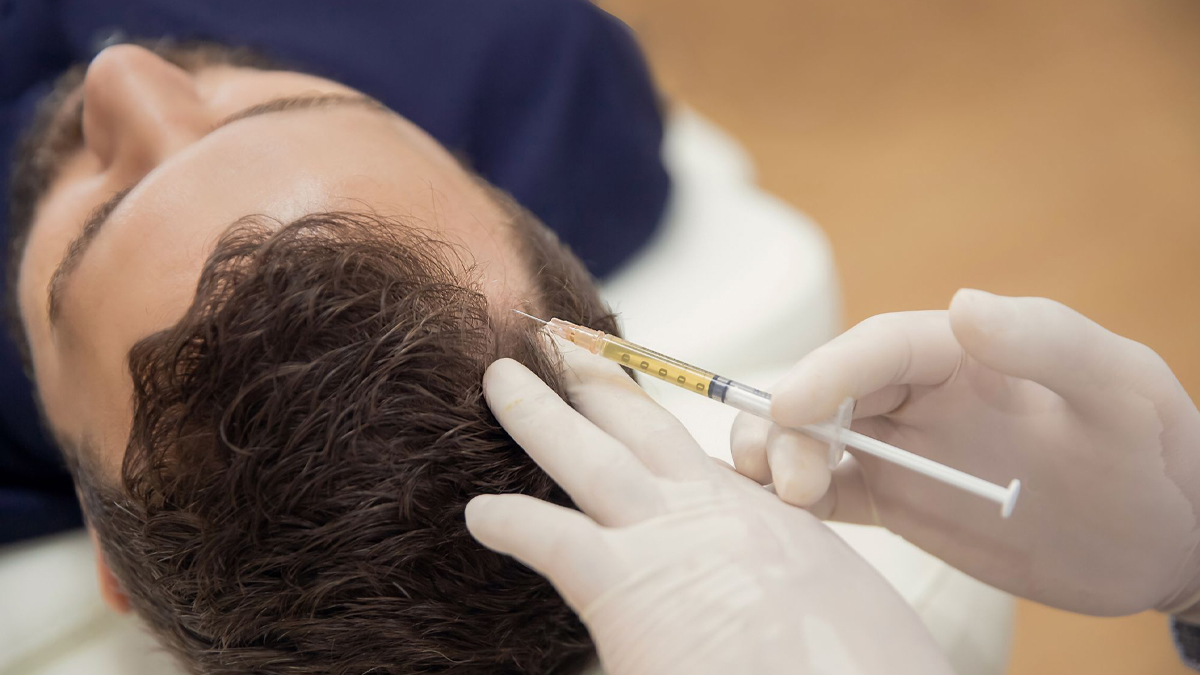
Manufactured product · not from you · no downtime
The session itself is the least interesting part: the vial is checked against its documentation, prepared, and injected across the mapped area at follicular level. It takes minutes, stings briefly, needs no dressing and costs you no downtime. Everything that decides whether it was worth doing happened before you sat down — in a laboratory you will never see, to a standard you have to ask about.
Living follicles remain in the area and the better-established treatments have already been considered rather than skipped. This is not a first line, and we will not present it as one.
Provenance. Source tissue, donor screening, manufacturer, production standard, cold chain, batch and expiry, and what else is in the vial. None of that is visible in the treatment room.
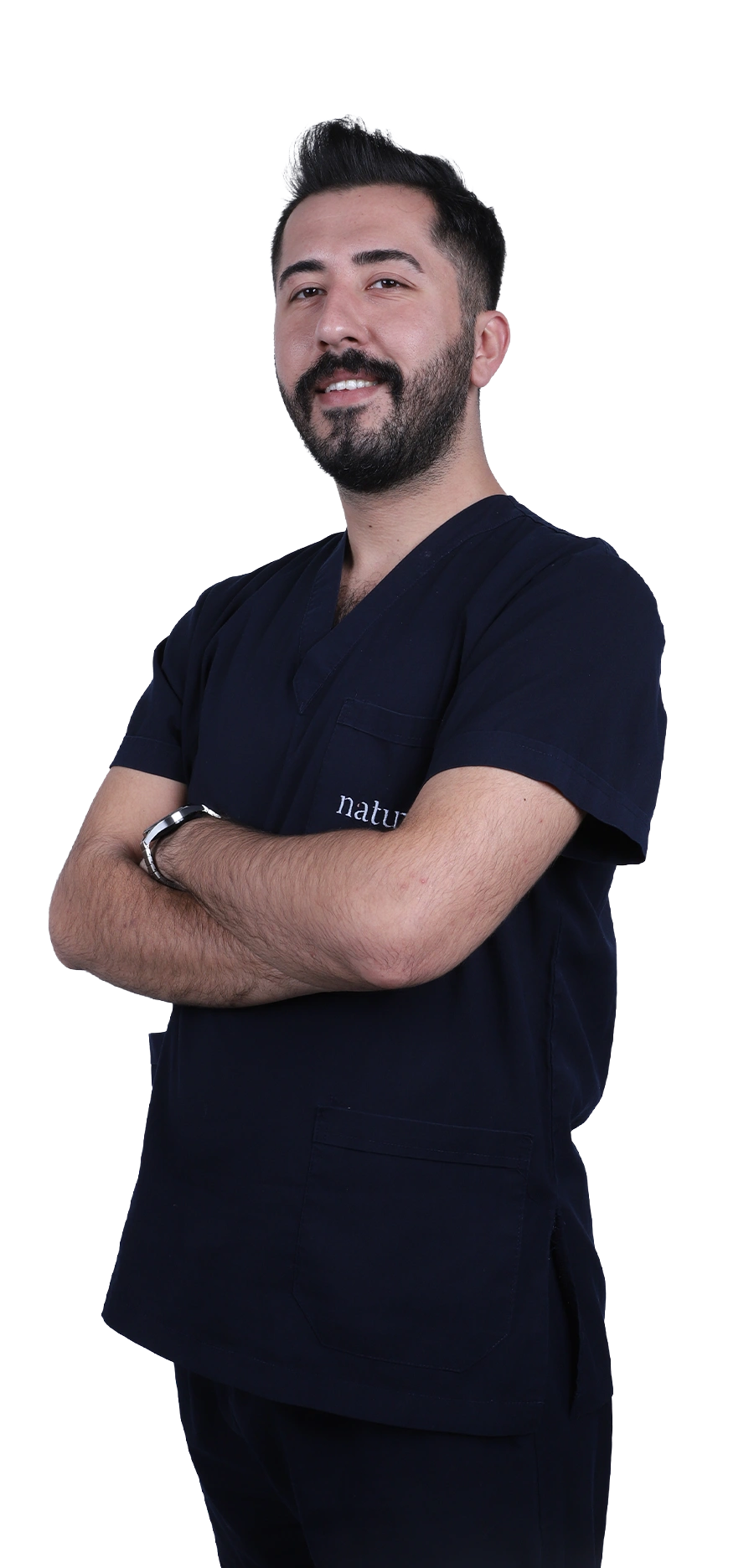
Hair Transplant Specialist
Sefa Yaşar graduated from the First and Emergency Aid (Paramedic) Program at Beykent University. He began his healthcare career as an emergency department nurse and has been working in the field of hair transplantation since 2018. He has experience in pre-operative preparation, hair transplant procedures, and patient follow-up.
Education
Here is an uncomfortable one. Travelling abroad for a manufactured biological product means the regulatory framework you are treated under is not the one you live under. That is not an argument against it, but it is an argument for reading the file rather than the brochure. Ask what applies where you are treated, and where you live.
.png)
Theatres, recovery and aftercare in the same building, not a subcontracted hospital.
.png)
1,020,000 international operations were performed in Turkey in 2023. That volume belongs to surgery, and it transfers to this treatment not at all.
.png)
Of the non-surgical treatments we offer, this is typically the dearest and the least established. Both halves of that sentence matter.
.png)
We will point you at a cheaper, better-evidenced treatment where that is the honest recommendation. It often is.
.png)
English, Italian, Spanish and French. The plan and the aftercare explained in your own language.
.png)
Ask for the source tissue, the manufacturer and the batch documentation. Ask us too. A clinic that cannot produce them has answered.
Exosomes arrive in a vial from a lab. The decisive steps are about that vial.
If medication or PRP hasn't been discussed, that conversation comes before exosomes.
Tissue origin, manufacturer, standard, storage and contents are shared in writing.
The result that would end the course is written down before the first vial.
Every session starts by matching the vial to its documentation.
Exosome therapy is a manufactured product with early evidence. These answers cover what it is, what it costs and how it is judged.
Exosome hair therapy is the injection of a laboratory-made preparation of extracellular vesicles, tiny packages that cells release to signal to other cells, into the scalp at follicle level. The vesicles are harvested from cultured cells, often mesenchymal stem cells from donated tissue or sometimes plant cells, and supplied to clinics in vials.
PRP is prepared from your own blood during the appointment and injected back within the hour. Exosome preparations are manufactured elsewhere from cells that are not yours. This means questions about source tissue, donor screening, manufacturer, storage and batch apply to exosomes but not to your own plasma.
It may be considered for early to moderate pattern hair loss where follicles in the area are still alive, or to support native hair around a transplant. It is not a first-line treatment: established options such as medication, and investigation of any correctable cause of hair loss, should be discussed first.
Two of the pages below describe treatments that cost less and are better established. We would rather you read them first than last.
Personalised Care, Just for You
Send us the front, top and crown, and tell us what has been investigated and what you have already tried. A clinician replies with the source tissue and manufacturer of the product we use, whether this has any role in your case, how many vials at what interval, the total cost, and the date we would put your photographs side by side. Including the answer we give most often: that a cheaper, better-evidenced treatment is the one to spend this money on. No obligation, no cost.
Ask Us for the File
© 2026 Natural Clinic. All rights reserved.