 English
 Italiano
 Español
 Français
Root Canal Treatment

- Dental Treatments
- Hair Treatments
- Plastic Surgery
- Weight Loss Surgery
Istanbul, Turkey — 2 to 4 Days, One Visit
Keeping Your Own Tooth Is Still Better Than the Best Replacement for It.
The treatment with the worst reputation in dentistry, and the least deserved. Done properly — under a rubber dam, under magnification, with the canal system actually cleaned rather than rushed — it is comfortable, it takes two to four days, and it saves a tooth that would otherwise come out. From €100.
Short video testimonials recorded with patient consent. Every one of them started exactly where you are now — with a free assessment and a few photos.
Natural Clinic brings several specialist fields together under one roof: hair transplantation, dentistry, facial, body and breast aesthetics, bariatric surgery and reconstructive treatments. Cross-disciplinary medical teams, multilingual coordination and internationally recognised safety standards carry each patient from consultation and treatment planning through to recovery and aftercare.
Advanced treatments across multiple medical specialties
Experienced specialists working across disciplines
Large-scale medical infrastructure in Istanbul
Consultation, treatment, recovery and aftercare coordinated under one roof
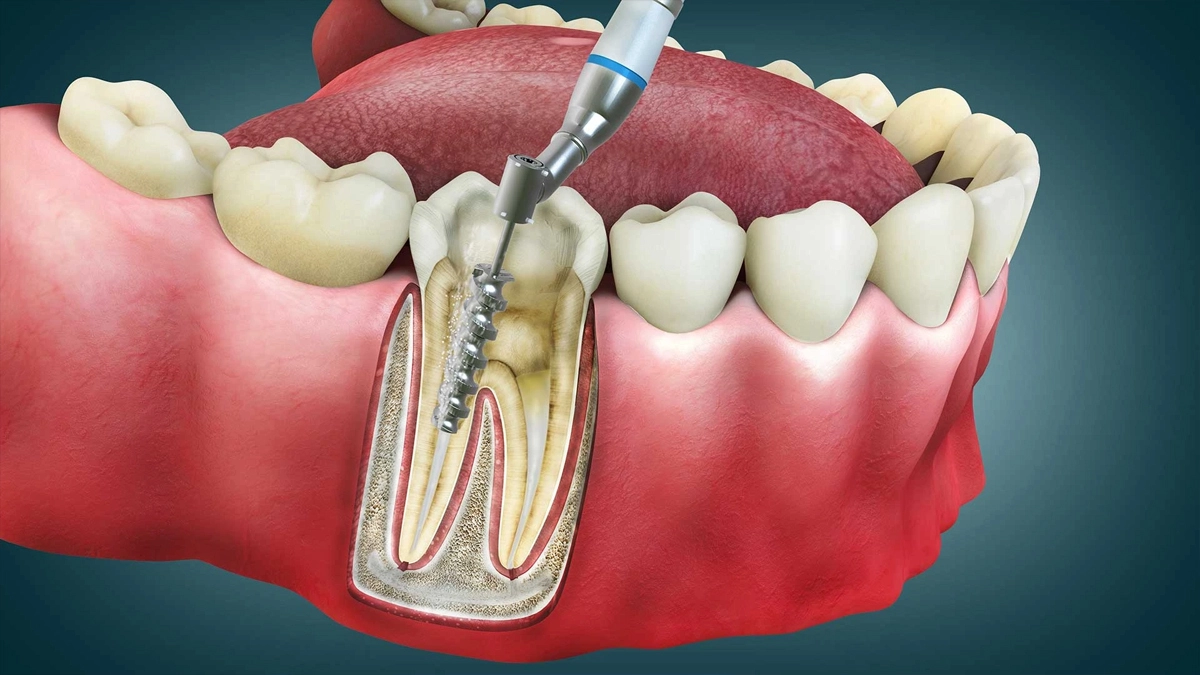
It is not a procedure done to a tooth so much as a cleaning of the space inside it. The soft tissue in the middle of the tooth has died or become inflamed; it is removed, the narrow canal system left behind is disinfected and shaped, and the space is sealed so bacteria cannot re-enter. The tooth stays where it is, in your jaw, doing its job.
Two to four days, one visit
The tooth is numbed and isolated behind a rubber dam — the sheet that seals it off from saliva, and the strongest predictor of whether the treatment holds. The pulp is removed and the canal system cleaned, shaped and disinfected under magnification. Molars often have four canals, sometimes five, and a missed one is the commonest reason a root canal fails. The system is then sealed and the tooth rebuilt.
The pulp inside the tooth is irreversibly inflamed or has died — from deep decay, a fracture, repeated fillings or trauma. Often with pain or swelling, but not always.
Quoted per tooth: a front incisor with one canal and a lower molar with four are not the same treatment. The crown that protects it afterwards starts from €150.
Implant Dentistry
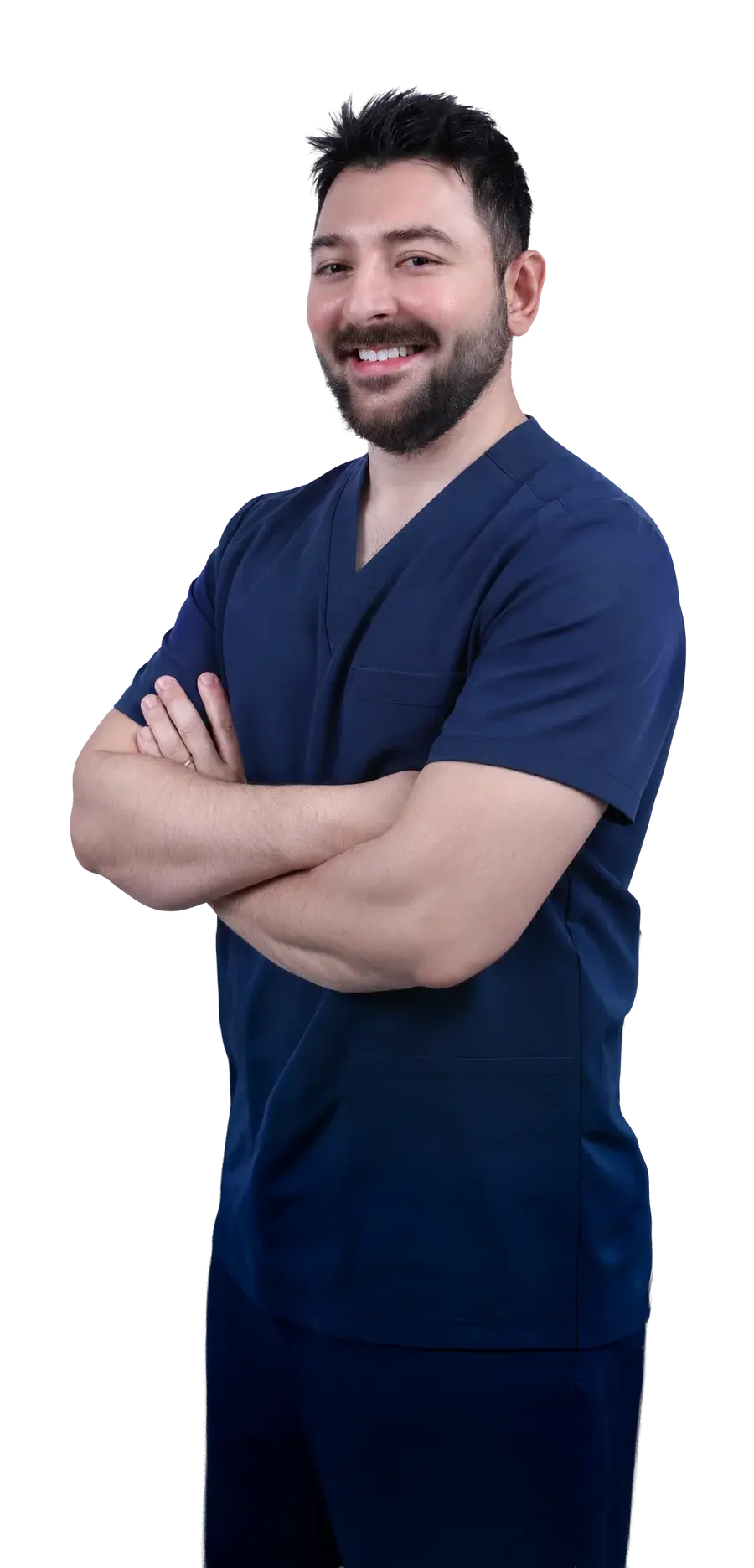
Born in Bandırma in 1995, Dr Ömer Reşat Gültek studied at İnegöl Mediha Hayri Çelik Science High School before turning to dentistry — and he still thinks like a materials scientist. Which ceramic, which technique, which protocol for this particular tooth: those are the questions he takes seriously, and they are why his root canal treatments hold. What patients mention, though, is the manner. He explains as he works, he does not rush, and a single filling gets the same attention as a full arch.
Certificates
If you are already coming for other work, or if the alternative you have been offered at home is extraction, then yes. If you are in pain right now, see someone locally today — we will say that plainly rather than have you fly with an abscess. The test of a clinic here is the same as anywhere: rubber dam, magnification, and a willingness to attempt saving the tooth.
Difficult canals found daily rather than occasionally is how endodontics gets good.
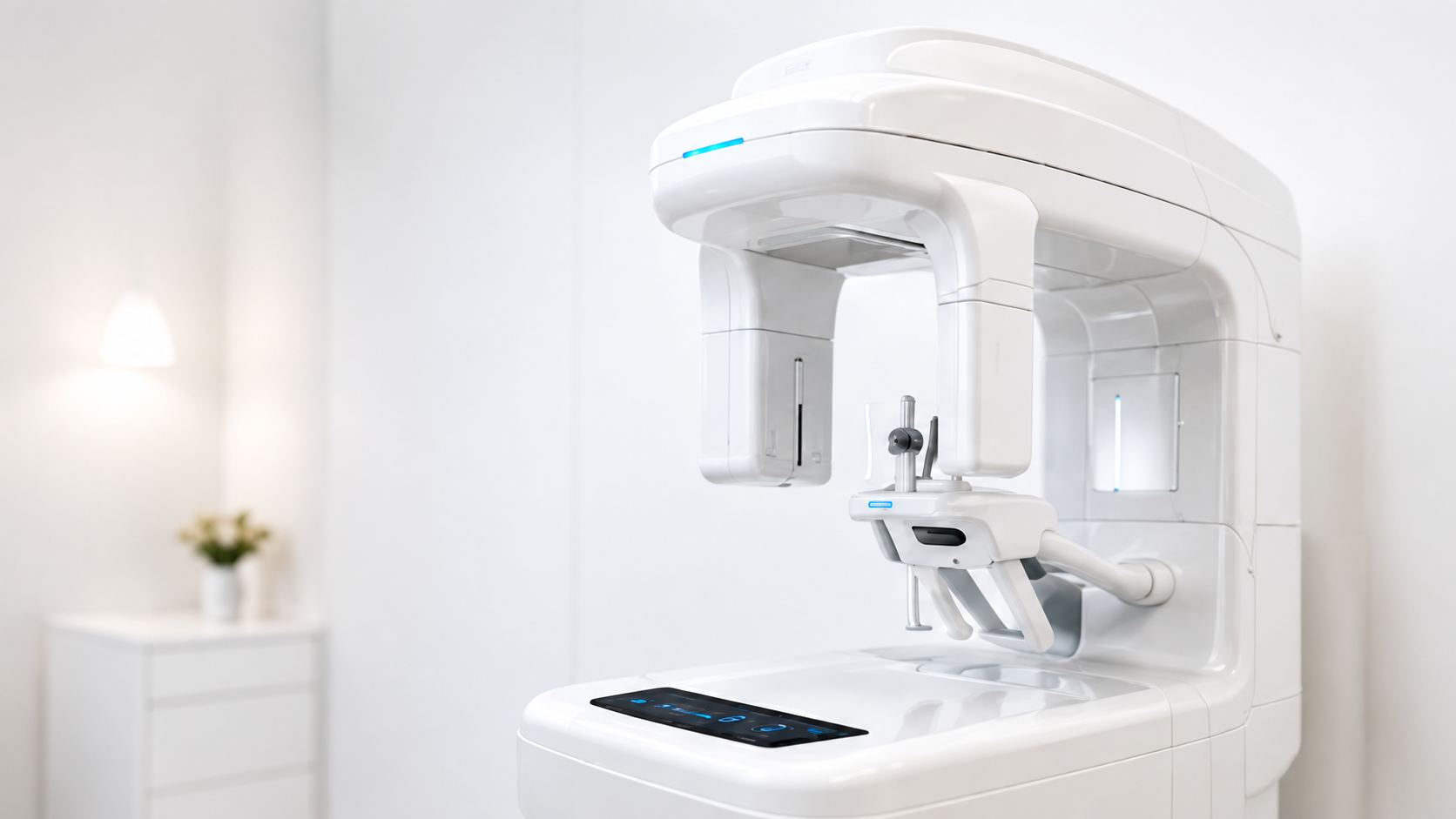
Canals are located under magnification here, not felt for — that is where cases are won.
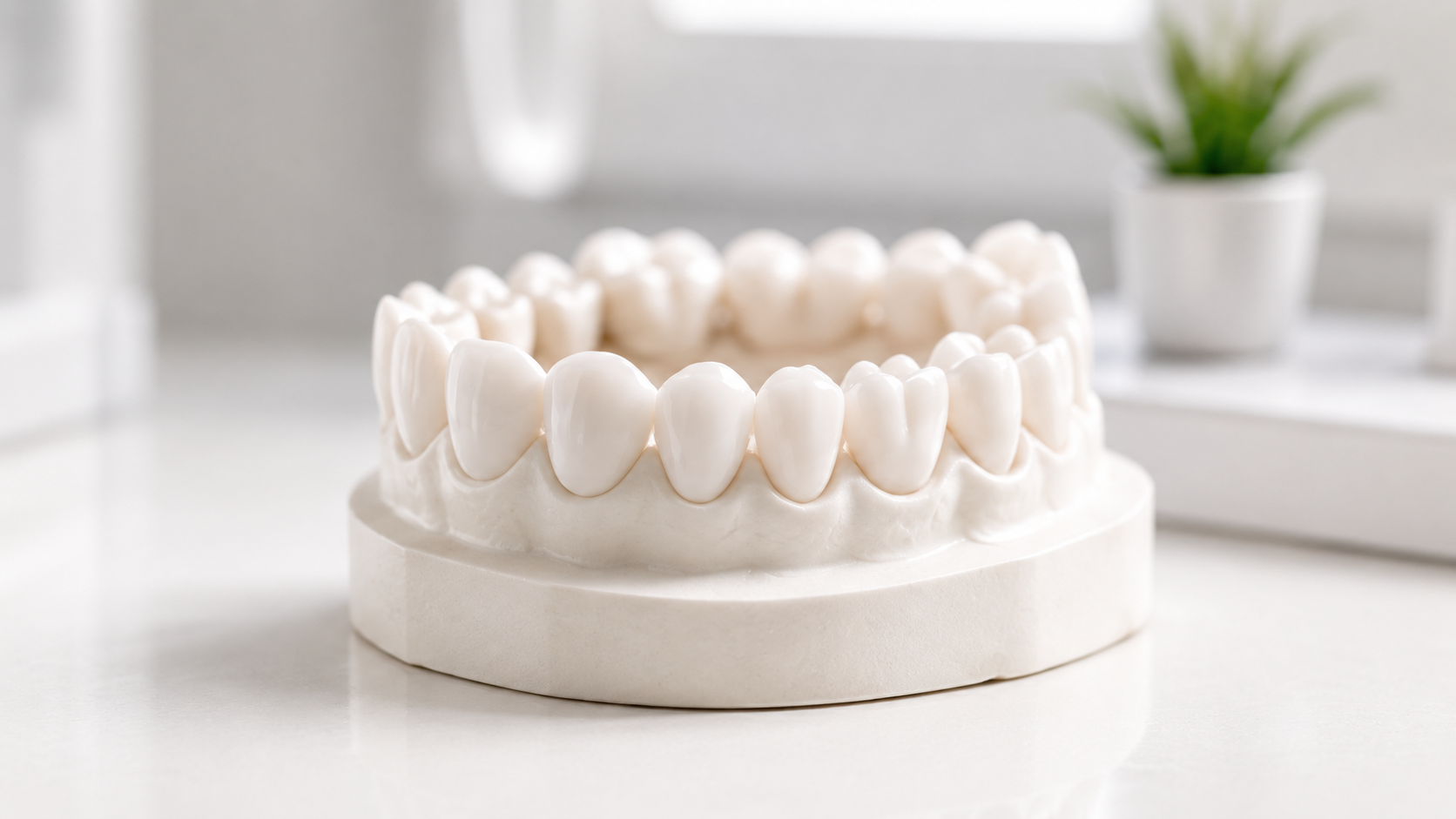
If the tooth can be kept, we treat it. An implant is the answer only when it must be.

One visit, and it sits comfortably alongside crowns or other treatment.

Prognosis and alternatives explained properly, in your own language.
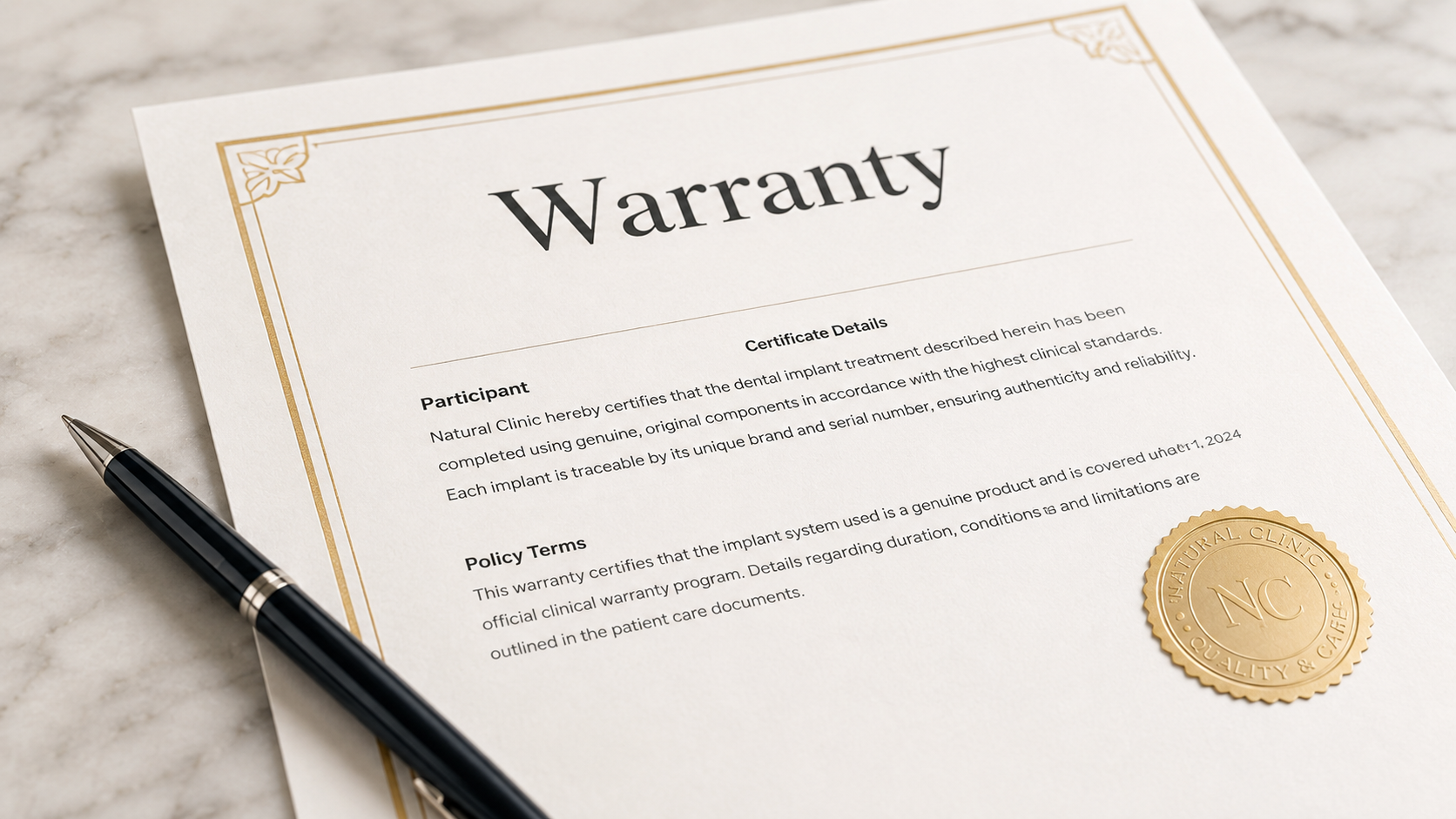
Before and after X-rays, and what was found in each canal — ask for them.
Root canal treatment removes infection so the tooth can stay — and usually leads to a crown.
Lingering sensitivity or pain on biting, confirmed on X-ray, points to a root canal.
Fine files follow each root to its tip, irrigants flush out bacteria, and gutta-percha fills the space — if infection is heavy, medication sits inside for a week first.
A root-treated tooth becomes brittle, so a crown usually follows during the same stay.
Mild tenderness fades within days; a follow-up image confirms healing.
How root canal treatment works, why it often leads to a crown, and what recovery looks like.
Root canal treatment removes infected or inflamed pulp, the soft tissue containing nerves and blood vessels, from inside a tooth. The canals are then cleaned, disinfected, shaped and sealed, which stops the infection and allows the natural tooth to be kept rather than extracted.
Root canal treatment is usually needed when decay or a crack reaches the pulp. Typical signs include lingering sensitivity to heat or cold, pain when biting, swelling of the gum, or an infection visible on an X-ray, although some infected teeth cause no symptoms at all.
Keeping your natural tooth is generally preferable when it can be saved, as it maintains your bite and avoids the need for an implant or bridge. Extraction may be advised if the tooth is too badly damaged to restore after root canal treatment.
A root canal rarely stands alone: the tooth needs protecting afterwards, and where it cannot be kept, replacing. Each of those treatments has its own page with the materials, the timeline and the price set out in full.
Personalised Care, Just for You
Send the X-ray you already have and tell us what you have been told. One of our dentists replies with a straight second opinion — whether the tooth looks savable, whether this is first-time treatment or a retreatment, what the realistic prognosis is, and what keeping it costs against replacing it. Including when the honest answer is that extraction is the better investment. No obligation, no pressure, no cost.
Ask If My Tooth Can Be Saved
© 2026 Natural Clinic. All rights reserved.